If animals excel at one thing, it's killing other animals—and one of the most cunning, insidious, and effective methods of delivering a fatal blow is through toxic compounds. These 11 toxic animals can easily kill an adult human.
Technical Note: "Venomous" animals are those that passively transmit toxins through being eaten or attacked by other animals; "Venomous" animals also actively inject toxins into their victims through stingers, fangs, or other appendages. Enjoy your meal!
01. The most venomous amphibian: the golden arrow frog
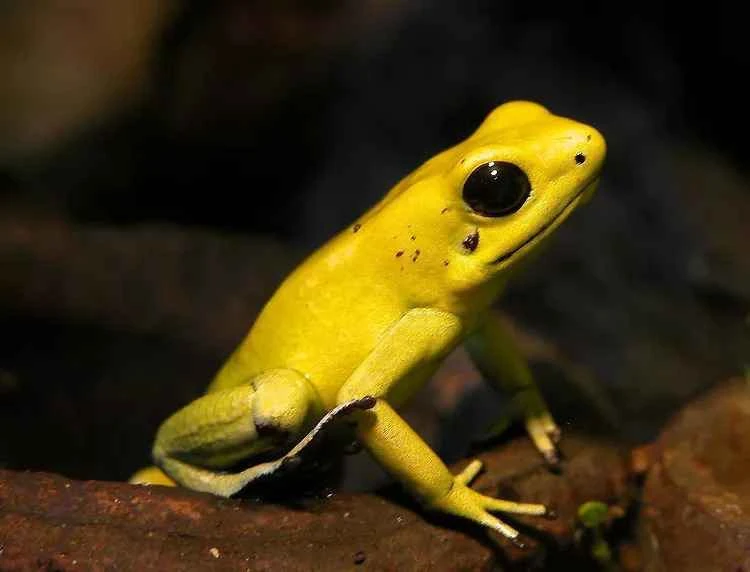
The golden poison dart frog lives only in the dense rainforests of western Colombia, and the shimmering venom it secretes from its skin is enough to kill 10 to 20 people—imagine the outcome when this tiny amphibian is swallowed whole by a hairy, unsuspecting little mammal. (Only one snake, the grouper, is resistant to the frog's venom, but a sufficiently large dose can still kill it.) Interestingly, the golden poison dart frog obtains its venom from its native food sources: ants and beetles. Captive specimens that feed on fruit flies and other common insects are completely harmless.
02. The most venomous spider: the Brazilian wandering spider
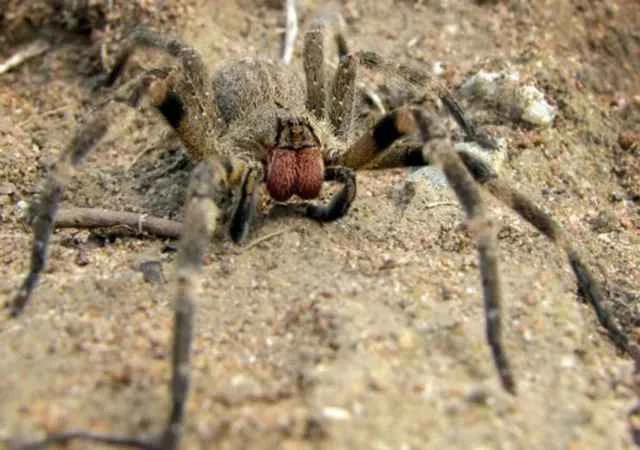
If you happen to suffer from arachnophobia, there's good news and bad news about the Brazilian wandering spider. The good news is that this creepy reptile lives in tropical South America, doesn't always release its full venom when it bites, and rarely attacks humans; even better, effective antivenom (if injected quickly) can make death extremely rare. The bad news is that the Brazilian wandering spider secretes a potent neurotoxin that, even in tiny doses, slowly paralyzes and strangles its victim. (You can decide for yourself whether this is good or bad news: human men bitten by Brazilian wandering spiders often experience painful erections.)
03. The most venomous snake: Inland Taipan
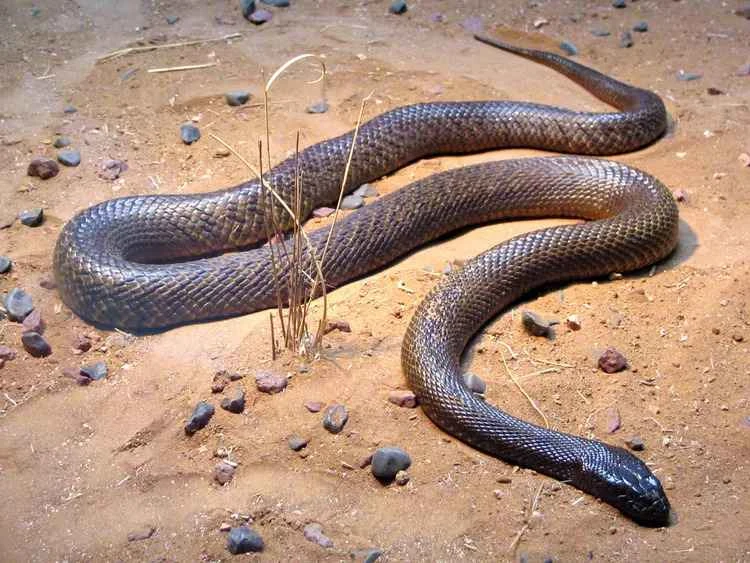
Fortunately, the inland taipan is remarkably docile: this Australian snake possesses some of the most potent venom in the reptile kingdom, with a single bite containing enough chemicals to kill a hundred adult humans. (According to records, the inland taipan's venom is composed of a rich array of neurotoxins, hemotoxins, myotoxins, and nephrotoxins, essentially meaning it can dissolve your blood, brain, muscles, and kidneys before you even hit the ground.) Fortunately, inland taipans rarely come into contact with humans, and even then (if you know what you're doing), the snake is quite docile and easy to handle.
04. The most poisonous fish: Stonefish
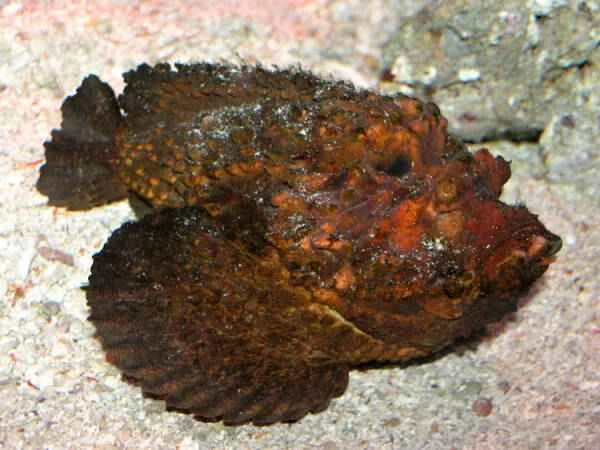
If you're the kind of person who shudders at the thought of stepping on a misplaced Lego brick, you won't be happy about the stonefish. As its name suggests, this South Pacific fish looks incredibly like a rock or a piece of coral (a form of camouflage designed to protect it from predators), and it's easily stepped on by careless beachgoers, at which point it releases a potent toxin to surrounding fish on the soles of their feet. In Australia, authorities maintain an ample supply of stonefish antivenom, so you're unlikely to be killed by this fish, but you'll probably still be wearing a pair of LL Bean boots for the rest of your life.
05. The most venomous insect: Maricopa harvester ant
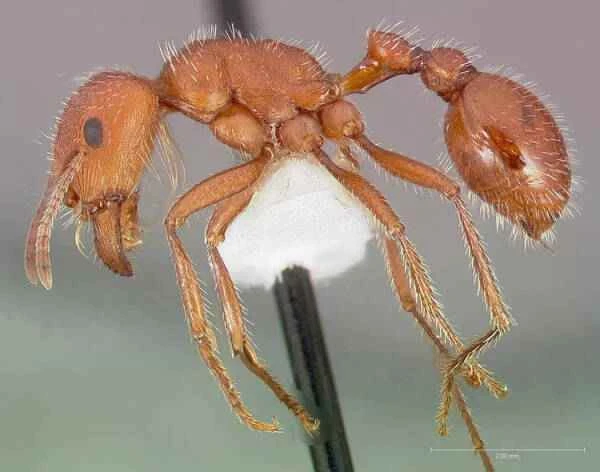
When discussing venomous insects, it's important to maintain a certain perspective. Technically, bees are venomous, but you'd need to be stung approximately 10,000 times simultaneously to die (like the character Macaulay Culkin played in *My Girl*). Maricopa harvester ants are an order of magnitude more dangerous: you only need to be stung by these Arizona pests about 300 times to prematurely reach heaven—a perfectly possible scenario for an unsuspecting visitor. Fortunately, Maricopa's habitat is virtually impossible to accidentally destroy. These ants build nests up to 30 feet in diameter and 6 feet high!
06. The most venomous jellyfish: the sea wasp
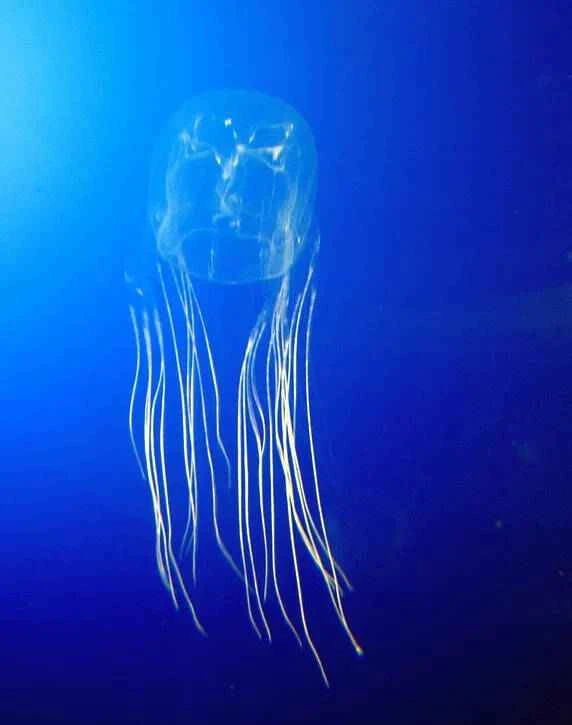
Box jellyfish (with a box shape rather than a round, bell shape) are by far the most dangerous invertebrates in the world, and the sea wasp (Chironex fleckeri) is by far the most dangerous box jellyfish. C. fleckeri's tentacles are covered with "necrocellular cells," which explode upon contact, delivering venom to the intruder's skin. Most humans who come into contact with sea wasps experience only excruciating pain, but close contact with large specimens can lead to death within five minutes (approximately 100 sea wasps have died in Australia alone over the past century).
07. The most venomous mammal: Platypus
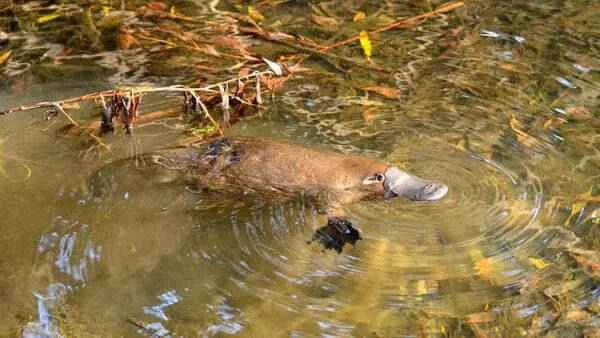
Admittedly, platypus deaths are extremely rare (though they certainly make for a compelling obituary headline). The truth is, venomous mammals are few and far between, and the platypus makes the list because males attack each other with venomous spurs during mating season. Occasionally, a platypus attack might be fatal to a small pet, but humans are unlikely to experience anything more than extreme pain and a tendency to recount the same dinner table story for the next 30 or 40 years. (The only other confirmed venomous mammals on record are three species of shrews and the Cuban shrew.)
08. The most venomous mollusk: Marble cone snail
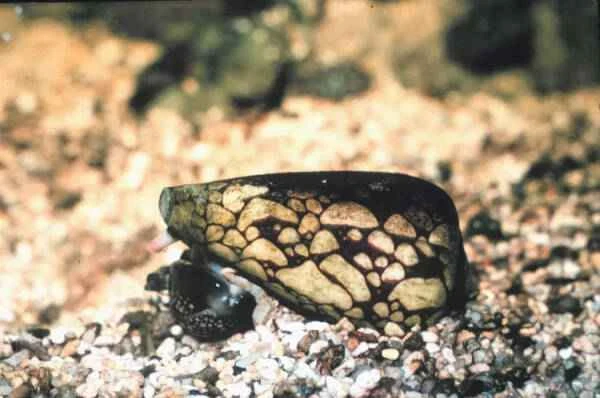
If you've never had the chance to use the term "predatory sea snail," then you clearly don't know enough about the breadth and diversity of marine life, creatures that can kill you in one bite. The marbled cone snail (Conus marmoreus) paralyzes its prey (including other cone snails) with its venom, making it easily fatal for a careless human. You might ask, how does this mollusk release its venom? Well, a powerful muscle contraction propels its harpoon-shaped teeth into the prey's skin, at which point the snail retracts its teeth and leisurely devours its paralyzed victim. (Unfortunately, no one has ever calculated how many marbled cone snails it would take to harpoon and reel in a full-size person.)
09. The most poisonous bird: Hooded Thrush
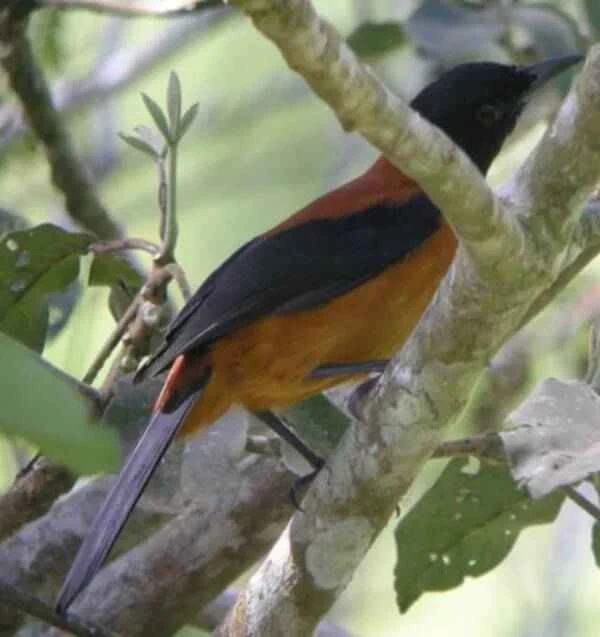
People generally don't consider birds poisonous, let alone venomous, but nature always seems to find a way. The skin and feathers of the hooded carp of New Guinea contain a neurotoxin called carponetoxin, which causes only mild numbness and tingling in humans, but can be far more harmful to smaller animals. (Apparently, carp birds obtain this toxin from eating beetles, which are also the source of the toxin secreted by poison dart frogs.) The only other known poisonous bird on record is the common quail, whose meat (if the bird eats a particular plant) can cause a non-fatal human illness called "coturnism."
10. The most venomous cephalopod: Blue-ringed octopus
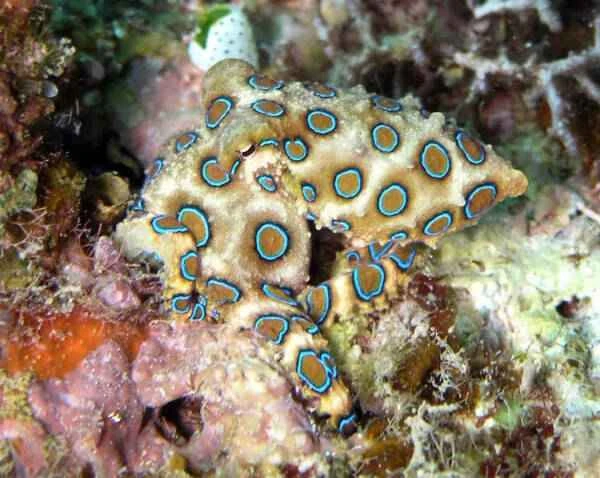
If the phrase "silent but deadly" applies to any animal, it's the blue-ringed octopus of the Indian and Pacific Oceans. This medium-sized cephalopod (the largest specimens rarely exceed eight inches) can bite almost painlessly when provoked, its venom paralyzing and killing an adult within minutes. Ironically, the blue-ringed octopus served as the tattoo mascot of a female assassin organization in the James Bond film *Octopussy*, and also played a crucial role in Michael Crichton's thriller *State of Fear*, where its venom is used by another assassin—a dark group of international villains.
11. The most poisonous testicle: Hawksbill turtle.
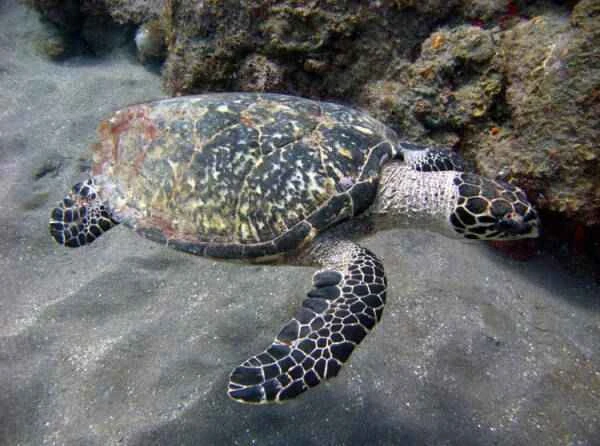
Unlike some other animals on the list, hawksbill turtles are not small: adults weigh between 150 and 200 pounds, roughly the same as an average person. These turtles are found worldwide, and those in Southeast Asia sometimes ingest toxic algae, meaning anyone who eats their meat could suffer severe turtle poisoning (symptoms include nausea, vomiting, diarrhea, and other intestinal diseases). The good news/bad news is that hawksbill turtles are endangered, so one can imagine that the global outbreak of MTP will make these turtles less appealing on the dinner table.