Fish are among the strangest vertebrates on Earth, and some are certainly stranger than others. In the images below, you'll discover 11 of the strangest fish in the world's oceans, from the comical blobfish to the nightmarish stargazing fish.
01. Blobfish
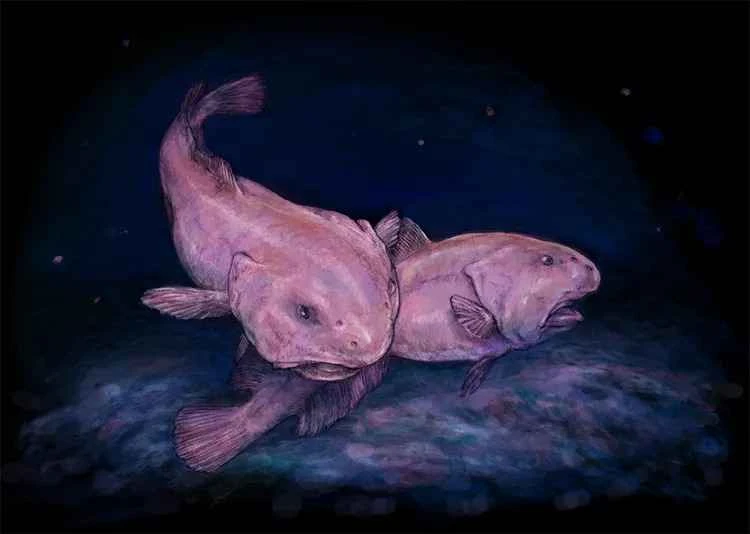
Poor blobfish. In its natural habitat, at depths of 3,000 to 4,000 feet in the ocean, it looks just like a perfectly ordinary fish. However, when dragged to the surface, its body swells into a comically large, sticky blob of mucus, and its face looks remarkably like a human face.
The blobfish's gelatinous flesh has evolved to withstand extreme deep-sea pressure, allowing it to float on the seabed and ingest organic matter. Once removed from its natural high-pressure environment, the blobfish swells into a nightmarish shape. (You might have missed it in the blink of an eye, but the blobfish appeared in the Chinese restaurant scene of *Men in Black 3*; most people believe it was special effects rather than a real animal!)
02. Asian Sheephead Wren
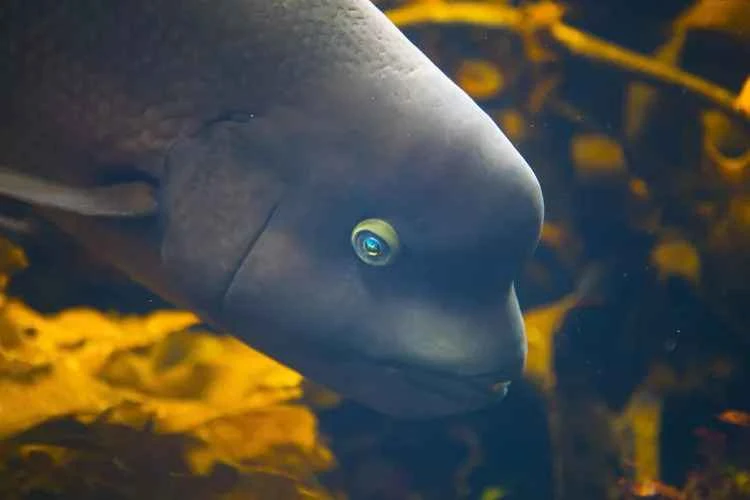
The name "witchfish" comes from the Cornish word for "witch" or "old woman." This is an apt name for the Asian sheep's head wrasse (Semicossyphus reticulatus), whose face resembles the exaggerated features of a classic Disney witch, including a prominent chin and forehead. Little is known about the Asian sheep's head wrasse, but its oversized face is likely a sexually selective trait: during mating season, males (or females) with larger, more segmented faces are more attractive to the opposite sex. One piece of evidence supporting this hypothesis is that newly hatched Asian sheep's head wrasses have ordinary heads.
03. Yellow boxfish
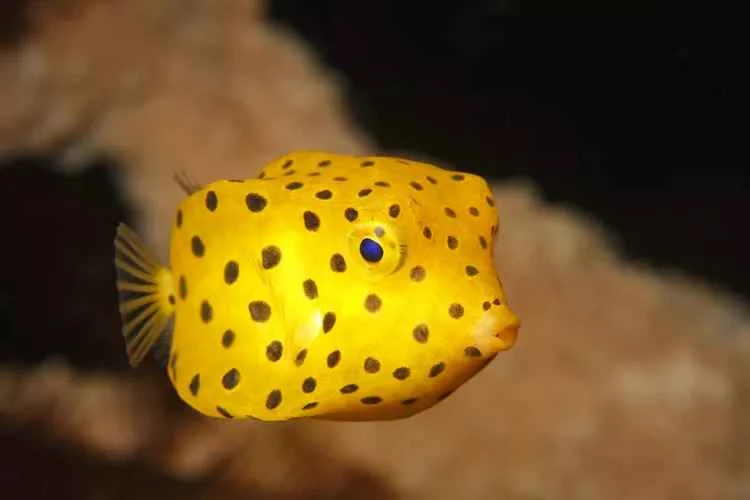
The yellow boxfish, roughly the size of a rectangular watermelon sold in Japan, is commonly found in the coral reefs of the Indian and Pacific Oceans, feeding on algae and small invertebrates. No one is entirely sure why the flat-bottomed ostrich, contrary to the typical evolutionary trend of fish, has a flat, narrow body, but its agility in the water seems to be more attributable to its fins than its overall shape. Here's some pop culture trivia: In 2006, Mercedes-Benz unveiled the Bionic, a "concept car" modeled after the yellow boxfish. If you've never heard of the Bionic, it's probably because compared to its more successful inspiration, this car is a true evolutionary failure.
04. The psychedelic frogfish
Generally speaking, frogfish are among the strangest creatures on Earth: they lack scales, have various appendages and growths on their bodies, and are often covered in algae. But no frogfish is stranger than the psychedelic frogfish. Discovered only in Indonesian waters in 2009, it has a large, flat face, blue eyes, a huge mouth, and most strikingly, a white, orange, and brownish-white striped pattern, which likely allows it to blend into the surrounding corals. For any potential prey that hasn't been properly lured, the psychedelic frogfish also has a tiny "lure appendage" on its forehead, vaguely resembling a wriggling worm.
05. Moonfish
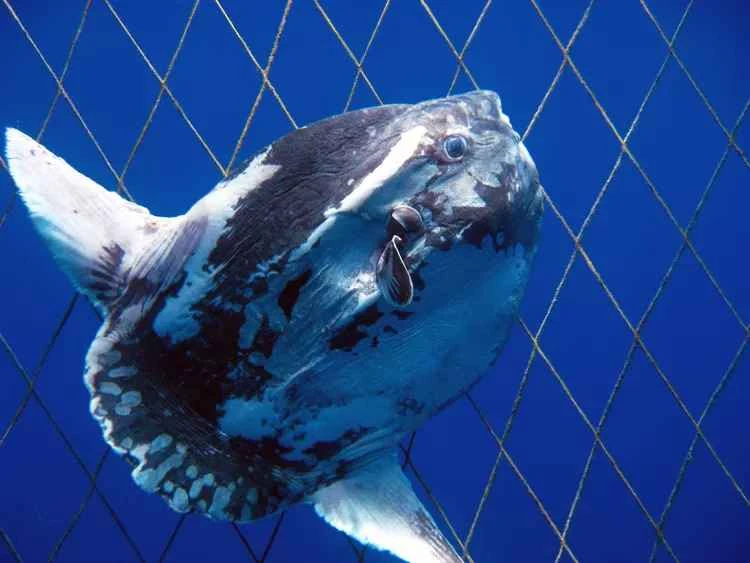
From the outside, the moonfish is nothing special; you might easily overlook it if you saw it in an aquarium. In fact, it's quite ordinary compared to some other fish on this list. What truly sets the moonfish apart isn't its appearance, but its internal structure: it's the first known warm-blooded fish, meaning it can generate its own internal heat and maintain itself at a temperature 10 degrees Fahrenheit higher than its surrounding water. This unique physiology gives the moonfish more energy (it's known to migrate thousands of miles) and also allows it to survive in the challenging deep-sea environment. The intriguing question is: if endothermy is a positive adaptation, why haven't other fish evolved it?
06. Fairy Shark
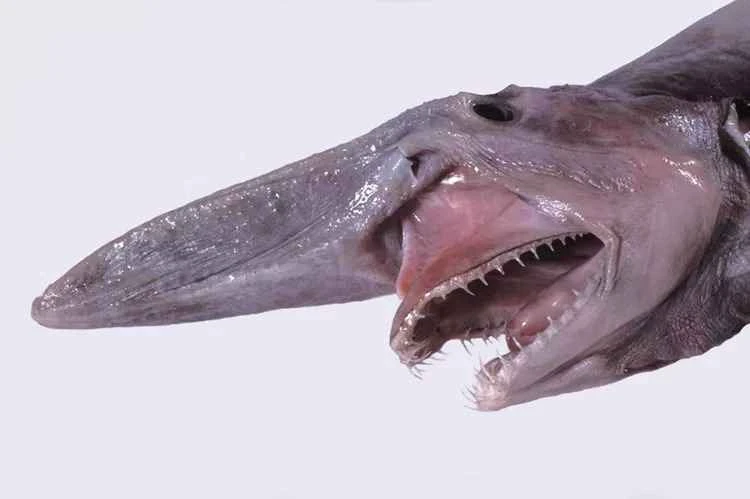
The goblin shark, the equivalent of the deep-sea creature in Ridley Scott's *Alien*, is characterized by its long, narrow upper snout (located on top of its head) and sharp, protruding teeth (located at the bottom). When it enters its prey's range, *Mitsukurina owstoni* forcefully snaps its jaws shut and captures it. (However, don't be too afraid; goblin sharks are unusually lazy and slow, and might not be able to catch an adrenaline-fueled human. *M. owstoni* appears to be the only surviving representative of a family of sharks that flourished in the Early Cretaceous period 125 million years ago, which largely explains its distinctive appearance and feeding habits.)
07. Atlantic Wolf Fish
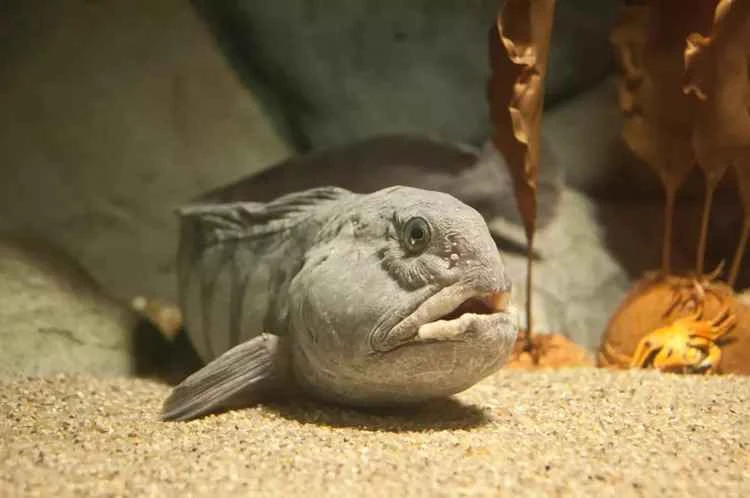
The Atlantic wolffish (Anarhicas lupus) makes the list for two reasons. First, this fish has a pair of bizarre, wolf-like jaws with sharp incisors in the front and serrated teeth in the back, suited for its diet of hard-shelled mollusks and crustaceans. Second, and more remarkably, lupus-infected fish, which inhabits the cold waters of the Atlantic, produces its own "antifreeze protein," preventing its blood from clotting at temperatures as low as 30 degrees Fahrenheit. Although this unusual chemical composition makes the Atlantic wolffish unsuitable for consumption, it is frequently caught in deep-sea trawling, pushing it to the brink of extinction.
08. Red-bellied Paku
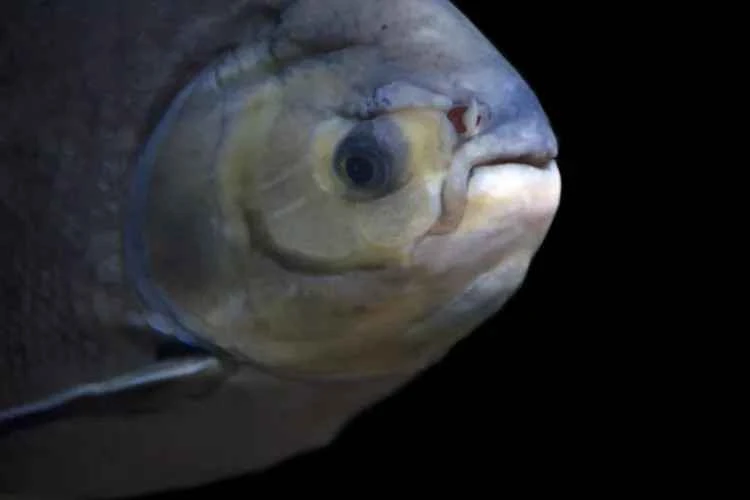
The red-bellied pacu looks like it was summoned from a nightmare, or at least from a David Cronenberg film. This South American fish has teeth that are strikingly similar to humans: so similar that catching them outside their usual habitat makes headlines. Despite the peculiar nature of the red-bellied pacu, some pet stores advertise them as "vegetarian piranhas," often neglecting to inform customers of two important facts. A careless toddler's finger can be severely bitten by a pacu, and three-inch-long juvenile pacu quickly exceed the size of their tank, requiring larger and more expensive accommodations.
09. One-eyed Icefish
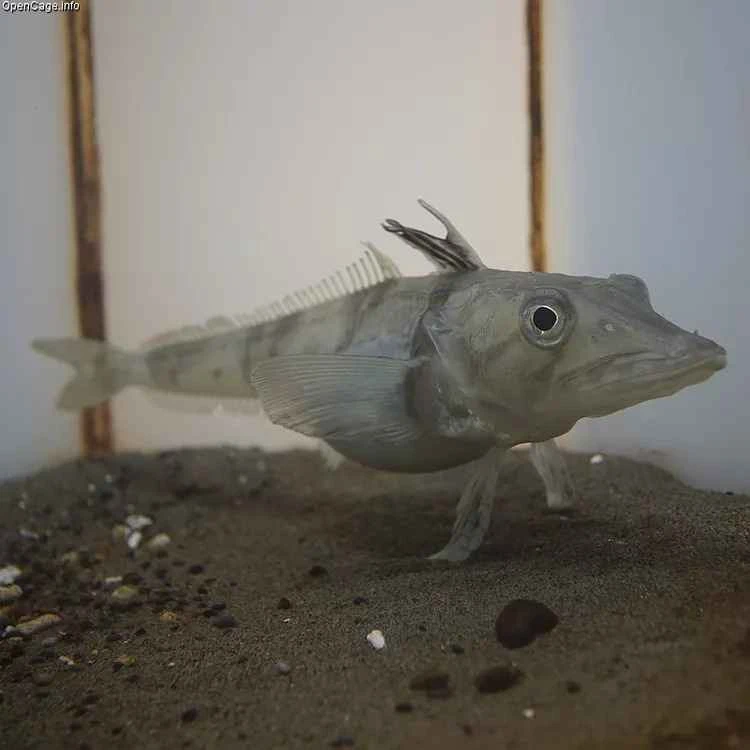
Almost all vertebrates on Earth use hemoglobin (or some variants thereof) to carry oxygen, giving blood its characteristic red color. But the one-eyed icefish *Chionodraco rasrospinosus* is different. Its blood is crystal clear, completely devoid of hemoglobin: this Antarctic fish absorbs dissolved oxygen directly from its enormous gills. The advantage of this arrangement is that *C. rasrospinosus* has lower blood viscosity, making it easier to pump throughout its body. The disadvantage is that the one-eyed icefish must adapt to a relatively low-energy lifestyle, as prolonged activity quickly depletes its oxygen reserves.
10. Toothpick Fish
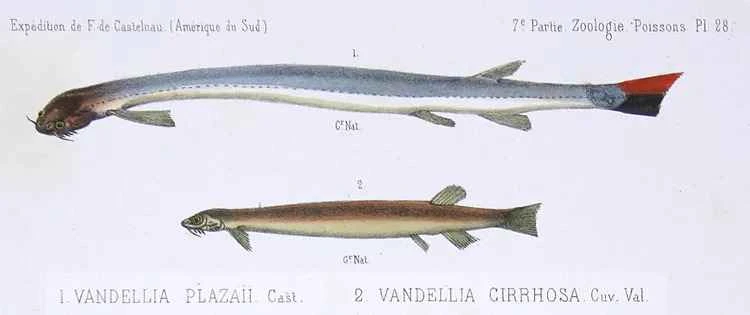
The toothpick fish (Vandellia cirrhosa) is one of the few known parasitic fish in the world, spending almost its entire life nestled in the gills of larger catfish in the Amazon River. This is unusual in itself, but V. cirrhosa is included on this list because it is widely believed to have an unhealthy attraction to the human urethra and to painfully parasitize anyone foolish enough to venture into the water. There is only one well-documented account of this actually happening—in 1997 to a 23-year-old man. However, even in this case, the victim's testimony did not quite match the forensic evidence. As one of the doctors in charge of the investigation later stated, the odds of a toothpick fish getting stuck in the urethra are roughly the same as "being struck by lightning and eaten by a shark."
11. Marbled Stargazer (Uranoscopus bicinctus)
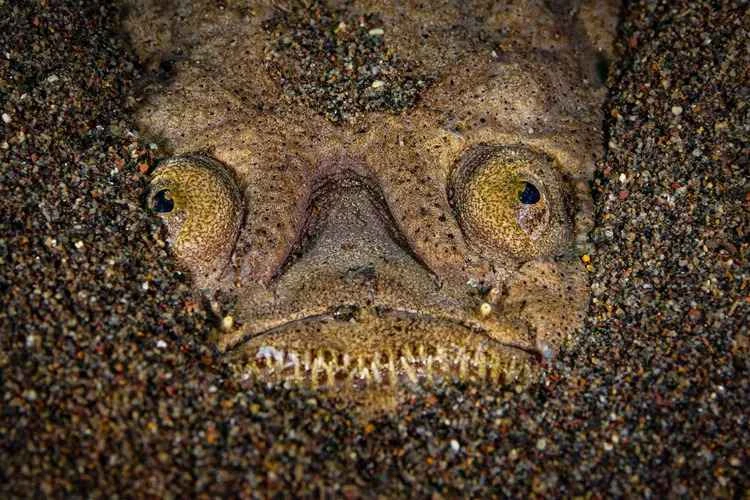
One naturalist described the stargazer as "the most despicable creature in creation," with two bulging eyes and a massive mouth located on top of its head, not in the front; this fish buries itself in the seabed and pounces on unsuspecting prey from there. Still repelled? Well, that's not all: stargazers also have two venomous spines above their posterior fins, and some species can even emit a mild electric shock. Despite possessing these threatening weapons, the stargazer is considered a delicacy in some countries. If you don't mind your dinner staring at you from your plate, and you're sure the chef has successfully removed the venomous organs, feel free to order one if you find it on the menu.