From childhood, we've all heard the story of the tortoise and the hare, the tortoise's slowness a well-known tale. However, in reality, there are many animals in the animal kingdom that are even slower than tortoises. This article will list some of the world's slowest-moving animals, such as sea cucumbers, starfish, snails, seahorses, three-toed sloths, Galapagos tortoises, slugs, slow lorises, koalas, and monster lizards. Our world is home to a diverse array of creatures, walking on land, flying in the sky, and swimming in the sea, each with its own unique characteristics. So, just how slow can these animals on Earth go? Let's find out.
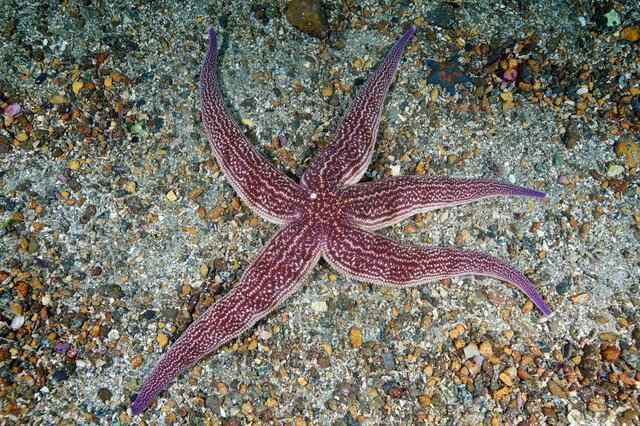
1. Starfish (3 meters/hour)
Starfish are among the most representative echinoderms, with extremely unique structural and physiological characteristics. Their bodies are flattened, mostly exhibiting pentaradial symmetry, with indistinct boundaries between the body disc and arms. When alive, the starfish's mouth faces downwards, its aboral face upwards, and its arms have ambulacral grooves on the ventral sides, from which extend numerous tube feet equipped with suckers. Starfish rely on these tube feet to move and capture prey. However, starfish move extremely slowly, averaging only a few centimeters per minute, equivalent to a few meters per hour.
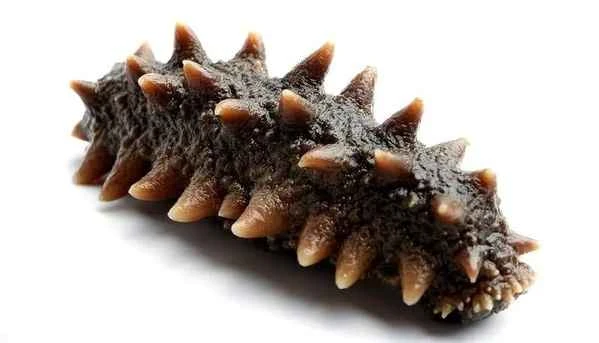
2. Sea cucumber (4 meters/hour)
Sea cucumbers are invertebrates whose shape, size, and form vary among species, resulting in diverse thicknesses and sizes. Internally, their skeletons are mostly underdeveloped, with numerous tiny calcareous bony plates embedded beneath the outer skin, visible only under a microscope. Sea cucumbers move by contracting and relaxing their muscles, at a speed of approximately 4 meters per hour.
3. Snail (8.5 meters/hour)
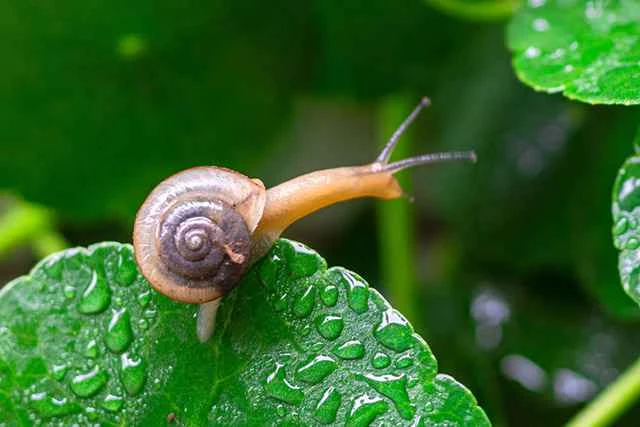
Snails refer to all species of terrestrial gastropods, including many different families and genera. They mainly live on tropical islands, but some are also adapted to cold environments. Snails are one of the most common terrestrial mollusks and have high edible and medicinal value. Snails have lived on Earth since ancient times. Snails crawl slowly; even at full speed, their maximum speed is only 8.5 meters per hour.
4. Seahorse (144 m/h)
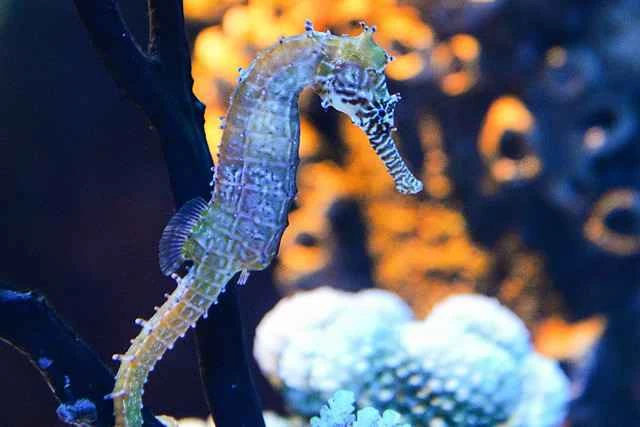
Seahorses are a collective term for several small, warm-water fish belonging to the family Syngnathidae in the order Syngnathiformes. They range in length from about 5 to 30 centimeters and are named for their heads, which are curved at nearly a right angle to their bodies. These small marine animals have a graceful swimming posture, swimming vertically in the water and relying on the high-frequency, undulating movements of their dorsal and pectoral fins for slow, controlled movement. Their maximum swimming speed is only 144 meters per hour. Despite their slow speed, seahorses demonstrate a highly efficient ability to capture copepods that are trying to escape or hide.
5. Three-toed sloth (162 m/h)
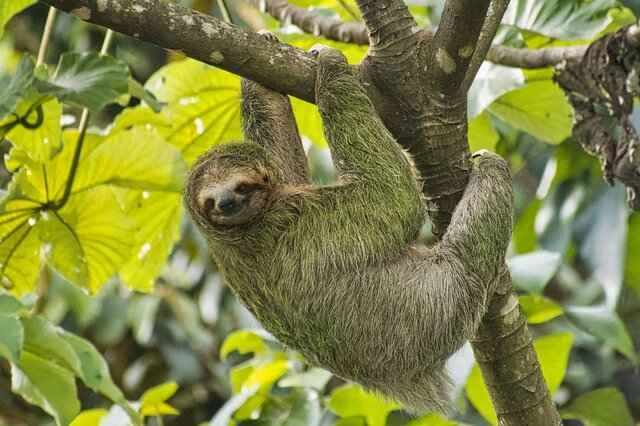
The three-toed sloth is a mammal belonging to the family Slothidae and the genus Sloth. They have small, round heads, are about 50-60 centimeters long, and are covered in coarse, bristly hairs. Their fur is originally grayish-brown but later turns green. Three-toed sloths live their entire lives in trees and cannot stand or walk on the ground. Their average moving speed is about 162 meters per hour, and they often remain motionless for hours, making them difficult to spot. They sleep for more than 15 hours a day and are one of the slowest-moving animals in the world.
6. Galapagos tortoise (300 meters/hour)
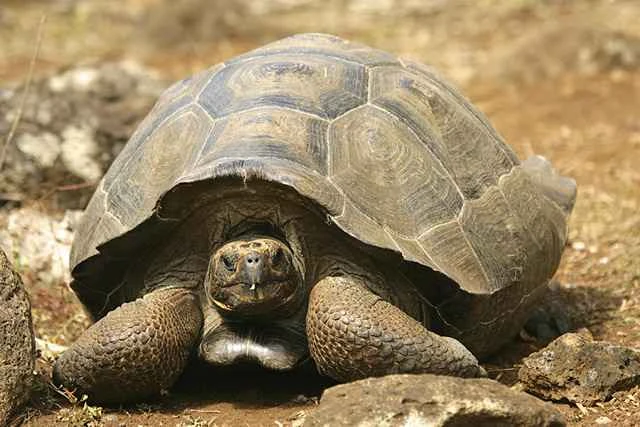
The Galapagos tortoise is the largest land tortoise, with nine different species. As they are ectothermic (cold-blooded) animals, they need to absorb heat from the sun after dawn. They bask in the sun for 1-2 hours daily and spend 8-9 hours foraging. Most Galapagos tortoises are active and walking in the early morning and rest in the evening. Observations have shown that this species can walk at a speed of 300 meters per hour.
7. Slug (320 m/h)
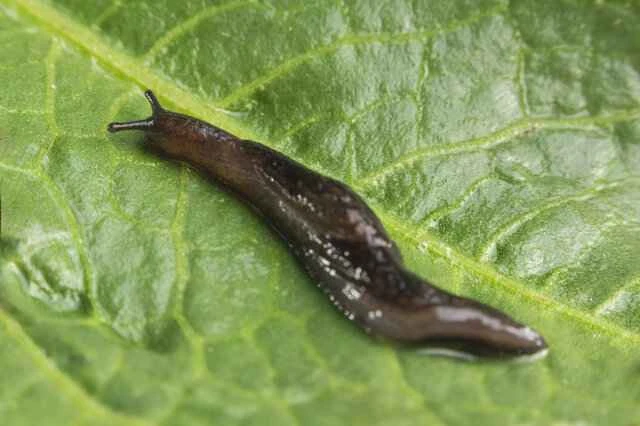
Slugs are a general term for animals belonging to the family Slugidae in the order Stylomata of the class Gastropoda. They are also known as slugs or slugs in some parts of southern China. They are mollusks, belonging to the order Pulmonae, like some snails. Slugs usually do not have shells and are slow-moving animals, with a movement speed not exceeding 320 meters per hour.
8. Slow Loris
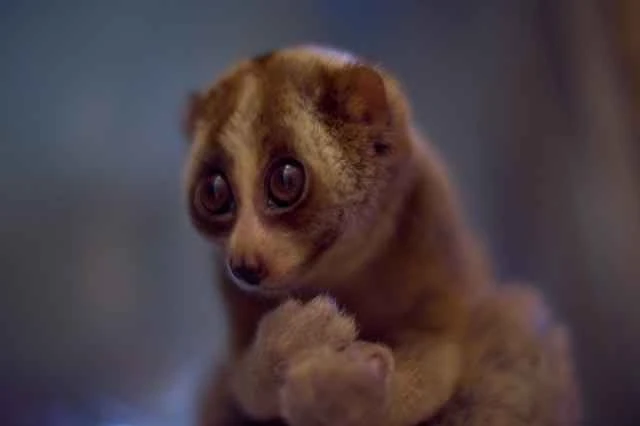
Slow lorises are a species of monkey belonging to the genus *Slow Loris* in the order Primates, with nine subspecies. They are about 28 to 38 centimeters long, small in size, and slow-moving. Slow lorises mainly inhabit tropical rainforests and subtropical monsoon forests, living entirely in trees. These monkeys are photophobic and heat-sensitive, and during the day they usually find a tree hole or trunk and sleep soundly with their heads covered. Even the cries of birds and the roars of animals are difficult to wake them. Due to their slow movement, slow lorises almost never quicken their pace unless attacked, hence the name "lazy monkey." Observations have shown that it takes a slow loris up to 12 seconds to move a single step.
9. Koala
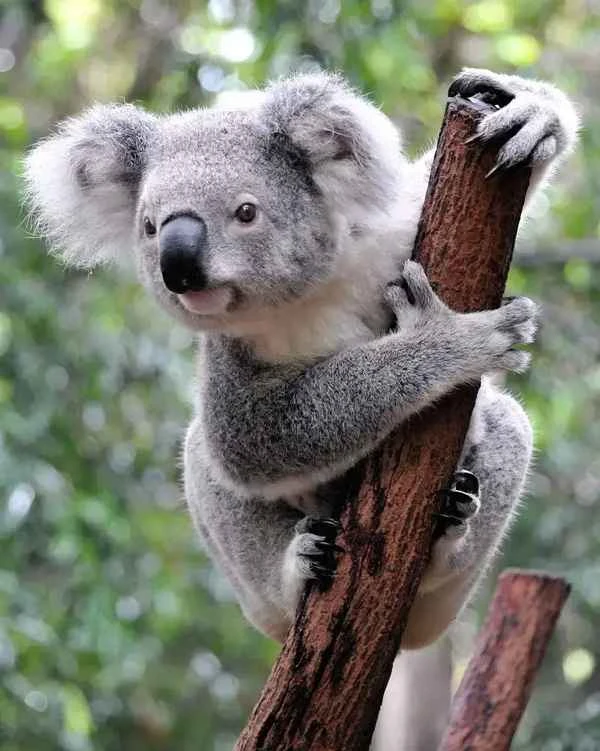
The koala is one of Australia's national treasures and a precious, native arboreal animal unique to Australia. Compared to bears, koalas are very different. They spend up to 18 hours a day sleeping, are gentle in nature, have a憨厚 (憨厚 is a Chinese idiom meaning a clumsy or endearing appearance), and react very slowly, seemingly with an exceptionally long reflex arc. Some people have tried to pinch a koala, but it takes a considerable amount of time for the koala to cry out in surprise.
10. Gila Poison Lizard
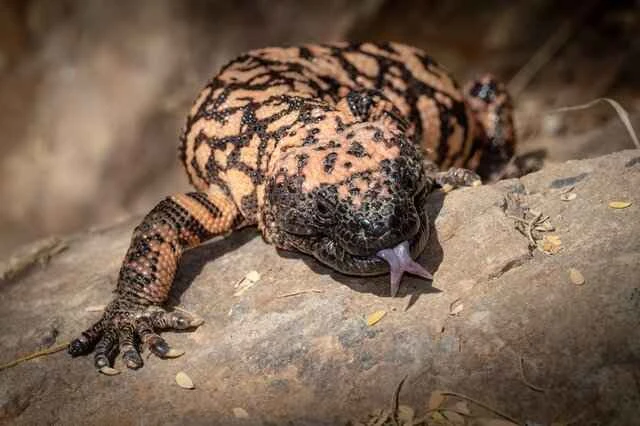
The Gila monster is one of the most well-known lizards in North America. It typically measures 38-58 cm in length, moves slowly, has a short tail, and its body is covered in small, non-overlapping scales, giving it a dark yet vibrant coloration. In the wild, Gila monsters often climb trees to prey on young birds or their eggs. Despite being a prominent lizard in North America, they have not been proven to pose a significant threat to humans in the southwestern United States. This is because they are incredibly slow-moving! Gila monsters consume up to one-third of their body weight in food daily and store fat in their bodies, thus they experience hunger slowly and rarely need to search for food.
The list of the world's ten slowest animals is based on their movements, speed, and other relevant information, and also references various online rankings. This list is for reference only and aims to help you understand the world's ten slowest animals. If you have any questions, please feel free to comment or offer corrections at the end.