Monkeys, belonging to the order Primates in the class Mammalia, are key members of tropical and subtropical forest ecosystems. However, due to human disturbances such as habitat loss, illegal hunting, and climate change, many monkey species are on the verge of extinction. This article details 25 endangered monkey species, revealing their habitats, population status, and the threats they face.
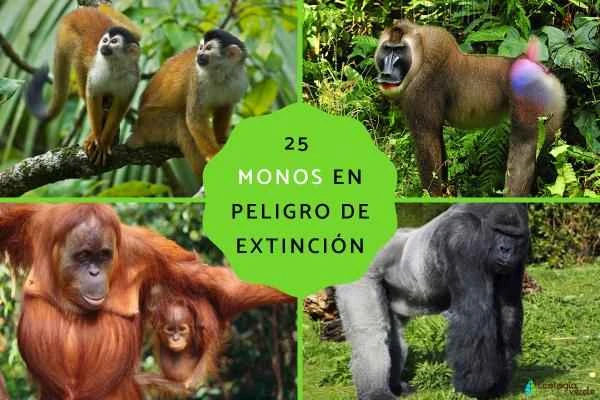
1. Western gorilla (Gorilla gorilla)
Western gorillas are found in the forests of west-central Africa and are divided into two subspecies: the lowland gorilla (G. g. gorilla) and the Cross River gorilla (G. g. diehli). They are severely threatened by poaching, the spread of Ebola virus, deforestation, and climate change, and are listed as "critically endangered" by the IUCN.
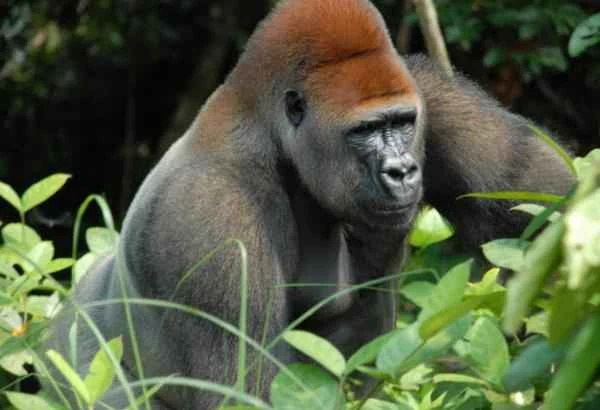
2. Silky Sifaka (Propithecus candidus)
This lemur species of primate is found only in the tropical rainforests of northeastern Madagascar and is known for its soft white fur. It feeds on leaves, seeds, and fruits and is threatened by deforestation and poaching, and is listed as "critically endangered."
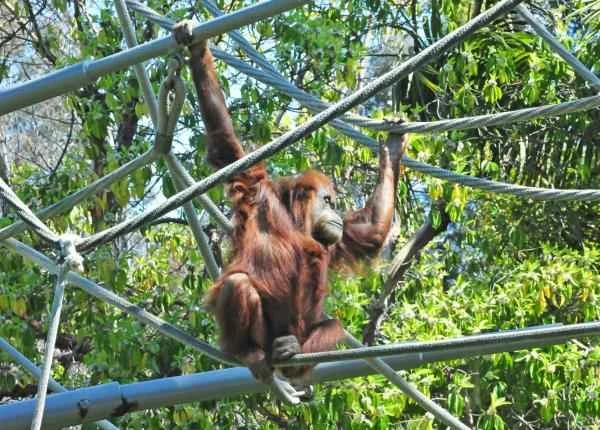
3. Sumatran orangutan (Pongo abelii)
Living only on the island of Sumatra in Indonesia, it is the smallest of the three orangutan species. Due to large-scale deforestation for agriculture and mining, coupled with poaching, its population has declined sharply.
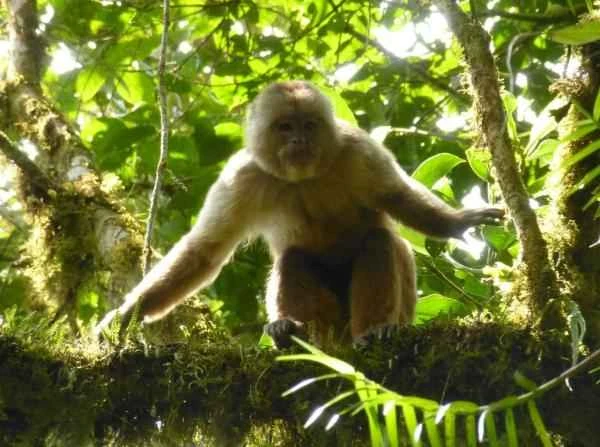
4. Ecuadorian capuchin monkey (Cebus aequatorialis)
This species is endemic to the coastal forests of western Ecuador and has lost more than 90% of its original habitat. It is also threatened by both the food and pet trade.
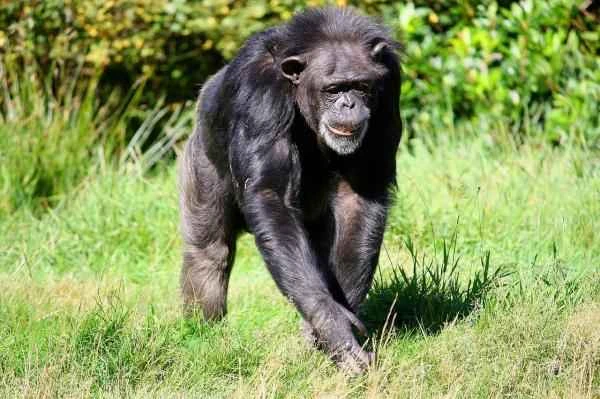
5. Chimpanzee (Pan troglodytes)
Widely distributed in West and Central Africa, its population has been declining in recent decades due to poaching, disease transmission (such as HIV and Ebola), and habitat destruction.
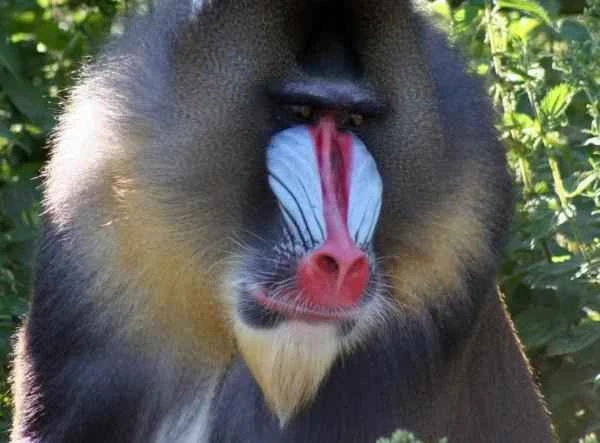
6. Derry monkey (Mandrillus leucophaeus)
It is distributed from eastern Nigeria to Bioko Island in Equatorial Guinea. Due to deforestation and illegal hunting, the population has declined by more than 50% in the last three generations.
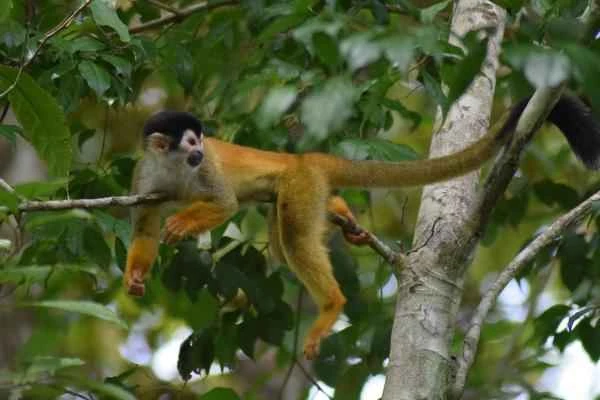
7. Central American squirrel monkey (Saimiri oerstedii)
Found in the Pacific coastal forests of Costa Rica and Panama, the squirrel monkey is one of the most endangered species. Its habitat has been severely damaged by agriculture and human development, and it also faces the risk of being hunted as a pet.
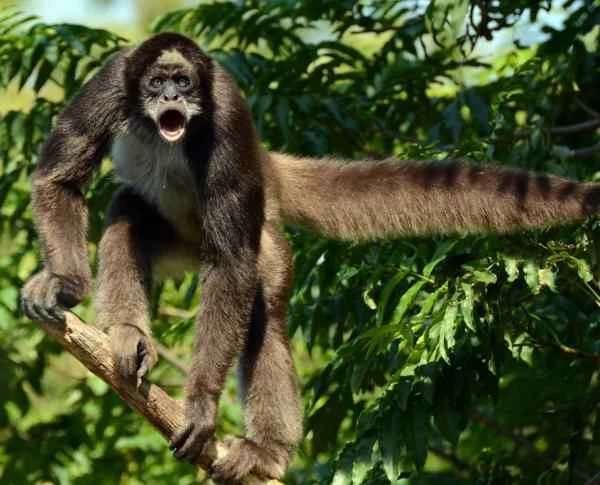
8. Brown spider monkey (Ateles hybridus)
Found only in Colombia and Venezuela, it is listed as "critically endangered." Its population decline is primarily due to deforestation, poaching, and the illegal pet trade.
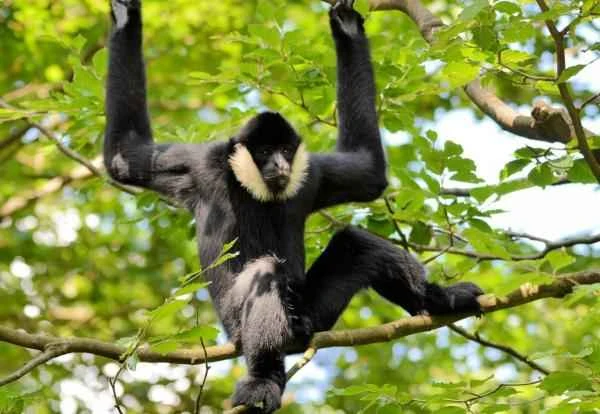
9. Black-crested gibbon (Nomascus concolor)
A species endemic to Southeast Asia, its population has declined by about 80% in 45 years due to logging and poaching.
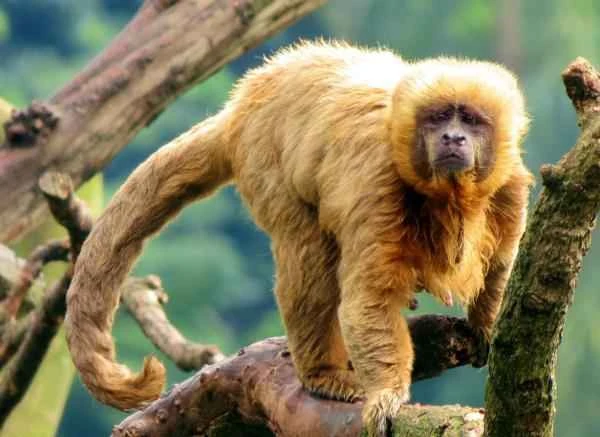
10. Golden capuchin monkey (Sapajus flavius)
Inhabiting the forests along the Atlantic coast of northeastern Brazil, its habitat is highly fragmented due to sugarcane cultivation and urban development, coupled with illegal hunting, and it is facing the risk of extinction.
Other endangered monkey species (15 in total):
| name | scientific name |
|---|---|
| Tana red colobus monkey | Piliocolobus rufomitratus |
| Eastern gorillas | Gorilla beringei |
| Northern Red Howler Monkey | Alouatta guariba guariba |
| Marmosetus majois | Callicebus oenanthe |
| Guatemalan black howler monkey | Alouatta pigra |
| Aurala monkey | Plecturocebus olallae |
| Oriental Black Crested Gibbon | Nomascus nasutus |
| Hainan Gibbon | Nomascus hainanus |
| Purple-faced langur | Semnopithecus vetulus |
| Yellow-tailed monkey | Oreonax flavicauda |
| Borneo orangutans | Pongo pygmaeus |
| Tapanuli orangutan | Pongo tapanuliensis |
| Maranhão Red-handed Howling Monkey | Alouatta ululata |
| Capoli capuchin monkey | Cebus kaapori |
| Yellow-breasted capuchin monkey | Sapajus xanthosternos |
Conclusion
Many primates are facing a survival crisis, a problem that reflects not only ecological issues but also human moral and environmental responsibility. Protecting these endangered monkeys requires global collaboration, including strengthening legal protections, combating poaching, restoring habitats, and promoting environmental education. You can contribute to protecting these precious species by supporting wildlife conservation organizations or spreading relevant knowledge.
References
International Union for Conservation of Nature (IUCN) Red List. Website: https://www.iucnredlist.org/es