Natural silk is an extremely precious material, highly favored in the textile industry for its smooth texture, flowing drape, unique luster, and excellent heat retention, moisture absorption, and hypoallergenic properties.
Whenever we see celebrities wearing silk garments at fashion shows or on the red carpet, we are always captivated by their luxury and elegance, and tempted to buy them. But is silk truly the most perfect fabric? Are there better, more ethical alternatives? This article will take you to know the animals that produce silk, delve into the origins of silk, and prompt you to think about the ethical issues behind silk.
What is silk? Where does it come from?
Silk is a natural animal fiber primarily used to make threads and fabrics. This fabric is renowned for its luster, lightness, softness, and breathability, making it a top choice for high-end garment manufacturing.
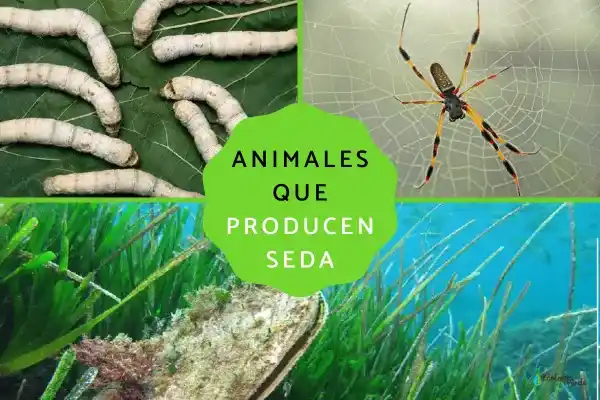
Most silk comes from the silkworm (Bombyx mori) , but other animals in nature, such as spiders, certain insects, and mollusks, also secrete silk, which is then exploited by humans.
Domestic silkworms: the main source of silk
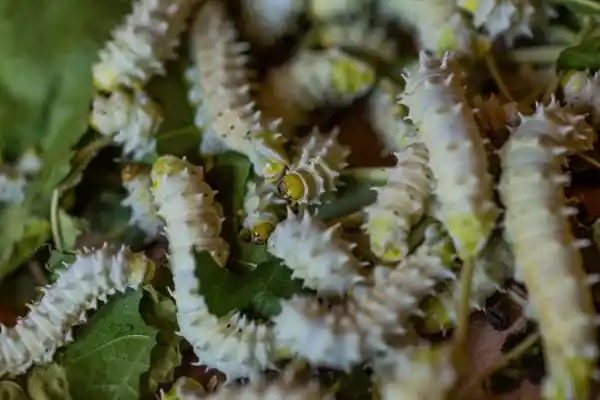
Domesticated silkworms are the most common source of silk. They are descended from wild silkworms (Bombyx mandarina) and primarily feed on white mulberry leaves. Through long-term artificial breeding, these silkworms have lost their ability to fly. The entire life cycle is approximately six weeks, with the larvae growing from 2 millimeters at hatching to 8 centimeters before pupation.
Silkworms originated in Asia, and humans have used their silk for textiles since ancient times. Globally, silk production is practiced in everything from modern silkworm farms to small workshops that preserve traditional techniques.
Several points of contention regarding the process of obtaining silk:
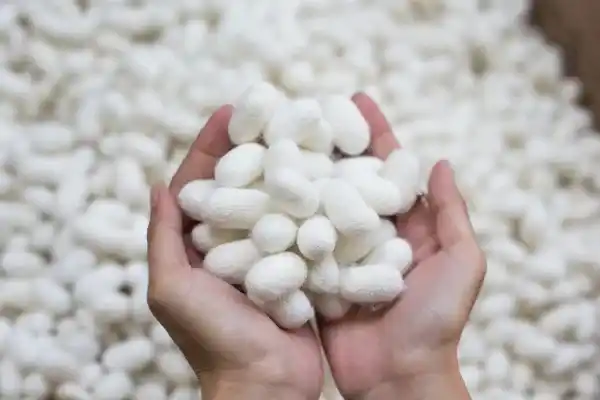
One silkworm cocoon can yield 300 to 1200 meters of silk thread, and it takes an average of about 1000 to 2000 silkworm cocoons to make one silk scarf.
To obtain high-quality silk thread, silkworms must be fed in an environment with strictly controlled temperature and humidity, and consume large amounts of mulberry leaves every day.
Before the silkworm cocoons are unwound, they must be cooked together with the silkworm inside to prevent the silkworm from breaking out of the cocoon and damaging the silk structure. This process has also sparked many animal ethics controversies.
Unspun silkworms can pupate and emerge as adults with a lifespan of only 5-15 days, laying 200-600 eggs in a short period before waiting for the next breeding cycle.
This is why silk is expensive, of superior quality, yet constantly controversial.
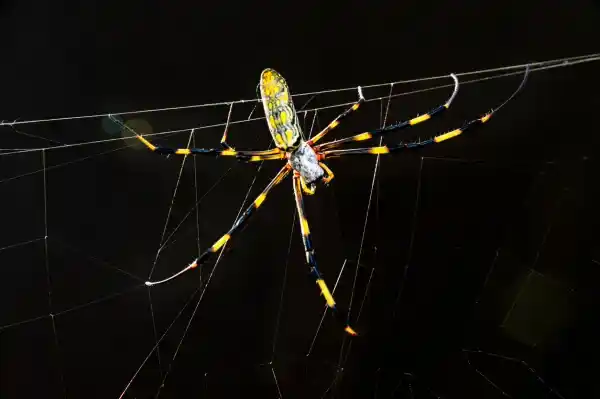
Silk-producing spiders: Golden silk spider
The golden silk spider (Nephila) is a species of spider found in the Americas, Asia, Africa, and Oceania, renowned for its golden silk . This silk naturally possesses a golden sheen, exceptional strength and elasticity, and is biodegradable , making it considered an ideal environmentally friendly material.
However, due to its extremely low yield and difficulty in collection, its commercial value is limited. Even so, some experimental projects attempt to extract spider silk to create high-end fabrics or medical sutures. The collection process typically does not harm the spiders, and they are released back into the wild afterward.
Silk-producing mollusks: the marine treasure "Maritime Silk"
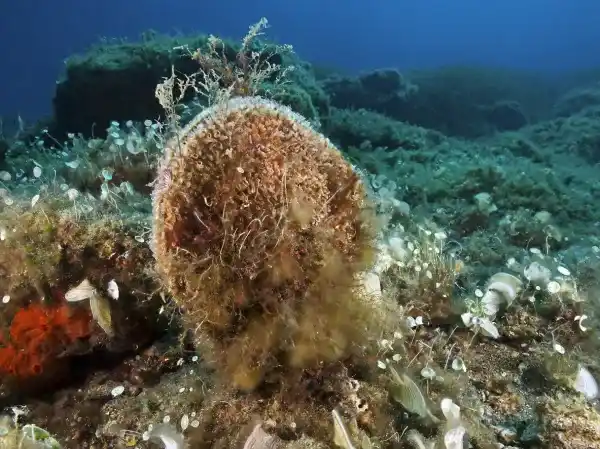
The sea scallop (Pinna nobilis) is a large bivalve mollusc endemic to the Mediterranean and is listed as a critically endangered species. Its byssus (spids) can be processed into "sea silk," also known as "mermaid silk" or "sea gold."
This fiber is delicate and lightweight, with a yellow or brown sheen, and is considered one of the rarest and most expensive textile materials in the world. Its production is extremely low, and its processing is extremely time-consuming and complex. Today, only a very few traditional artisans still master this endangered craft.
Materials that can replace silk
Animal-derived silk is clearly unsuitable for vegetarians or those concerned with animal welfare . Animal rights organizations point out serious animal cruelty issues in the traditional silk production process and advocate for the use of more humane alternative materials.
Recommended alternatives:
Ahimsa silk/Peace silk : Silk is made by collecting cocoons after the silkworms have naturally emerged from their cocoons, without killing the silkworms. The quality is slightly inferior to traditional silk, but it is more humane.
Lotus silk : a plant fiber extracted from the stem of the lotus flower, produced only on a small scale in Myanmar, Vietnam, and Cambodia. The process is complex and extremely expensive.
Rayon/Viscose : Made from plant cellulose, it has an appearance and feel similar to natural silk and is affordable.
Acetate : A synthetic fiber derived from cellulose, it has a silky luster and is another ideal alternative material.
Summary: The Beauty and Cost of Silk
While silk is beautiful and luxurious, its history isn't always so glamorous. Understanding the true origins of silk can help us make more empathetic consumer choices. Today, there are many high-quality fabrics available that retain the feel of silk without sacrificing animal lives. While pursuing beauty, let's also contribute to environmental protection and animal welfare.
Recommended reading:
Definition and Classification of Insects
Spiders and the Species and Characteristics of Arthropods
The Complete Guide to Mollusks: Common Species and Ecological Habits
If you would like to learn more about ecology, environmental protection, and the animal world, please visit our website's "Animal Encyclopedia" section for more exciting content.