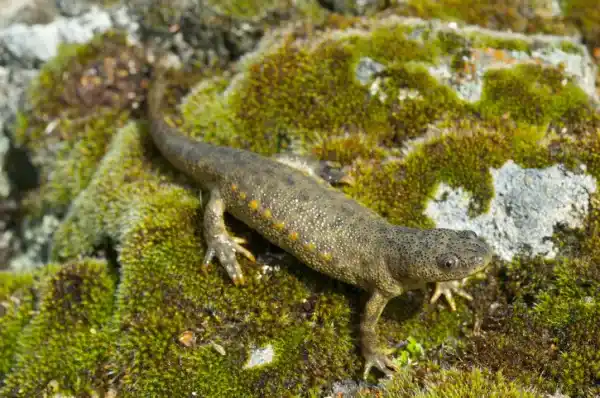
South America is the fourth largest continent in the world by land area, and it boasts a diverse array of animal species. Many animals inhabit different regions of South America, and after consulting various websites, we have compiled a list of the top ten representative animals of South America.
Top 10 representative animals of South America
1. Long-nosed raccoon
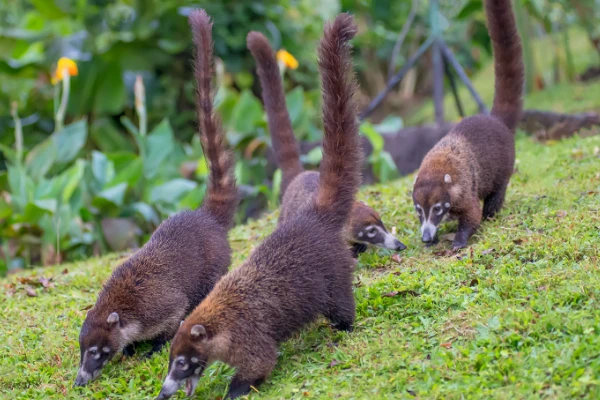
The long-nosed raccoon is 127 cm long and has a red or yellowish-brown body. It is an omnivorous animal that inhabits forests and bushes. It forages during the day and rests at night. Mating begins in autumn. Males only approach females during the breeding season and communicate through grunting or breathing. It has a relatively wide distribution.
2. Tapir
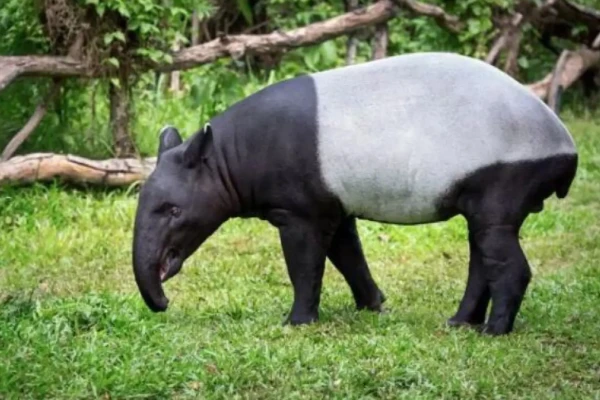
Tapirs typically have black or gray fur. They have thick tails, hoofed toes, and white-tipped ears. They are endangered animals and nocturnal. Tapirs have a lifespan of about 20 to 30 years. Their breeding season is not fixed. They spend most of their time underwater. They are about 1.8 meters long and weigh about 150 kilograms.
3. Caiman
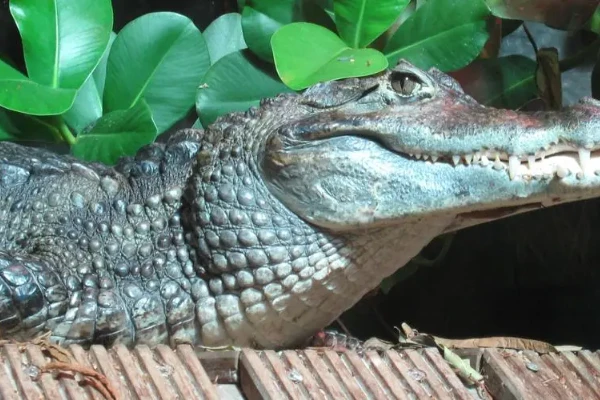
Caimans are a type of small to medium-sized crocodile. Adult caimans are between 1.5 and 2 meters in length. Caimans are one of the top predators in the Amazon River. They live on the edges of rivers and waterways and feed on invertebrates. Caimans' behavior changes depending on their food, season, and habitat. Hatchlings make a call when they hatch, and the hatching season is from October to December.
4. Llama

Llamas live in the wild at high altitudes. They are about 5.9 feet tall and can weigh up to 200 kilograms. They are intelligent, quick learners, curious, and sociable. They were first discovered in the wild in the Andes Mountains and many parts of the Americas. Llamas are a type of even-toed ungulate that live in the high-altitude Andes Mountains.
5. Andean condor
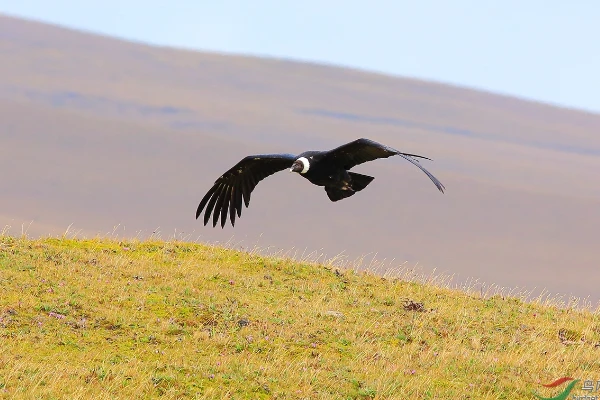
The Andean condor is mainly distributed on open grasslands at an altitude of about 5,000 meters. It is 100-130 centimeters long, with males weighing 11-15 kilograms and females weighing 8-11 kilograms. It mainly feeds on carrion, especially cattle and sheep carcasses. Its habitat is in Venezuela, Peru and Chile. It is said to be the largest flying bird in South America.
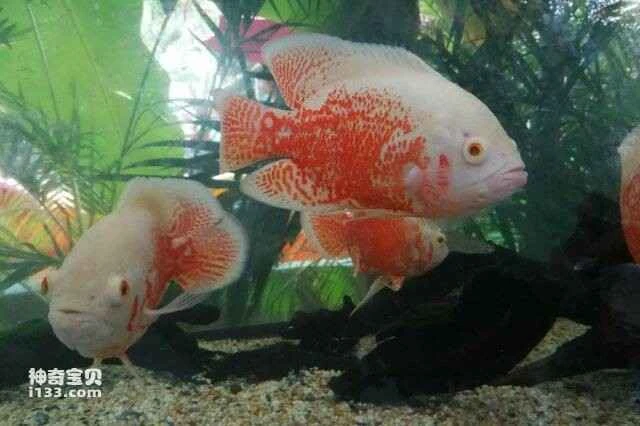
6. Piranha
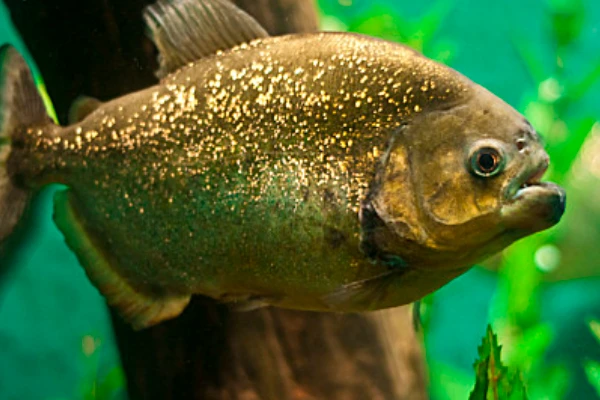
Piranhas are omnivorous fish that mainly live in freshwater rivers in South America. They can grow to 26 to 43 centimeters in length, have sharp teeth, and a well-developed, spine-like lower jaw. They are known for their ferocity. Although small in size, they are extremely fierce and brutal. They have highly developed hearing and are very intelligent. When hunting, they will first attack the tail and eyes of their prey. Some are solitary and some are in groups.
7. Southern Right Dolphin

Southern right dolphins have a wide back area, no dorsal fin, dark gray or black skin, and an arched mouth above their eyes. They inhabit temperate to sub-Antarctic waters in the Southern Hemisphere, are highly social, and have an average population of around 210 individuals. During the breeding season, they migrate to Brazil, Chile, Argentina, and other South African regions. Southern right dolphins are slightly larger than northern right dolphins.
8. Capybara
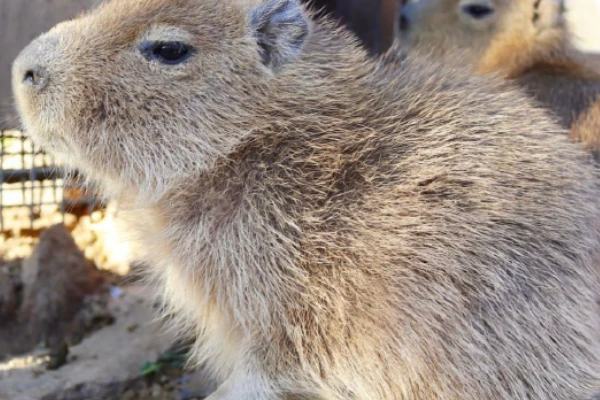
Capybaras are the world's largest rodents, found in the tropical savannas and dense forests of South America. These animals have reddish-brown fur, a distinctive scent, and communicate through grunting and whistling. They contain a large amount of fat and eat aquatic plants, reeds, tree bark, and other similar foods.
9. Water anaconda
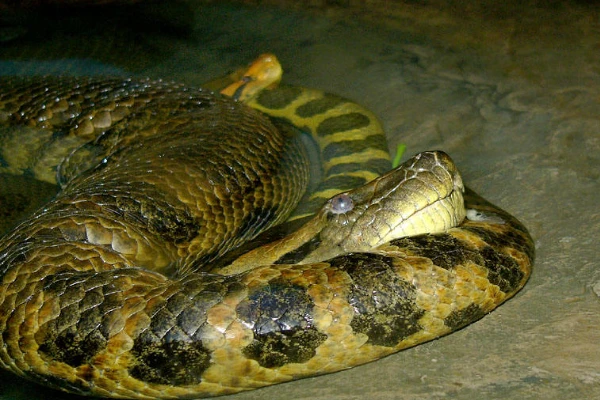
The anaconda is one of the largest living snakes. It lives in rivers and preys on turtles, mammals, and small reptiles. Anacondas are nocturnal reptiles that abstain from water for aestivation. They are green with black spots covering their surface and can reach an average length of 3 to 4.5 meters.
10. Galapagos Tortoise
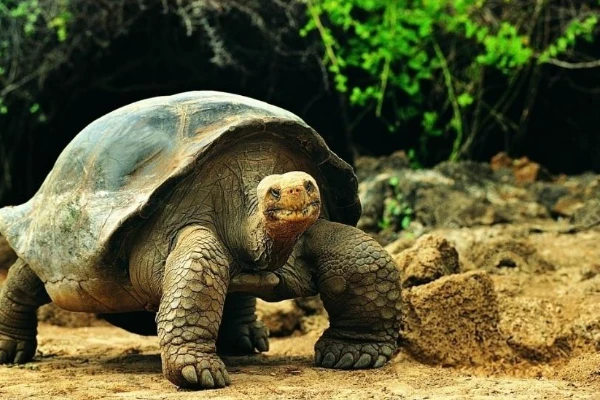
The Galapagos tortoise is the world's most beloved land tortoise. Adult Galapagos tortoises can reach 1.5 meters in length and weigh an average of 175 kilograms. They are considered to be among the rarest animals in the world. They mainly eat cacti, grass, leaves, moss, and berries. They forage during the day and can walk at a speed of 0.3 kilometers per hour. They also enjoy one to two hours of sunlight each day.