Mammals are a group of vertebrates with mammary glands that nurse their young to provide nutrition. Characteristics of mammals include hair, three types of auditory organs, a single bone in the lower jaw (unlike other vertebrates which have multiple bones), and a constant body temperature. Mammals are divided into many different subclasses, including marsupials, carnivores, dolphins and whales, primates, and more. They play important roles in ecosystems, such as controlling population size and maintaining ecological balance. This article will list the ten most remarkable mammals in the world. Which ones do you know?
The class Mammalia encompasses a wide variety of mammals. The exact number of species within Mammalia may vary slightly depending on different classification methods and scholarly opinions, but it is generally considered to be between 5,500 and 6,000. my country is a country rich in mammal resources, boasting a vast territory and diverse topography, resulting in a large number of different mammal species. According to the *Fauna Sinica*, there are approximately 540 mammal species in my country, including well-known species such as the Asiatic black bear, Siberian tiger, South China tiger, golden monkey, giant panda, and red fox. Due to human activities and other factors, the populations of some species are gradually declining, necessitating focused conservation efforts.
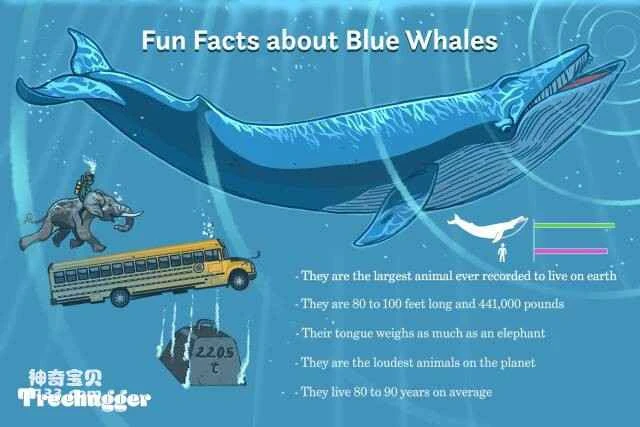
1. The world's largest aquatic mammal (blue whale)
The largest aquatic mammals are whales, with the blue whale being the largest species. Blue whales are enormous creatures that inhabit the world's oceans, reaching lengths of over 30 meters and weighing up to 173 tons. They are the largest and heaviest animals known to date, even larger than dinosaurs. Besides the blue whale, other whales are also very large, such as humpback whales, sperm whales, and killer whales. These giant aquatic mammals feed on plankton, obtaining nutrients by filtering plankton from the water. Due to their massive size, they require large amounts of food to sustain life, thus playing a vital role in marine ecosystems.
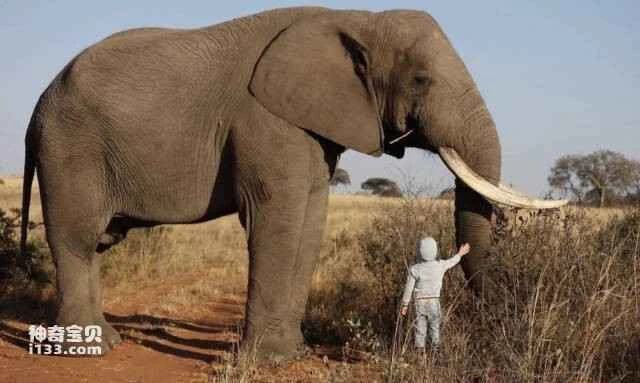
2. The world's largest land mammal (African elephant)
The largest land mammal in the world is the African elephant. Adult African elephants typically stand 3-4 meters tall and weigh 5-6 tons. Male African elephants can be larger and heavier. They are social animals and primarily inhabit a variety of habitats in Africa, including grasslands, forests, and deserts.
Besides African elephants, other large land mammals include giraffes, rhinoceroses, and buffalo. These animals are all herbivores and require large amounts of food to survive. Due to human hunting, habitat destruction, and other factors, the populations of many large land mammals are rapidly declining, necessitating measures to protect them.
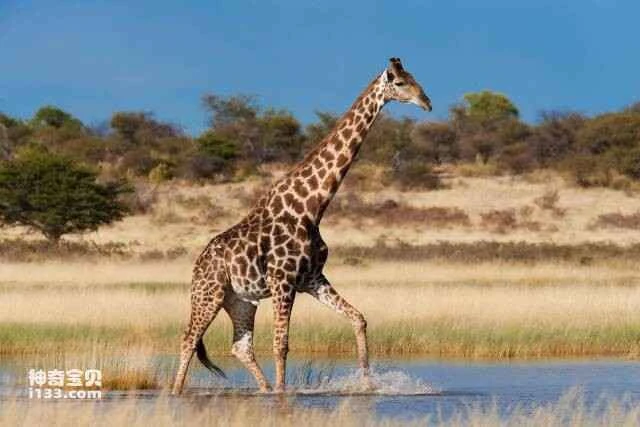
3. The tallest mammal in the world (giraffe)
The tallest mammal in the world is the giraffe. Adult giraffes can reach a height of 5.5 meters, with most of that length coming from their long necks. Giraffes live in the dry and open areas of Africa and feed on leaves and twigs.
Giraffes have incredibly long necks, sometimes even longer than their bodies. This allows them to reach leaves and twigs inaccessible to other animals, thus avoiding competition between different species. Furthermore, giraffes use their necks for adornment; male giraffes will use their heads and necks to fight and threaten each other, displaying their dominance.
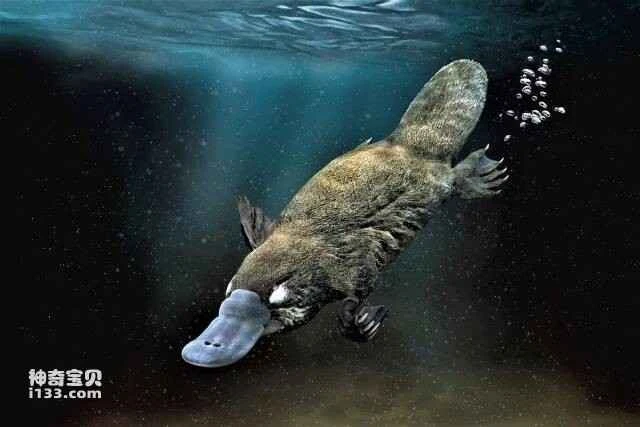
4. The most primitive mammal in the world (platypus)
The most primitive mammals in the world are monotremata, also known as oviparous mammals. Monotremata are a group of mammals that have mammary glands and secrete milk to feed their young, but unlike other mammals, they do not have a placenta to nourish the fetus; instead, they reproduce by laying eggs.
Monotremes include several species such as the platypus, tree-piercing beast, and echidna, which inhabit regions like Australia and New Guinea. They possess some characteristics of primitive mammals, such as an egg-laying reproductive pattern, the absence of true teeth in the form of keratinous plates, and the fusion of excretion and reproduction into a single organ. Compared to other mammals, monotremes are fewer in number and have been affected by factors such as habitat destruction, environmental change, and human activities. However, due to their important position in the evolutionary history of mammals, they continue to attract widespread attention from scientists.
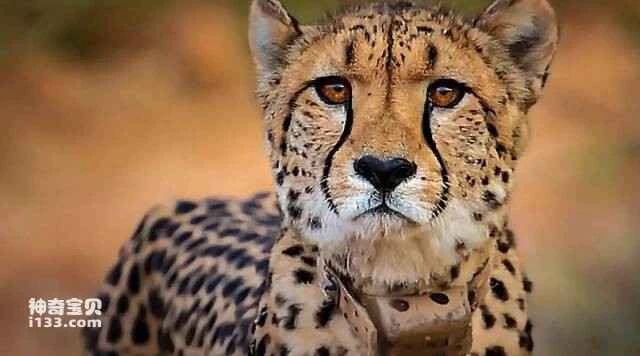
5. The fastest mammal in the world (cheetah)
The fastest mammal in the world is the cheetah. Cheetahs are large carnivores that live in regions such as Africa and Iran, and they can reach speeds exceeding 110 kilometers per hour. This makes them the fastest land mammals, even faster than many small cars. Cheetahs typically use high-speed running to hunt prey, and their body structure is perfectly adapted for running.
Cheetahs possess long, slender bodies, powerful hind legs, and agile physiques, characteristics that enable them to accelerate rapidly and maintain exceptional speed in short bursts. Furthermore, their eyes are highly specialized, boasting excellent vision and dark spots that help reduce dizziness and enhance visual stability when hunting prey. However, due to habitat destruction, human activities, and other factors, cheetah numbers are declining, and they have been listed as an endangered species by the International Union for Conservation of Nature (IUCN), necessitating measures to protect them.
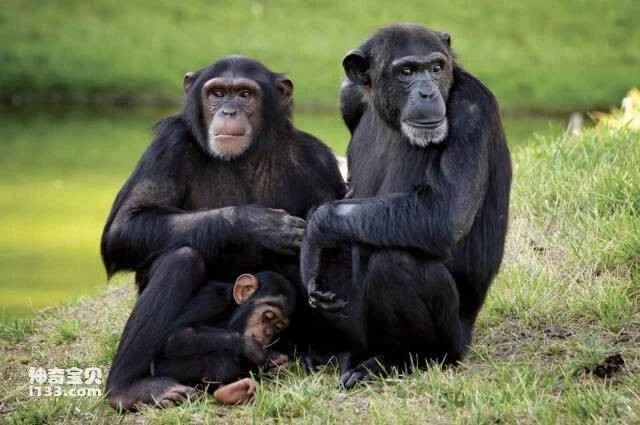
6. The most intelligent mammal in the world (chimpanzee)
Primates are the most intelligent mammals in the world, with some species considered more intelligent than others. Chimpanzees (Pan troglodytes) are the second most intelligent mammals known after humans, and are our close relatives. They typically live in the tropical rainforests of Africa, distributed across the Congo Basin and several West African countries. Chimpanzees primarily eat plants, but also consume insects, small mammals, and birds.
Chimpanzees are social animals, typically living in groups of 10 to 100 individuals, led by a leader (usually male). They possess highly developed intelligence and social skills, using tools to obtain food, defend themselves, or attack other animals. They also exhibit strong emotional and behavioral abilities, displaying remarkable creativity and adaptability, such as using leaves as rain gear and cooperating to hunt for food. However, chimpanzees currently face serious threats, including habitat destruction, deforestation, smuggling, and hunting. They are listed as an internationally endangered species, and measures are needed to protect their habitat and population size.
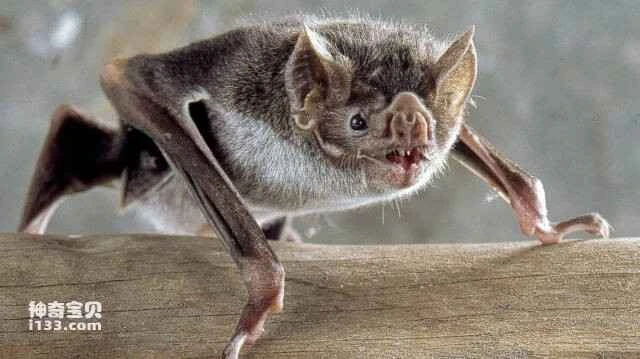
7. The world's smallest mammal (Papuan pygmy bat)
The world's smallest mammal is the bat, specifically a species called the Papuan pygmy bat (Craseonycteris thonglongyai) belonging to the order Chiroptera. Also known as the "vampire bat," it is a tiny mammal found only in Thailand and Myanmar. The Papuan pygmy bat is only 30-40 millimeters long and weighs less than two grams.
Besides the Papuan pygmy bat, other small mammals include pygmy rats, pygmy hippos, and pygmy gibbons. These animals typically live in tropical environments such as forests, swamps, and grasslands, and their small size allows them to adapt quickly and survive in these habitats. Despite their small size, these animals play an important role in the ecosystem and provide valuable information and insights for humankind.
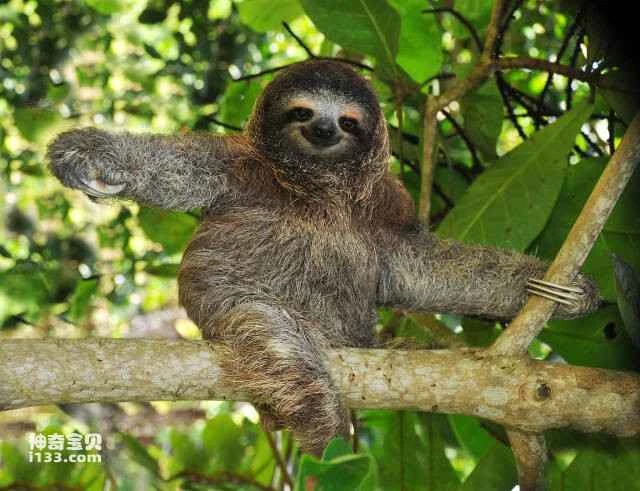
8. The slowest mammal in the world (sloth)
The slowest mammal in the world is the sloth. Sloths are mammals that live in the rainforests of Central and South America and are known for their slow movement. Sloths move extremely slowly, averaging only a few meters per hour.
Sloths typically live in trees and feed on leaves and buds. Their body structure is adapted to this arboreal lifestyle, with long, strong forearms and sharp claws that allow them to easily climb tree trunks and grasp leaves and other plants. However, they have a low metabolic rate, so sloths need to conserve energy and minimize movement to maintain their vital functions. Despite their slow movement, sloths are unique and fascinating, and these adorable animals have become a major attraction for local ecotourism. However, they also face challenges to their habitat due to factors such as deforestation and human activities.

9. The mammal with the strongest bite force in the world (African lion)
The mammal with the strongest bite force in the world is the African lion. The African lion is a large cat species that lives on the African continent and typically hunts for food.
The African lion's bite force is considered one of the strongest of all mammals, reaching approximately 600 pounds (about 272 kilograms). This allows them to easily crush hard bones and tendons, capturing and killing large prey such as buffalo, giraffes, and zebras. However, the number of African lions in the wild is declining year by year, affected by factors such as human activities, habitat destruction, and smuggling. Many institutions and organizations are working to protect African lions and their habitats, and raising public awareness to support these efforts.
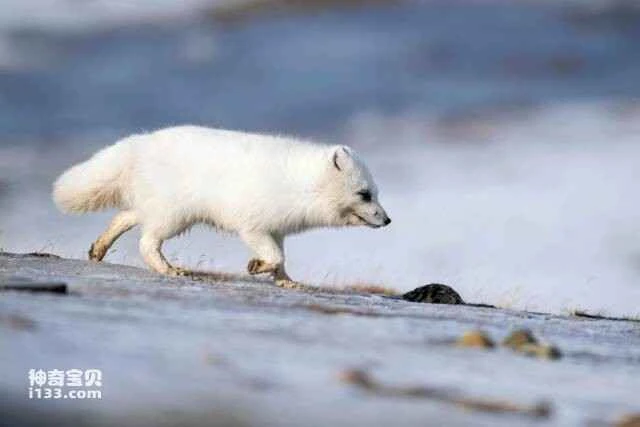
10. The mammal with the largest single litter size in the world (Arctic fox)
The mammal with the highest single litter size in the world is the Arctic fox. Arctic foxes are small foxes that live in the Arctic region. They typically begin mating in the spring and then give birth to a large number of cubs after the gestation period. It has been reported that Arctic foxes can give birth to 12 to 20 cubs in a single litter, the highest number of offspring born to any mammal. These cubs are very vulnerable at birth and require their mother's care and protection to survive and grow into healthy adult Arctic foxes.
Despite their large litters, Arctic foxes have a low survival rate due to numerous threats, including climate change, habitat destruction, pollution, and hunting. However, their unique and compelling breeding practices have made them a focal point for many wildlife enthusiasts and ecotourists.
This list of the world's top ten mammals is primarily based on the size, abilities, and other relevant information of each extant mammal, and also references other online ranking lists. This list is for reference only and aims to help you understand which mammals hold the world's most impressive records. If you have any questions, please feel free to comment at the end.