The Oase1 mandible, discovered in a cave in Romania in 2002, has a carbon-14 dated to approximately 37,000–42,000 years ago, making it the earliest known directly dated early modern human in Europe. Fu Qiaomei, one of the lead researchers, pointed out that through targeted large-area nuclear DNA enrichment experiments, they found that this approximately 40,000-year-old European modern human contained about 6-9% Neanderthal genes, exceeding the Neanderthal content (1-4%) found in any known early modern human genome or extant Eurasian human genome. An assessment of the length distribution of Neanderthal long segments in the Oase1 individual revealed the presence of Neanderthals in the 4th–6th generation ancestors of this individual; in other words, one of his great-great-great-grandparents was a Neanderthal. This gene exchange with Neanderthals dates back less than 200 years before the existence of this European individual, suggesting that gene exchange between modern human ancestors and Neanderthals may not have been limited to the Middle East, but likely also occurred in later Europe.
Relationships with modern human populations suggest that the group represented by this European individual, Oase1, is closer to Eurasian groups than to Africans, but not closer to any specific ancient Asian, European, or North Asian group. In other words, the group to which he belongs shares a common ancestor with Eurasia. To some extent, this European individual appears to have no direct descendants in Europe, likely because he was part of an early migration of modern Europeans who interacted closely with Neanderthals, but ultimately became extinct.
This is a research result that many geneticists did not expect. It can be said that being able to observe such a close connection between the genome of an early modern human individual and Neanderthal humans through ancient DNA is a stroke of good fortune for the scientific community, and it is this research that has given us a deeper understanding of the importance of ancient DNA in understanding the tree of human evolution.
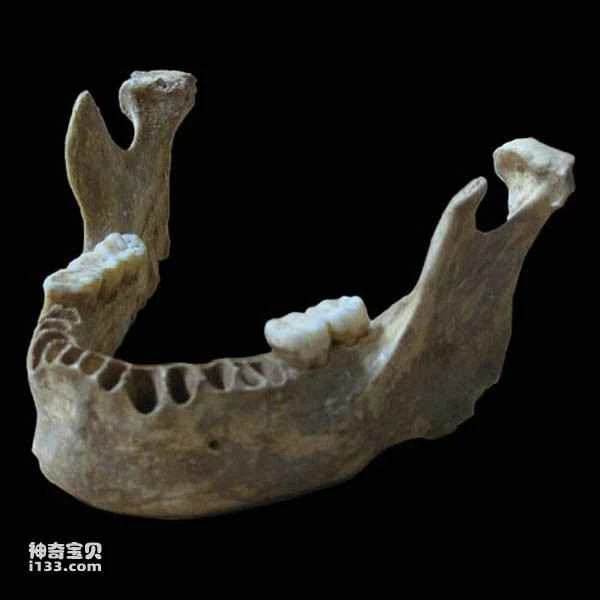
Figure 1 shows the mandible of Oase 1, an early modern human found in a cave in Romania. Carbon-14 dating has a corrected age of approximately 37,000–42,000 years ago, making it the earliest directly dated early modern human found in Europe to date.
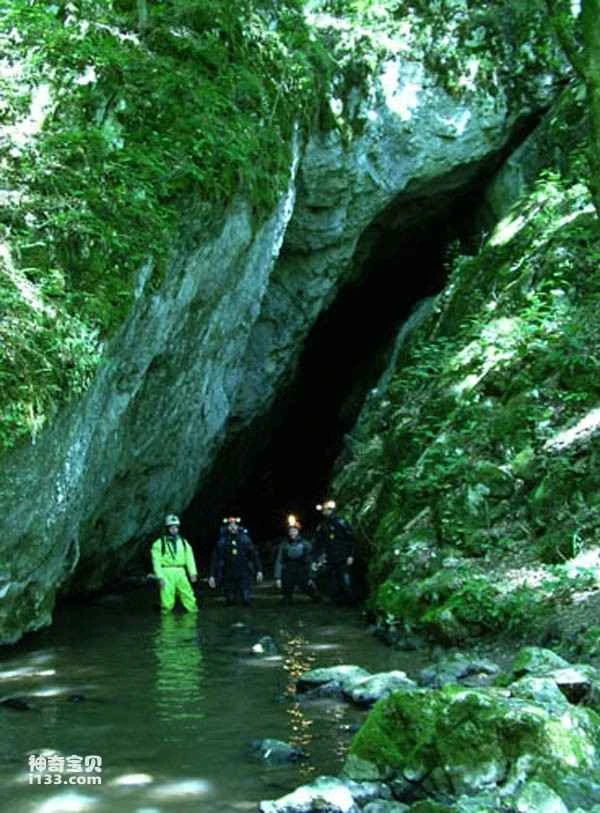
Figure 2 reveals a cavity in the Oase1 jawbone of modern humans.