There are a vast number of bird species in the world, estimated at around 10,000 different species, most of which inhabit tropical regions. my country boasts abundant bird resources, with over 1,300 species found within its borders, many of which are endemic to China. Bird colors are also incredibly diverse, with different species possessing a wide variety of plumage colors and patterns. So, do you know which birds in the world are blue? This article introduces ten blue birds: Hyacinth Macaw, White-browed Blue Flycatcher, Black-naped Royal Flycatcher, Blue-eared Starling, Copper-blue Flycatcher, Little Fairy Flycatcher, Purple Whistling Thrush, Blue Robin, Common Kingfisher, and Great Blue Turaco. Let's take a look!
1. Hyacinth Macaw (scientific name: Anodorhynchus hyacinthinus)
The hyacinth macaw is one of the largest parrots in the world and one of the largest and strongest birds in South America. They are about 100 cm long, with a wingspan of up to 1.5 meters, and typically weigh between 1.2 and 1.7 kg. The hyacinth macaw is a very beautiful bird, with plumage displaying a striking combination of deep blue, bright yellow, and black. Their large, thick, greyish-black beaks are capable of easily crushing hard nuts and seeds.
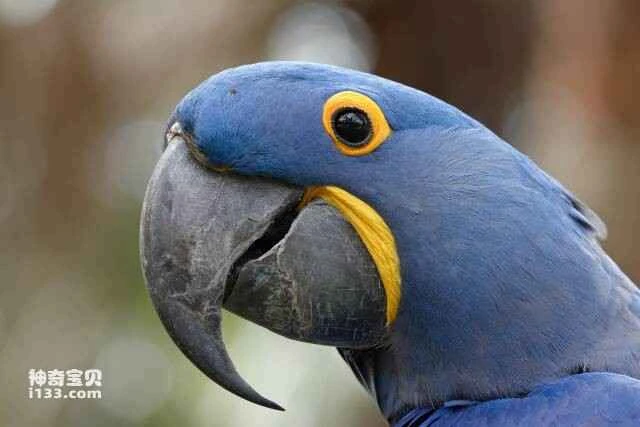
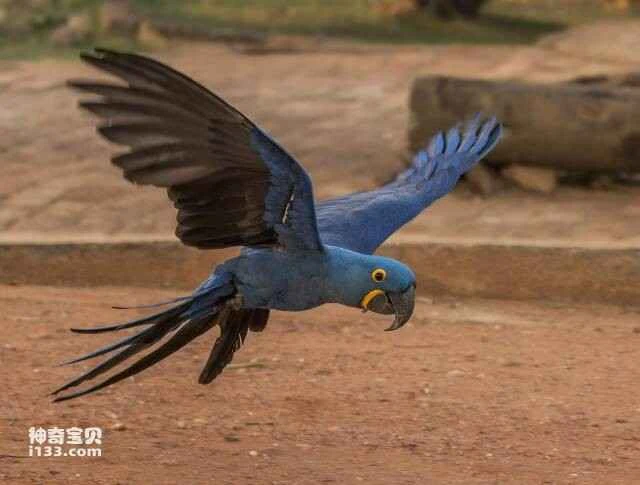
Blue macaws are found in the forests of South American countries such as Brazil, Bolivia, and Paraguay, living near tall trees and rivers. They primarily feed on nuts, fruits, seeds, and plant buds. Blue macaws are social animals, usually living in pairs or flocks, and communicating through a variety of calls. Due to their beautiful appearance and intelligent nature, blue macaws are among the most popular pets. However, due to habitat loss, smuggling, and hunting, blue macaws are facing endangerment and require protection and attention.
2. White-browed Blue Flycatcher (scientific name: *Ficedula superciliaris*)
The White-browed Blue Flycatcher, also known simply as the Blue Mountain Flycatcher, is a small passerine bird belonging to the family Muscicapidae. They are distributed in tropical and subtropical regions of Asia, including India, Nepal, Myanmar, Thailand, Laos, and Vietnam. The Blue Mountain Flycatcher is approximately 12-13 cm in length, with plumage primarily light blue or greyish-blue, and a white spot around its eye. Males are more brightly colored than females. They have a very long, straight beak, adapted for feeding on insects and other small arthropods.
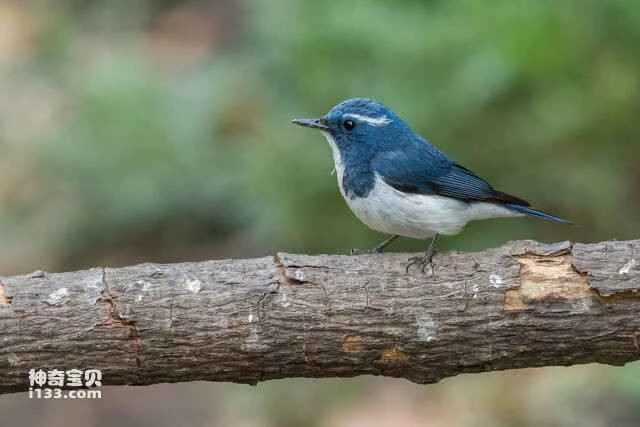
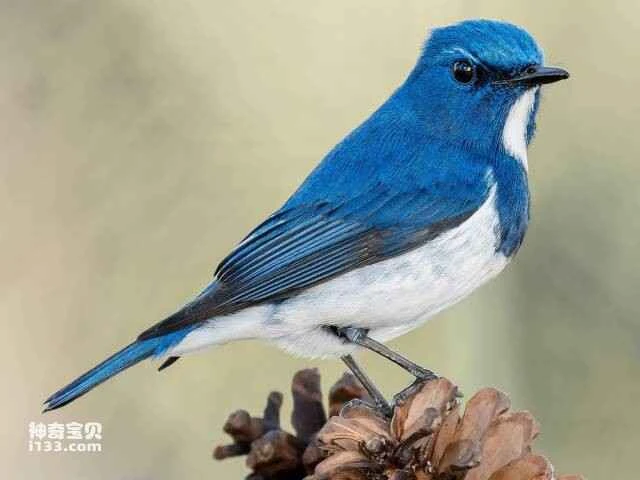
Blue Flycatchers typically inhabit high-altitude forests, often referred to as "cloud forests" because they are shrouded in mist. This environment, with its lower temperatures and higher humidity, is ideal for their survival and breeding. They usually build thatched nests and nest in tree branches. The Blue Flycatcher is a beautiful and mysterious bird, protected due to its remote location and small population. While playing a vital role in maintaining the balance of the ecosystem, this bird is threatened by human activities and habitat destruction.
3. Black-naped Royal Flycatcher (scientific name: Hypothymis azurea)
The Black-naped Flycatcher, also known as the Black-naped Monarch Flycatcher, is a small passerine bird belonging to the family Flycatcheridae. They are distributed throughout Southeast Asia, including India, Nepal, Bhutan, Sri Lanka, the Philippines, Malaysia, and Indonesia. The Black-naped Flycatcher is approximately 16 cm in length, with a black head and neck, a dark grey back and wings, and a white belly. They have a very long, curved beak, adapted for feeding on insects and other small invertebrates.
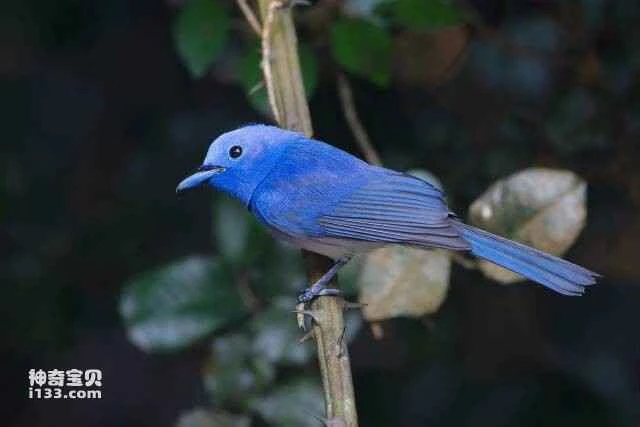
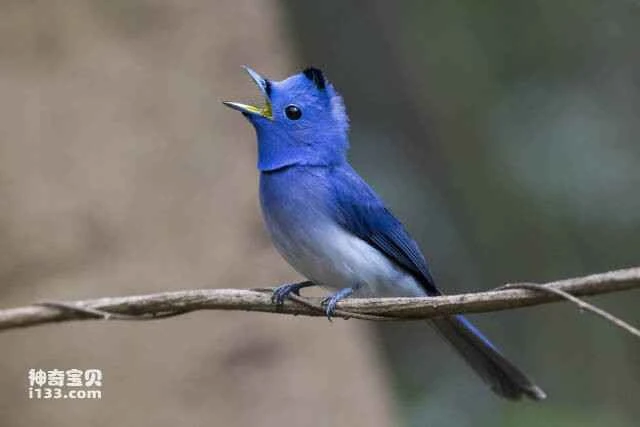
The Black-naped Flycatcher typically inhabits tropical and subtropical forests, preferring mountainous areas, rivers, and areas near villages. They enjoy hopping from tree to tree, catching insects, and emitting melodious calls. A beautiful and lively bird, the Black-naped Flycatcher is frequently observed and kept as a pet by bird enthusiasts. Although its population remains relatively stable, this bird species faces certain threats due to human activities and habitat destruction.
4. Blue-eared Starling (scientific name: Lamprotornis chalybaeus)
The Great Blue-eared Starling, also known as the Blue-eared Starling, is a beautiful bird belonging to the starling family. They are distributed across a wide area of sub-Saharan Africa, including Kenya, Tanzania, Zambia, Angola, and South Africa. The Great Blue-eared Starling is about 23 cm in length, with deep purple or black plumage, a green or blue head and neck, and a ring of pale blue feathers around its ears. Males and females look similar, but the males are more brightly colored.
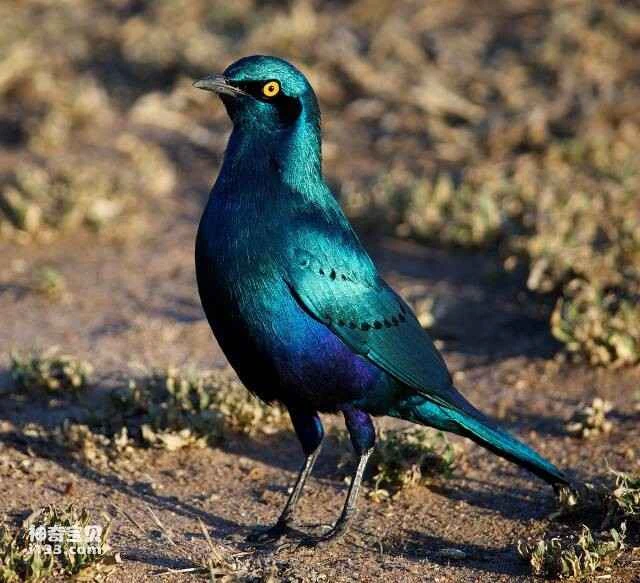
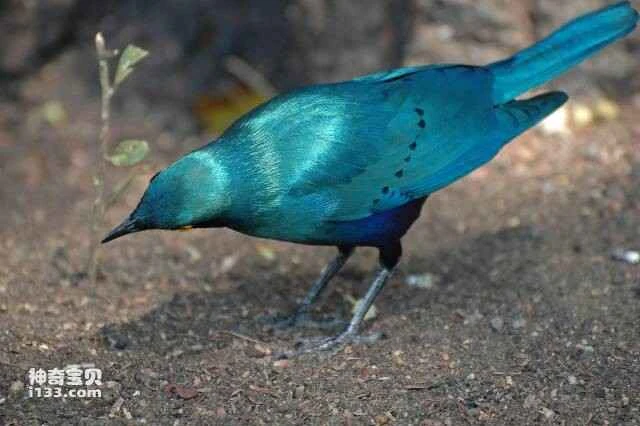
The Great Blue-eared Starling primarily inhabits dry, open areas such as grasslands, scrublands, mountains, and rural regions. They are diurnal birds, typically active during the day, and communicate through various calls. Great Blue-eared Starlings are social animals, often roosting and foraging in flocks. They mainly feed on fruits, seeds, and insects, having a certain impact on agricultural and horticultural crops. In Africa, they are frequently domesticated as pet birds due to their beautiful appearance and melodious calls.
Although the population of Great Blue-eared Starlings is currently stable, this bird species faces certain threats due to human development and habitat destruction, and therefore requires protection and attention.
5. Copper Blue Flycatcher (scientific name: Eumias thalassinus)
The Copper-Blue Flycatcher, also known as the Blue-Throated Flycatcher, is a small passerine bird belonging to the Muscicapidae family. They are distributed in tropical and subtropical regions of Asia, including India, Nepal, Myanmar, Thailand, Laos, and Vietnam. The Blue-Throated Flycatcher is about 13 cm long, with plumage primarily consisting of a combination of deep blue and yellowish-green, a silvery-grey head, and a bright blue throat. Males and females are very similar in appearance.
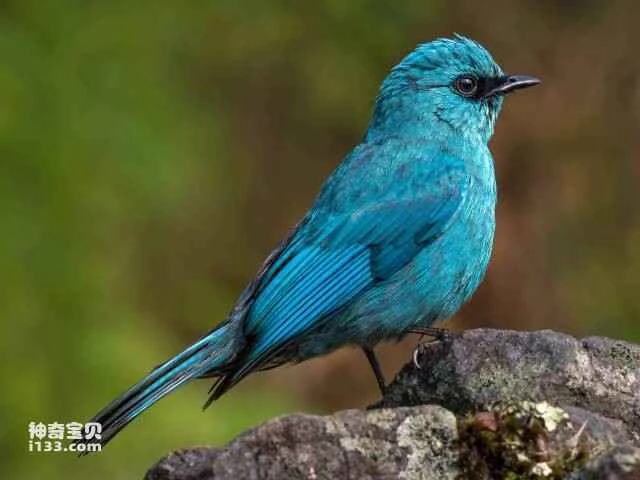
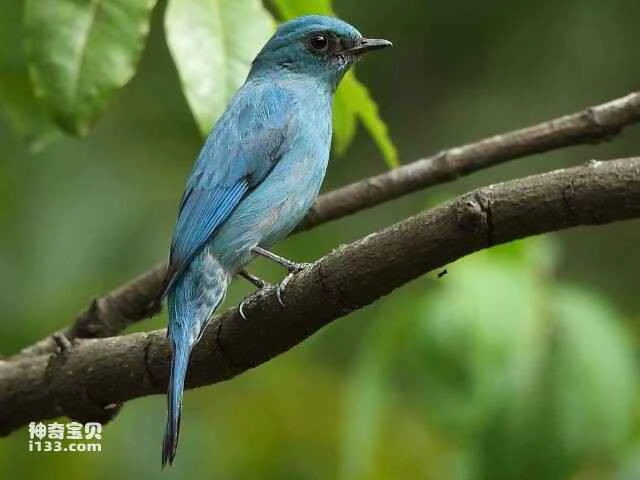
The Blue-throated Flycatcher typically inhabits mountainous forests, preferring damp environments such as near streams. They feed on insects, usually foraging on tree trunks, and use their melodious calls to attract mates or warn other birds. A beautiful and elegant bird, the Blue-throated Flycatcher is frequently observed and kept as a pet by bird enthusiasts. Although its population remains relatively stable, this bird faces certain threats due to human activities and habitat destruction.
6. Little Fairy Flycatcher (scientific name: Niltava macgrigoriae)
The Little Blue Flycatcher, also known as the Lesser Blue Flycatcher, is a small passerine bird belonging to the family Muscicapidae. They are distributed in tropical and subtropical regions of Asia, including India, Nepal, Myanmar, China, and Vietnam. The Little Blue Flycatcher is approximately 10-12 cm in length, with plumage primarily consisting of a combination of deep blue and black, a grey head, and a bright orange or red throat. Males are more brightly colored than females.
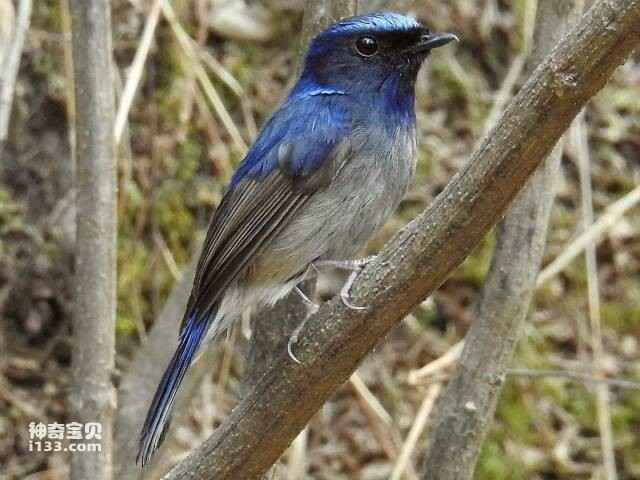
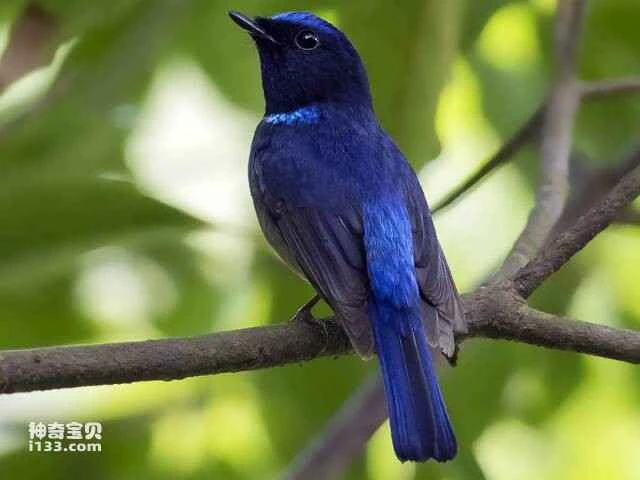
The Little Blue Flycatcher typically inhabits mountain forests, preferring high-altitude environments. They feed on insects, usually foraging on tree trunks, and communicate through various calls. A beautiful and mysterious bird, the Little Blue Flycatcher is frequently observed and kept as a pet by bird enthusiasts. Although its population is relatively stable, this bird species faces certain threats due to human activities and habitat destruction.
7. Purple Whistling Thrush (scientific name: Myophonus caeruleus)
The Purple Whistling Thrush, also known as the Blue Robin, is a medium-sized bird belonging to the thrush family (Thrushes). They are distributed in tropical and subtropical regions of Asia, including China, India, Nepal, Myanmar, Thailand, and Vietnam. The Blue Robin is about 25 cm long, with plumage that is primarily dark blue or greyish-blue, with a dark back and wings, and a white throat. Males and females look similar, but the males are more brightly colored.
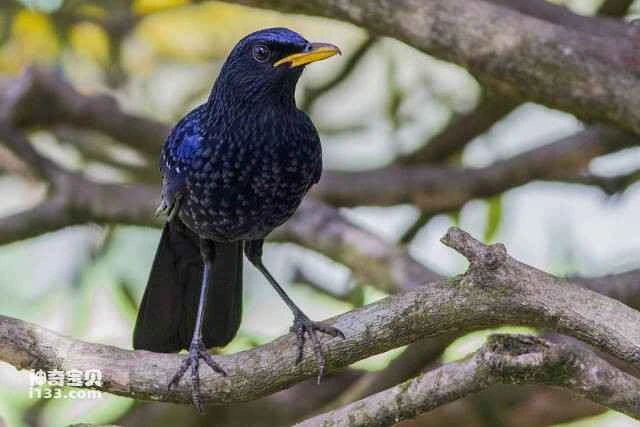
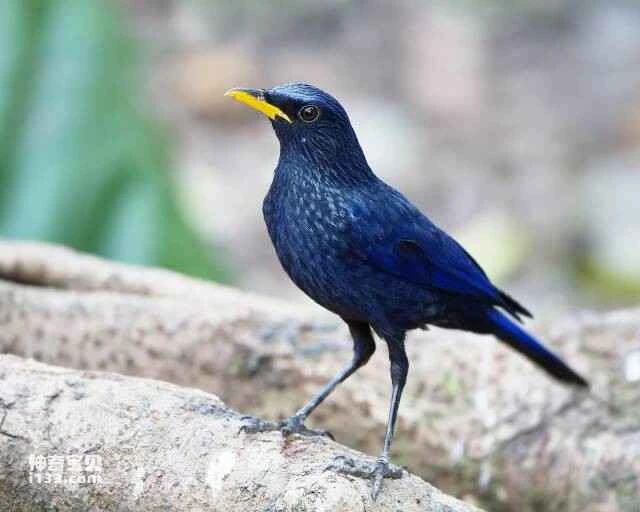
Blue robins typically inhabit mountainous forests, preferring to perch near rivers and waterfalls. They feed on insects, worms, shellfish, and small invertebrates, and use whistles and songs to attract mates or warn other birds. Blue robins are beautiful and elegant birds, frequently observed and kept as pets by bird enthusiasts. Due to their beautiful appearance and versatile talents, they have also become the subject of some cultural and legendary stories. Although their population is relatively stable, these birds face certain threats due to human activities and habitat destruction.
8. Blue Robin
The blue robin, also known as the bluebird, is a small passerine bird belonging to the thrush family. They are distributed throughout North America, including the United States, Canada, and Mexico. Bluebirds are approximately 16-20 cm in length, with plumage that is a bright combination of sky blue, reddish-brown, and white. Males and females are essentially identical in appearance, but the males are more brightly colored. There are three species of bluebirds in North America: the Eastern Bluebird, found in the eastern part of the Great Plains; the Western Bluebird, found in the western part of the Great Plains; and the Mountain Bluebird, found in the western mountains above 5,000 feet.
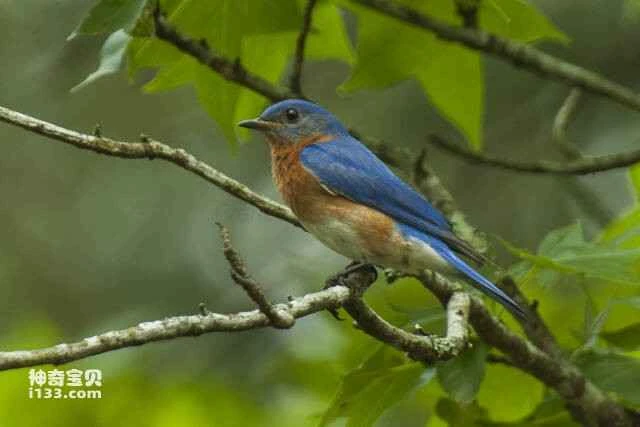
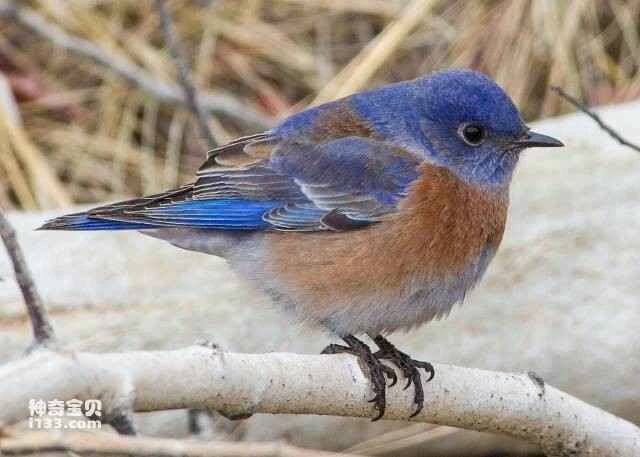
Bluebirds typically inhabit open grasslands, woodlands, and farmlands, preferring to live in trees or bushes. They feed on insects and other small invertebrates and use their soft, melodious songs to attract mates or warn other birds. Bluebirds are beautiful and popular birds, widely considered a symbol of happiness and hope in North America. They are frequently depicted in art and literature and are the state bird of many U.S. states. Although bluebird populations are relatively stable, they face threats due to human activities and habitat destruction. Therefore, various methods are employed in North America to protect and breed bluebirds.
9. Common Kingfisher (scientific name: Alcedo atthis)
The kingfisher is a small passerine bird belonging to the family Kingfisheridae. They are distributed across Europe, Asia, and North Africa. Kingfishers are about 16 cm long, with plumage featuring a bright combination of blue, orange, and white. Males and females look similar, but the male's bill is slightly longer and has some color difference. Kingfishers mainly live near bodies of water such as rivers, lakes, and coastal edges, feeding on fish and other small aquatic organisms. They are skilled hunters, swiftly swooping into the water to catch their prey. Kingfishers typically seek out a prominent branch or rock as a perch and foraging ground.
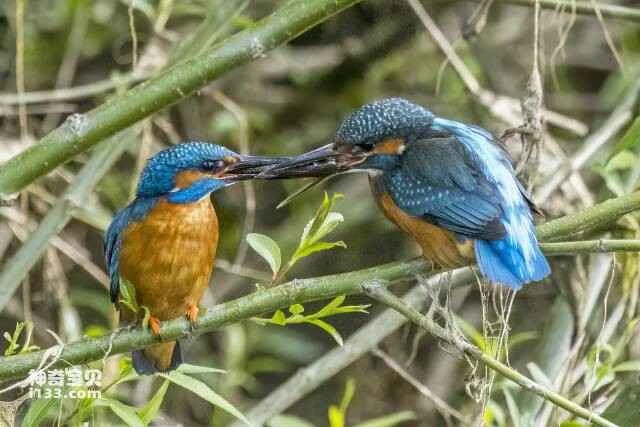
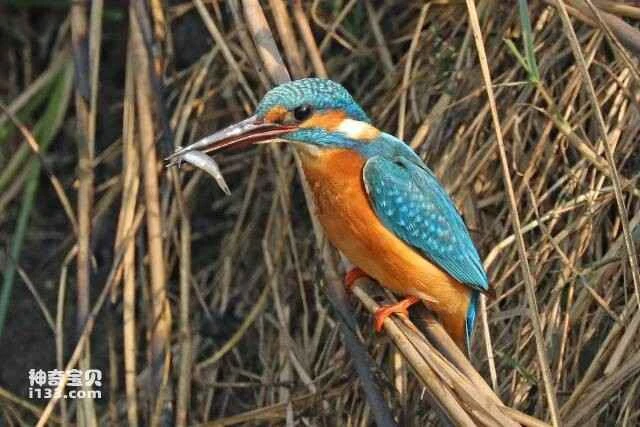
The kingfisher is a beautiful, elegant, and popular bird, frequently depicted in artwork and literature, and has become a symbol in many countries and regions. Although kingfisher populations are relatively stable, they still face threats due to human activities and habitat destruction. Therefore, in many countries and regions, people are taking various measures to protect and breed kingfishers.
10. Large Blue Turquoise (scientific name: Corythaeola cristata)
The Great Blue Trolltunga, also known as the Great Blue Thrush, is a relatively large bird belonging to the thrush family (Thrushes). They are distributed in West and Central Africa, including countries such as Cameroon, Ghana, Ivory Coast, Uganda, and Kenya. The Great Blue Thrush is about 70 cm in length, with plumage consisting of a combination of deep blue, green, and grey, and bright yellow cheeks and throat. It also has a distinctive white patch on its wing. Males and females look similar, but the male's crest is higher and more brightly colored.
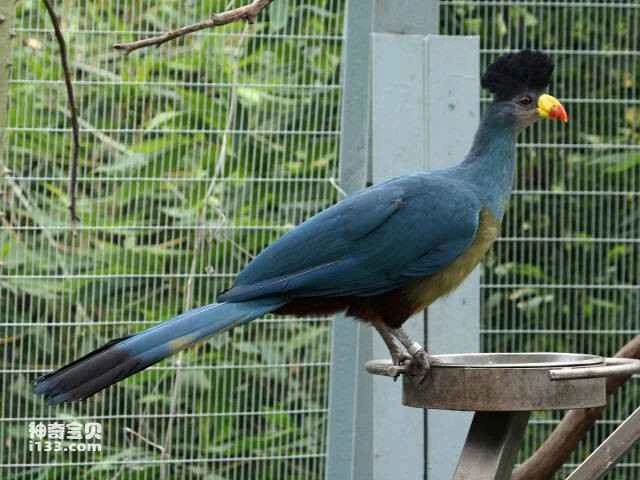
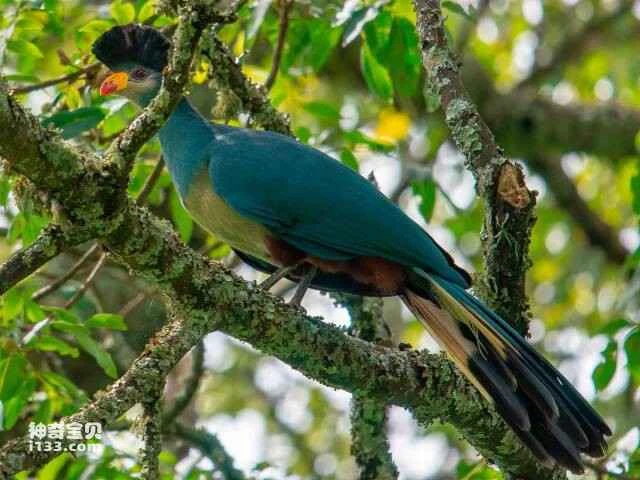
The Great Blue Thrush typically inhabits forests and jungles, preferring to live in the treetops or perch high in the trees. They feed on a variety of fruits, berries, nuts, and insects, and use loud calls to attract mates or warn other birds. The Great Blue Thrush is a beautiful and mysterious bird, often observed and kept as a pet by bird enthusiasts. They are also an important figure in the art and culture of many African cultures. Although the Great Blue Thrush's population is relatively stable, it faces certain threats due to human activities and habitat destruction.
Research basis: The list of ten blue birds is mainly compiled from relevant websites. The distribution of blue feathers of these birds was investigated through search engines and other websites, and then ranked and recommended. The list is for reference only. If you have any questions, please feel free to comment/criticize at the end.