Which animals prey on zebras in the savanna?
Zebras are iconic animals of the savanna, renowned for their distinctive black and white stripes. However, these stripes are not enough to deter their numerous predators. From powerful lions to cunning hyenas, many animals consider zebras ideal prey. Let's explore these zebra predators together, learn how they hunt, and understand the zebra's survival strategies in the savanna ecosystem.
Lion—King of Zebra Predators
When you think of zebra predators , lions are probably the first animal that comes to mind. As apex predators, lions typically hunt zebras in groups, known as prides. A single lion may struggle to catch a healthy adult zebra, but teamwork makes it much easier for them.
**Fun Fact:** Zebras are an important food source for lions, especially during the dry season when food is scarce.
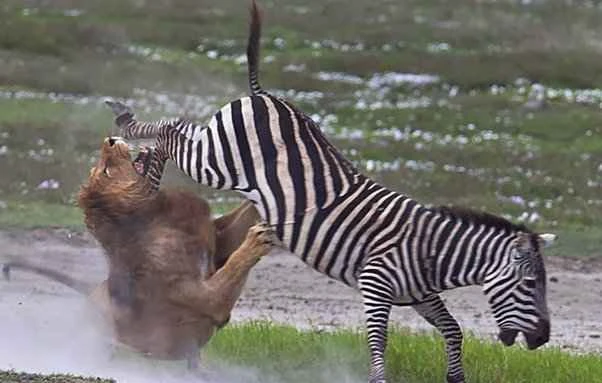
Lion hunting zebra
Hyenas—the cunning zebra hunters
Hyenas are another major threat to zebras. Known for their teamwork and endurance, hyenas often attack injured or young zebras.
Hyenas exhaust zebras through prolonged pursuit. Although not as strong as lions, their team tactics make them dangerous predators of zebras .
Cheetah – a predator that wins with speed
Cheetahs may not be the preferred predators for zebras, but they sometimes prey on young or smaller zebras.
Because cheetahs rely on speed rather than brute force, they typically target lone zebras. While not the strongest natural predator of zebras , their agility and speed make them a threat.
Leopard – An Opportunistic Hunter
Leopards are known for their stealth and versatility. While they primarily hunt smaller animals, they will not miss an opportunity to prey on young or injured zebras. These solitary hunters are skilled climbers and adept at ambushing their prey.
Although leopards are not the primary predators of zebras , they are agile enough to pose a threat when the circumstances are right.
Crocodiles – experts at ambushes near the water
Zebras need to drink water, and that's when crocodiles come into play. These powerful reptiles are masters of ambush, often lying in wait near water to attack zebras while they are drinking or crossing rivers.
Crocodiles are a rather unique type of natural enemy of zebras because they hunt in the water and pose a deadly threat to zebras when they are fetching water.
Wild dogs – relentless pack hunters
Although African wild dogs are smaller than lions or hyenas, they compensate for their size with perseverance. These pack hunters typically target young or weak zebras.
Wild dogs are efficient zebra predators ; they cooperate to isolate their prey and exhaust it through relentless pursuit.
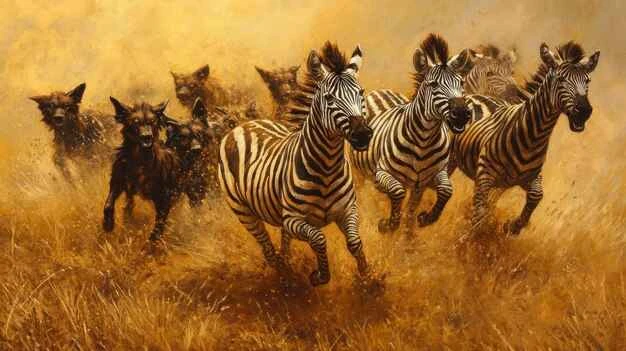
Wild dogs hunting zebras
Humans—Unexpected Zebra Predators
Humans are also a significant threat to zebras. In some areas, zebras are hunted for their meat and hides, or killed for competing with livestock for grazing land.
Although humans may not be considered natural enemies of zebras in the traditional sense, they pose a significant threat to zebra populations due to hunting and habitat destruction.
How zebras defend themselves from predators
Zebras are not without defenses! They have several strategies to avoid becoming prey:
Kick: Zebras can strike predators with powerful hind kicks, enough to cause serious injury or death.
Speed: Zebras can run at speeds of up to 40 miles per hour (about 64 kilometers per hour), which allows them to escape danger quickly.
Group behavior: Group living helps zebras increase their alertness because numbers bring strength.
Stripes: Their stripes can confuse predators during a chase, making it difficult for them to lock onto their target.
Nevertheless, zebra predators remain a persistent threat on the grasslands.
Below is a detailed table showing zebra predators , their hunting methods, and specific threats to zebras:
| predators | hunting methods | Threat Level | Preferred Target | Interesting facts |
|---|---|---|---|---|
| lion | Hunting in prides; using strength and strategy to subdue zebras. | high | Adult zebras, juvenile zebras, and weak zebras | Lions are among the most predatory predators of zebras on the savanna. |
| hyena | Hunting in packs; exhausting prey through endurance. | high | Injured or young zebras | Hyenas' powerful jaws can crush bones, allowing them to eat almost every part of their prey. |
| Cheetah | It uses high-speed sprints to catch prey that stray from the herd. | medium | Young zebras or smaller zebras | Cheetahs are the fastest land animals, but they lack endurance and therefore rely on fast, short chases. |
| leopard | To ambush hunters; to capture prey by means of concealment and surprise attack. | Low to medium | Young or injured zebras | Leopards are solitary hunters and usually drag their prey up trees to avoid it being stolen by other predators. |
| Crocodile | It lies in ambush near the water; it attacks with its powerful jaws. | High (waterside area) | Zebras drinking water or crossing the river. | Crocodiles can remain motionless for hours, launching a deadly attack when their prey is completely unprepared. |
| stray dogs | A pack of hunters who use teamwork and endurance to pursue their prey. | medium | Young or weak zebras | Wild dogs have a very high hunting success rate compared to most predators. |
| Humans | Zebras are hunted for their meat, fur, or to protect farmland. | variable | All zebras (depending on the situation) | Humans also indirectly threaten zebras through habitat destruction and competition with livestock for resources. |
| Birds of prey | They use sharp claws and keen eyesight to hunt young prey. | Low | Young zebra (zebra foal) | Eagles occasionally prey on zebra calves, especially when they are unprotected. |
| Snakes (such as pythons) | It entangles its prey with its body before swallowing it. | Low | Young or smaller zebras | While large pythons rarely prey on zebras, they can sometimes pose a threat to young individuals. |
Zebra Defense Mechanism Table
| Defense mechanism | describe | Validity | Interesting facts |
|---|---|---|---|
| kick | It uses its powerful hind legs to kick predators, causing serious injury. | high | A zebra's kick can break a lion's jaw or even kill a smaller predator. |
| Running speed | They can reach speeds of up to 40 miles per hour (about 64 kilometers per hour) to escape predators. | high | Zebras use a zigzag dodge maneuver when running to confuse predators. |
| group behavior | By living in groups for protection, predators find it difficult to isolate their targets. | high | The tight organization of zebra herds can significantly reduce the risk of individual predation. |
| stripe | Create visual chaos during the chase. | medium | Each zebra's stripe pattern is unique and can also serve as camouflage in tall grass. |
This tabular format makes it easier for readers to understand the dynamics between zebras and predators, while highlighting the defensive strategies zebras employ to survive on the grasslands.
Conclusion: Understanding Zebra Predators and Survival Strategies
From lions to crocodiles, zebras have a long and diverse list of natural enemies . These predators play a vital role in maintaining the balance of the savanna ecosystem. At the same time, zebras have evolved amazing defense strategies to adapt to this environment.
Understanding the relationship between zebra predators and prey can help us gain a deeper understanding of the amazing dynamics of life on the grasslands. So, the next time you see a zebra grazing peacefully, don't forget the daily survival challenges it faces.