Subtitle: Feeding a Pet Fox
Table of contents
Introduction: Why Understanding the Fox's Diet is Important
Wild foxes vs. pet foxes: Different dietary needs
What do wild foxes eat?
Small mammals
Birds and bird eggs
insect
Fruits and plants
carrion
Pet fox food list
Best food
Forbidden Foods
Tips for feeding pet foxes
How much should a pet fox eat?
Can foxes eat human food?
Nutritional supplements for healthy pet foxes
Conclusion: Balancing nutrition and health in foxes
Introduction: Why Understanding the Fox's Diet is Important
Whether you're interested in wild foxes or planning to keep one as a pet, understanding their diet is crucial. Wild foxes naturally seek out a diverse range of foods, while pet foxes rely entirely on their owners to provide a balanced diet. An improper diet can rapidly deteriorate a fox's health. Below, we'll explore a detailed list of suitable foods for foxes and how to properly feed a pet fox.
Wild foxes vs. pet foxes: Different dietary needs
Wild foxes are opportunistic carnivores, meaning they will eat anything they can find, including hunting small prey, eating scraps, or gathering berries. Pet foxes, on the other hand, require a carefully controlled diet to mimic their wild diet while ensuring they get all the nutrients they need.
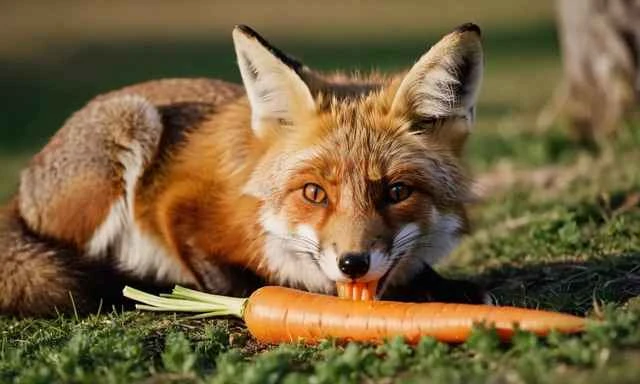
The fox eats carrots
What do wild foxes eat?
Foxes are omnivores with a very diverse diet. Here are some common food sources for wild foxes:
Small mammals
Wild foxes primarily hunt rodents such as mice, voles, and rabbits. These prey provide protein and fat, giving the foxes energy.
Birds and bird eggs
Foxes like to prey on birds that nest on the ground and their eggs, which are a delicious source of protein.
insect
Foxes eat insects such as ants, beetles, and earthworms, especially in the summer when insects are an important food source for them.
Fruits and plants
Foxes also eat berries, apples, and even grapes. These foods can provide vitamins and moisture, especially in arid environments.
carrion
When food is scarce, foxes are not picky eaters. They will eat the carcasses of dead animals to survive.
Pet fox food list
Keeping a pet fox requires careful planning. Here are some recommended and forbidden foods:
Best food
High-quality dog food: provides essential protein and carbohydrates.
Raw or cooked meat: Chicken, turkey, and lean beef are good choices.
Eggs: Rich in protein, they are a healthy snack.
Fruits: Apples, blueberries, and strawberries are safe and healthy.
Vegetables: Carrots, peas, and sweet potatoes are rich in vitamins.
Insects: You can add crickets or mealworms as extra food.

Pet fox feeding
Forbidden Foods
Chocolate: Like dogs, foxes are toxic to chocolate.
Onions and garlic: can cause serious health problems.
Grapes and raisins: may cause kidney failure.
Processed foods: Excessive salt, sugar, or artificial additives are harmful to the fox's digestive system.
Tips for feeding pet foxes
Establish a fixed feeding schedule: Foxes need to be fed regularly, twice a day, once in the morning and once in the evening.
Provide a varied diet: Like wild foxes, pet foxes prefer a varied diet. Regularly change their food to keep it fresh.
Control food portions: Overfeeding can lead to obesity, while insufficient food can lead to malnutrition.
Provide fresh water: Foxes need to have access to clean water at all times.
How much should a pet fox eat?
A pet fox's food intake depends on its size, activity level, and age.
Adult foxes need approximately 0.5-1 kg of food per day.
Cubs (fox pups): Feed small amounts frequently throughout the day.
Observe the fox's weight and adjust its food intake accordingly.
Can foxes eat human food?
Yes, but with caution! Some human foods are safe for foxes, such as cooked chicken or white rice, while others are harmful, such as potato chips or candy. Always confirm the food's safety for the fox before feeding it to them.
Nutritional supplements for healthy pet foxes
To ensure your pet fox receives sufficient nutrition, you can add the following supplements:
Calcium powder: Especially suitable for cubs or nursing mother foxes.
Omega-3 oil: contributes to shiny fur and joint health.
Multivitamins: Choose appropriate supplements under the guidance of a veterinarian.
Fox Food List: A Comparison of the Diets of Wild and Pet Foxes
| category | wild fox diet | Pet fox diet |
|---|---|---|
| Small mammals | Mice, field mice, rabbits | Raw or cooked meat (chicken, turkey, lean beef) |
| Birds and eggs | Ground birds and bird eggs | Boiled eggs (occasionally raw eggs) |
| insect | locusts, beetles, earthworms | Mealworms, crickets |
| fruit | Berries, apples, grapes | Apples, blueberries, strawberries |
| vegetable | none | Carrots, peas, sweet potatoes |
| carrion | animal carcasses | Feeding pets carrion is not recommended. |
| Processed foods | Occasionally eating human leftovers | Not recommended (avoid salt, sugar, and artificial additives). |
| Toxic food | Rarely come into contact with (e.g., rotten fruit). | Chocolate, onions, garlic, grapes, raisins |
| water | Natural water source | Clean drinking water is available at all times. |
| supplements | none | Calcium powder, Omega-3 oil, multivitamins |
Pet Fox Feeding Schedule
| Age/situation | Feeding frequency | Recommended serving size |
|---|---|---|
| Fox cubs (young foxes) | 3-4 times a day | Feed small amounts frequently |
| adult fox | Twice a day | Total 1-2 pounds of food |
| Lactating female fox | 2-3 times a day | Larger servings and supplements |
Safe and Dangerous Foods for Pet Foxes
| Safe food | Dangerous food |
|---|---|
| Chicken, turkey, lean beef | chocolate |
| Apples, blueberries, strawberries | grapes and raisins |
| Carrots, peas, sweet potatoes | Onions and garlic |
| Boiled eggs | Highly processed snacks |
| Mealworms, crickets | Alcohol and caffeine |
The table above provides a quick reference for the dietary needs of wild and pet foxes, helping to ensure your pet fox receives balanced nutrition and avoids dangerous foods, guaranteeing its healthy growth!
Conclusion: Balancing nutrition and health in foxes
Foxes, whether wild or pet, need a balanced and varied diet to maintain their health. Wild foxes rely on instinct to find food, while pet foxes require careful dietary planning from their owners. By following this fox food list and learning how to scientifically feed your pet fox, you can ensure your fox grows up healthy and happy.
If you have any questions, feel free to consult a professional veterinarian for better feeding advice!