Table of contents
Introduction: Getting to know badgers
Badger's diet
Omnivores: The Secret to Survival
Seasonal eating habits
What do badgers eat? A complete list
Small mammals
Birds and bird eggs
Insects: Badger's favorite snack
Plants and fruits
Amphibians and reptiles
Carrion and scavenging
How do badgers find food and hunt?
Dietary differences among different species of badgers
European Badger
American Badger
Honey Badger
The role of badgers in the ecosystem
Are badgers pests? What are their impacts on farmland and gardens?
Fun facts about badger diets
Conclusion: Understanding the Badger's Diet
Introduction: Getting to know badgers
Badgers are mysterious and powerful animals, renowned for their tenacious nature. Have you ever wondered about a badger's diet? From small mammals to fruits, badgers have a remarkably diverse diet, allowing them to adapt to different environments. Let's delve into the badger's favorite "menu."
Badger's diet
Omnivores: The Secret to Survival
Badgers are typical omnivores, eating both plants and meat. This flexible diet allows them to adapt to a variety of environments; whether digging for earthworms or searching for carrion, badgers can always find food to fill their stomachs.
Seasonal eating habits
Badgers are opportunistic eaters, adjusting their diet according to the seasons. In summer, they prefer insects and fruits, while in winter they rely more on small mammals or carrion to survive.
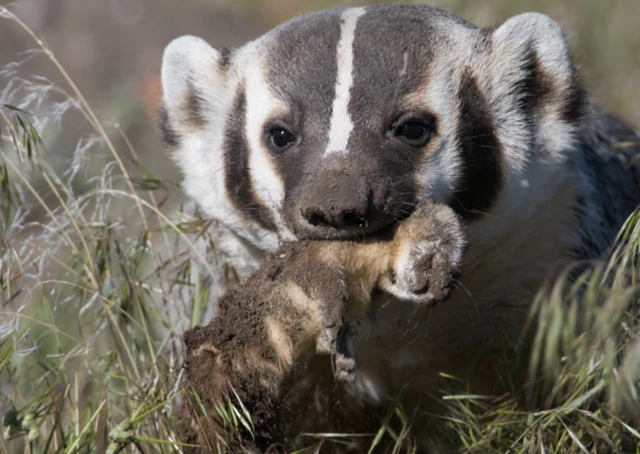
Badger preys on long-tailed weasel
What do badgers eat? A complete list
Small mammals
Badgers are excellent hunters, preferring to prey on small mammals such as rabbits, mice, and voles. Their powerful claws and jaws allow them to easily capture prey, even animals that live in burrows.
Birds and bird eggs
Badgers don't intentionally hunt birds, but they will never let go of birds nesting on the ground or the eggs in those nests. These eggs are an important source of protein for badgers.
Insects: Badger's favorite snack
Insects, especially earthworms and larvae, are a staple of the badger's diet. They dig into the soil in search of these protein-rich snacks. Other insects, such as beetles and ants, also frequently appear on the badger's table.
Plants and fruits
Badgers enjoy eating fruits such as apples, berries, and plums, and they also gnaw on roots, tubers, and seeds. These plant-based foods provide them with abundant vitamins and nutrients.
Amphibians and reptiles
Badgers occasionally prey on amphibians or reptiles such as frogs, toads, and lizards. These prey are a seasonal delicacy, especially in wet habitats.
Carrion and scavenging
When food is scarce, badgers are not picky eaters; they will scavenge dead animals, or carrion. This behavior makes them scavengers in the ecosystem.
How do badgers find food and hunt?
Badgers are nocturnal animals, hunting and foraging mostly at night. They rely on their keen sense of smell and powerful claws to locate and dig for food. Badgers typically hunt alone, employing patience and stealth to capture their prey.
Dietary differences among different species of badgers
European Badger
The European badger has the most diverse diet, including earthworms, fruits, and small animals, making it the species most adapted to different food sources.
American Badger
American badgers are more carnivorous, primarily hunting rodents and other burrowing animals. They are expert diggers, able to hunt prey hiding in their burrows.
Honey Badger
Honey badgers are known for their fearlessness, and their diet includes snakes, insects, and they even raid beehives to enjoy honey and larvae.
The role of badgers in the ecosystem
Badgers play a vital role in maintaining ecological balance. They control the populations of insects and small mammals by preying on them. Their digging behavior also promotes soil aeration, which is beneficial for plant growth.
Are badgers pests? What are their impacts on farmland and gardens?
While badgers in the wild are beneficial to the ecosystem, they can also cause trouble for farmers and gardeners. Badgers dig in farmland, nibble on fruit, or damage lawns in search of earthworms and larvae. Using proper fencing and deterrent measures can effectively prevent badger disturbance and protect them from harm.
Fun facts about badger diets
A badger can eat up to 200 earthworms in one night!
Honey badgers are immune to many snake venoms, allowing them to hunt highly venomous prey.
Badgers use their sense of smell to locate underground tubers or burrowing animals with extremely high accuracy.
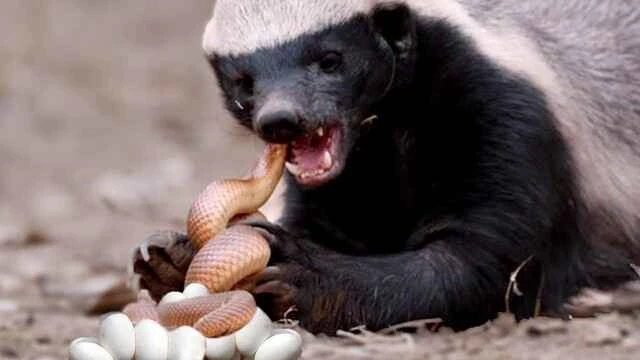
Badgers prey on venomous snakes
Badger's Food List: Quick Overview
| Food categories | Example | illustrate |
|---|---|---|
| Small mammals | Rabbit, mouse, field mouse | Badgers use their sharp claws and strong jaws to hunt these small animals. |
| Birds and bird eggs | Birds that nest on the ground, and the eggs in the nests. | Badgers are opportunistic foragers and may eat eggs or chicks when they encounter a bird's nest. |
| insect | Earthworms, grubs, beetles, ants | Insects are an important part of their diet, especially in the summer. |
| Plants and fruits | Apples, berries, plums, roots, seeds | During seasons when prey is scarce, plants provide badgers with essential vitamins and nutrients. |
| Amphibians and reptiles | Frogs, toads, small lizards, small snakes | These foods are seasonal delicacies and are typically found in humid environments. |
| carrion | Dead animals | They eat when live prey is scarce, contributing to the cleanup of the ecosystem. |
Dietary preferences of different badger species
| Types of badgers | Main dietary focus | Unique features |
|---|---|---|
| European Badger | Earthworms, fruits, small animals | Highly adaptable omnivores with a very diverse diet. |
| American Badger | rodents, burrowing animals | They are more carnivorous and adept at digging, using this knowledge to capture burrowing prey. |
| Honey Badger | Snakes, insects, honey, larvae | Known for its fearlessness, it is immune to certain snake venoms and has an extremely aggressive diet. |
The table format allows you to easily understand the types of food badgers eat, as well as the differences in diet and habits among different species.
Conclusion: Understanding the Badger's Diet
Badgers are not only tough and mysterious, but their diverse diet allows them to survive in a variety of environments. From small mammals to sweet fruits, the badger's food list is impressive. Understanding what badgers eat not only helps us better appreciate these unique creatures but also helps us understand their importance in the balance of nature.
So next time you see a badger digging or foraging, think about what delicious food it's looking for.