99.8% of vertebrates currently existing on Earth possess jawbones (upper and lower jaw), collectively known as jawed vertebrates or jawed animals. The emergence and rise of jawed animals is one of the most crucial leaps in the evolutionary history of vertebrates, from fish to humans. However, when, where, and how exactly did this leap occur? These questions require paleontological evidence to answer. Let's first look at the following ten jawed fish fossils from around the world:
1. Megalodon
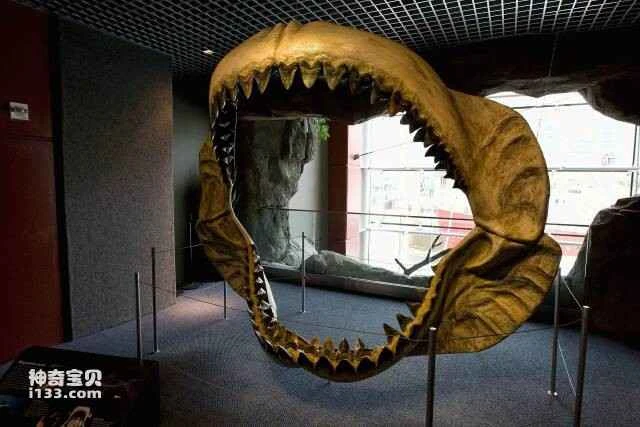
This was a giant shark that lived during the Miocene epoch, approximately 23 to 16 million years ago. Classified as an extinct family, Megalodontidae, it diverged from the great white shark in the Early Cretaceous. Megalodon is considered the largest large predatory shark ever to have existed. Megalodon was found all over the world; its fossils have been unearthed in many places, including Europe, Africa, the Americas, and Australia. Megalodon has appeared in numerous works of fiction, including films and novels, and remains a popular subject in novels about sea monsters.
2. Dunkleosteus
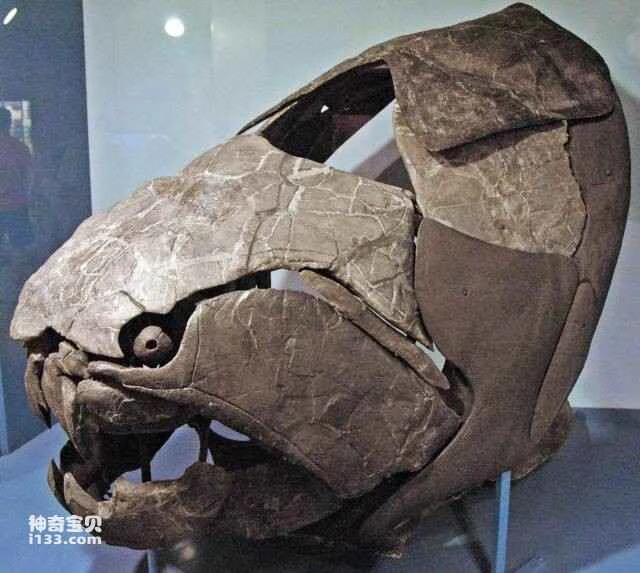
Dunkleosteus was a pelagic fish that inhabited open waters and lived during the Devonian period, 380 to 350 million years ago. It was a large, predatory fish with powerful jaws and sharp teeth, and was the apex predator in its ecosystem. Dunkleosteus fossils were first discovered in 1867 by paleontologist Jay Terrell, and the world's largest collection of Dunkleosteus fossils is located at the Cleveland Museum of Natural History.
3. Coelacanth
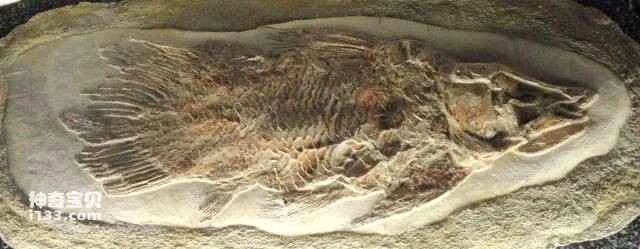
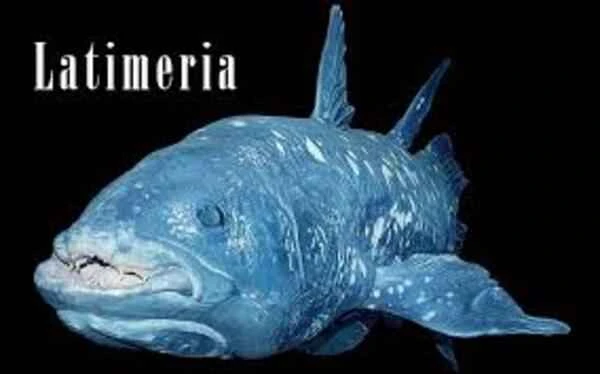
Coelacanths are rare and ancient fish that existed as far back as 410 million years ago. They became extinct around 66 million years ago during the Late Cretaceous period, and extant coelacanths are their descendants. The earliest coelacanth fossils were discovered in the 19th century, and they are considered a transitional species between fish and tetrapods. Based on analysis of their weight and annual growth markers, their lifespan is estimated to be similar to that of humans, reaching up to 100 years, and maturing around 55 years old; the oldest known specimen was 84 years old in 1960. Coelacanth fossils are on display at the Senkenberg Natural History Museum in Frankfurt am Main, Germany.
4. Sword Ray (Xiphactinus)
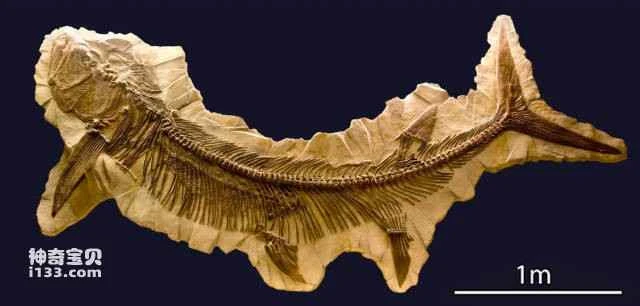
Sword rays lived during the Cretaceous period, between 83 and 66 million years ago. They were also giant predatory fish with sharp teeth and powerful jaws. They were voracious predators, and at least a dozen specimens have been collected, their stomachs containing the remains of large, undigested, or partially digested prey. This fossil is on display at the Sternberg Museum of Natural History in Hayes, Kansas.
5. Helicoprion
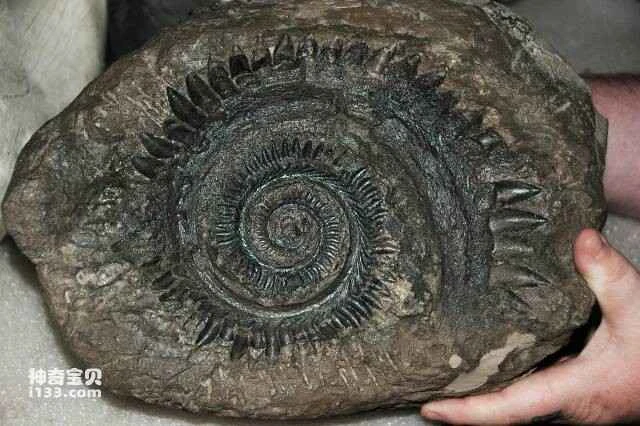
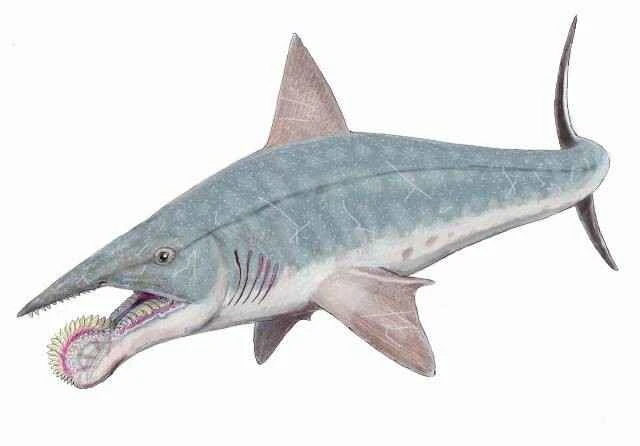
Living between 320 and 270 million years ago during the Permian period, this fish possessed a row of curved, serrated teeth and was considered a carnivore. Almost all fossil specimens show spirally arranged clusters of individual teeth called "tooth rings," which were embedded in the lower jaw during life. Like most extinct cartilaginous fish, its skeleton is largely unknown. Fossils of Spiraltooth sharks have been found worldwide.
6. Leedsichthys
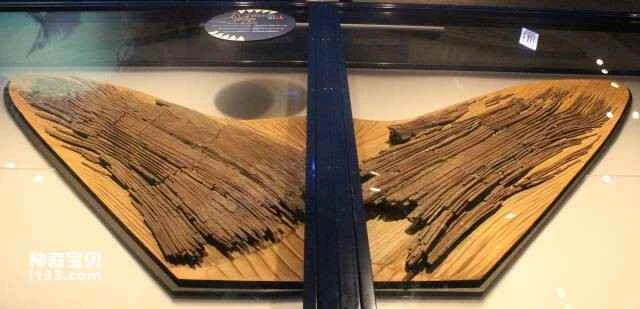
Living between 150 and 130 million years ago during the Jurassic period, Leedsichthys was a gigantic fish, believed to have reached lengths of up to 27 meters, making it one of the largest known fish. Leedsichthys appeared in the 2003 BBC film *The Sea King*, where it was hunted by a sarcopteros and a harpoon, and finally killed by a Liopleurodon, becoming a meal for a group of Liopleurodons. The image above shows a fossilized tail fin from the Natural History Museum in London.
7. Dorsal fin shark (Stethacanthus)
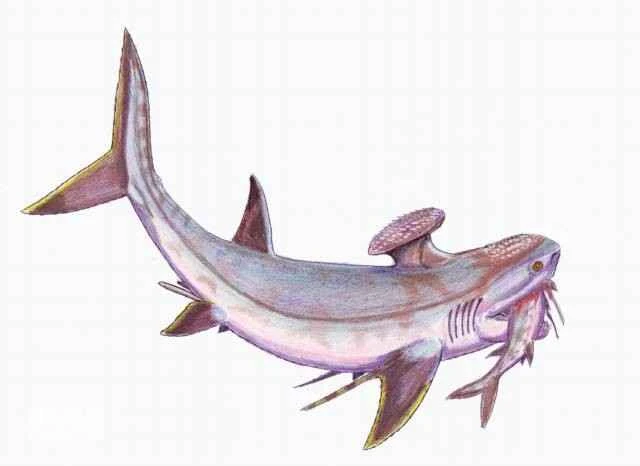
It lived during the Devonian and Permian periods, between 340 million and 280 million years ago. It possessed peculiar fin-like appendages, possibly used for attaching to other animals. It had a shark-like appearance. However, it is best known for its unusually shaped dorsal fin, resembling an anvil or ironing board. Small spikes (enlarged versions of the fine dermal teeth typically covering shark skin) covered this ridge, along with the head of the ratfish.
8. Arandaspis
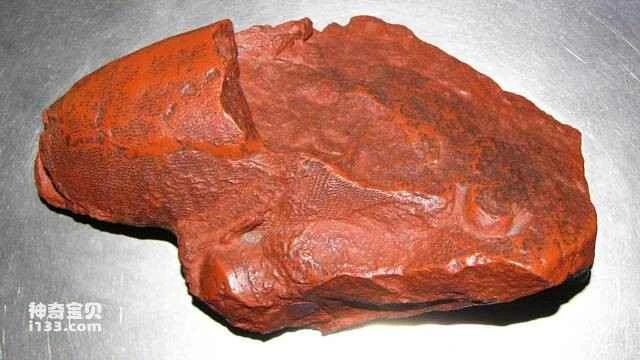
Living between 430 and 420 million years ago during the Ordovician period, it was a primitive fish with a relatively simple body shape and skull structure. Its streamlined body was covered with rows of segmented, armored scales. The front of its body and head were protected by hard plates containing openings for the eyes, nostrils, and gills. It likely used a filter feeder. It lacked fins; its only method of propulsion was using a vertically flattened tail. Therefore, it probably swam in a manner similar to modern tadpoles. Fossils of *Arandaspis* are held at the Natural History Museum, London.
9. Leaffin fish (Eusthenopteron)
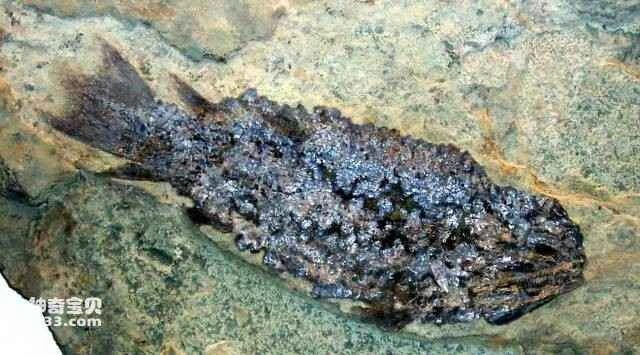
It lived during the Devonian period, between 370 and 350 million years ago. It was a well-known ancient fish, considered one of the ancestors of modern vertebrates. The earliest known fossil evidence of bone marrow was found in euptopteryx, which may be the origin of tetrapod bone marrow.
10. Anomalocaris

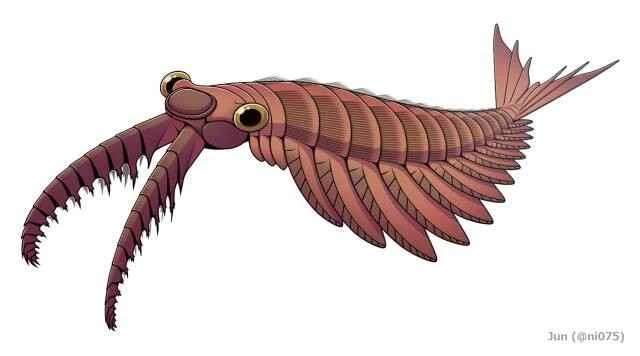
Anomalocaris lived during the Cambrian period, between 515 million and 485 million years ago. An early arthropod with a powerful jaw structure and sharp teeth, Anomalocaris reached nearly 40 centimeters in length, making it one of the largest animals of the Cambrian and considered one of the earliest apex predators. It propelled itself through the water by flapping flexible flaps on either side of its body. Each flap tilted beneath a flap further back, and this overlap allowed the lobes on either side of its body to act as individual "fins," maximizing swimming efficiency.