Most animals rely on their eyes to perceive their surroundings, but some species lack eyes and adapt to their environment through other senses. Typically, these eyeless animals, such as earthworms, leeches, starfish, and sea anemones, rely primarily on touch for survival and hunting. So, besides these common eyeless animals, what other unique species exist?
Here, we've compiled a list of the world's 10 most amazing eyeless animals, including the olm, liptodius beetle, Kauai cave tarantula, Madagascar blind snake, Mexican characin, cave-blind lobster, and cave-blind crab. Let's learn about these extraordinary creatures!
1. Oyster (King of Caves/Blind)
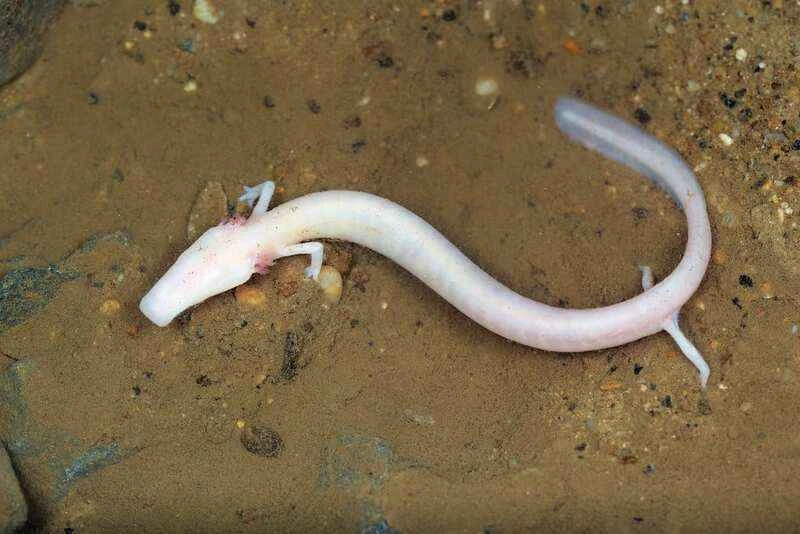
Among eyeless animals, the olm (also known as the blind salamander) is undoubtedly on the list. Olms are mainly distributed in southeastern Europe, from northern Italy to the Adriatic coast of Montenegro. They spend their entire lives in dark caves formed by groundwater, regularly extending their nostrils above the water to breathe air, and occasionally venturing onto land to forage. Due to their long-term life in complete darkness, the olm's eyes have gradually degenerated, becoming almost impossible to see, and their skin lacks pigmentation.
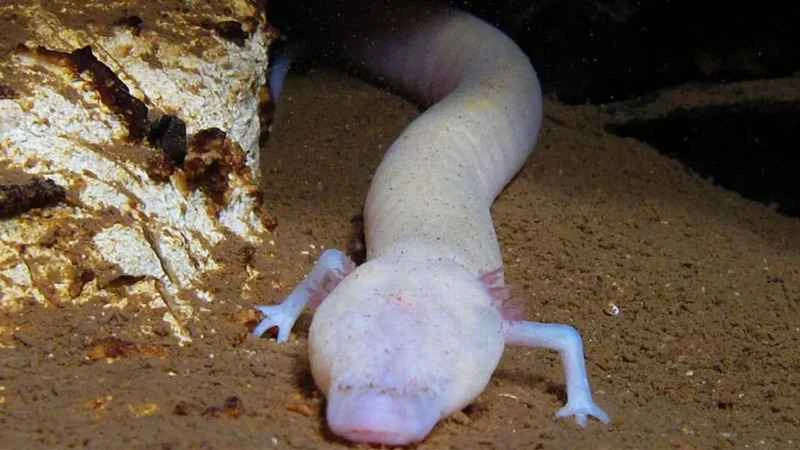
Interestingly, if olms live in places with light, their eyes will regrow and their skin will turn brown. However, these eyes are not complete, lacking important optic nerves, so even though they appear to have eyes, they are still blind.
2. Liptodurus beetle (the first cave-loving creature)
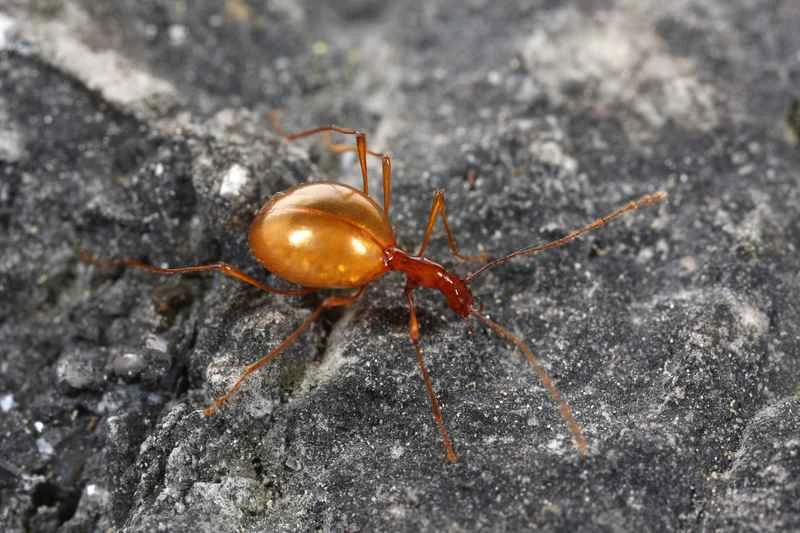
The Liptodrus beetle is one of the most mysterious eyeless animals. It is said to be the first cave-dwelling creature discovered globally, first identified in 1832. This species is about 1 cm long and lives in dark caves, feeding mainly on decaying cave-dwelling carcasses. They are found only in a few limestone caves in the European Alps and southeastern Dinaric Alps, particularly adapted to complete darkness.
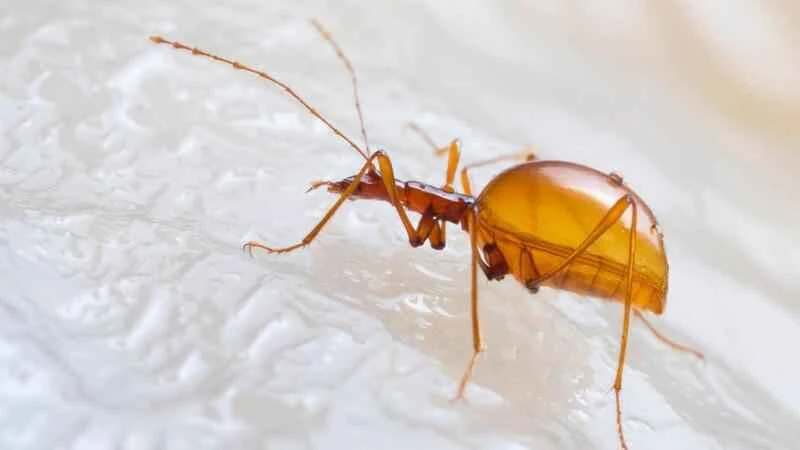
The Liptodurus beetle relies on its keen sense of smell and touch to perceive changes in its environment, but it has no eyes. If removed from its dark cave environment, it is almost impossible for it to adapt to other bright environments; its evolutionary development conditions are extremely demanding.
3. Khao Yai cave tarantula (blind tarantula)
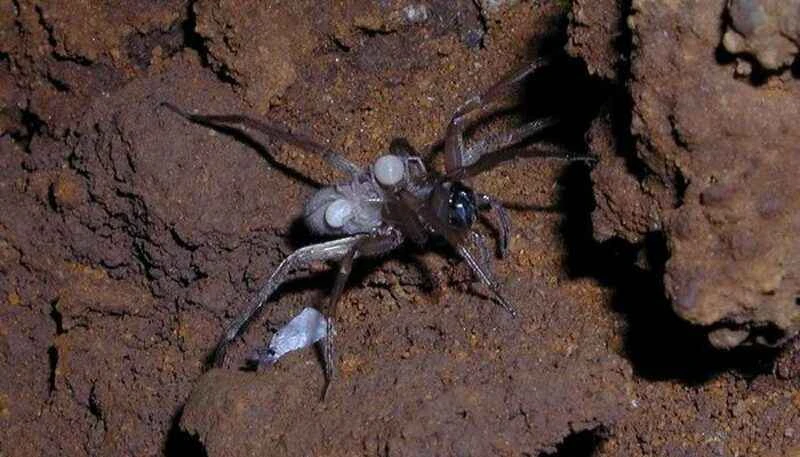
The Kauai cave wolf spider was first discovered in 1971, when scientists found about 20 of these spiders in five caves on the island of Kauai in the Hawaiian archipelago. It is estimated that these caves formed between 3.6 and 5.6 million years ago. Therefore, the cave wolf spider adapted to the dark environment over a long period and evolved its current blind form.
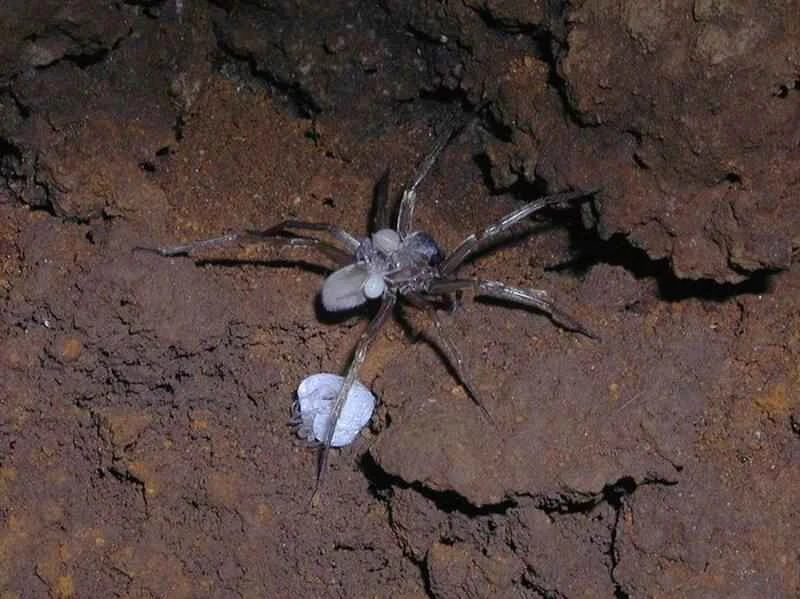
Their long periods of living in darkness have caused their eyesight to gradually deteriorate, but their sense of touch has become exceptionally sensitive. When a predator enters the burrow, they can sense the predator's every movement through touch.
4. Madagascar blind snake (head and tail are difficult to distinguish)
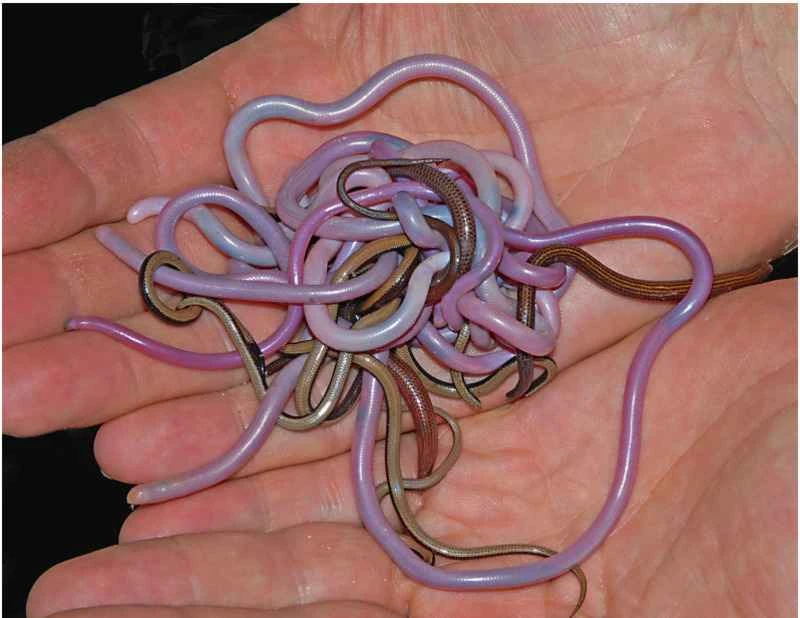
Among the many blind snakes, the Madagascar blind snake is the most blind of all. This small snake is blind throughout its entire lifespan, measuring about 25 centimeters in length and roughly the thickness of a pencil. Unless its mouth is open or it is moving, it is extremely difficult to determine the direction of its head and tail.
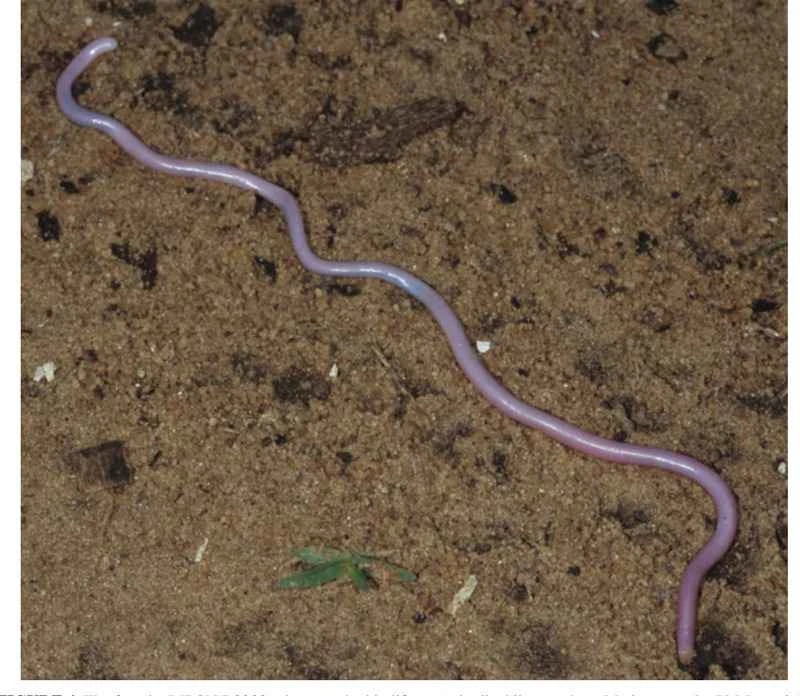
The Madagascar blind snake and its close relatives are extremely rare insectivorous snakes that rely on their highly developed sense of smell to locate ant and termite nests for food.
5. Mexican Echeveria (transparent skin/no eyes)
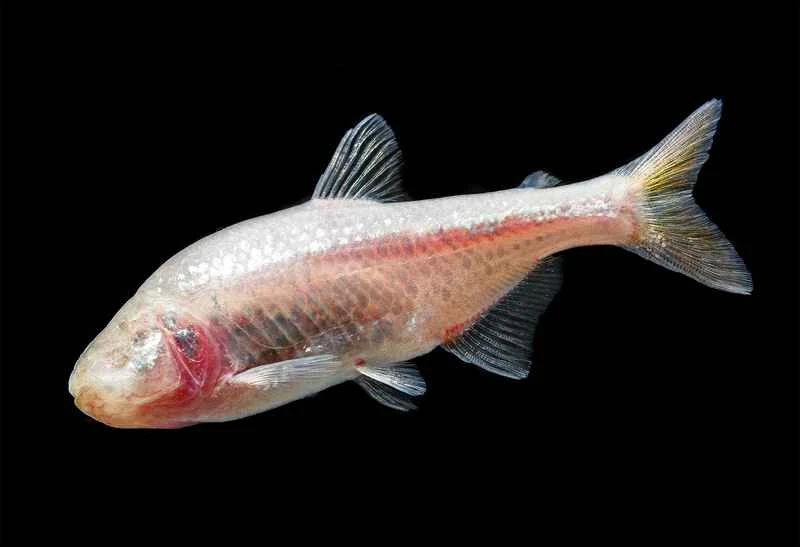
The Mexican characin is an eyeless animal derived from the common characin found in the Saskatchewan River and the state of Mexico. It is a species that is not yet endangered. The Mexican characin exhibits a very pronounced albino appearance, with translucent skin, and typically reaches a length of 10 centimeters.
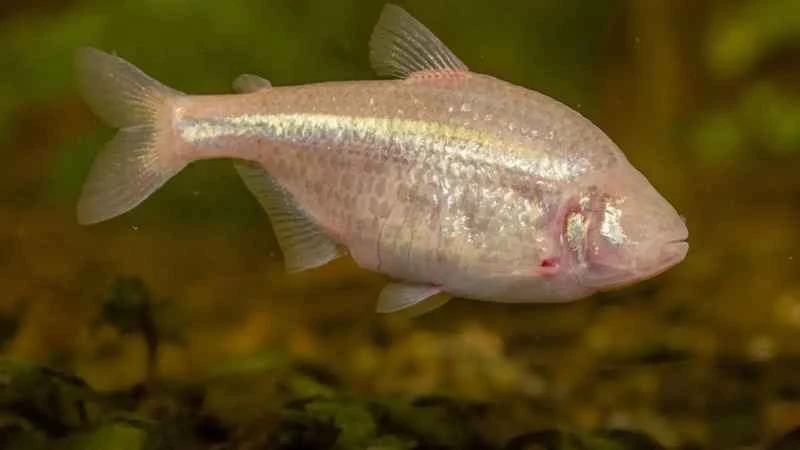
They mainly live in underwater caves and are not picky eaters; anything that falls into their caves can become their food, hence the name "blind cave fish".
6. Cave-dwelling blind lobster (the largest cave-dwelling creature)
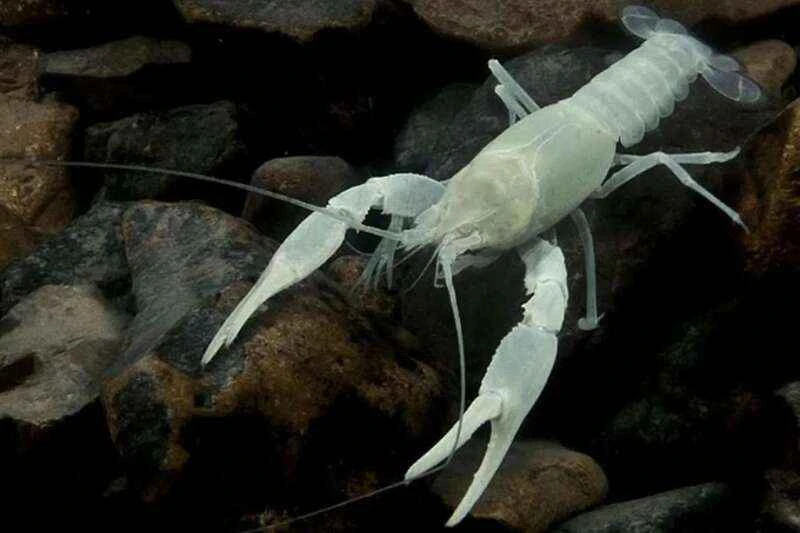
Among the top ten eyeless animals, many inhabit deep burrows, and the cave-blind lobster is a prime example. In the United States, approximately 40 different species of cave shrimp are distributed across various groundwater environments, most of which have completely lost their eyes. These creatures are typically light-colored and have extremely long lifespans, with some species surviving up to 75 years.
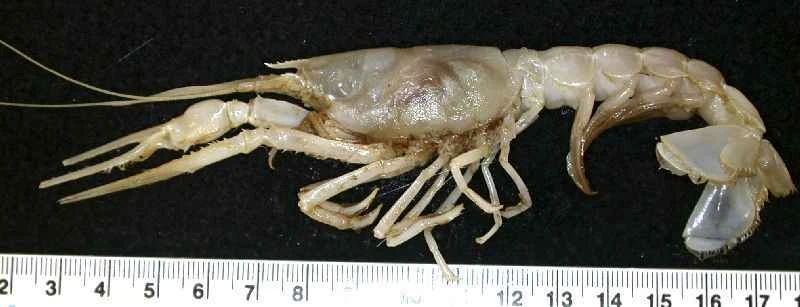
The cave blind lobster is the largest cave creature, reaching up to 10 centimeters in length. They are considered "canaries in the coal mine" because their habitat depends on filtered, pure groundwater, and their physical condition often reflects changes in water quality.
7. Cave-dwelling blind crab
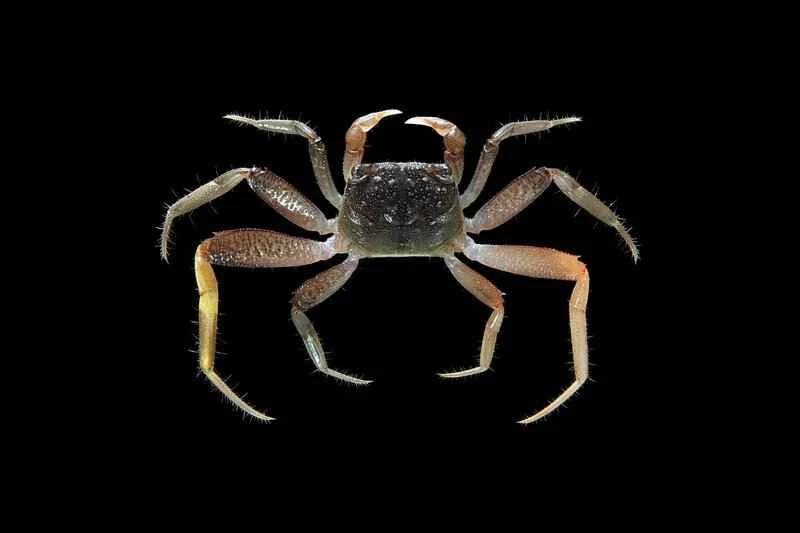
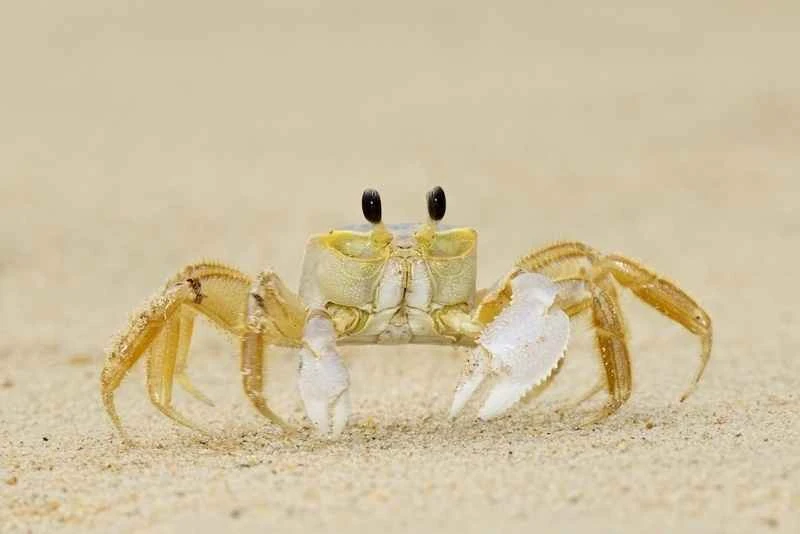
Despite its name, the blind cave crab is actually more like a squatting lobster, primarily inhabiting the entrance areas where freshwater flows into caves. The aquatic environment here provides the blind crab with an abundant food source.
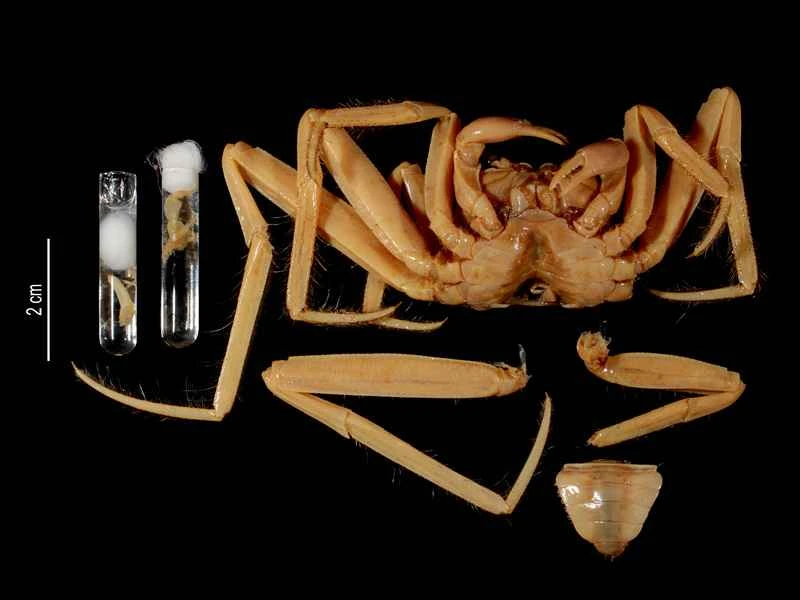
Like many creatures that prefer darkness, cave blind crabs typically live in flooded caves around the world, places where there is no light, which is suitable for their survival. They have evolved some adaptations, such as losing their sight and having relatively little pigment in their bodies. They can only be occasionally spotted when exposed to strong light.
8. Kentucky cave shrimp (transparent all over/no eyes)
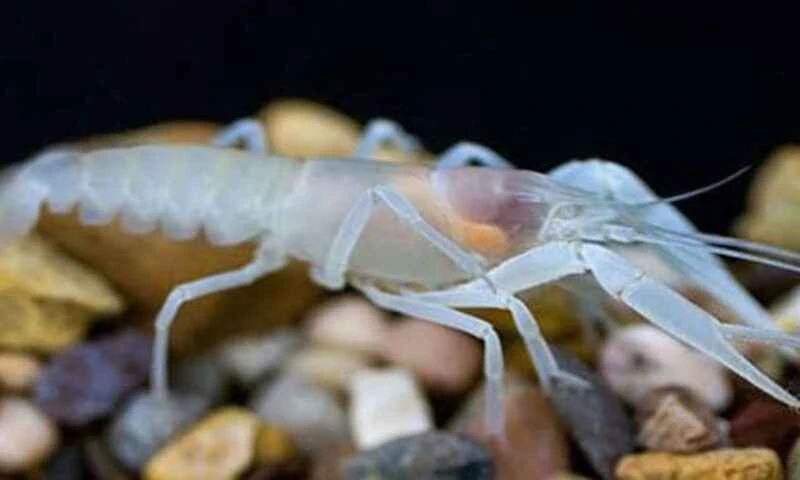
Kentucky cave shrimp primarily inhabits Mammoth Cave and other underground caves in Kentucky, USA. However, due to the severe impact of surface dams and waterways on the Mammoth Cave's groundwater system, this eyeless cave shrimp is facing an endangered crisis.
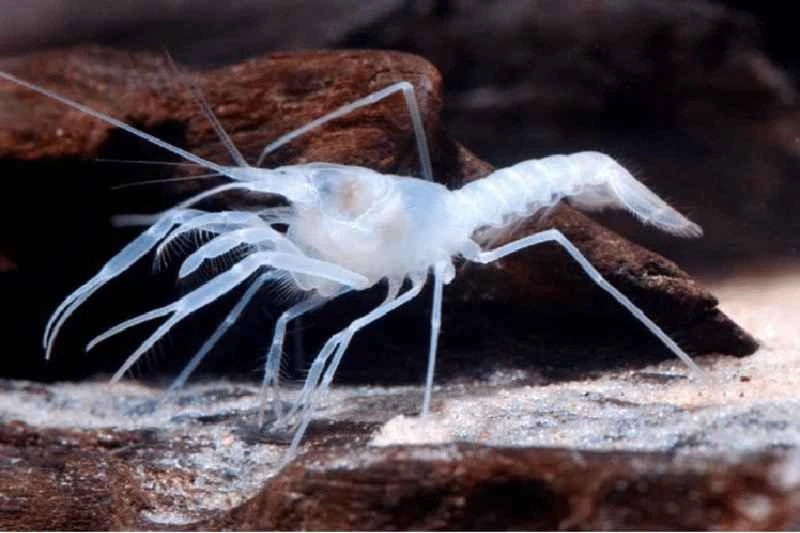
Kentucky cave shrimp are entirely transparent and can reach a length of 3.15 cm. As cave-dwelling creatures without eyes, they are adapted to the completely dark environment of caves. Their lifestyle is similar to that of cave shrimp in Texas, Alabama, and Florida.
9. Texas Blind Salamander
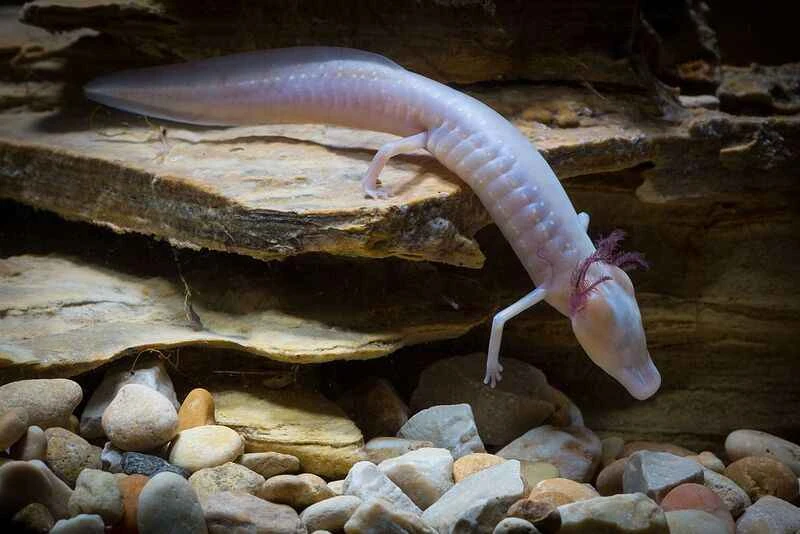
The Texas blind salamander is very similar to the olm and is an amphibian. They typically lay their eggs in water and feed on snails, amphipods, and blind shrimp. Adults can reach 12.7 cm in length, and their red gills are capable of efficiently absorbing oxygen from the water.
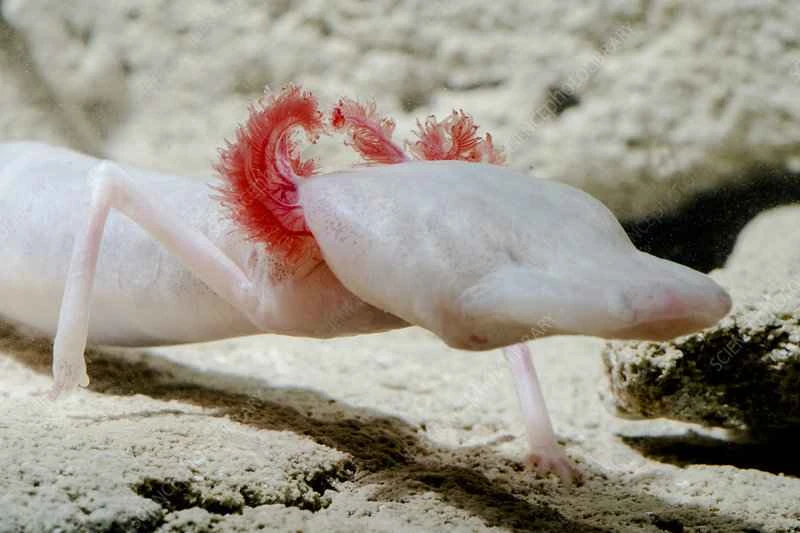
Their diet varies depending on the food resources available in their habitat. When hunting, blind salamanders sway their heads from side to side to sense the subtle ripples and vibrations their prey makes in the water, thus accurately locking onto their targets.
10. Golden mole (no sight/excellent hearing)
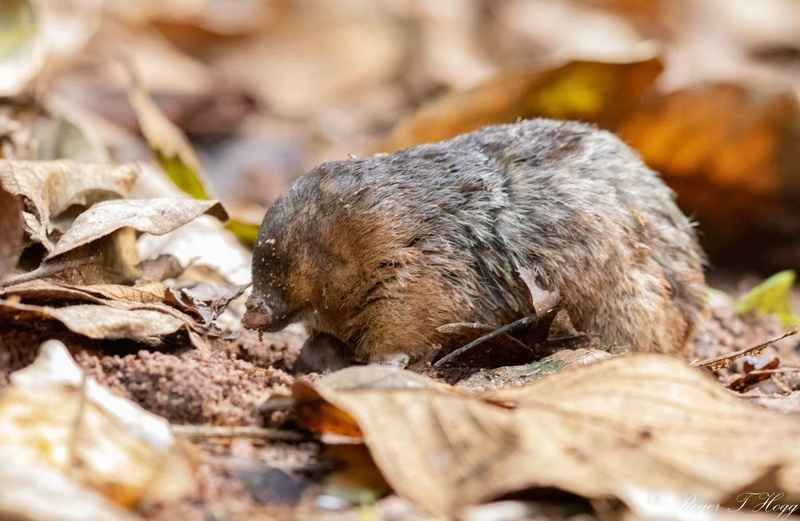
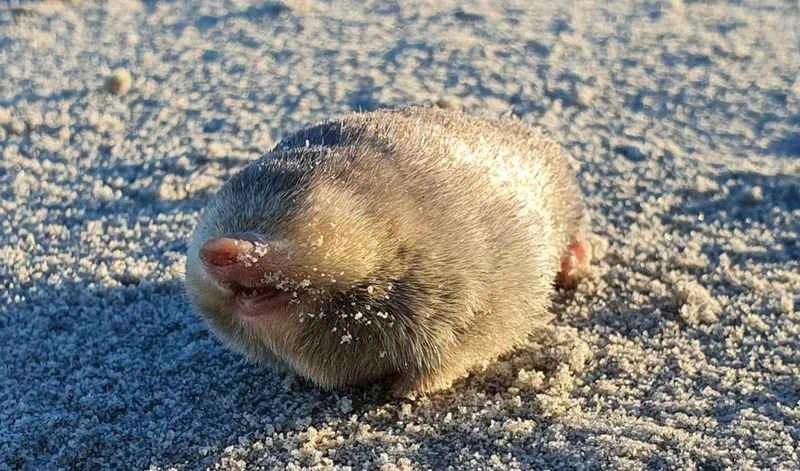
Most eyeless animals often evoke a sense of mystery or even dread, but the golden mole is one of the cutest. Although it resembles a common mole and even has "mole" in its name, genetically it is more closely related to the aardvark. However, its biggest difference from the aardvark is that it has absolutely no exposed eyes.
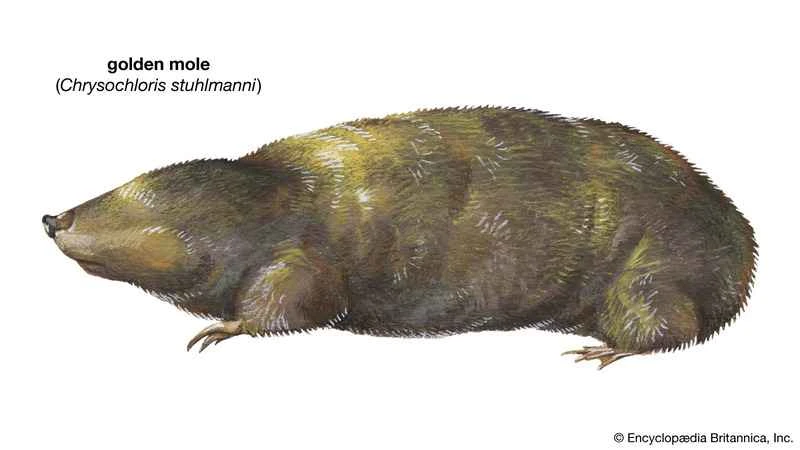
In fact, golden moles are not born blind. Their eyes are underdeveloped and covered by thick skin, which over time causes their visual function to completely degenerate, making it impossible for them to perceive their surroundings through sight. This unique species has been included in the list of "most wanted extinct species" worldwide by the U.S. wildlife conservation organization "Back to Nature".
The list of the 10 most amazing eyeless animals in the world is based on their rarity and popularity, and also takes into account relevant internet rankings and lists. This list is for entertainment purposes only, and comments and corrections are welcome at the end of the article!