The elk ( Alces alces ) is the largest living deer species. There are eight subspecies globally, distributed in forests of North America, Europe, and Asia, with diverse habitats. Want to learn more about this "giant deer"? This article will give you a comprehensive overview of the elk's physical characteristics, classification, habitat, and food sources.
What is a Père David's deer?
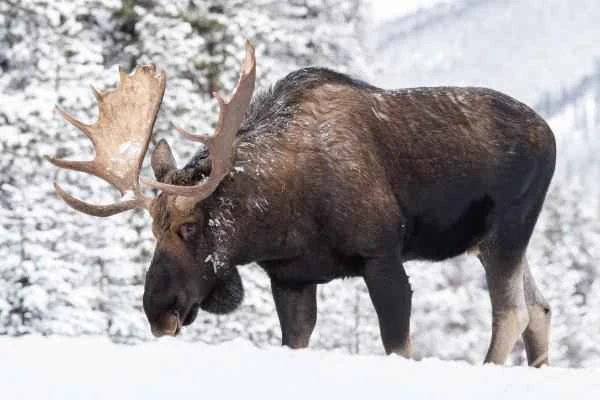
The moose (also known as the elk) is an even-toed ungulate and the largest deer species in the world. Despite hunting pressures, the moose remains widely distributed in northern forests, particularly in North America and Eurasia, and has several subspecies.
Characteristics of Père David's Deer
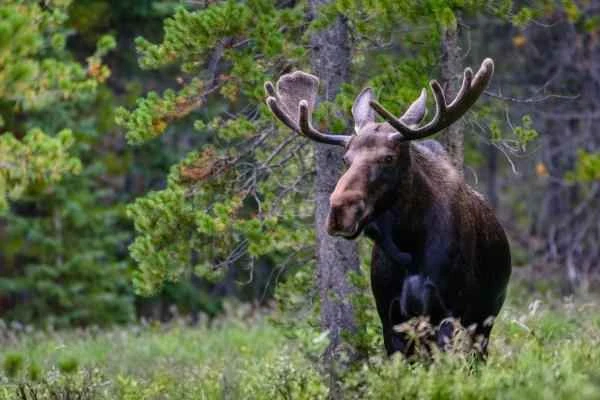
Distribution range : North America from Alaska and Canada, south to the Rocky Mountains, the Great Lakes region and New England; Eurasia from Scandinavia, Poland, northern Austria, southern Czech Republic, all the way to the Yenisei River in Siberia, Ukraine, northern Kazakhstan and Northeast China.
Size : Shoulder height approximately 1.5–2.15 meters, body length 2.4–3.1 meters, weight up to 200–850 kilograms, making it the largest living deer.
Antlers : Males possess large, palm-shaped antlers used for fighting and display. The size and symmetry of antlers are closely related to nutritional status and health, and females choose their mates based on antler size.
Cold adaptation : It has a large nasal cavity with rich blood flow, which can heat the inhaled air to adapt to cold environments.
Natural predators : wolves, brown bears, black bears, cougars, and Siberian tigers are all natural predators of the elk.
Subspecies of Père David's deer
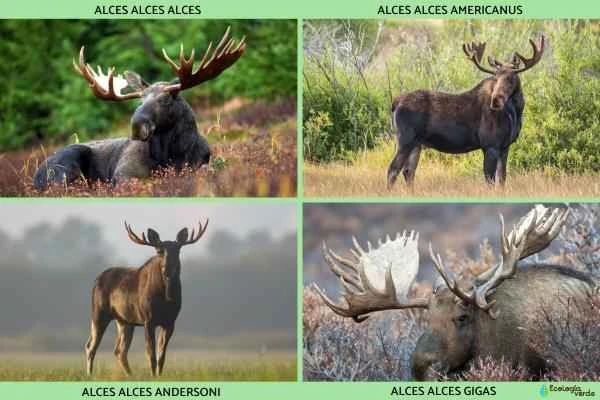
Eight main subspecies were identified:
European elk ( Alces alces alces ) : Distributed in Scandinavia, the Baltic states, Poland, and the region east of the Yenisei River.
Eastern Canadian elk ( Alces alces americanus ) : mainly found in eastern Canada.
Western Canadian elk ( Alces alces andersoni ) : Distributed from British Columbia to western Minnesota and Ontario.
Kamchatka deer ( Alces alces buturlini ) : Found in northeastern Siberia and the Kamchatka Peninsula.
Amur Père David's Deer ( Alces alces cameloides ) : Distributed in northern Mongolia, the Ussuri region, and northeastern China.
Alaskan elk ( Alces alces gigas ) : the largest subspecies, found in Alaska and the Yukon Territory.
Yakut Père David's Deer ( Alces alces pfizenmayeri ) : Distributed in central Siberia and the Stanovoy Mountains and Chersky Mountains.
Yellowstone elk ( Alces alces shirasi ) : live in southern Alberta, Wyoming, and Utah.
Habitat of the elk
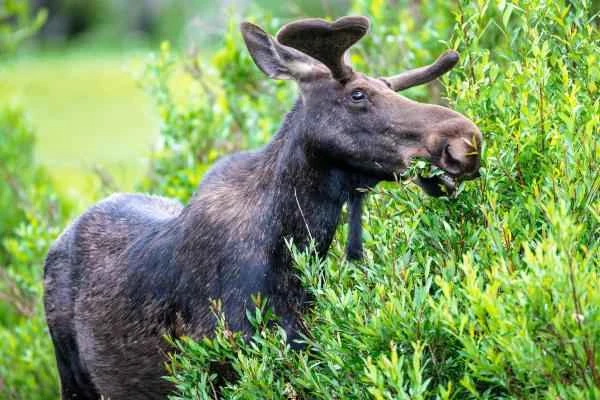
Père David's deer inhabit a variety of forest environments, including coniferous and broadleaf forests, ranging from cold tundra and taiga to temperate forests. They prefer secondary forests, clearings, marshes, wetlands, and areas around lakes, and occasionally appear in low-mountain farmlands, as long as there is woodland nearby. In summer, they often seek refuge in shady areas or near bodies of water.
Food of elk
Elk primarily feed on the leaves and branches of broad-leaved trees, with a particular preference for birch, ash, and willow. In autumn and winter, they consume coniferous plants such as fir, pine, and juniper, as well as shrubs, herbs, and aquatic plants. Some groups migrate seasonally in search of food; North American elk can migrate up to 180 kilometers, while Asian individuals can travel up to 300 kilometers.
Deer breeding
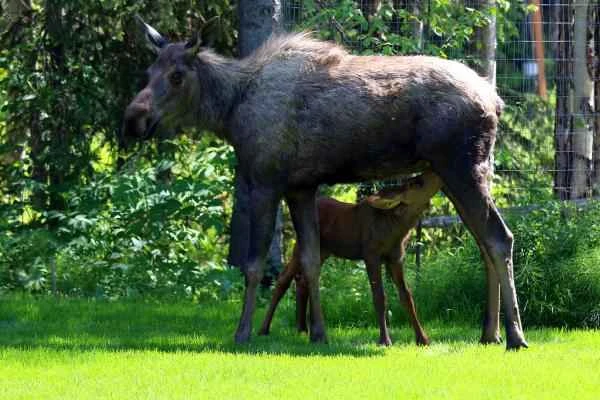
The mating season is from September to October, and both males and females use nasal calls to attract mates. The gestation period is 242–250 days. Young females usually give birth to one calf, while older individuals may give birth to two or three calves. Calves weigh 11–16 kg at birth and can follow their mothers within 2–3 days. They generally reach sexual maturity after one year of age.
Threats and Protection Status
The main threat to the Père David's deer comes from habitat destruction, particularly forestry and agricultural development in the southern part of its range, which has led to a decline in its numbers. Despite hunting pressure in some areas, the IUCN lists it as a species of "Least Concern," and in some regions its numbers have even increased and its distribution has expanded.
Currently, the Père David's deer has been included in Appendix III of the Berne Convention, is widely distributed in many nature reserves, and is protected by law in countries such as Germany.