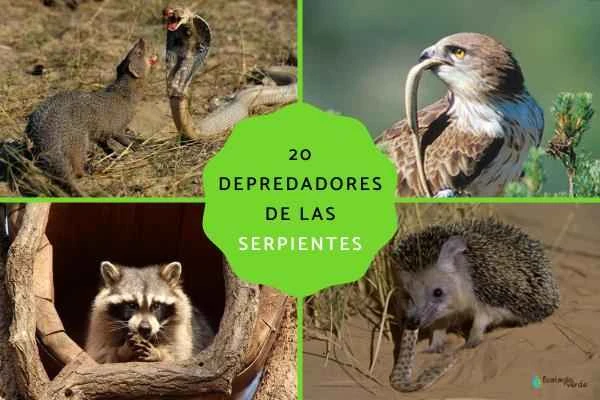
Some of China's animals include the giant panda (Ailuropoda melanoleuca), the golden pheasant (Chrysolophus pictus), and the Chinese giant salamander (Andrias davidianus). China is one of the world's most biodiverse countries, home to over 500 animal species, 100 of which are endemic. Let's learn more about these Chinese animals.
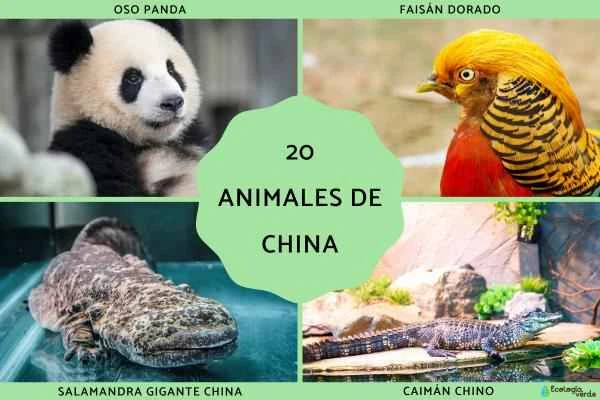
Giant panda (Ailuropoda melanoleuca)

The giant panda is a species endemic to China and a national treasure, enjoying a high reputation both domestically and internationally. Since 1961, the giant panda has been the symbol of the World Wildlife Fund, representing the success of efforts to protect endangered animals, with its population increasing in recent years.
Recommended reading: Is the giant panda still endangered?
Related Articles: Giant Panda Habitats and Interesting Facts
Golden rooster (Chrysolophus pictus)
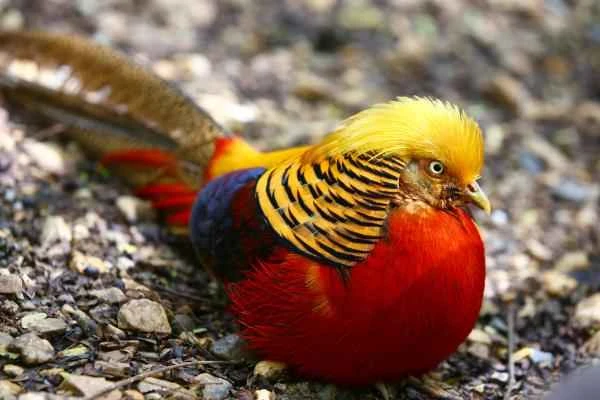
The golden pheasant belongs to the pheasant family. It is slightly over 1 meter long, with one-third of its body being its tail. Its head has thick, long, golden feathers, making it very beautiful.
Recommended reading: Classification and characteristics of pheasants
Chinese giant salamander (Andrias davidianus)

The Chinese giant salamander is the world's largest salamander, reaching nearly 2 meters in length, and is one of the longest amphibians globally. It primarily lives in underwater caves in mountainous areas and in cold-water river crevices, laying approximately 400 to 500 eggs at a time.
Recommended reading: Are newts poisonous?
The difference between salamanders and geckos
White-banded snake (Ptyas mucosa)
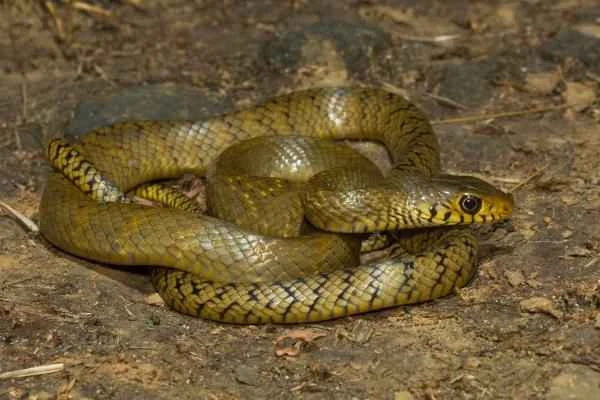
The white-banded snake is a type of snake in China that can reach nearly 2 meters in length. Its body color is lighter brown in dry regions and darker in humid regions. It is an animal in the Chinese zodiac and snake-shaped ornaments are commonly found in Chinese culture, considered a lucky charm for protecting the home.
Recommended reading: Interesting facts about snakes
Moon bear (Ursus thibetanus)
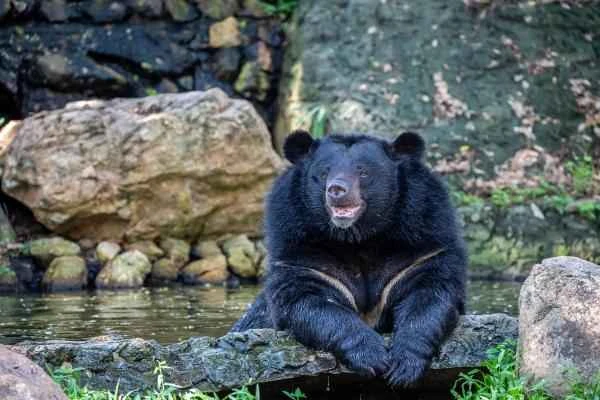
Moon bears are bears, standing nearly 2 meters tall and weighing up to 300 kilograms. They are omnivorous. They tend to become aggressive when approached by humans, and there have been numerous incidents of bears attacking people.
Recommended reading: Introduction to various bear species
Flat-nosed langur (Rhinopithecus bieti)
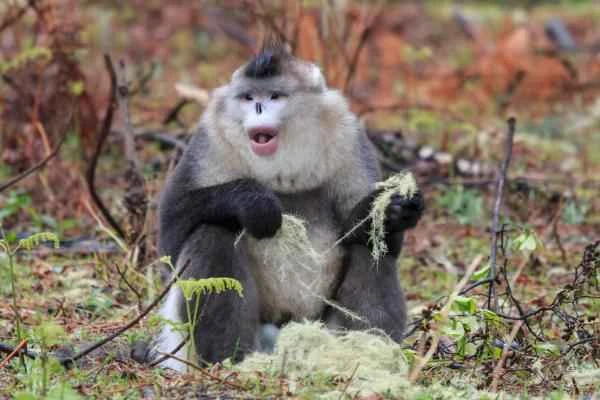
The flat-nosed langur, also known as the black langur or Yunnan golden monkey, can reach 80 centimeters in length (excluding the tail). It inhabits the high mountains of southwestern China at altitudes of 3,000 to 4,500 meters, making it one of the highest-altitude primates in the world. Its diet varies with the seasons: in cold seasons it mainly eats lichens and tender shoots, while in warmer seasons it consumes a variety of leaves and fruits.
Recommended reading: Types and characteristics of primates
Shanghai softshell turtle (Rafetus swinhoei)

The Shanghai softshell turtle is an Asian softshell turtle that weighs nearly 130 kilograms and can live up to 100 years. Its shell is as soft as its name suggests. It is currently classified as endangered to critically endangered.
Recommended reading: Introduction to endangered turtle species
Hainan gibbon (Nomascus hainanus)
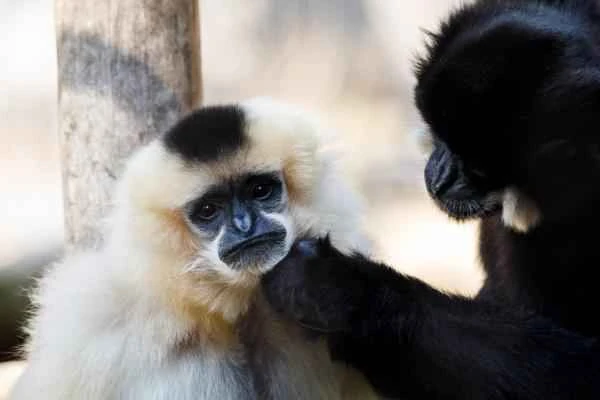
The Hainan gibbon is critically endangered, with fewer than 50 individuals remaining in the wild. It is famous for its morning call-and-response singing, where pairs coordinate their vocalizations to both strengthen their bond and mark their territory.
Recommended reading: Endangered primates
Przewalskii gazelle
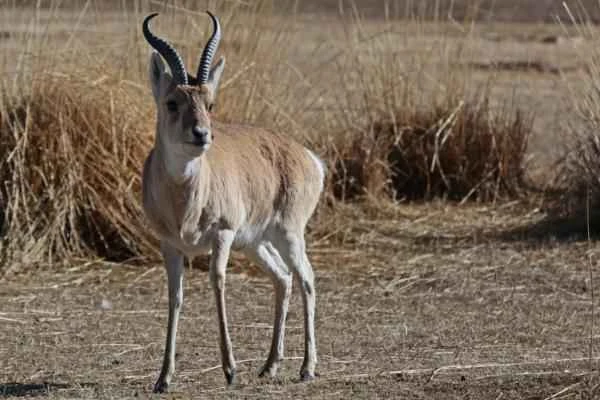
Przewalski's gazelle is an antelope species endemic to China, but its population has drastically declined, with fewer than 250 individuals remaining, mainly distributed around Qinghai Lake. It is non-migratory, and its habitat has shrunk significantly. It grazes in summer and feeds on lichens and mosses in winter, adapting itself to harsh environments.
Asian giant hornet (Vespa mandarinia)
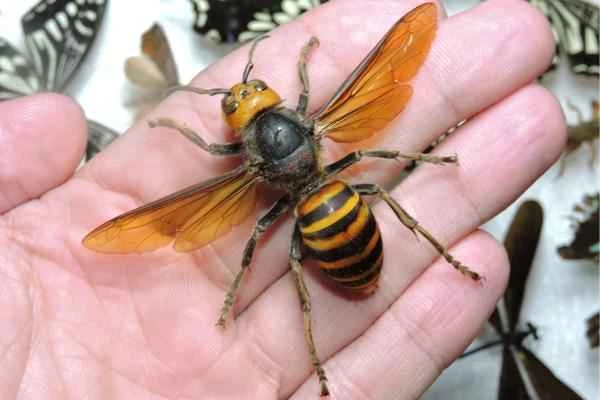
The stinger of the Asian giant hornet is 6 millimeters long and extremely venomous, posing a life-threatening risk. Its venom contains various neurotoxins, making it extremely dangerous to humans.
Recommended reading: Habits and hazards of the Asian giant hornet and its close relative, the Asian wasp.
Chinese cobra (Naja atra)
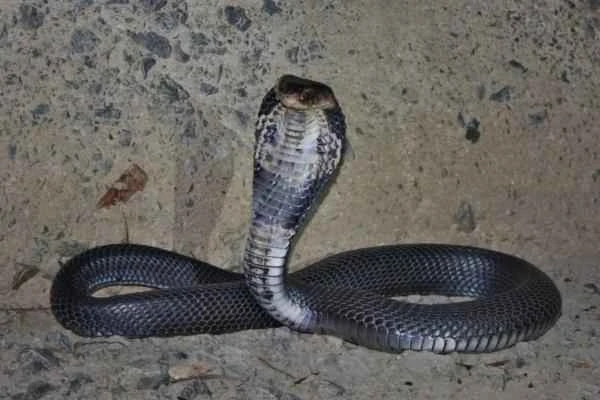
The Chinese cobra contains highly toxic cobra venom, which can be sprayed up to 2 meters away, causing tissue necrosis.
Recommended reading: World's Most Venomous Snakes Ranking
Goliath Giant Tarantula (Theraphosa blondi)
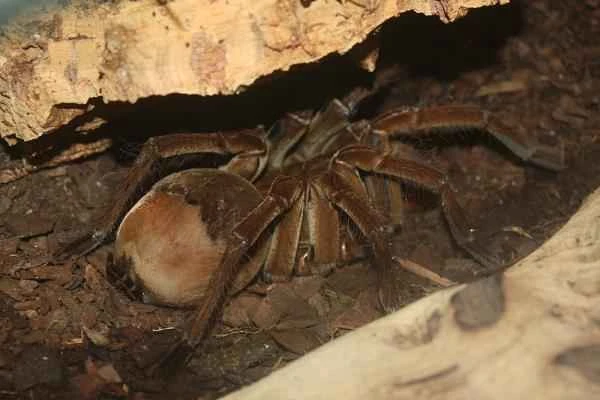
Also known as the giant bird spider, despite its name, it primarily preys on insects and small animals. It is not venomous to humans, but will bite if it feels threatened.
Recommended reading: Introduction to the world's largest spider
Red-headed Chinese discoid worm (Scolopendra subspinipes mutilans)
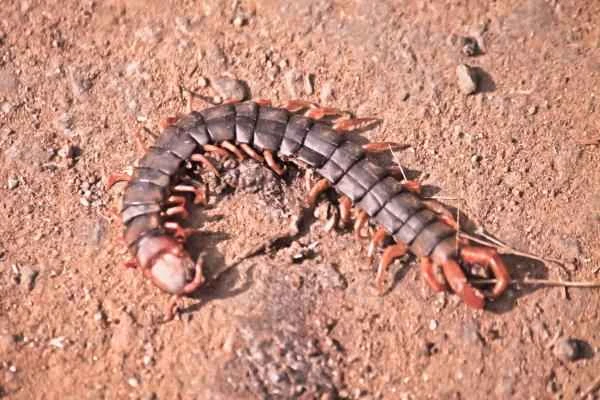
The red-headed discoid beetle is about 20 centimeters long and lives in damp environments. It is sought after by hunters due to its perceived medicinal properties. Its bite can cause vomiting, pain, and weakness.
Recommended reading: An introduction to myriapods
Asian tiger mosquito (Aedes albopictus)
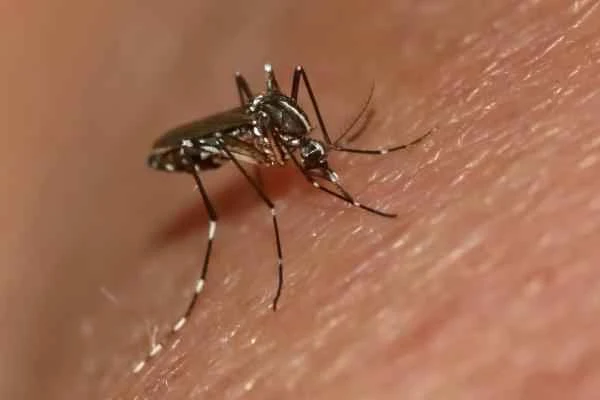
The Asian tiger mosquito is an important vector in China, capable of transmitting Zika virus, West Nile virus, and dengue fever. Its black and white body color makes it easily identifiable.
Recommended reading: Mosquito species and control
Bungarus fasciatus
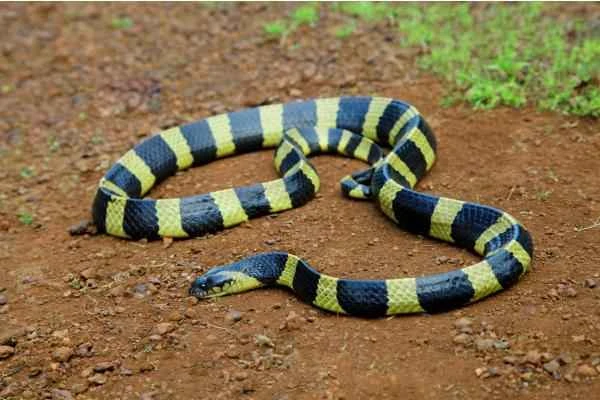
The multibanded krait is bright yellow with black stripes, and can exceed 2 meters in length. It is distributed in Southeast Asia and southern China and is a highly venomous snake.
Yangtze deer (Elaphodus cephalophus)
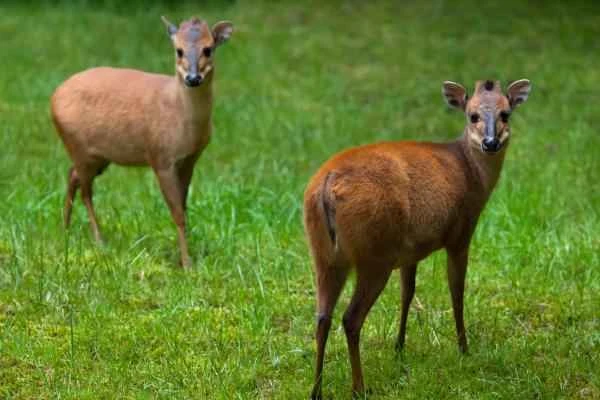
The Yangtze deer is a rare species of deer, endangered due to habitat loss. It stands about 60 centimeters tall and is characterized by its sharp, saber-like teeth.
Recommended reading: The difference between deer and roe deer
Chinese takin (Naemorhedus griseus)
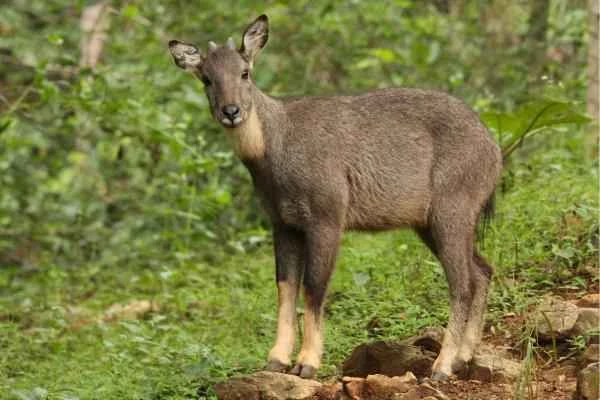
The Chinese takin is a small deer and a mountain goat, gray in color, and inhabits the wild and forests. It can reach a height of 60 cm and has a lifespan of about 17 years.
Red Panda (Ailurus fulgens)
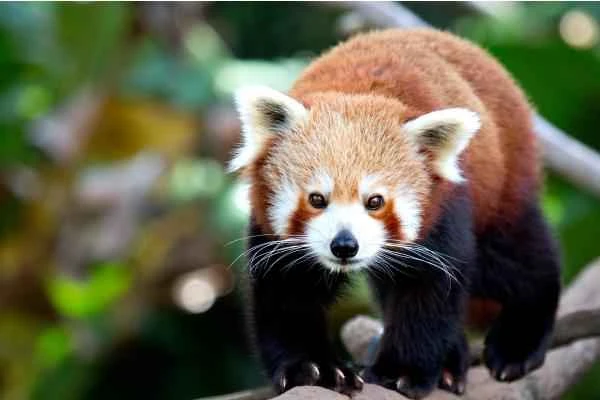
Also known as the red panda, it is a small carnivorous mammal with reddish-brown fur, about 60 centimeters in length and weighing about 6 kilograms. Its face is highly recognizable, and it inhabits the forests of the mountainous areas of southern China.
Recommended reading: Interesting facts about red pandas and the reasons for their endangerment.
Japanese Ibis (Nipponia nippon)
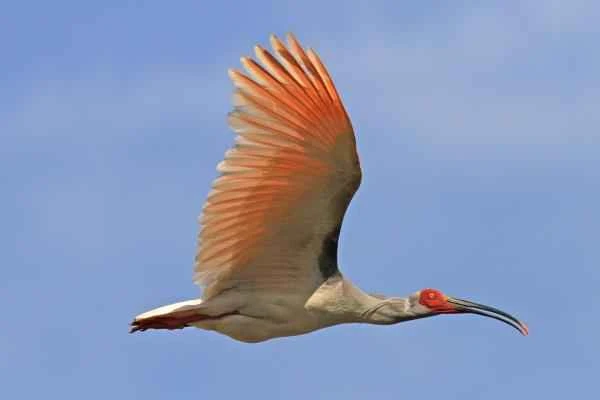
Distributed in China, Korea, and Japan, it often forages in rice paddies, thus being considered a pest bird by farmers. Its plumage is light pink, with a red head, face, and legs; its beak is black, slender, and slightly curved; and it has a crest of feathers on the back of its neck.
Chinese alligator (Alligator sinensis)
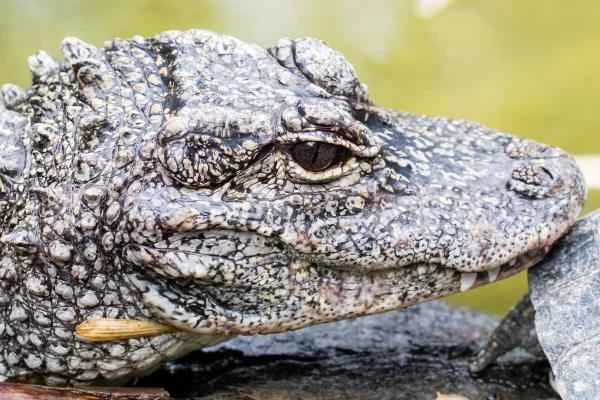
Resembling an American alligator, it feeds on fish and insects. Critically endangered in the wild, it is fortunate to thrive in captivity and reproduce well.
Recommended reading: Endangered Reptiles
Summary of endangered animals in China
China's endangered animals include:
Chinese giant salamander (Andrias davidianus)
Giant panda (Ailuropoda melanoleuca)
Przewalskii gazelle
Yak (Bos mutus)
Budorcas taxicolor
Yangtze deer (Elaphodus cephalophus)
Chinese alligator (Alligator sinensis)
To learn more, please read the special feature on Chinese flora and fauna.