Rodents are the most diverse and widely distributed group of mammals, found almost globally. Their small size, high reproductive rate, and ability to adapt to diverse environments and diets make them extremely successful in nature. Although rodents are often seen as pests and disease vectors on an economic and social level, they play an extremely important role in ecosystems.
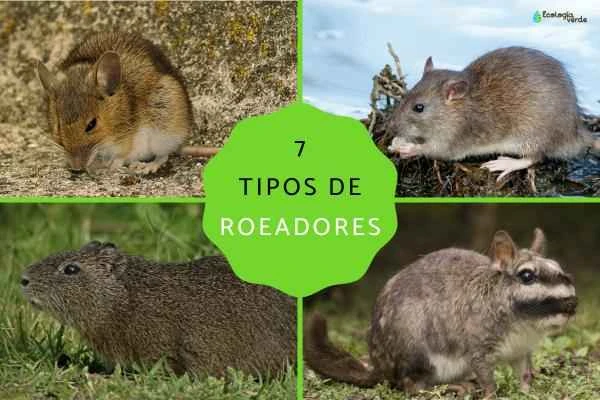
This article will take you on an in-depth journey into seven typical rodents, detailing their physical characteristics, habitats, diets, and ecological functions, helping you gain a comprehensive understanding of this fascinating animal group.
Basic characteristics of rodents
Variety in size : From tiny house mice to enormous capybaras, rodents vary greatly in length, with the largest reaching about 130 centimeters and weighing over 60 kilograms.
Abundant fur : Most rodents have thick fur, ranging in texture from coarse to silky, and the colors are mostly camouflage, helping them to hide in their natural environment.
Strong incisors : It has two continuously growing incisors on the upper and lower jaws for biting hard foods. It lacks canines and has a wide gap between its incisors (called interdental spaces).
Diverse dietary habits : Most are herbivorous, consuming leaves, fruits, seeds, roots, and stems; some species are omnivorous or insectivorous, and a few even feed on meat.
High reproductive capacity : They usually have a short gestation period and reproduce frequently, with some species reproducing multiple times a year; there are a few exceptions, such as capybaras, which have a longer gestation period and produce fewer offspring per litter.
Keen sense of smell and hearing : They frequently use their sense of smell for environmental perception and group communication, and are extremely sensitive to sudden sounds.
Wide range of habitats : encompassing various ecosystems including grasslands, wetlands, forests, deserts, and cities, and distributed in all areas except Antarctica and a few isolated islands.
Important ecological role : Rodents are key mediators of seed dispersal and vegetation regeneration.
Detailed Explanation of 7 Typical Rodents
1. House mouse ( Mus musculus )
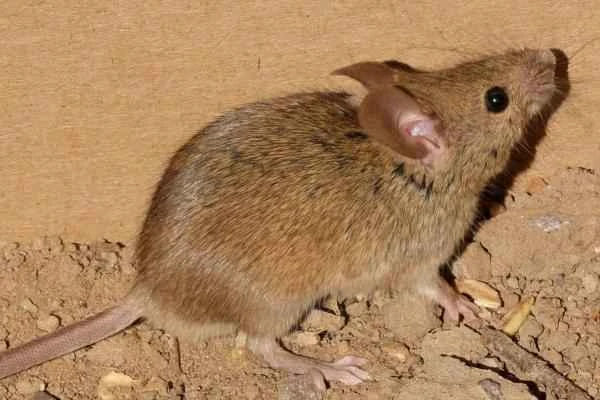
House mice are among the most common rodents, widely distributed in human settlements and rural areas. They are small in size, with soft fur, large, round ears, and a long, thin tail with distinct rings. They are one of the world's most influential invasive species and are frequently listed among the "World's 100 Most Harmful Invasive Species."
2. Brown rat ( Rattus norvegicus )
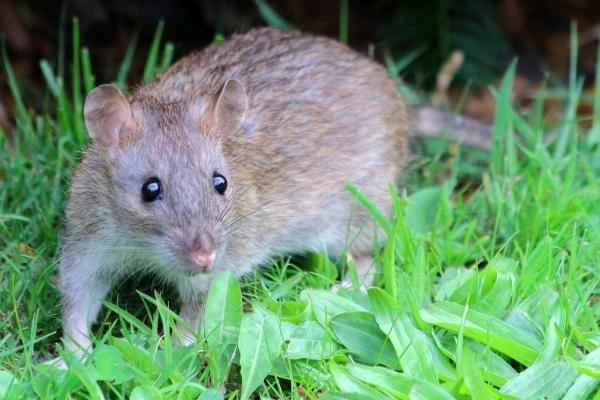
Brown rats are the largest common rodents, primarily nocturnal, adept at digging burrows but not climbing. They have short, coarse fur, faint tail rings, and prefer to inhabit areas near water sources.
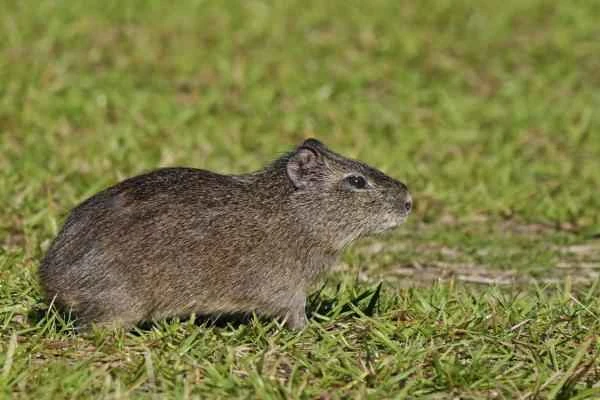
3. Guinea pig ( Cavia aperea )
This rodent is found in South America. It is diurnal and highly social. It has brownish-gray fur, a vestigial tail that is not visible, and is adept at digging shallow tunnels. It is a herbivore.
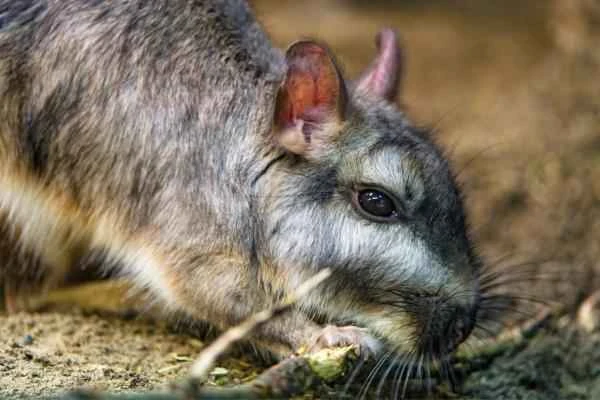
4. Steppe Visca ( Lagostomus maximus )
The steppe viscaccha is the only surviving species in its genus. It can reach 60 cm in length, has a large head, small ears, and long, thick whiskers and fur. It is primarily nocturnal, lives in groups, and inhabits underground tunnels. Its population has declined drastically due to hunting, and its conservation situation is dire.
5. Capybara ( Myocastor coypus )
Also known as the beaver rat, it lives in wetlands and is one of the largest rodents. It can weigh up to 10 kilograms, be about 60 centimeters in length, has thick fur, prominent orange front teeth, and is an excellent swimmer.

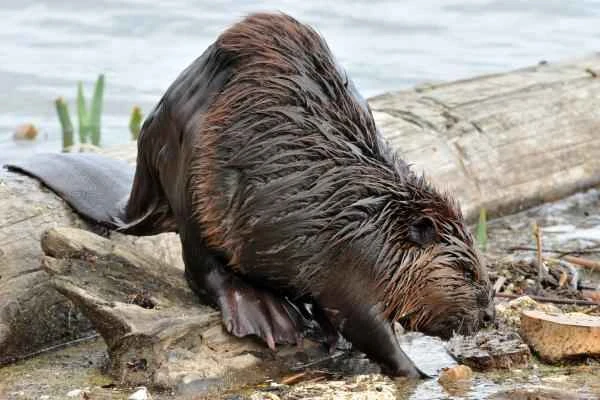
6. American beaver ( Castor canadensis )
Robust in stature with brownish-gray fur, it acts as an ecological engineer, capable of felling trees, building dams, and altering aquatic environments. As an invasive species, it has caused ecological impacts in certain areas, such as Tierra del Fuego in Argentina.
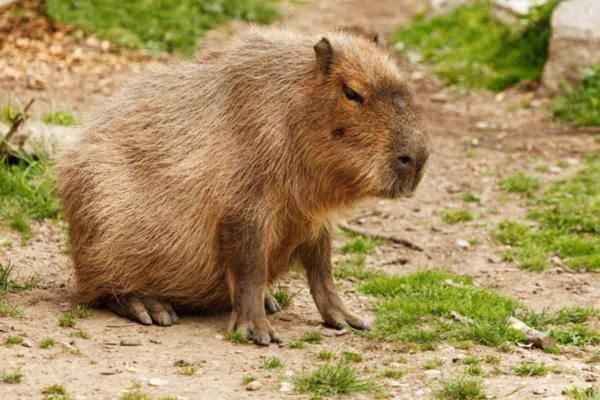
7. Capybara ( Hydrochoerus hydrochaeris )
The world's largest rodent, with a robust body, large head, short body, and extremely short tail. Its fur is reddish-brown, it is active at dusk, lives in groups in wetlands, and is an excellent swimmer.
This article will not only help you understand the diversity and characteristics of rodents, but also help you recognize their irreplaceable role in maintaining the health of ecosystems.
For more information, please visit our Wildlife Special Feature.
References
Priotto, J. and Steinmann, A. (2003). Module I: Rodent Biology. Municipal Rodent Handbook, Infectious Diseases Series.
Tzab-Hernández, LA and Macswiney-González, MC (2014). Rodents: Harmful or Beneficial? See: https://www.uv.mx/personal/cmacswiney/files/2010/10/Tzab-y-MacSwiney_2014.pdf