Animals have diverse modes of locomotion; some swim, some walk, and some even fly. However, we are most familiar with terrestrial tetrapods. Do you know what tetrapods are? Can you name some? This article will introduce you to tetrapods and list 18 typical tetrapods, giving you a comprehensive understanding of this important animal group.
Table of contents
What are tetrapods?
Main characteristics of tetrapods
African elephant (Loxodonta africana)
Cheetah (Acinonyx jubatus)
Wolf (Canis lupus)
Dairy cow (Bos taurus)
Triceratops spp.
Horse (Equus ferus caballus)
Bactrian camel (Camelus bactrianus)
Andean tapir (Tapirus pinchaque)
Wild boar (Sus scrofa)
Giraffe (Giraffa camelopardalis)
Domestic cat (Felis silvestris catus)
White rhinoceros (Ceratotherium simum)
List of other common four-legged animals
What are tetrapods?
Tetrapods are animals that walk on four limbs and belong to the vertebrate group within the phylum Chordata. It's important to clarify that not all animals with four limbs are tetrapods; for example, humans have four limbs but walk on two legs. Tetrapods are animals whose limbs simultaneously contribute to both support and propulsion during movement.
Characteristics of tetrapods
The limbs are similar in size, including two forelimbs and two hindlimbs.
The body weight is evenly distributed across the limbs, with at least one foot in contact with the ground to maintain movement.
The body is parallel to the ground, in a horizontal position.
With well-developed limb muscles, he moves with coordinated and efficient movements.
The skeletal structure and pelvis are adapted to quadrupedal walking, with a clear distinction between the anterior and posterior structures.
Introduction to 18 typical tetrapods
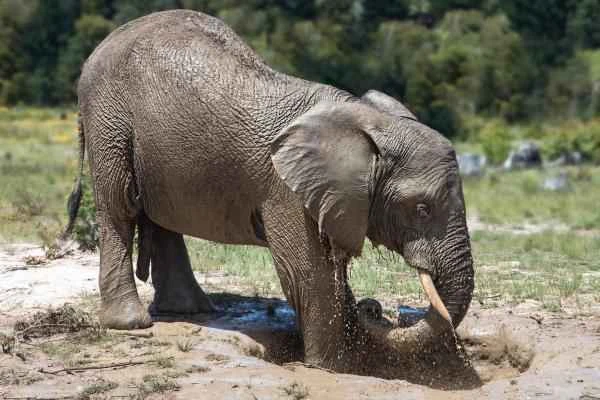
African elephant (Loxodonta africana)
African elephants are the largest land quadrupeds, weighing up to 6 tons. Their feet have wedge-shaped fat pads that support their heavy weight. They can also sense infrasound waves over long distances through their feet, transmitting information.
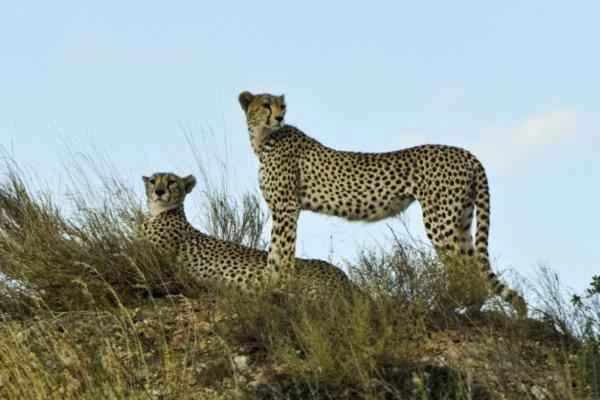
Cheetah (Acinonyx jubatus)
Cheetahs are the fastest land animals in the world, capable of accelerating to 96 km/h in 3 seconds, but can only maintain this high speed for short periods. They are muscular and have streamlined bodies, adapted for rapid hunting.
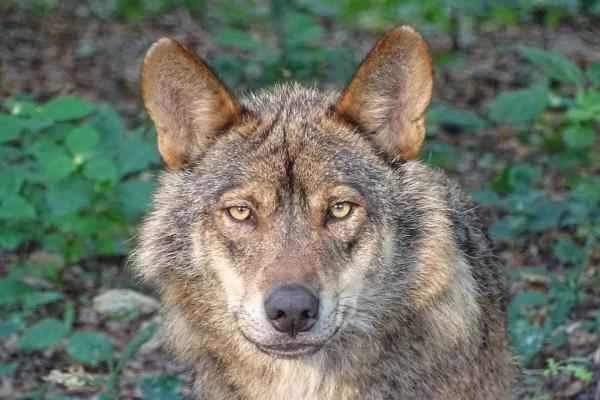
Wolf (Canis lupus)
Wolves are the ancestors of dogs, walk on all fours, and can adapt to temperature differences from -30°C to 20°C. They have special blood vessels in their feet with a temperature exchange mechanism to prevent their feet from freezing.
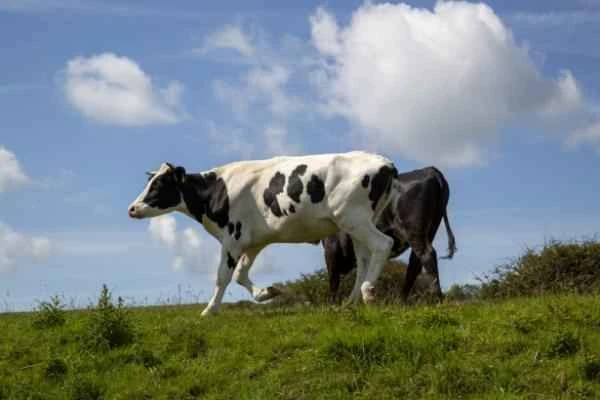
Dairy cow (Bos taurus)
Dairy cows are large animals with hooves at the ends of their four limbs, each with two toes. They belong to the even-toed ungulates and walk by supporting their weight on their hooves.
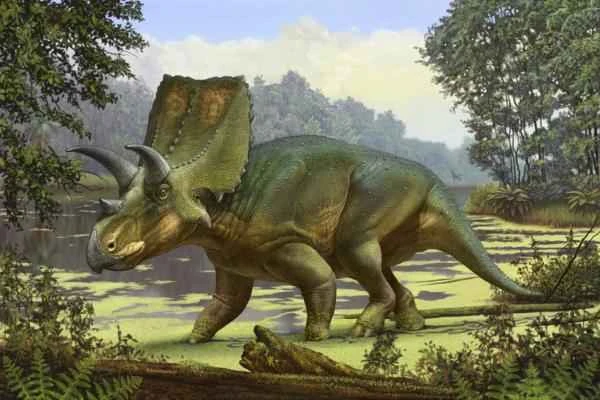
Triceratops spp.
Extinct tetrapods of the dinosaur family had strong skeletons that could support a weight of about 6 tons, and their limbs were stable and suitable for carrying heavy loads.
Horse (Equus ferus caballus)
Horses are quadrupedal animals bred specifically for running, possessing strong muscles and optimized hooves, enabling them to run long distances.

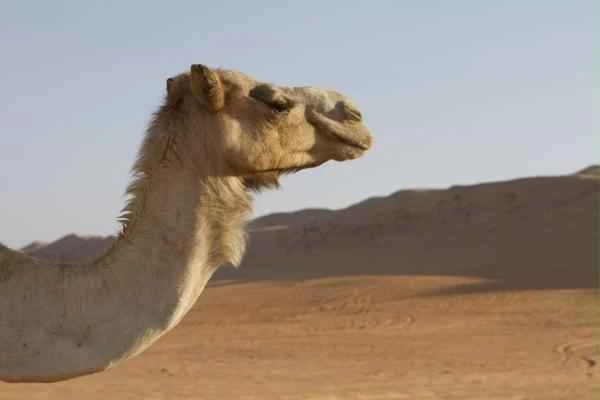
Bactrian camel (Camelus bactrianus)
Known for its long limbs, it is adapted to long-distance desert treks. When resting, it kneels down and folds its limbs.
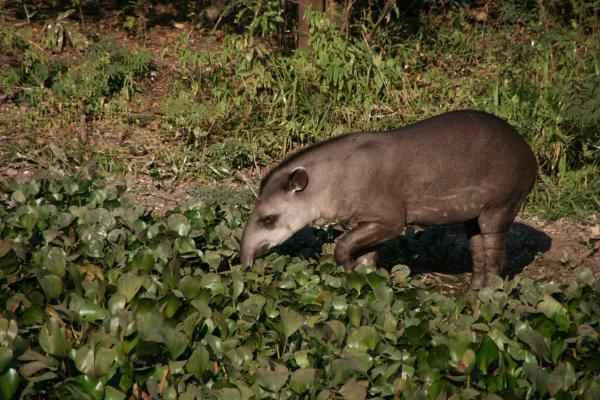
Andean tapir (Tapirus pinchaque)
It has slender but strong limbs and belongs to the odd-toed ungulates. It has four toes on its forelimbs and three on its hind limbs, which is an adaptation to the humid mountain environment.
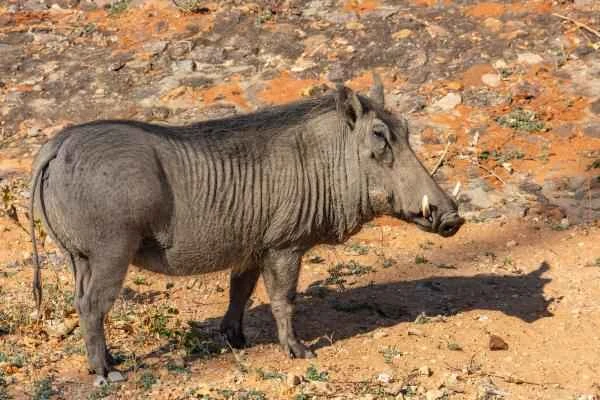
Wild boar (Sus scrofa)
Wild boars are sturdy with short limbs, but they are agile and adapted for fast running.
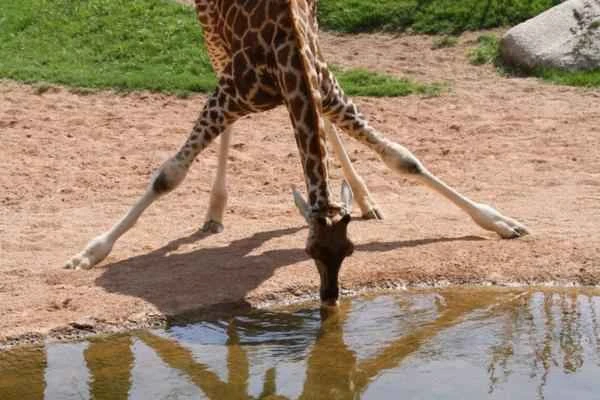
Giraffe (Giraffa camelopardalis)
With the longest limbs, it can easily forage for tall leaves and adapt to a highly competitive food resource environment.
Domestic cat (Felis silvestris catus)
A flexible quadruped with a strong ability to climb trees. Its gait is unique, with its hind feet stepping on the footprints of its forelimbs.

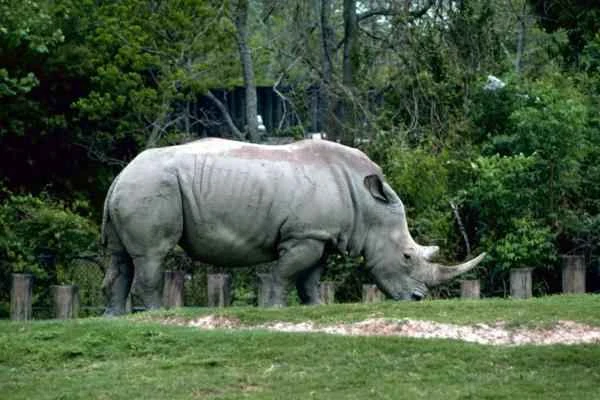
White rhinoceros (Ceratotherium simum)
It is huge, weighing up to 4 tons, with thick limbs. It belongs to the odd-toed ungulates and has a relatively long central toe for balance.
More common quadrupedal animals
Lion (Panthera leo)
White-tailed deer (Odocoileus virginianus)
American camel (Lama glama)
Hippos (Hippopotamus amphibius)
Domestic pig (Sus scrofa domestica)
Impala (Aepyceros melampus)
To learn more about fascinating quadrupeds, please visit our Wildlife section.
bibliography
Beatty, R., Beer, A., and Deeming, C. (2010). The Book of Nature. Gran Bretaña: Dorling Kindersley.
Hammond, P. (2010). *The World's Most Dangerous Animals: A Pictorial Guide to Nature's Natural Killers*. Marshall Cavendish Publishing.