Australia's national treasure - kangaroo
Kangaroos are undoubtedly Australia's most prominent and iconic animals, primarily found on the Australian mainland and parts of Papua New Guinea. They outnumber humans in Australia, using their powerful hind legs to leap up to 15 feet at a time. Kangaroos are Australia's national symbol and the only mammal whose primary mode of locomotion is hopping. Different species of kangaroos inhabit a wide variety of natural environments across Australia, from cool-climate rainforests and desert plains to tropical regions. Kangaroos are the highest and farthest jumping mammals.
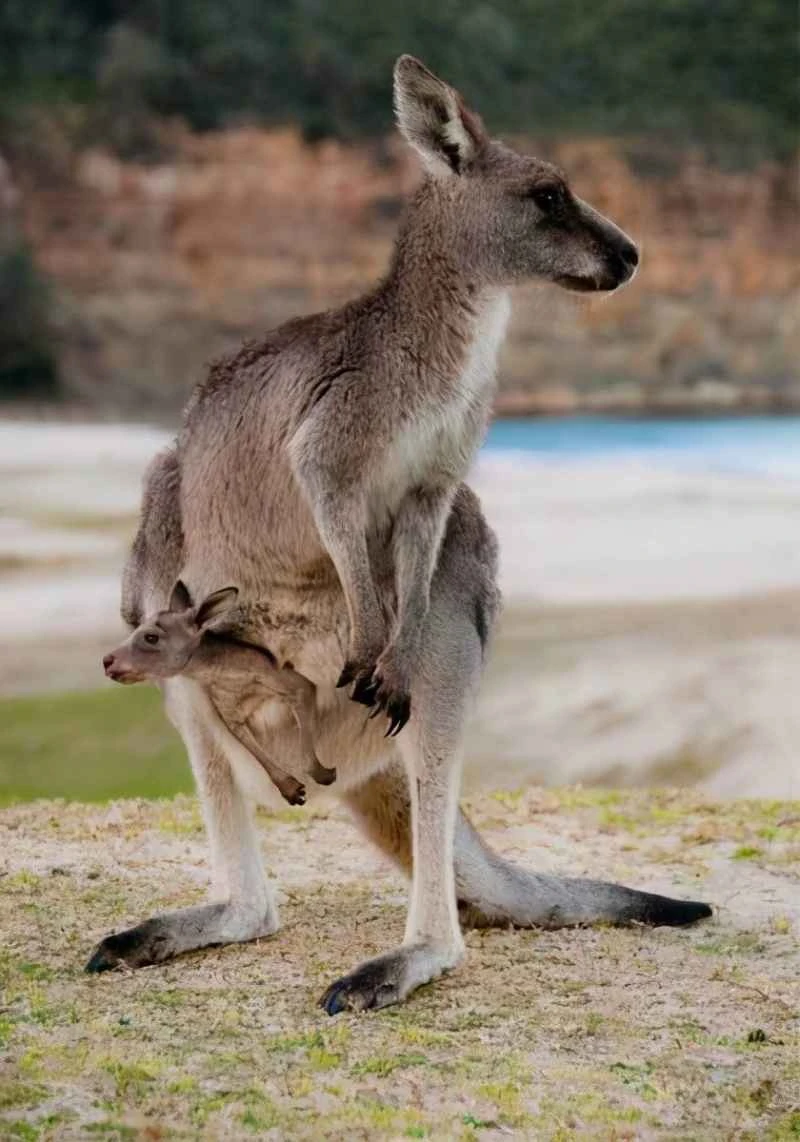
kangaroo
Australia's national treasure - the koala
Koalas typically live in eucalyptus forests and have gray or brown fur. They can survive for long periods without water, obtaining most of their water from the eucalyptus leaves they eat. This species grows to about 60 to 85 centimeters long and weighs about 14 kilograms. They sleep for up to 18 hours a day and are gentle in nature with a憨厚 (honest and simple) appearance.
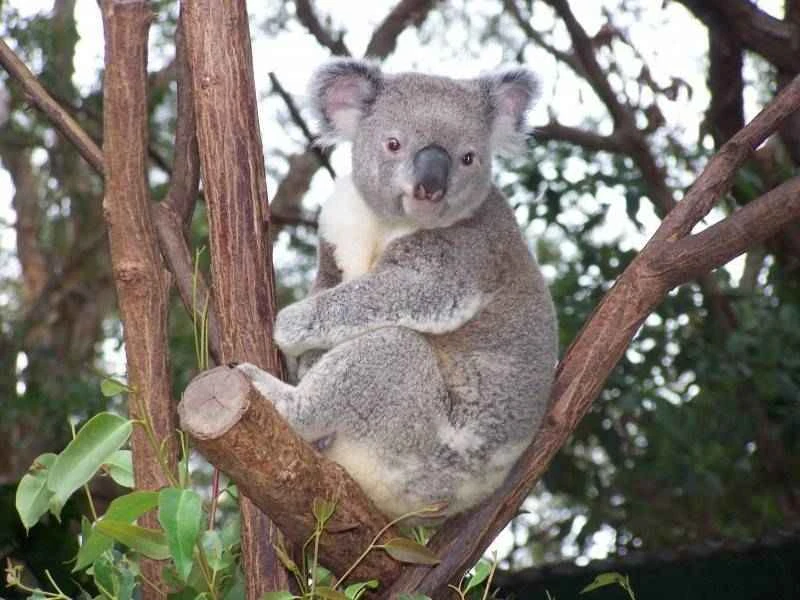
koala
Australia's national treasure - the platypus
The platypus is by far the strangest animal in Australia, extremely rare and found only in eastern Australia. Male platypuses have glands on their legs that produce toxins, but these are not fatal to humans. In the wild, the platypus has a lifespan of about 12 years; however, in captivity, it can live up to 17 years. They weigh between 0.7 and 2.4 kg, with males averaging about 50 cm in length, while females are smaller, averaging 43 cm in total length.
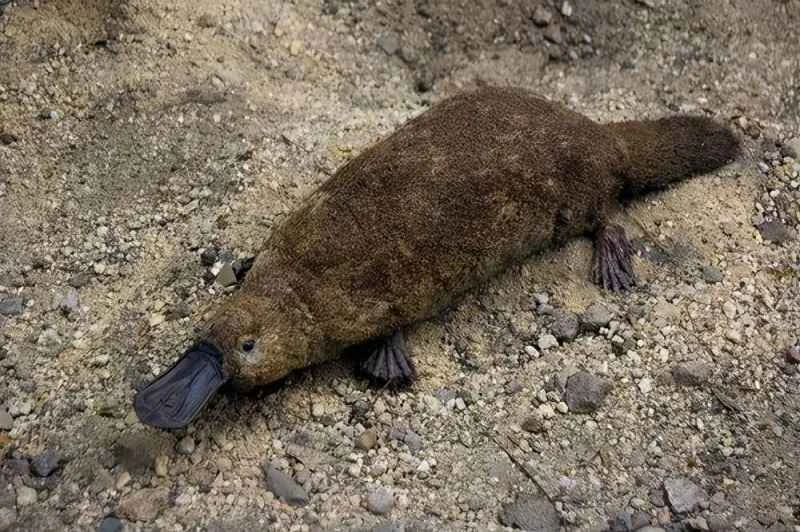
platypus
Wombat
Wombats are robust, bear-like animals with small eyes and a rat-like face. They can weigh up to 35 kilograms, have a slightly flattened skull, a relatively short snout, short, muscular legs, and a body length of about 1 meter. They also have a short tail and are shorter and stockier than koalas. These uniquely shaped animals live in temperate regions, inhabiting burrowing environments suitable for forests, hills, and coastal areas. They range in size from 2.5 to 3.5 feet and dig burrows up to 1 meter deep, venturing out at night to forage. They are social animals and herbivores, feeding on grass, roots, shrubs, moss, and bark. They can run at speeds of up to 40 miles per hour, but only for short distances. The average lifespan of a wombat in the wild is 5 years, while in captivity it is 30 years.
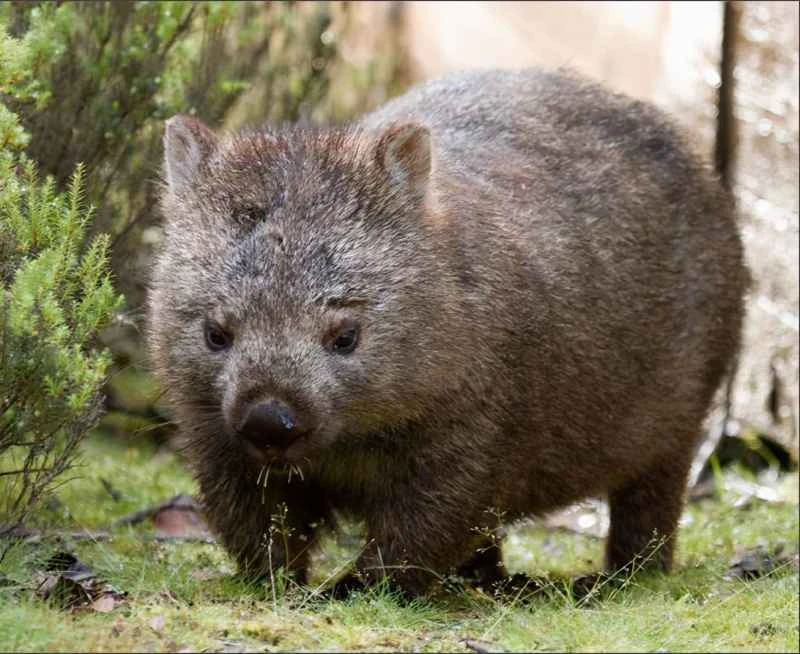
Wombat
Black Swan
The black swan, native to Australia, is an important member of the swan family and a world-renowned ornamental bird. It is a large waterfowl belonging to the genus *Cygnus* in the family Anatidae, measuring 110-140 cm in length, with a wingspan of 160-200 cm and a weight of 3.7-8.75 kg. It possesses the longest neck among swan species. It is distributed in southwestern, southern, and eastern Australia. Later, it was introduced to Singapore, other countries, and parts of Western Europe. Black swans have black plumage, a red bill, and white wings. During the breeding season, they nest in wetlands, laying four to seven eggs. This species has also been introduced to New Zealand, and can be seen in Indonesia and New Guinea. These birds are herbivores, feeding on algae and aquatic plants, and using their long necks to reach deeper waters.
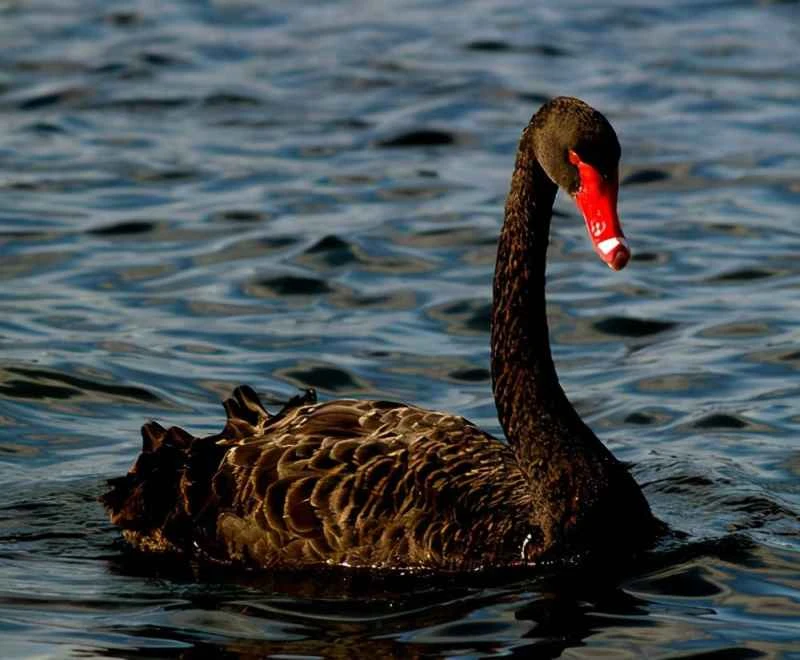
Black Swan
Black-shouldered Kite
The Black-shouldered Kite is a medium-sized bird of prey with a striking appearance, featuring black or white plumage. It typically measures 33-38 centimeters in length and possesses exceptional flying and gliding abilities; its ability to hover in mid-air is unique among eagles. It has distinctly black and white plumage, bright red eyes, and yellow legs. Its diet consists mainly of rodents, insects, small birds, hares, and reptiles found in fields.
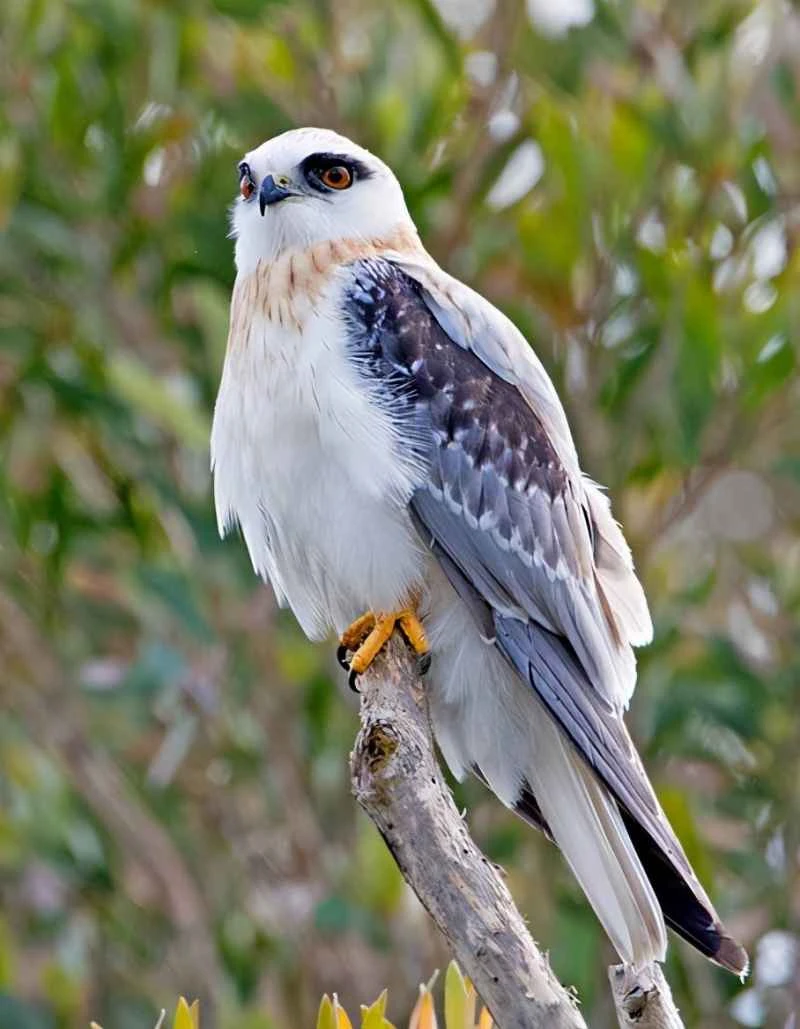
Black-shouldered Kite
buccal
The bimbill is the smallest marsupial in the world. It measures 55 cm in body length and 23 cm in tail length, weighing 0.8-2.5 kg. It has a slender body. Its large, rabbit-like ears give it its name. It has a long, pink, hairless, and robust snout. Its slender hind legs resemble those of a kangaroo. Its fur is soft and long. Its back is grayish-blue, and its belly is white. Its long tail is gray and black with a white tip. They are skilled diggers, living in burrows to avoid predators such as wild dogs and foxes. They avoid foraging during the day, often hunting at night. They are solitary animals, with males larger than females, and they only congregate once a year during the mating season.