The name Seismosaurus means "lizard that causes the earth to shake". It is now renamed Diplodocus hominis. It was the largest Diplodocus of the Jurassic period and the largest dinosaur. It was called Seismosaurus because it would cause the earth to shake when it walked. An adult Seismosaurus (Diplodocus hominis) weighed about 100 tons.
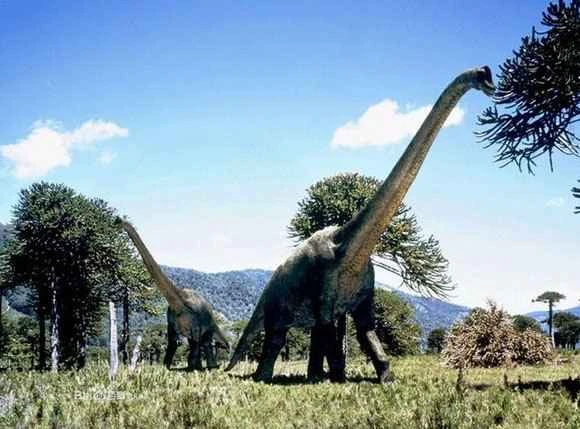
I. Physical Characteristics of the Earthquake Dragon
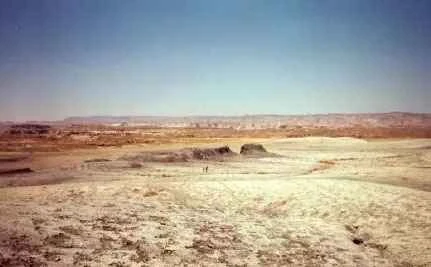
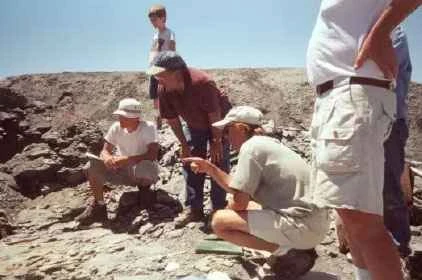
Seismosaurus was one of the larger herbivorous dinosaurs, living during the Late Jurassic period. It had a tail slightly longer than its neck, a small head, and a claw-like toe. Seismosaurus was named after some of its skeletal remains discovered in New Mexico in 1979, which included the vertebrae, pelvis, and ribs. The stones, initially thought to be gastroliths, appear to be pebbles deposited by a river. Seismosaurus was formally described and named in 1991, belonging to the Diplodocidae family.
Like other Diplodocidae dinosaurs, Seismosaurus's nostrils were located at the front of its snout, but its nasal openings were located on the top of its head. While its forelimbs were slightly shorter than its hind limbs, Seismosaurus possessed a longer tail and a robust pelvis. Initial estimates place its length at least 50 meters. However, it has since been reduced to 29-42 meters in length and 22 tons in weight.
Among the 774 known dinosaur species, it ranks 6th in size.
Dinosaurs similar in size to Seismosaurus include Futalongcosaurus, Andesosaurus, Puertasaurus, Amphicoelias fragillimus, Argentinosaurus, and Supersaurus.
Seismosaurus is the longest land animal to have ever lived on Earth, and is naturally the "king of length" in the dinosaur kingdom. Most of its skeletal remains have been unearthed, which is extremely rare among large sauropod dinosaurs, contributing to our understanding of it. Seismosaurus had extremely long cervical vertebrae and a tail, making its body appear short and stout in comparison. This suggests that it may have weighed less than Supersaurus.
II. Fossils of the Earthquake Dragon
Seismosaurus is a representative of the largest dinosaurs, with the first Seismosaurus fossil discovered in 1991. Based on the complete Diplodocus skeleton at the Carnegie Museum of Natural History in Pittsburgh, Pennsylvania, which included 13 caudal vertebrae from other dinosaurs, the estimated length of Seismosaurus was increased by 30%. The dinosaur was estimated to be 42–67 meters long and weighed over 100 tons.
III. Habits of the Earthquake Dragon
Like other Diplodocidae dinosaurs, Seismosaurus's teeth were only located at the front of its mouth and were very small, limiting its diet to tender, juicy plants. Its long, whip-like tail helped it defend itself against predators and drive away other small animals in its path. One can imagine the Seismosaurus whipping its tail as it ate.
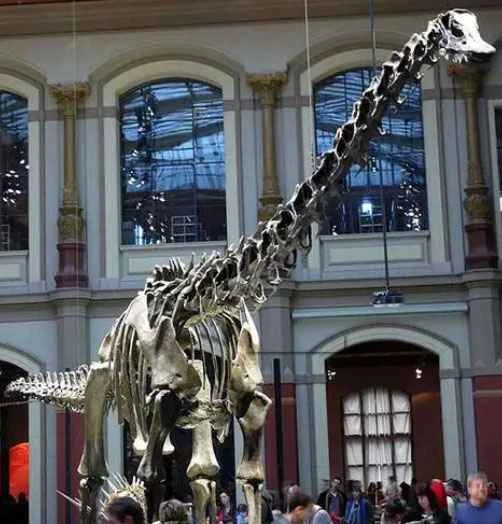
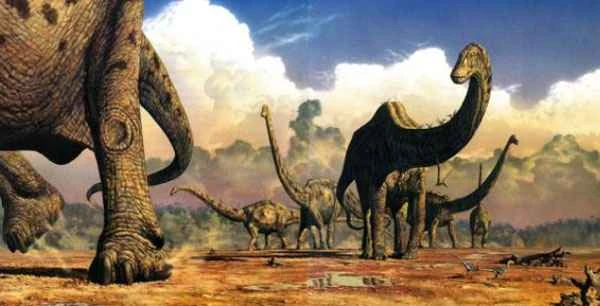
Seismosaurus was a giant dinosaur, but despite its enormous size, its head was slender and small. Its nostrils were located on the top of its head. The front of its mouth had flat teeth, while the sides and back of the mouth were toothless. Its forelegs were shorter than its hind legs, and each foot had five toes, one of which had a claw. Seismosaurus lived in groups and moved very slowly.
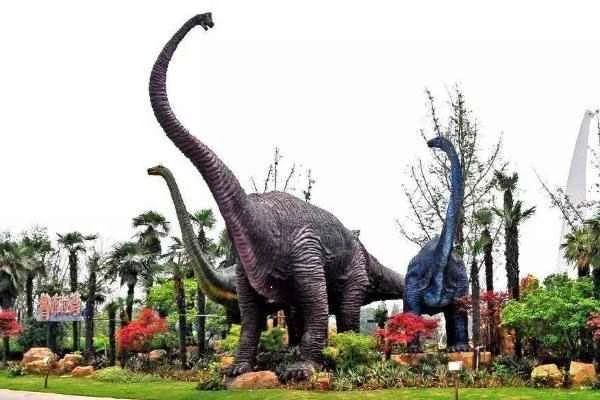
Seismosaurus didn't build nests; they laid their eggs while walking, resulting in a long line of eggs. They didn't care for their young. Seismosaurus had very small heads, so they weren't very intelligent.
The earthquake dragon was a herbivore. When it ate, it did not chew, but swallowed food such as leaves directly.