Freshwater fish refer to fish that live in freshwater environments with a salinity of less than 3%. Statistics show that there are nearly 3,000 species of fish in my country, of which about 1,000 are freshwater fish. So, which freshwater fish have the best taste? We've compiled a list of the top ten most delicious freshwater fish for your reference. These freshwater fish are: mandarin fish, pufferfish, catfish, mandarin fish, ribbonfish, shad, perch, sturgeon, silverfish, and yellow catfish. These freshwater fish not only have delicious flesh but are also rich in various nutrients, offering excellent health benefits. You can choose the freshwater fish species that suit your taste and needs.

1. Mandarin fish (tender and juicy/fragrant, recommended: Squirrel Mandarin Fish/Vinegar-braised Mandarin Fish)
Mandarin fish is a carnivorous freshwater fish with a ferocious nature, feeding on other aquatic animals and fish. It is one of the most popular freshwater fish due to its tender, juicy, and delicious flesh. After cooking, mandarin fish releases a rich aroma that can be smelled from afar. Squirrel-shaped mandarin fish is a representative dish; the boneless mandarin fish is scored, marinated, coated in egg yolk batter, and deep-fried until cooked through. Finally, it is drizzled with a sweet and sour sauce, resembling a squirrel, crispy on the outside and tender on the inside, with a delicious sweet and sour flavor. Stinky mandarin fish is a famous dish of Anhui cuisine. Although it has a slightly pungent odor, the flesh is delicate, smooth, and flavorful, making it very delicious.

2. Pufferfish (firm and chewy/delicious flavor, recommended: pufferfish sashimi/pufferfish soup)
Pufferfish meat is a delicious and nutritious freshwater edible fish, hailed as the "king of dishes." However, it's important to note that the ovaries, liver, kidneys, eyes, and blood of pufferfish contain potent toxins. Improper handling or accidental ingestion can lead to poisoning or even death. Pufferfish has well-developed muscles and extremely low fat content, resulting in its unique firm and chewy texture. It is also rich in amino acids such as glutamic acid and glycine, which contribute to its umami flavor. In culinary circles, there's a saying: "Without eating pufferfish, you don't know the taste of fish; after eating pufferfish, all other fish taste bland," highlighting its exceptional deliciousness. Pufferfish can be eaten raw, sliced and served with orange vinegar, spicy grated radish, and scallions—a refreshing and flavorful dish with a delightful elasticity. Pufferfish soup with rice is also an unforgettable experience.
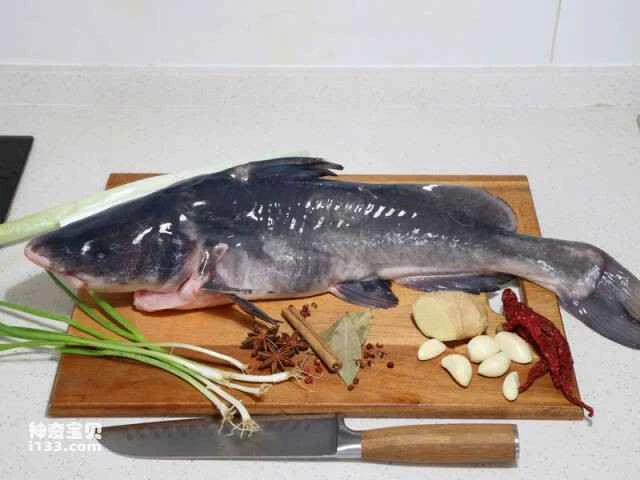
3. Catfish (tender flesh with few bones / fatty but not greasy, recommended: braised catfish / steamed catfish with black bean sauce)
The catfish, also known as the soft-shelled turtle or fat catfish, is distributed in various river systems in my country, including the Liaohe, Huaihe, Yangtze, Minjiang, and Pearl River systems, with the Yangtze River system being the most prevalent. Catfish has tender, smooth flesh, few bones, and an excellent, delicious flavor. It boasts a high protein content of 13.7% and a fat content of 4.7%, making it a top-quality freshwater edible fish. Its unique features include its soft-edged belly and thick swim bladder, which, after drying, become a translucent and prized fish maw with a thick gelatinous layer and pure flavor. The "Penholder Fish Maw" from Shishou, Hubei Province, is particularly renowned. Catfish can be prepared in various ways, including steaming, boiling, braising, and frying. Braised catfish is a classic dish. Marinate the prepared catfish first, then pan-fry it. Next, bring it to a boil with a sauce, add the pan-fried catfish pieces and simmer. Thicken the sauce with a little cornstarch slurry, and once the sauce is thick, it's ready to serve. Sprinkle with a little white sesame seeds for extra flavor.

4. Mandarin fish (tender and delicious/not fishy with a slightly sweet taste, recommended: braised mandarin fish/braised mandarin fish)
Culter alburnus, scientifically known as *Culter chinensis*, is a species of fish belonging to the Cyprinidae family and the *Culter* genus. Its flesh is white, tender, and delicious, making it a favorite among consumers. Widely distributed in China, its flavor far surpasses that of other freshwater fish such as crucian carp, common carp, grass carp, black carp, bream, silver carp, and bighead carp, making it a top choice among freshwater delicacies. The best way to prepare it is braised. After marinating, the fish is braised and then dipped in a spicy and appetizing broth. This allows the fish to absorb the umami flavor of the braising liquid, making the flesh tender and soft, without any fishy taste, and intensely spicy and delicious. For culter alburnus weighing less than 1.5 jin (approximately 0.75 kg), there are often many small bones. If there are elderly people or children in the family, it is recommended to choose culter alburnus weighing more than 1.5 jin (approximately 0.75 kg) for easier handling.
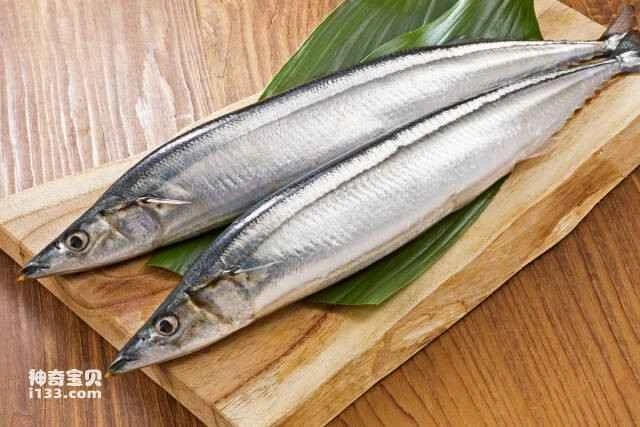
5. Knife fish (delicious and flavorful, not greasy; recommended: grilled knife fish/crispy baby knife fish)
The knife fish is one of the "Three Delicacies of the Yangtze River." Every spring, schools of knife fish migrate upstream, forming large-scale fishing seasons, which is the best time to enjoy them. There's a saying, "Knife fish emerge from the spring mist," because the knife fish is one of the earliest seasonal fish in spring. The knife fish has a long, narrow, and thin body, resembling a sharp knife. It is silvery-white, with tender flesh, but contains many fine, hair-like bones. The meat is delicious, rich but not greasy, and has a subtle fragrance. The knife fish is rich in protein and fat, especially fat, which is significantly higher than that of other premium fish. It is a nutritionally balanced, delicious, and healthy freshwater fish. The knife fish harvesting season begins in mid-to-late March each year, reaching its peak around the Qingming Festival. After Qingming, the bones harden, and the taste becomes much coarser. Therefore, to enjoy the freshest knife fish, it is essential to catch it before Qingming.

6. Shad (smooth texture/no need to scale, recommended: steamed shad/shad with fermented rice wine)
Shad is a delicious freshwater fish, unique in that it doesn't need to be scaled, as the scales are rich in fat, making it smoother and more palatable. In China, shad are mainly distributed in the middle and upper reaches of the Yangtze River. From April to June, they migrate in groups to freshwater to spawn, at which time their quality and taste are at their peak. Steaming is the traditional way to prepare shad, ensuring its freshness is well preserved. Another unique preparation is shad cooked with fermented rice wine. Shad has tender, flavorful flesh, and its scales are rich in fat, with oil filling the spaces between the scales. This fish is believed to have nourishing and strengthening properties. Paired with sweet fermented rice wine and high-quality yellow wine, the delicious flavor of the fish is elevated to its highest level. In short, both steaming and fermented rice wine are excellent ways to cook shad.
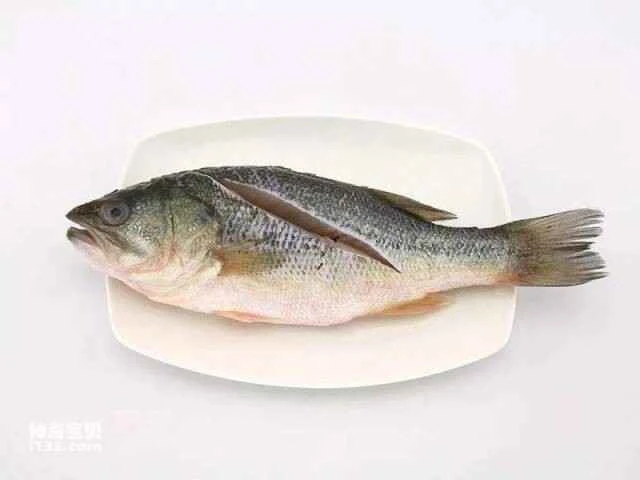
7. Sea bass (tender and elastic flesh/not too fishy smell, recommended: steamed fresh sea bass/dry-fried sea bass)
Sea bass is a delicious edible fish, divided into sea bass and freshwater sea bass. Sea bass has a tougher texture and a stronger fishy smell, while freshwater sea bass has tender and smooth flesh, making it one of the most popular freshwater fish. If you want to steam sea bass, it is recommended to choose freshwater sea bass because its flesh is very tender and easily falls apart during steaming, forming a "garlic clove" effect, resulting in a more bouncy texture and a richer aroma.
So, how do you distinguish between sea bass and freshwater bass? Sea bass are larger than freshwater bass and have many small black spots all over their bodies. In addition, their lower jaw protrudes more than their upper jaw, giving them a slightly protruding lower jaw. Freshwater bass, on the other hand, are relatively smaller, primarily yellowish-brown in color, and have a more normal mouth shape.

8. Sturgeon (delicate and flavorful meat/boneless and soft bones, recommended: steamed sturgeon/sturgeon head soup)
Sturgeon is one of the oldest living vertebrates and is considered one of the most delicious freshwater fish in China. Especially the artificially bred hybrid Chinese sturgeon, with its delicate flesh and delicious flavor, is highly favored by diners. Although most sturgeon sold in the market is farmed, its nutritional value is comparable to that of wild sturgeon. Sturgeon meat is delicious, boneless, and soft, and its bones are extremely high in collagen, giving it unique nutritional value.
Sturgeon can be cooked in many ways, such as steaming, braising, and making soup. Steamed sturgeon is a classic dish made primarily with sturgeon, scallions, and ginger. Its savory flavor preserves the sturgeon's natural freshness and tender, fatty texture. It's important to note that adding too many seasonings can mask the sturgeon's unique flavor. Sturgeon can also be made into a delicious jelly. In short, whether considering its nutritional value or its exquisite taste, sturgeon is a must-try delicacy, often referred to as a "national treasure of the water."
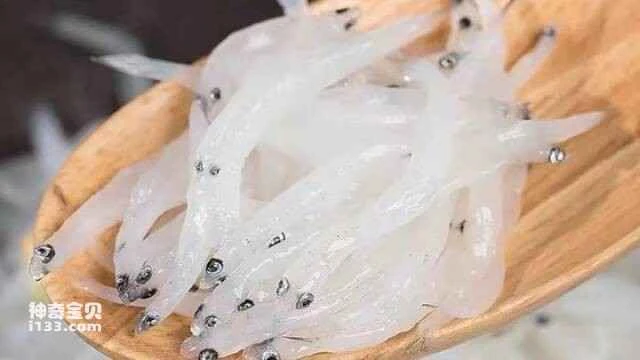
9. Silverfish (delicate and smooth/fine-textured and delicious, recommended: silverfish omelet/crispy silverfish)
Silverfish, also known as whitebait or noodle fish, is a delicious fish rich in calcium, high in protein, and low in fat. It has almost no large bones, making it ideal for children. Silverfish are long and slender like chopsticks, with a pure white color like silver bars, translucent and smooth, with tiny bones slightly visible inside. Its flesh is tender and flavorful, making it a nutritious and delicious ingredient whether pan-fried or used in other dishes.
Pan-fried silverfish is a simple yet nutritious dish. The unique ingredient, combined with careful cooking, results in a savory, fresh, and fragrant flavor. It not only retains the delicate and smooth texture of the silverfish but also leaves a lingering aftertaste. Silverfish are generally more abundant in spring and autumn. They are small in size and can be eaten simply by cleaning; there's no need to remove the fins and bones. They are considered a "whole food," rich in nutrients, and help boost the immune system and slow down aging. In short, silverfish is a delicious and healthy ingredient, making it an indispensable part of any family recipe.
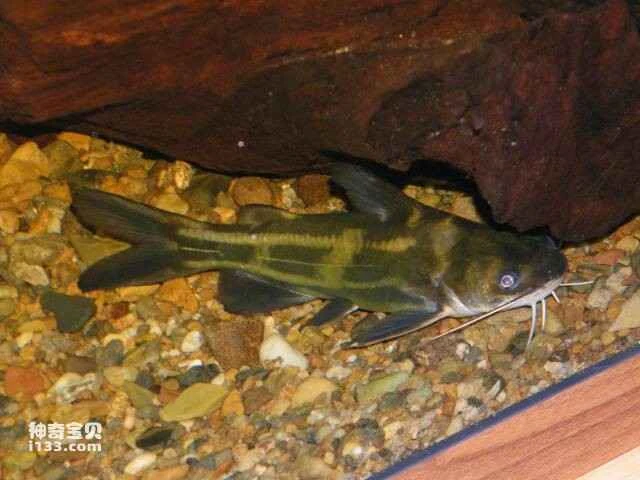
10. Yellow catfish (delicate flesh/no bones, recommended dishes: braised yellow catfish with tofu/braised yellow catfish)
Yellow catfish is one of the ten most delicious freshwater fish in China, prized for its tender flesh and boneless nature. An omnivorous freshwater fish, it commonly inhabits slow-moving, weed-rich shallow waters around lakes and in rivers flowing into them, making it a very common freshwater species. Generally, yellow catfish is cooked by stewing, often with tofu, pickled vegetables, tomatoes, and other ingredients, along with appropriate amounts of rice wine, ginger, and salt. It's best to simmer it over low heat, allowing the sour broth to become increasingly flavorful and rich. The resulting yellow catfish has tender flesh and a delicious, savory broth. Many people in Guizhou love this sour soup; there's a saying: "In Guizhou, if you don't eat sour food for three days, you'll walk like a sponge."
In short, as one of the most delicious freshwater fish in China, the yellow catfish is not only flavorful but also highly nutritious. Its unique taste and healthy nutritional value make it suitable for everyday family meals as well as an indispensable delicacy at banquets on various occasions.
This list of ten delicious freshwater fish in China is compiled by the editor based on information such as the taste, characteristics, quality, public awareness, and awards received by freshwater fish in my country, and also references relevant online rankings. This list is for reference only; if you have any questions, please feel free to comment/discuss at the end.