Spain is renowned for its rich ecosystems and wildlife, but not all animals are docile and harmless. Some species possess venom, electric shocks, sharp teeth, or exhibit highly aggressive behavior, posing a potential threat to humans. Whether you're a hiker, diver, or casual traveler, knowing this list of dangerous animals in Spain can help raise your safety awareness. This article lists the 10 most dangerous animals in Spain!
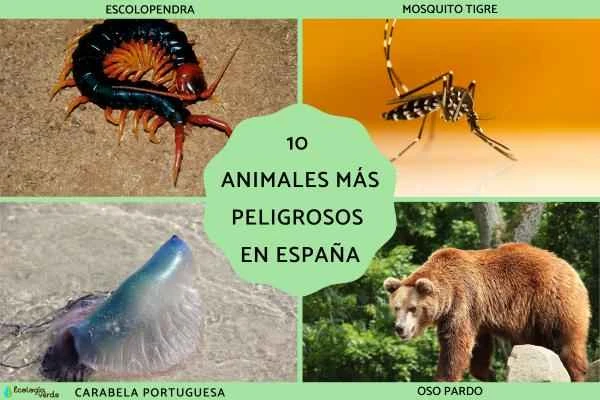
1. Giant millipede (Escolopendra)
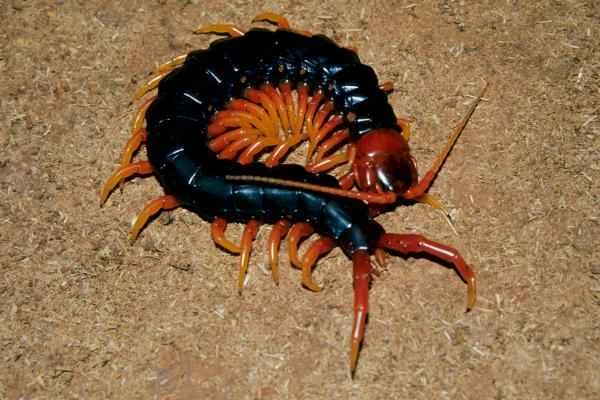
Scientific name: Scolopendra spp.
Also known as the "giant centipede," it can reach up to 30 centimeters in length. Its head possesses venom glands and hooks used for hunting and defense. While the bite is not fatal, it can cause severe pain, swelling, fever, and weakness.
2. Aspid viper (Víbora áspid)
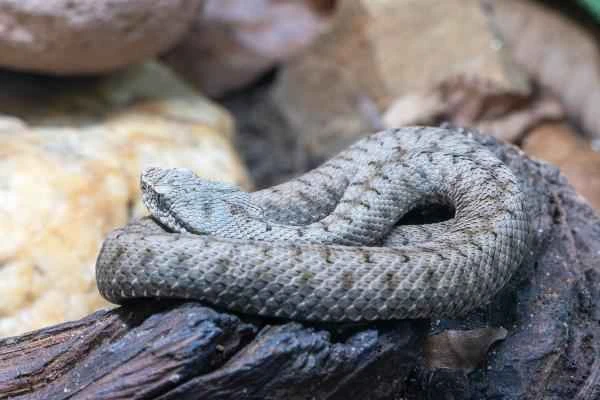
Scientific name: Vipera aspis
The only highly venomous snake native to Spain. It inhabits sunny, rocky areas. Its venom can cause severe pain, swelling, and nausea, and in severe cases, can lead to kidney failure or respiratory problems. Children and the elderly should be especially careful.
3. European Scorpion (Escorpión común)

Scientific name: Euscorpius spp.
Although only 3-5 centimeters long, its venomous stinger at the tail can still cause severe pain. While not highly toxic, it can cause severe reactions in people with allergies.
4. Black Widow Spider (Viuda negra)
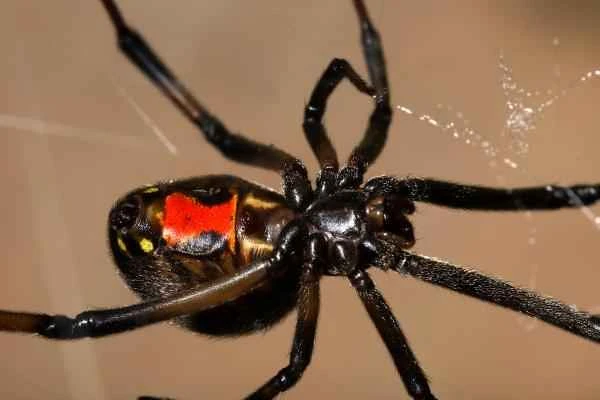
Scientific name: Latrodectus spp.
Its shiny black body and distinctive red hourglass-shaped markings on the abdomen make it highly recognizable. Its neurotoxins can cause muscle spasms, severe abdominal pain, and difficulty breathing; although the mortality rate is low, prompt medical attention is necessary.
5. Tiger mosquito (Mosquito tigre)
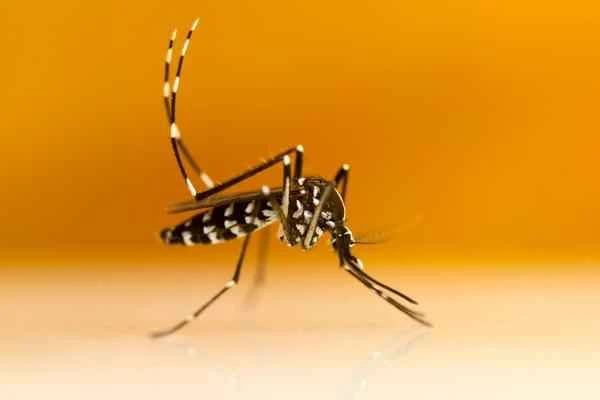
Scientific name: Aedes albopictus
An invasive mosquito species capable of transmitting multiple viruses, including dengue fever, Zika virus, and chikungunya. It has spread rapidly in Spain in recent years, posing a threat to human health.
6. Spotted electric ray (Raya eléctrica jaspeada)
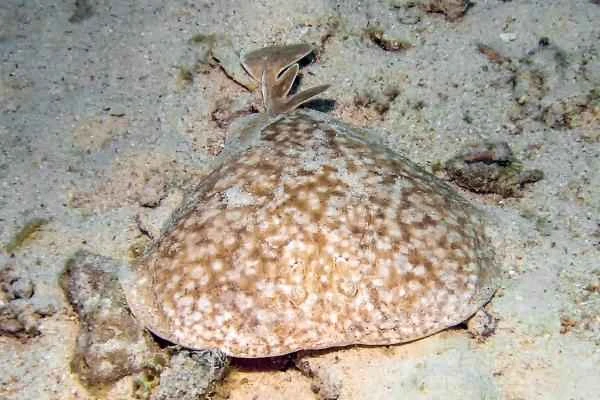
They can release electric shocks of up to 200 volts for hunting or self-defense. Although they have little contact with humans, an electric shock can cause severe pain, muscle spasms, and even coma.
7. Portuguese warship (Carabela portuguesa)
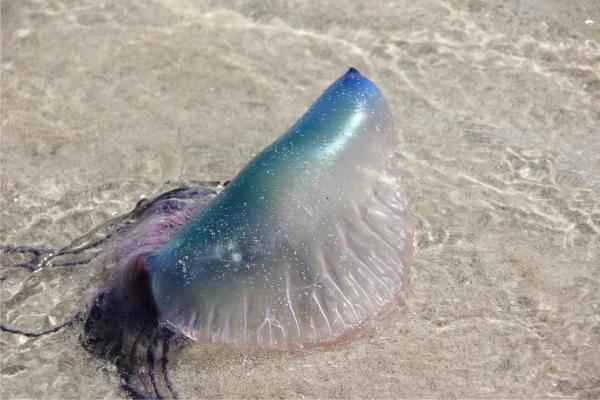
Scientific name: Physalia physalis
Resembling a jellyfish in appearance, it is actually a symbiotic organism (colonial organism) composed of multiple individuals. Its tentacles can reach 30 meters in length and release potent neurotoxins that can cause respiratory failure and even death.
8. Scorpionfish/Spiderfish (Pez escorpión o araña)
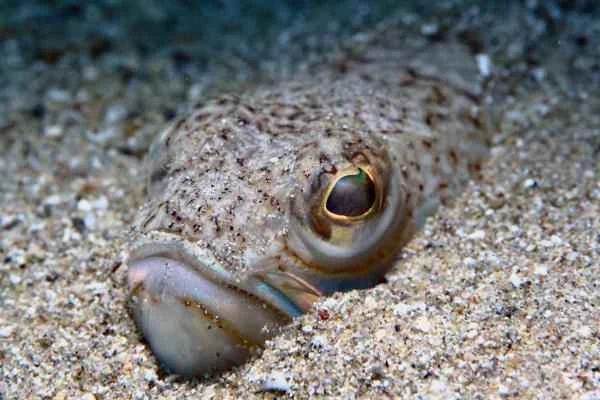
Scientific name: Trachinus spp.
It lurks beneath the sand and has poisonous stingers. A sting will cause intense pain and swelling, and in severe cases, even difficulty breathing. Fishermen and divers should be especially careful.
9. Brown Bear (Oso pardo)

Scientific name: Ursus arctos
The largest land carnivore in Europe still survives in the Pyrenees and Cantabrian Mountains. It usually avoids humans, but may attack fiercely when protecting its young or when startled.
10. Wild boar (Jabalí)

Scientific name: Sus scrofa
They are highly aggressive and adaptable. They can cause severe bites and spread diseases such as African swine fever. As their habitat expands, human-swine conflicts (including traffic accidents) are increasing.
Safety Reminder : When exploring the wild, traveling in the countryside, or engaging in beach activities, please be aware of the distribution of local wildlife and avoid contact. If you are accidentally injured, seek medical attention immediately!