Venomous animals generally refer to animals with venomous properties, which are widely distributed in nature. These animals produce venom through specific parts of their bodies (such as teeth, stingers, and venom glands) for hunting or self-defense. Venomous animals include snakes, spiders, scorpions, lizards, fish, and certain insects. Being bitten or stung by a venomous animal can cause varying degrees of injury and symptoms, including pain, swelling, difficulty breathing, and rapid heartbeat. The venom of some venomous animals (such as venomous snakes) can also lead to serious consequences such as tissue necrosis and blood clotting. Therefore, during outdoor activities such as exploration, tourism, and camping, one should be aware of venomous animals in the vicinity and take appropriate precautions to avoid being attacked or bitten.
There are hundreds of venomous animals in the world, some common, some rare, some terrestrial, and some aquatic. This article lists more than ten of the world's most venomous animals, including the square jellyfish, the sea snake, the blue-ringed octopus, the scorpionfish, the Palestinian scorpion, the funnel-web spider, the taipan, and the king cobra. Let's take a look.
1. Box Jellyfish
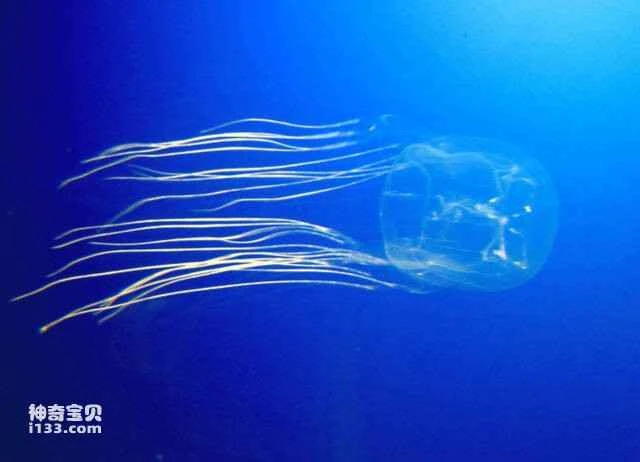
Box jellyfish, also known as the sea wasp, primarily inhabits the northern coastal waters of Australia and New Guinea, as well as the Philippines and Vietnam. This transparent, pale blue jellyfish is box-shaped with four distinct sides. It possesses up to 15 tentacles, each reaching a length of 3-4 meters. Furthermore, each tentacle is covered with stinging cells that store venom; a sting can cause heart disease and neurological damage within minutes, and death can occur in as little as 3 minutes. The box jellyfish is one of the most evolved jellyfish known and is arguably the most venomous jellyfish in the world. It is reported that in the past 25 years, as many as 60 people have died off the coast of Queensland, Australia, from box jellyfish venom, far exceeding the number of people who have died from shark bites (13 people).
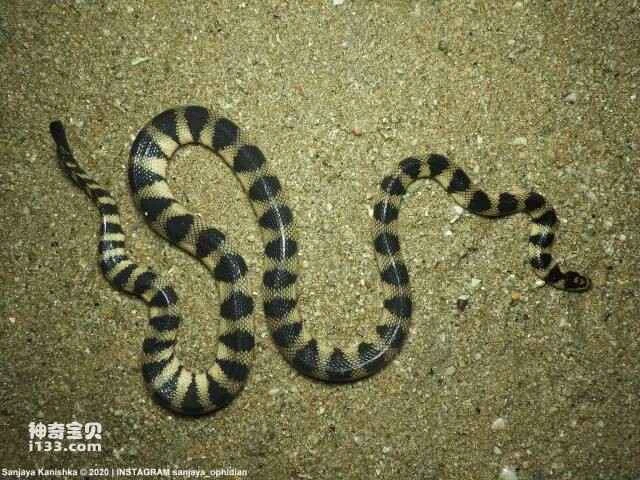
2. Ekidna Sea Snake
The eagle-ringed sea snake, also known as the blue-ringed sea snake, is a reptile that primarily inhabits tropical waters, especially the shallow waters of the Gulf of Australia. It is considered one of the most venomous snakes in the ocean because its venom acts rapidly on the nervous system, causing muscle paralysis, respiratory failure, and cardiac arrest in its prey, leading to its death. Compared to other blood-sucking venomous snakes, the eagle-ringed sea snake's lethal time is typically much shorter, only requiring several tens of minutes; therefore, a bite to a human could result in death within a short period. Despite this, the eagle-ringed sea snake is generally very docile and does not actively attack humans.
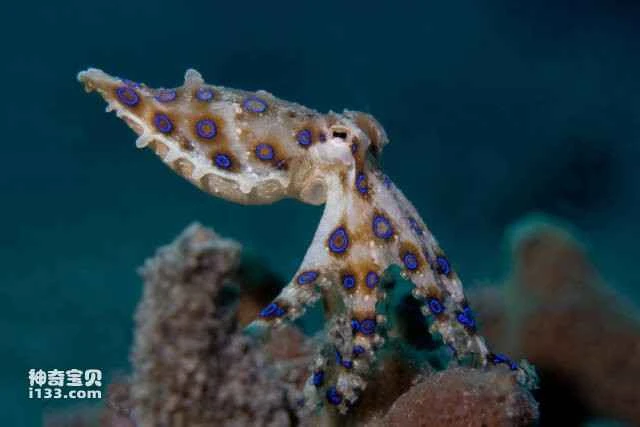
3. Blue-ringed octopus
The blue-ringed octopus, found along the coasts of the western Pacific and northern Indian Ocean, is an extremely venomous creature. It is said to be 50 times more venomous than a cobra, and each blue-ringed octopus carries enough venom to kill 26 adults. If stung, the venom is rapidly released into the body. While there is initially little pain, the toxicity begins to take effect after about an hour. Components of the blue-ringed octopus venom can damage the victim's vital systems, invade the brain and muscles, prevent blood clotting, and cause profuse bleeding and intense pain, followed by fever, difficulty breathing, and potentially death.
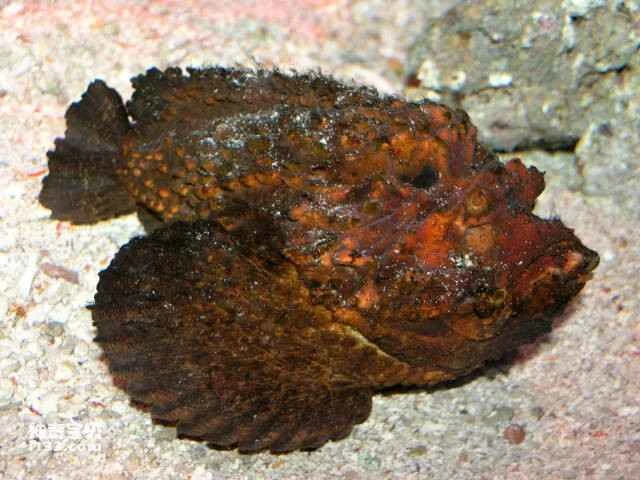
4. Scorpionfish
The stonefish, also known as the poison scorpionfish, is mainly distributed in the Xisha Islands of China, the southern coast of Africa in the Indian Ocean to the central Pacific Ocean, and the Sea of Japan. They typically prefer to hide on the seabed or under rocks, camouflaging themselves as inconspicuous stones, remaining motionless even when animals or humans approach. However, if provoked, the stonefish will attack its opponent with 12-14 needle-like spines along its back, releasing a venomous liquid that poisons its prey. Those stung may experience acute, severe pain, whip-like sensations, heart failure, confusion, vomiting, difficulty breathing, convulsions, and other serious symptoms, even death. According to modern biological research, the venom secreted by the stonefish is second only to the box jellyfish, the eagle sea snake, and the blue-ringed octopus in potency.
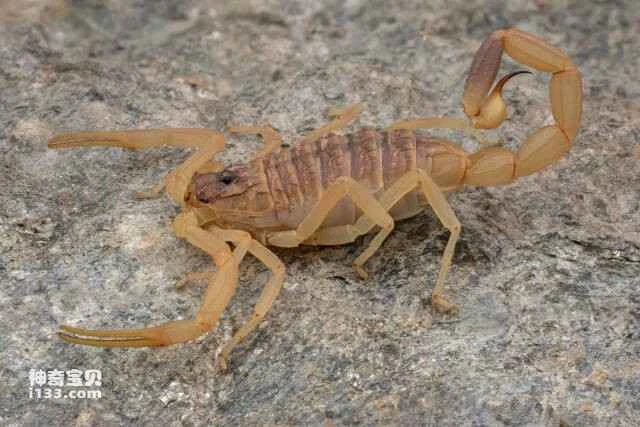
5. Palestinian Scorpion
The Palestinian scorpion, also known as the Israeli golden scorpion, is one of the most venomous scorpions on Earth, primarily found in Israel and other parts of the Far East. They possess a venomous stinger on their tail, composed of a spherical base and a sharp, curved hook. Upon contact with a living organism, the venom is automatically ejected from the stinger and injected into the victim's body. Without prompt treatment, the injured person may experience severe symptoms such as extreme pain, convulsions, paralysis, and potentially death.
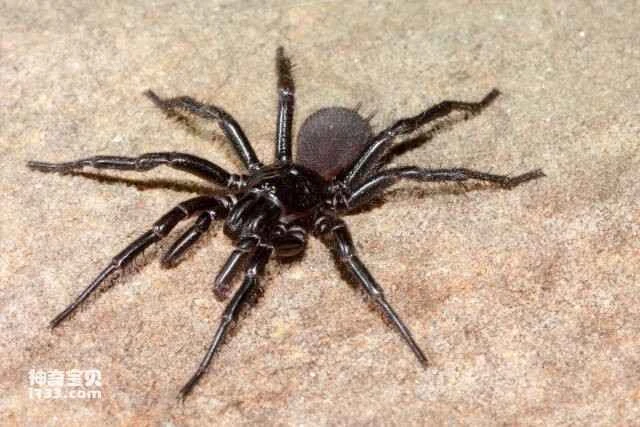
6. Funnel-shaped spider
Funnel-web spiders are considered among the most venomous spiders in the world, living near Sydney, Australia. Their venom is enough to kill five to eight adults, and a bite causes excruciating pain, followed by profuse sweating. The venom then rapidly enters the nervous system, leading to death within 15 minutes. The largest funnel-web spiders are said to be the size of a hand, with fangs up to 1 centimeter long, capable of piercing a human toenail. Interestingly, male funnel-web spiders are much smaller than females, yet their venom is more than five times more potent.
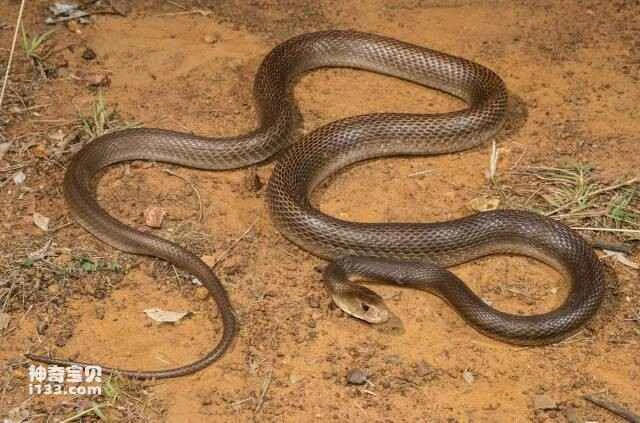
7. Taipan
The taipan is one of Australia's largest venomous snakes, found along the eastern and northern coasts of Australia, and also on the islands of New Guinea. They typically inhabit forests and woodlands, feeding on small mammals, and are swift mammal predators, active both day and night. Several toxicology reports using subcutaneous LD50 data in mice indicate that the taipan is among the most venomous snakes in the world, with a 100% clinical fatality rate. Each bite releases approximately 110 milligrams of potent venom, enough to cause death. Its venom could kill 100 adults or 500,000 mice.
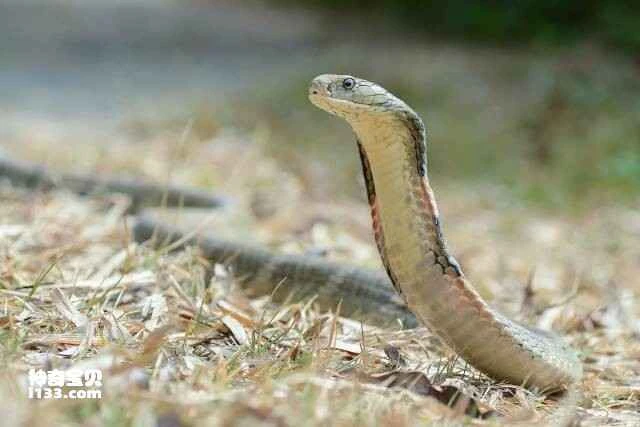
8. King Cobra
The king cobra, also known as the mountain cobra, is a species distinct from the true cobra. It belongs to a separate genus, *Kingcobra*, rather than the genus *Cobra*. Compared to other cobras, the mountain cobra is more aggressive and extremely agile. It possesses flexible head and neck rotation and a large venom output. It is understood that its venom contains approximately 100 milligrams of dry venom, with an average lethal dose of 12 milligrams. If a bite is not treated promptly, symptoms such as swelling, nausea, abdominal pain, respiratory paralysis, speech impairment, and coma will appear within minutes, and death is almost certain within half an hour.
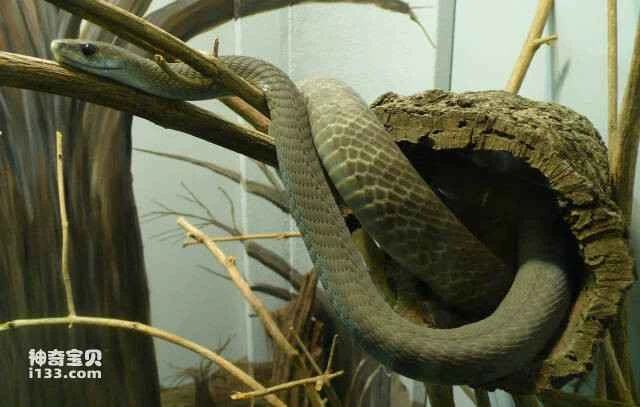
9. Black Mamba
The black mamba, a front-fanged venomous snake, is considered one of the most dangerous snakes in the world. It inhabits relatively arid open scrubland and grassland areas and is extremely fast-attacking. The black mamba primarily paralyzes its prey by attacking their nervous system with neurotoxins. Its venom is neurotoxin and extremely potent. It is understood that an average of only 10-15 milligrams of black mamba venom is enough to kill an adult human. The amount of venom in a black mamba's venom is typically 100-120 milligrams, but can reach up to 200 milligrams, enough to kill 13-20 people or a 600-kilogram giraffe. Once bitten by a black mamba, death can occur within 15-30 minutes, and at most within an hour.
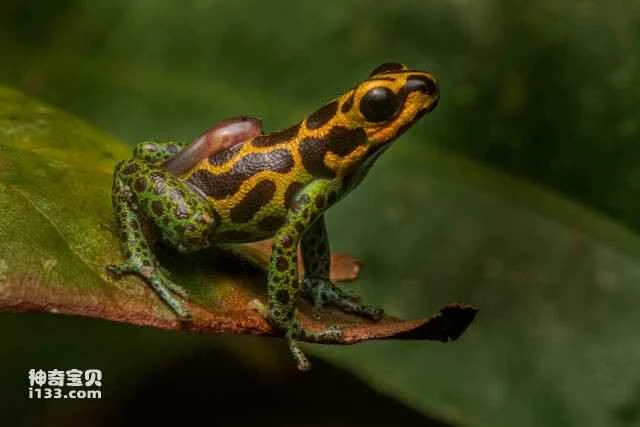
10. Poison Sword Frog
The poison dart frog is an extremely beautiful frog, and also one of the most venomous species in the world. They are small, averaging only 1.5 centimeters in length, with some species reaching up to 6 centimeters. Despite this, poison dart frogs are extremely venomous; it is said that a single release of venom is enough to kill 10 people. One of the most representative species is the golden poison dart frog, which has bright yellow skin covered with a deadly layer of alkaloid venom. It is understood that this frog's venom is so potent that there have been cases of other animals dying from contact with similar items (such as paper towels).
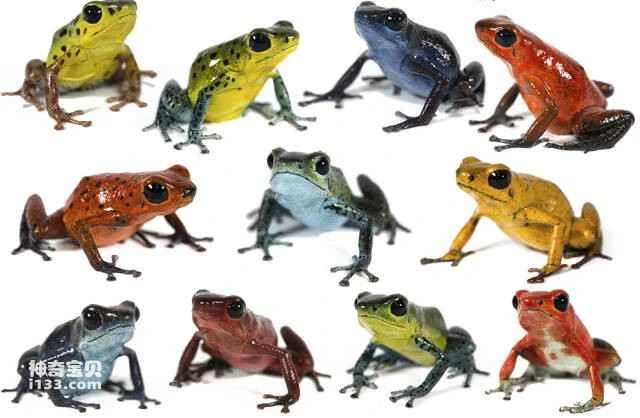
The ranking of the top ten most venomous animals is based on factors such as the lethal dose of venom, time of death, and symptoms of injuries in each aquatic and terrestrial animal, and is compiled by comprehensively referencing relevant online rankings. This list is for reference only. If you have any questions, please feel free to comment/discuss at the end.