Spiders are a group of arthropods widely distributed around the world, exhibiting various forms and body sizes. It is estimated that there are currently around 40,000 known spider species, encompassing many different families, genera, and species. my country is a country with a very rich variety of spider species, estimated to have over 2,000 species. The venom of spiders varies depending on the species; generally, their venom is primarily used for hunting prey and self-defense. Most spiders pose no threat to humans, but a few species have highly potent venom that can cause serious harm or even death. This article lists the top ten most venomous spiders in China; let's learn about their toxicity.
1. Black Widow Spider
The black widow spider, also known as the spotted widow spider, is a spider widely distributed throughout the world. In my country, this spider is considered one of the most venomous. When bitten, a person usually experiences a needle-like pain, and may experience localized paleness, redness, or hives. In addition, pain or tenderness may also occur. Severe poisoning can lead to toxic shock, and children are more prone to convulsions.
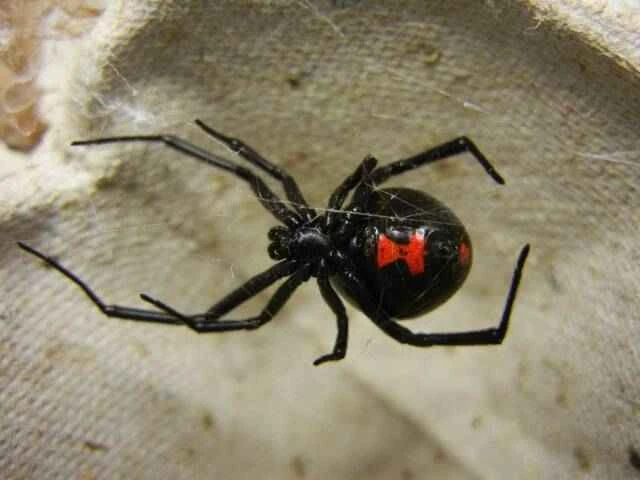
In addition to localized symptoms, patients may experience systemic symptoms, including symptomatic painful cramps, weakness, nausea and vomiting, blurred vision, shortness of breath, fever, convulsions, and a characteristic burning sensation in the heels. Most patients improve and recover after a week of medication, but in rare cases, respiratory or heart failure may occur, leading to death. Therefore, contact with black widow spiders should be avoided as much as possible, and medical attention should be sought promptly if necessary.
2. Burrowing wolf spider
Burrowing tarantulas are mainly distributed in Gansu, Xinjiang, Shaanxi, Jilin, Inner Mongolia, and Hebei provinces of my country. When a person is bitten by a burrowing tarantula, two small red spots usually appear at the wound site, accompanied by intense pain. Some victims experience profuse sweating, even soaking their clothes. In addition, the bitten person's face may appear bluish-purple, swollen, and shiny. Patients may also experience difficulty breathing, irregular heartbeat, and slowed pulse. Some may experience blurred vision, blindness, and a peculiar foul odor in their breath.
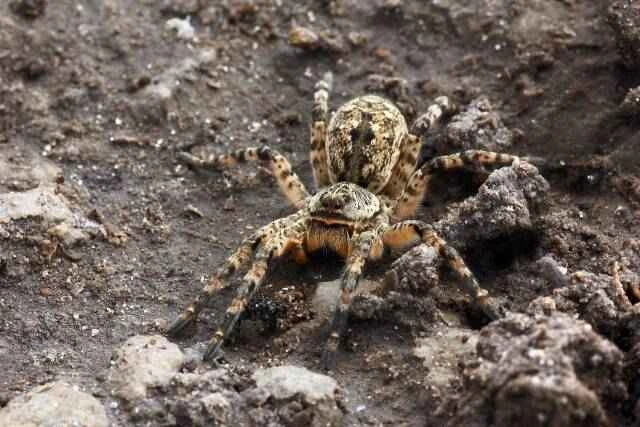
Without timely treatment, the patient may die from cardiac arrest more than 10 hours later. Therefore, contact with burrowing tarantulas should be avoided as much as possible, and if bitten, medical attention should be sought immediately.
3. Tiger tarantula
The tiger tarantula is a spider found in many countries around the world, but in my country, it is mainly distributed in Guangdong, Guangxi, Yunnan, and Hainan provinces. It is considered one of the most venomous spiders in China. The tiger tarantula is deadly to various prey; its venom can block the animal's respiration, causing it to suffocate and die within a short time.
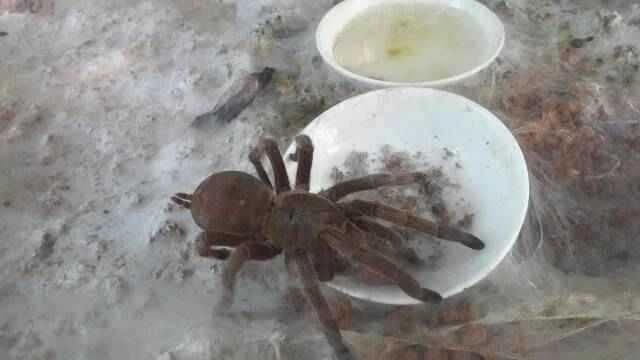
The tiger tarantula is a large, burrowing spider and a rare, highly venomous animal that is not cold-hardy. Due to its potent venom, it poses a threat to humans, so contact should be avoided as much as possible. If bitten, seek immediate medical attention for prompt treatment.
4. Hainan tarantula
The Hainan tarantula is mainly distributed in Guangxi and Hainan provinces. Adults typically exceed 20 cm in leg span and possess considerable venom. However, it may not be suitable for beginners if they wish to keep it as a pet. The larvae of these venomous spiders are yellow, almost identical to those of the tiger tarantula. However, as they grow to over 6 cm, the Hainan tarantula gradually turns black, while the tiger tarantula retains its yellow color. Furthermore, the larvae of the Hainan tarantula are highly aggressive, daring to prey two to three times their own size.
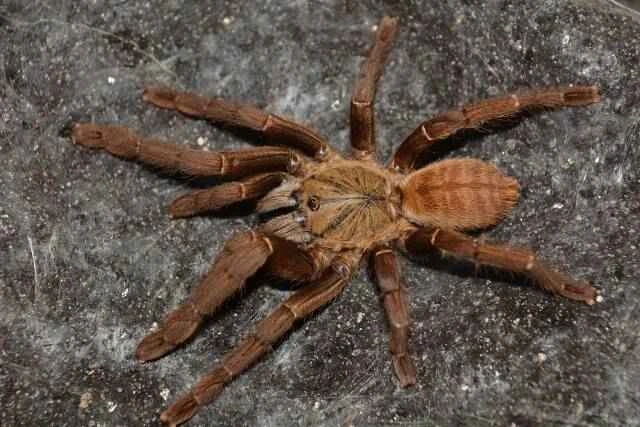
Therefore, any desire to breed these venomous spiders should be carefully considered. If you lack experience or skills, it is best not to attempt to raise these animals. Furthermore, whether in the wild or at home, you should avoid contact with these venomous spiders as much as possible to prevent being bitten. If bitten, seek medical attention immediately.
5. Spiders on the roof
The Formosan long-tailed spider, also known as the Taiwan long-tailed spider, is one of the ten most venomous spiders in China. It is one of the most venomous and largest burrowing spiders in Taiwan. Although distributed throughout the island, it is rarely seen and often only appears in certain specific areas. According to relevant data, the Formosan long-tailed spider is extremely ferocious and will attack violently at the slightest disturbance. After being attacked, venom residue can even be seen on its fangs.

However, these spiders are not easy to keep. Although they have a long lifespan, they grow slowly, and most individuals will refuse to eat or even die suddenly due to their inability to adapt to artificial environments. Therefore, it is not recommended to try to keep house spiders as pets. In short, house spiders are very threatening animals, and even professionals need to handle them with caution. If bitten, you should seek medical attention immediately for appropriate treatment.
6. Jingzhao's hairy spider
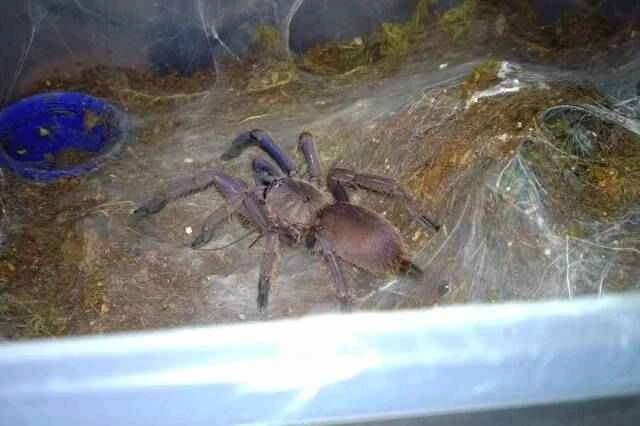
This is a unique burrowing tarantula discovered in my country in recent years, characterized by its ferocious nature and potent venom. Its venom contains various bioactive substances. The spider is relatively small, resembling the tiger tarantula and the Hainan tarantula in appearance, and is yellowish-brown, but lacks the tiger stripes on its dorsal abdomen. The *Tabernaeidae* is nocturnal and exhibits a negative reaction to light. It preys on orthopteran insects and cockroaches. From December to January each year, the spider lays and hatches eggs, with each egg sac containing 80 to 100 eggs.
7. Chinese wolf spider
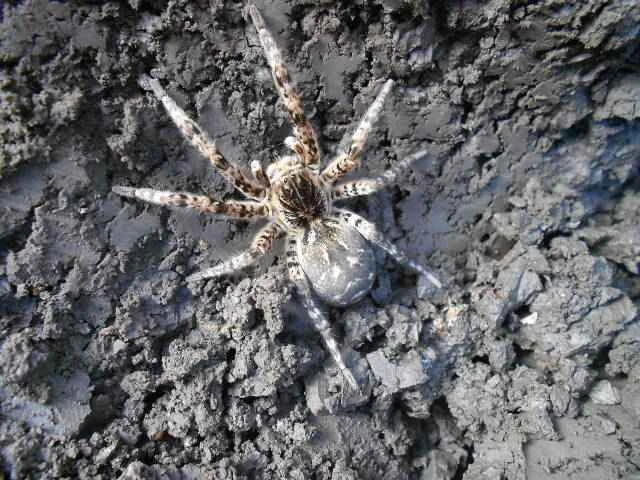
The Chinese wolf spider (Tarantula sinensis) is a venomous, burrowing spider. It is relatively large, extremely agile, and a powerful predator, known as the "earthly hero" in southwestern Shandong province. It is a major natural enemy of various agricultural and forestry pests, including scarab beetles and noctuid moths, thus possessing certain conservation and utilization value. In recent years, with the increasing number of spider breeding enthusiasts, the Chinese wolf spider has become an ideal breeding species. Its large size, unique and deep markings, and fierce temperament are all reasons why many hobbyists favor it.
8. *Gnaphalium affine*
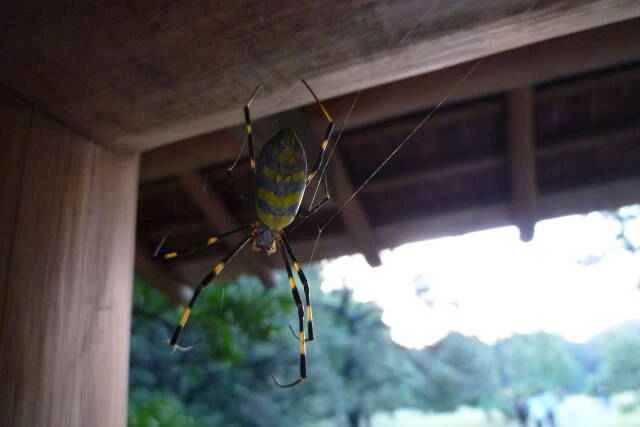
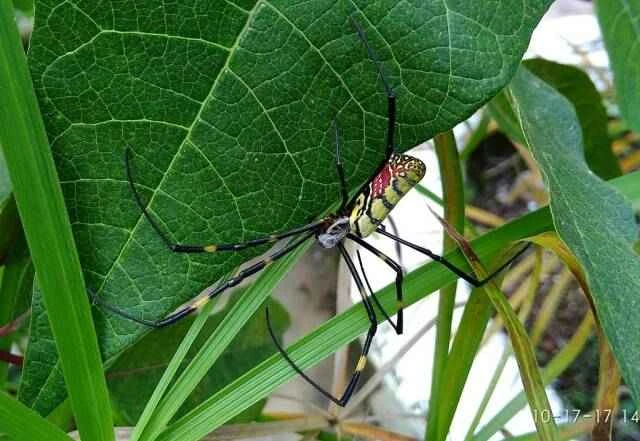
A venomous spider called *Gnaphalium affineum* is widely distributed in my country. It is one of the most common venomous spiders in the country, frequently found spinning webs in mountainous forests and thickets, as well as in orchards and courtyards. Although *Gnaphalium affineum* is venomous, its venom is not particularly potent; only 1 gram of venom is produced by 400-500 spiders. Notably, the male *Gnaphalium affineum* is only about one-quarter the length of the female. Furthermore, its body color is relatively dull, with a light yellowish-brown carapace and two dark brown longitudinal stripes on either side of the center, extending from the side of the head to near the posterior edge of the carapace. The abdomen is elongated oval, with the anterior end overlapping the posterior end of the carapace.
9. White-fronted giant crab spider
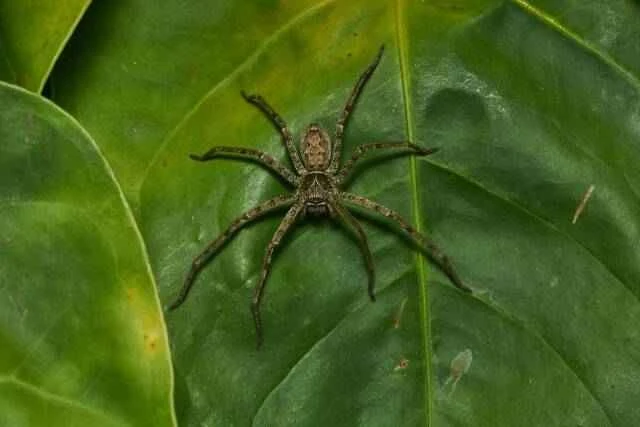
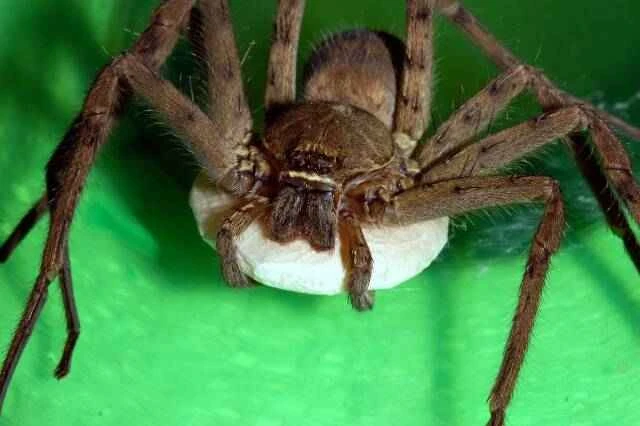
The white-fronted crab spider is a venomous spider, but its venom is not very potent; it takes about 600 spiders to produce 1 gram of venom. This spider is widely distributed throughout China, mainly concentrated in low-altitude mountainous areas and plains. Adult females typically have a body length of 20-30 mm, while males are 15-20 mm long. A distinctive feature of this spider is a white stripe between its forehead and the anterior edge of its eye area, hence its name. White-fronted crab spiders are often found on walls both inside and outside homes, preying on pests such as cockroaches, mosquitoes, and flies at night. Sometimes, they also forage in rice paddies near villages.
10. Grooved Hard-skinned Ground Spider
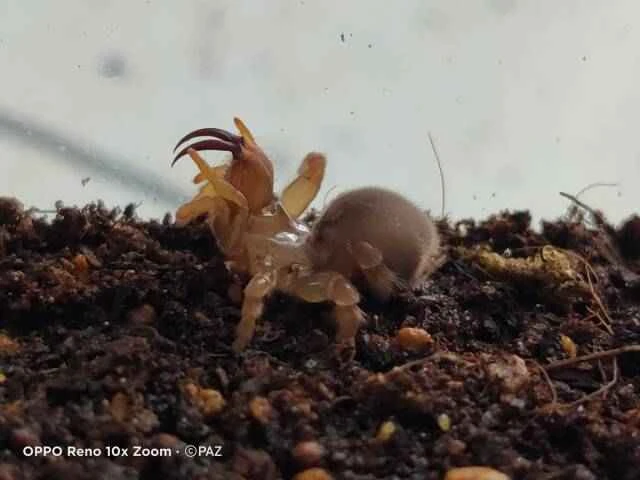
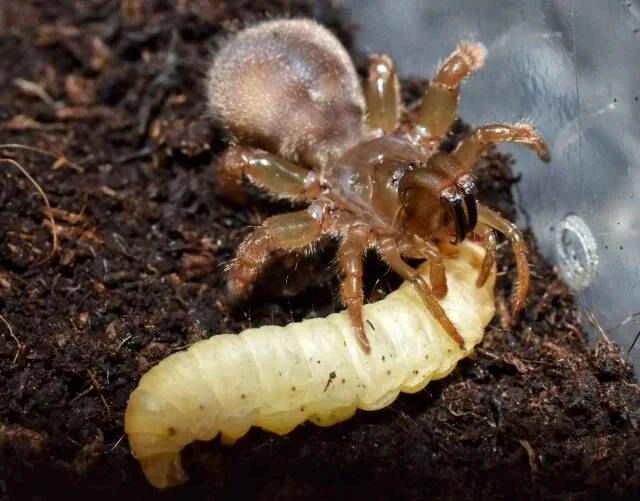
The grooved ground spider (Scleroderma crestis) is a widely distributed spider across China, with 800-1000 spiders producing approximately 1 gram of venom. This spider possesses long, slender fangs, a structure likely designed to penetrate enclosed burrows and strike prey moving above. However, these fangs are highly prone to breakage when fed in captivity. Female grooved ground spiders are yellowish-brown, with a forked cephalothorax and dorsal region, and long, columnar chelicerae. Their thorax is grayish-black with eight small, grayish-white spots around it. This spider is burrowing, its nests being tubular with radiating silk threads around the entrance.
If you encounter these spiders, remain vigilant and take appropriate measures to prevent bites. Additionally, wear long sleeves and trousers during outdoor activities to avoid direct contact with spiders. This article primarily reviews native spider species found in my country and those originating from abroad. The ranking is based on a comprehensive assessment of various indicators, including the commonality of each spider, the strength of its venom, the extent of human injury after venom exposure, and the recovery rate after treatment, incorporating relevant internet rankings. This article is for reading and discussion purposes only; comments and additions are welcome in the comment section.