When we talk about ecosystems rich in natural resources, we often think of tropical rainforests or dense forests teeming with vegetation and wildlife. Undoubtedly, these places are among the most biodiverse regions on Earth.
However, many people would assume that a desert, a seemingly barren environment, is virtually incapable of supporting life. But in fact, while deserts are arid and hot, they possess unique life systems . With careful observation, you'll discover a variety of unusual animals that have developed astonishing adaptability through long-term evolution.

This article will introduce you to common desert animals, their main characteristics, and representative names of different species.
Are there really animals in the desert?
Although the first impression of the desert is often that it is a "no-man's land", the desert ecosystem is actually much richer in animal species than imagined.
Of course, these animals are quite different from species in tropical rainforests. Most of them have undergone a long period of evolution and are able to tolerate harsh environments such as extreme drought, drastic temperature differences between day and night, and scarce food . Although they account for a small proportion of global biodiversity, their adaptability and survival wisdom give desert ecosystems unique value.
It's important to note that not all deserts in the world are the same. The Sahara, the Gobi Desert, the Australian Outback, the Mojave Desert in North America, and others, each nurture different animal species due to variations in geography and climate. Desert animals include large mammals and birds, reptiles, and, most notably, small insects and arachnids.

Desert mammals
When discussing desert mammals, the most representative ones are undoubtedly:
Camels and dromedary camels : they are the "kings of transport" in the desert. The humps of camels are not for storing water, but rather for storing fat to provide energy. Thanks to their ability to withstand thirst and hunger, camels can survive for extended periods in extreme environments.
Australian kangaroo : In the Australian desert regions, kangaroos are iconic animals. Their powerful hind legs and large tails help them move quickly and maintain their balance.
In addition, there are many small and medium-sized mammals:
Canids: coyote, desert fox, jackal, fennec fox, dingo.
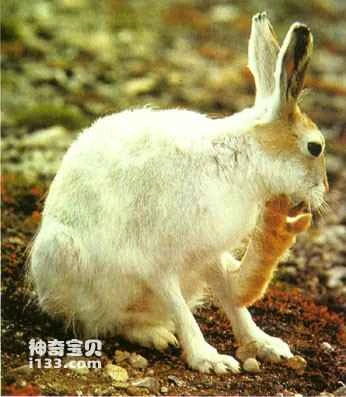
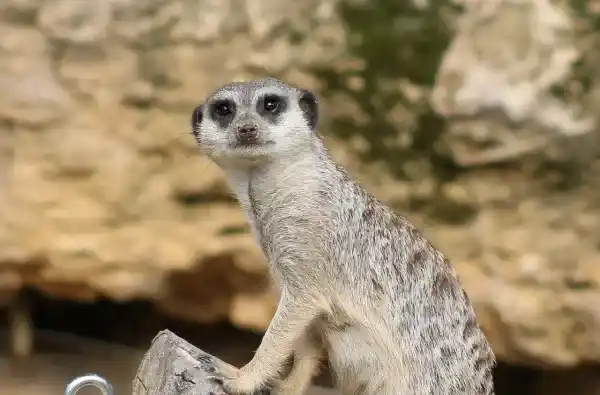
Rodents: Desert hamster, sand hare, kangaroo rat, jerboa, meerkat.
Others: oryx, Dolcas gazelle, bats, etc.
These mammals are mostly nocturnal to reduce their water consumption during the day.
Birds in the desert
Birds also play an important role in desert ecosystems. Their feathers not only provide insulation but also protect against intense sunlight.
Representative types include:
Roadrunner : Small in size, with brown plumage that perfectly camouflages its desert environment, it is a well-known "high-speed running bird".
Hummingbird : Despite its small size, it is able to adapt to the floral ecosystems of some desert regions.
Red-necked ostrich : One of the largest birds in the world, mainly living in the Sahara Desert.
Most birds rely on migration or inhabiting oases to survive.
Reptiles in the desert
Deserts are a paradise for reptiles, which are well adapted to drought and high temperatures thanks to their cold-blooded nature and unique skin structure.
Common types include:
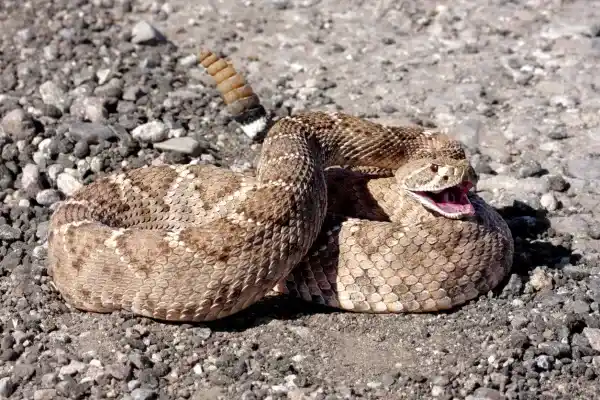
Venomous snakes , such as rattlesnakes and Egyptian cobras, are dangerous predators in the desert.
Lizards and skinks : such as the Pogona from Australia and various desert geckos.
Desert tortoises , such as the Mojave desert tortoise, are threatened protected species.
These animals often burrow into sand or rock crevices during the day to avoid the high temperatures, and then venture out to hunt at dusk or night.
Insects and arachnids in the desert
If we were to name the most numerous animal groups in the desert, insects and arachnids would undoubtedly be at the top of the list. They thrive even in the harshest desert conditions.
Common examples:
Insects : ants, fleas, flying insects, various beetles, etc.
Arachnida : A diverse array of spiders, including the camel spider found in North Africa, known for its venom and aggressiveness.
Scorpions and scorpion stings (alacranes) : Most of them are venomous and are among the most iconic predators in the desert.
These small animals are an important part of the desert food chain, providing food for birds, reptiles, and other animals.
Summarize
Although the desert may seem desolate, it boasts unique animal communities:
Large mammals: camels, kangaroos, antelopes.
Birds: roadrunners, ostriches, hummingbirds, etc.
Reptiles: Rattlesnake, desert tortoise, bearded dragon.
Insects and arachnids: ants, beetles, spiders, scorpions.
These animals demonstrate the tenacity of life in extreme environments through special physiological and behavioral adaptations.
For a deeper understanding, you can also read related content: Desert Ecosystems: Characteristics, Plants and Animals .