Foxes are small to medium-sized carnivorous mammals belonging to the family Canidae. Within Canidae, the genus *Vulpes* contains many different species of foxes, the most famous perhaps being the red fox (*Vulpes vulpes*). Foxes come in many different varieties and are distributed across a wide range of habitats worldwide, from the Arctic tundra to the deserts of Africa and the forests of Asia.
Basic features
Size and weight : The size of foxes varies depending on the species. They generally weigh between 3.6 and 7 kilograms, and their body length (excluding the tail) is about 40 to 83 centimeters. The tail length can reach 30 to 55.5 centimeters.
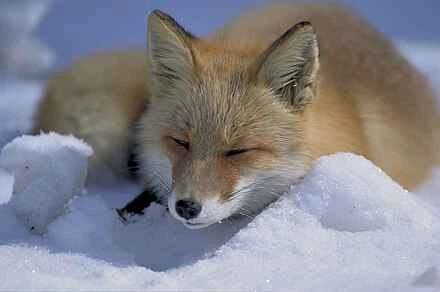
Appearance : Foxes typically have slender bodies, pointed ears, slightly upturned tails, and sharp faces. Their fur colors also vary, with common colors including red, gray, and light brown.
Senses : Foxes have very keen hearing, enabling them to detect the movements of small animals underground. Their sense of smell and vision are also quite developed.
Lifestyle
Diet : Foxes are omnivorous, feeding on small mammals such as rodents and rabbits, as well as birds, insects, worms, fruits, and vegetables.
Habitat : Different species of foxes have adapted to a variety of habitats, including forests, grasslands, mountains, deserts, and the cold Arctic regions.
Behavior : Foxes are primarily nocturnal, but in some areas and seasons they can also be seen during the day.
Sociality : Although foxes are generally perceived as solitary animals, they can actually form small family groups, especially during the breeding season.
Reproduction
Breeding season : Foxes breed once a year, usually from late winter to early spring.
Reproduction : The gestation period for female foxes is about 52 days, and each litter usually produces 4-6 cubs.
Raising cubs : After birth, cubs are cared for and nursed by their mothers. They leave the den at about 10 weeks old and begin to learn hunting skills.
Current situation and protection
Some fox populations may be threatened in certain areas due to factors including habitat loss, hunting, and disease.
Foxes, as natural predators, play an important role in controlling the populations of rodents and other agricultural pests. However, in some areas, they are also considered a threat to poultry and wildlife populations.
Relationship with humans
Foxes are often associated with wisdom and cunning in various cultures.
Foxes were once widely hunted for their fur in the fashion industry, although hunting has been reduced or banned in some areas due to legal or ethical considerations.
Ecological significance
Foxes play a vital role in ecosystems. As predators, they help maintain a balance among many small animal populations. At the same time, they facilitate the flow of energy in the food chain and the cycling of matter within the ecosystem. Protecting foxes thus helps maintain the overall health of the ecosystems in which they live.