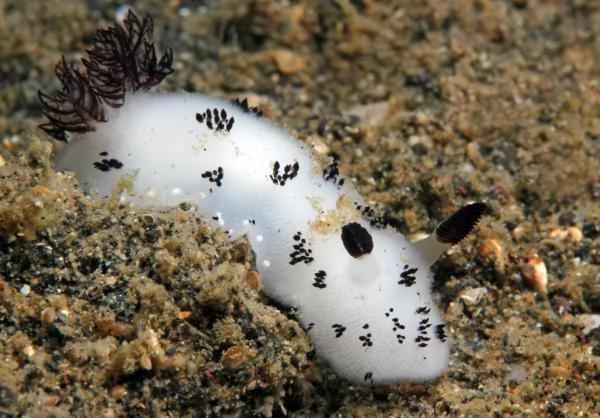
Snails are a group of animals belonging to the phylum Mollusca, class Gastropoda, and are widely distributed in various environments around the world. Gastropods are named for their soft, fleshy feet, which secrete mucus that allows them to crawl along various surfaces. Snails include marine, freshwater, and terrestrial species. Below is some detailed information about them and their habits.
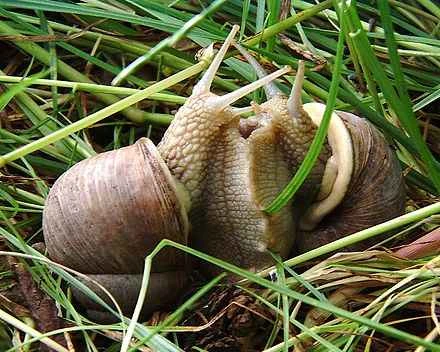
Morphological characteristics
Shell : Many snail species have a spiral-shaped outer shell, which is the hardened part of the snail's body and provides protection and support. The shape, size, and color of the shell can vary greatly depending on the species.
Body : A snail's body consists of a head, a pair of sensory tentacles (in species with eyes), a foot, and an visceral mass (located inside the shell).
Foot : Their foot is a flat, muscular organ that allows for wave-like movements to help snails move forward.
Lifestyle
Activity : Most snails are nocturnal and prefer to be active in cool, moist environments. Because their skin needs to be kept moist, strong sunlight and dry conditions can damage them.
Diet : Snails primarily feed on plants, including leaves, flowers, stems, fruits, and decaying plant matter. Some species are carnivorous or will eat other mollusks.
Reproduction : Many snails are hermaphroditic, meaning that an individual has both male and female reproductive organs. Snails reproduce by laying eggs after mating.
Habitat
Terrestrial snails : They prefer to inhabit a variety of terrestrial environments, such as gardens, forests, fields, and even deserts. They typically forage for food in damp places.
Freshwater snails : live in lakes, streams, ponds and rivers.
Sea snails : Sea snails live in the ocean, and they can be found from the intertidal zone to the deep sea.
Current situation and threats
Conservation Status : Many snail species are not threatened, but some are at risk of being endangered or extinct due to factors such as habitat loss, climate change, pollution, and over-harvesting.
Snails and Agriculture : In agriculture, terrestrial snails are often seen as pests because they eat crops and plants in gardens.
Relationship with humans
French cuisine : Certain snail species, especially the "pomatia" snail, are considered delicacies and hold a prominent place in French cuisine.
Scientific research : Snails are also one of the model organisms used in neuroscience research because of their relatively large and easily manipulated neurons.
Ecological role
Snails play multiple roles in ecosystems: they are decomposers, helping to break down and cycle nutrients; they are an important link in the food chain, providing food for other animals such as birds, insects, and small mammals; and they also play a role in balancing plant communities. Therefore, snails are an important component of biodiversity.