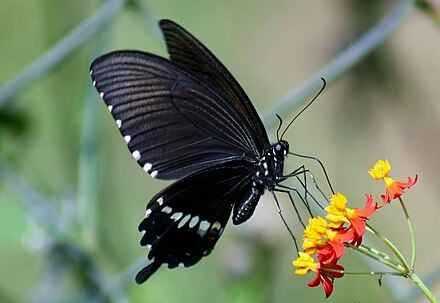
Butterflies belong to the order Lepidoptera, which also includes moths. They are easily recognizable insects, beloved for their vibrant colors and graceful flight that dances with flowers. There are approximately 170,000 known species of Lepidoptera worldwide, of which about 20,000 are butterflies. Butterflies not only play an important role in ecology but are also a common theme in many cultural and artistic works.
Basic features
Wings : Butterflies typically have large forewings and smaller hindwings, with colorful scales covering the wings to form unique patterns.
Natural enemies : Both larvae and adults have many natural enemies, including birds, spiders, insects, reptiles, etc.
Lifespan : The average lifespan of an adult is generally within a few weeks, but some species are able to overwinter as adults and live into the following spring.
Lifestyle
Diet : Adult butterflies typically feed on nectar, while their larvae (caterpillars) eat plant leaves. Some butterfly larvae are specialized, feeding only on specific plants (such as many Pieridae butterflies).
Habitat : Butterflies have diverse habitats, including tropical rainforests, deserts, grasslands, and cold regions.
Migration : Some butterflies have migratory habits, the most famous example being the Monarch butterfly of the United States, which can migrate thousands of kilometers.
Pollination : Many butterflies pollinate plants while foraging, helping them to reproduce.
Reproduction
Mating : Adult butterflies use visual and chemical signals to find mates. After mating, the female butterfly lays her eggs on food plants.
Life cycle : Butterflies undergo a complete metamorphosis process, which includes four stages: egg, larva (caterpillar), pupa (cocoon), and adult.
Current situation and protection
Threats : The main threats to butterflies include habitat loss, climate change, and the use of agricultural chemicals.
Conservation : Some butterfly species are now listed as endangered or threatened. Conservation efforts include protecting habitats, cultivating butterfly food plants, and monitoring and studying butterfly populations.
Relationship with humans
Culture : In many cultures, butterflies symbolize transformation, revival, beauty, and the lightness of life.
Ornamental value : Butterflies are often popular guests in gardens because of their beauty and unique flight patterns, and there are butterfly gardens specifically set up for the observation and study of butterflies.
Scientific Research : In biology, butterflies serve as model organisms and are of great significance for the study of ecology, evolution, genetics, and many other scientific fields.
Butterflies are widely studied for their unique biological characteristics and role in ecosystems, and their presence enriches human life and natural diversity. Protecting butterflies and their natural habitats is a crucial part of maintaining biodiversity.