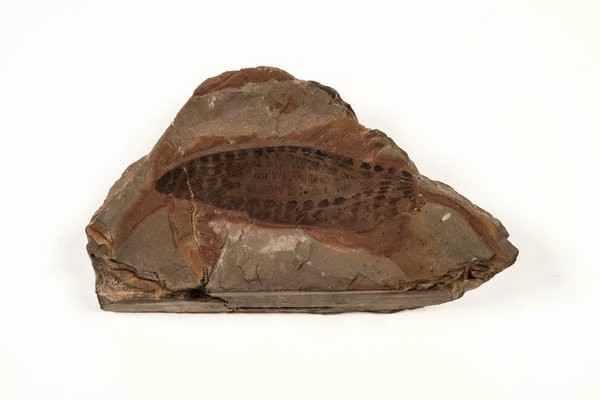
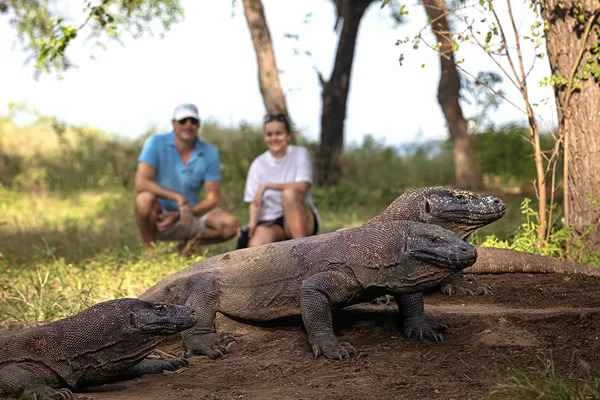
The term "paleontology" refers to the study of ancient life, and fossils form the basis of this science.
What are fossils?
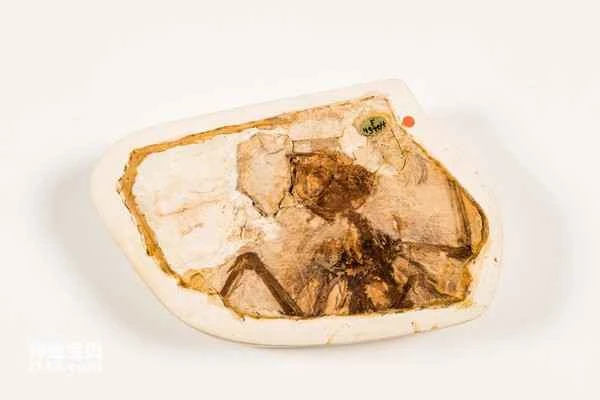
The word "fossil" comes from the Latin word *fossus*, meaning "excavated." This refers to fossils, which are remains of past life preserved in rocks, soil, or amber. Generally, these remains were once the hard parts of an organism, such as bones and shells, but in special cases, soft tissues can also become fossils. Fossils come in different types because remains can be preserved in various ways.
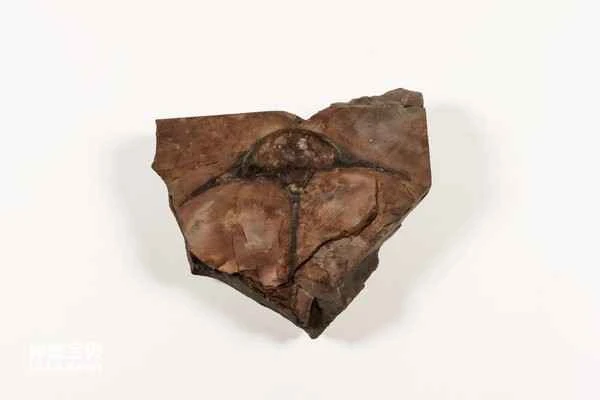
fossil remains
Trace fossils are preserved evidence of animal activity or behavior, rather than the remains of the animal itself. Examples of trace fossils that have been discovered include:
Trilobite footprints
Burrows of marine invertebrates
Ichthyosaur coprolites (fossilized feces)
Fossils that preserve some organic matter
Animal and plant remains undergo various physical and chemical changes during fossilization. This results in fossils exhibiting different types and degrees of organic preservation:
Minimal decay, with only some loss of soft tissue.
Preserve the skeleton with minimal changes
All organic matter except carbon was removed, and carbon remained in the rock in the form of a thin film.
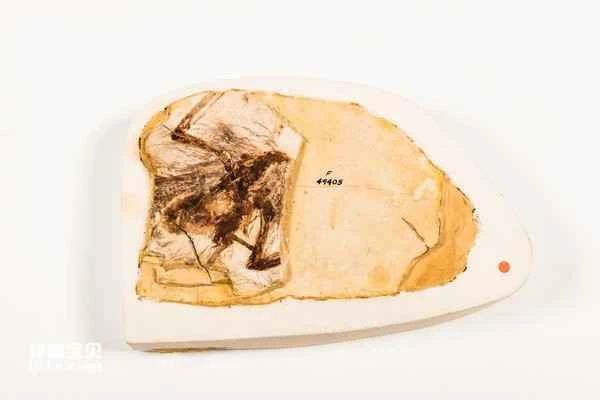
mineralized fossils
These fossils are formed when the organic matter in the remains is gradually replaced by minerals, eventually turning the remains into "rock." Replacement types include:
Replace organic matter in bones with minerals
Use pyrite instead of the shell
Replace the outer shell with opal
Using silica to replace wood – petrified wood

Impression Fossils
Fossils can also form when remains have completely decomposed but leave traces in sediment. Impressions can be external shapes or internal spaces (potentially filled with other minerals or sediments). Examples include internal impressions of trilobites or ammonites, and external impressions of armored fish or tree bark.
When is a "fossil" not a fossil?
Some examples of natural geological formations that might be mistaken for fossils are nodules. These are rhythmic deposits of iron around nodes/cores and may be organic, such as tree roots. Dendrites are another structure that resembles leaf fossils but has a mineralogical origin.
Popular perceptions about what fossils are and what they should look like often fall far short of reality. We often have a "it looks like something, therefore it is something" mentality, and it can be difficult to convince someone that a specimen they cherish doesn't look like it and may not be of much value. However, many mineral formations are just as fascinating as fossils.
I found some bones. Are they fossils?
Bones unearthed from the ground may not always be fossils.
Check the bones for minerals from the surrounding environment—bone fossils tend to be relatively heavy.
The presence of a calcium carbonate crust suggests the specimen was buried in an environment rich in calcium carbonate groundwater. This is more likely to have occurred in the more distant past than recently, thus potentially indicating that the bone is fossilized.
Comparisons with the bones of domesticated and native animals may be helpful. Marsupials have distinctive premolars, which are almost species-specific.