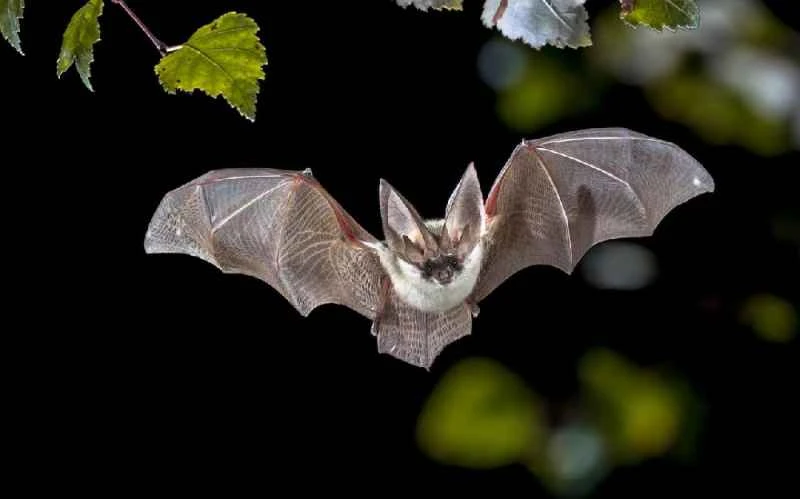
Bats are a unique group of mammals, possessing characteristics of chiropterans, and belonging to the order Chiroptera. The following is a detailed introduction to bats and their habits:
1. Features and appearance:
Size : Bats vary greatly in size, ranging from small to large. Large species, such as the insectivorous hunter bat (Giant Bat), can have a wingspan of up to 1.5 meters.
Chiroptera : The forelimbs of bats have evolved into unique chiroptera, connected by a thin membrane of skin. This wing-like structure enables bats to fly.
2. Living habits:
Diet : Bats have a diverse diet, including insects, fruits, pollen, blood, etc., and different species of bats have different dietary preferences.
Nocturnal : The vast majority of bats are nocturnal animals, active at night and using biological ultrasound for navigation and hunting.
Habitat : Bats inhabit a variety of environments, such as caves, tree hollows, and buildings. Some species form large swarms that inhabit caves.
Social Structure : Bats are diverse in species, exhibiting varied social structures and community behaviors. Some bats are solitary, while others form large colonies, such as bat swarms.
Reproductive behavior : The reproductive habits of bats vary among species. Some species form stable pairs, while others practice polygyny. Young bats are usually raised by their mothers.
3. Ecology and Distribution:
Habitat : Bats are widely distributed throughout the world, with different species found in tropical rainforests, temperate and cold regions.
Population status : Some bat populations are declining due to habitat destruction, disease, and human activities. However, many places are also taking measures to protect bats in order to maintain their survival and ecological balance.
4. Ecological role:
Food chain : Bats play a vital role in many ecosystems, feeding on insects to help control pest populations and serving as an important food source for other carnivores.
Pollination : Many plants rely on bats to spread pollen, which helps them reproduce.
Bats, as unique and important members of the ecosystem, play a crucial role in maintaining ecological balance and biodiversity. Protecting bats is essential for maintaining ecosystem stability, and we should dedicate ourselves to protecting their habitats and promoting harmonious coexistence between humans and bats. Thank you for your interest in these fascinating and important animals. Please feel free to ask if you have any further questions or need more information.