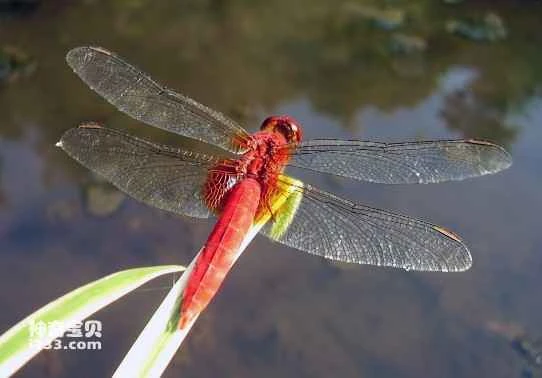
Dragonflies are ancient and elegant insects, belonging to the order Coleoptera. With their long, slender bodies and transparent wings, they are excellent fliers. Below is a detailed introduction to dragonflies and their habits:
1. Physical characteristics:
Body structure : Dragonflies have long bodies, with the thorax and abdomen clearly divided into two sections. They have two pairs of thin, transparent wings, large, prominent compound eyes, and a pair of long antennae.
Growth stages : The life cycle of a dragonfly typically includes four stages: egg, larva, pupa, and adult. The egg hatches into a larva, which grows and develops in water or soil, eventually pupating into an adult.
2. Living habits:
Habitat : Dragonflies inhabit places near water sources, such as lakes, rivers, and ponds. They need water to complete their reproductive cycle and also forage nearby.
Diet : Dragonflies are omnivorous insects, mainly preying on other insects such as mosquitoes and flies. Dragonflies can hunt in the air, using their agile flight capabilities to capture prey.
Flight ability : Dragonflies possess powerful flight capabilities, enabling them to fly rapidly, stop abruptly, turn quickly, and catch prey. They are excellent fliers, even capable of flying in both clockwise and counter-clockwise directions.
Mating : Dragonflies have a unique and complex mating system. Male dragonflies attract females by displaying unique flight techniques and postures. Mating usually occurs in the air or near the water's surface.
Reproduction : Dragonfly reproduction mainly occurs near water, where female dragonflies lay their eggs in the water. After hatching, the larvae grow in water or soil until they become adults.
3. Ecological role:
Pest control : As carnivorous insects, dragonflies play an important role in controlling various pests, which helps maintain ecological balance and agricultural production.
Ecological balance : As an important link in the food chain, dragonflies play a vital role in the balance and stability of the ecosystem.
Dragonflies are an important part of the ecosystem, making significant contributions to its balance and stability by preying on pests and participating in the food chain. As advanced insects, dragonflies play a unique role in the insect world's ecological niche. Hopefully, this information will help you understand the habits and ecological significance of dragonflies. If you have any further questions about dragonflies or other insects, please feel free to ask.