Herbal remedies are gaining popularity among pet owners as a natural alternative to traditional veterinary medications. This article will explore a variety of herbs that are beneficial to dogs, their uses, dosages, safety profiles, and overall effects on pet health.
Learn about herbal medicine for dogs
Herbal medicine utilizes plants and their extracts to promote health and treat various ailments. Like humans, dogs can benefit from the therapeutic properties of certain herbs. However, caution should be exercised when using herbal remedies, and it is recommended to consult a veterinarian before introducing any new treatment.
Common Dog Herbs and Their Uses
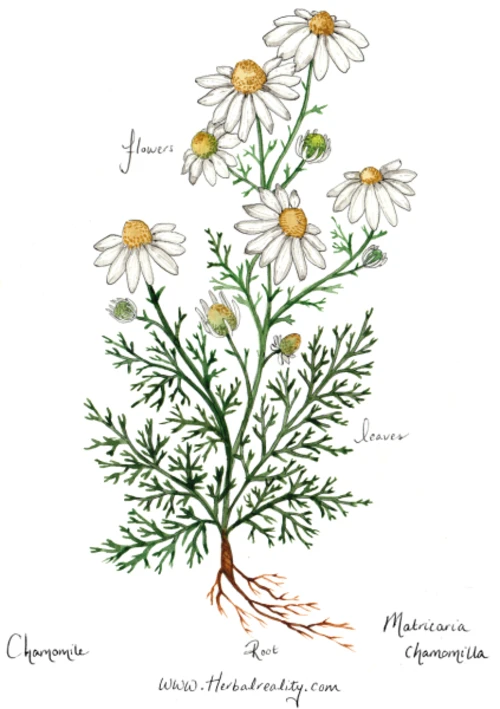
1. Chamomile (Matricaria chamomilla)
Uses: Chamomile is known for its calming effects and can help relieve anxiety, digestive problems, and skin irritation.
Usage: Can be used as a tea or for local rinsing.
Dosage: Use 1 teaspoon of dried chamomile per cup of water. Let it steep and cool before giving it to your dog.
2. Ginger (Zingiber officinale)
Uses: Ginger is great for relieving nausea and improving digestive health, and it can also help reduce inflammation.
Usage: Ginger can be added to food or used as a supplement.
Dosage: 1/8 teaspoon for small dogs, up to 1 teaspoon for large dogs.

3. Turmeric (Curcuma longa)
Uses: Turmeric is known for its anti-inflammatory properties, which can help manage arthritis and promote joint health.
Usage: Turmeric can be added to dog food or given in capsule form.
Dosage: Start with 1/4 teaspoon for puppies and increase to 1 teaspoon for adult dogs.

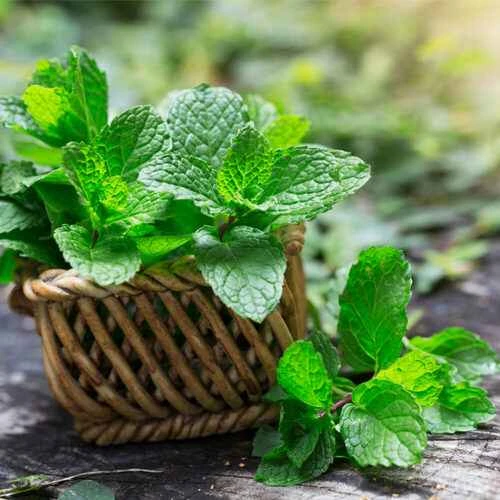
4. Peppermint (Mentha × piperita)
Uses: Peppermint aids digestion and can relieve bloating and flatulence.
Usage: Peppermint tea can be drunk or used as mouthwash.
Dosage: Use 1 teaspoon of dried leaves per cup of water.
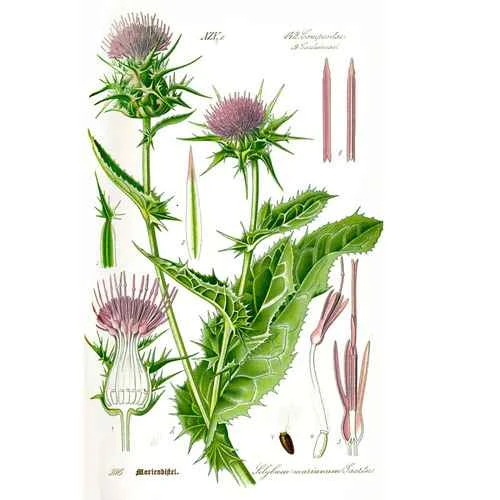
5. Milk thistle (Silybum marianum)
Uses: Milk thistle is a powerful antioxidant that helps with liver health and detoxification.
Usage: Can be added to food in capsule or liquid form.
Dosage: Usually 1-2 mg per pound of body weight.
6. Purple Coneflower (Echinacea purpurea)
Uses: Echinacea is often used to boost the immune system and help fight infection.
Usage: Can be used as a tincture or capsule.
Dosage: Generally 1-2 mg per pound of body weight, depending on the package instructions.

Safety Guidelines for Herbal Therapies
Consult a veterinarian: Before starting any treatment, be sure to consult a veterinarian who is knowledgeable in herbal medicine.
Understand your dog's health condition: Consider any existing health problems and medications. Some herbs may interact with medications or worsen existing health problems.
Start slowly: Introduce one herb at a time and observe the dog's reaction.
Use premium products: Ensure you use high-quality herbal products specifically designed for pets.
Note the dosage: Always follow the recommended dosage. Overuse of herbs may cause toxicity.
in conclusion
Herbal remedies can offer dogs a variety of health benefits, from digestive support to anti-inflammatory effects. However, they should be used with caution under the guidance of a veterinarian. Understanding the properties and proper use of each herb is essential to ensuring your pet's health and well-being.
Incorporating herbal remedies into a dog's care routine can improve their quality of life and promote overall health. Safety and quality should always be prioritized when exploring natural options for pet health.