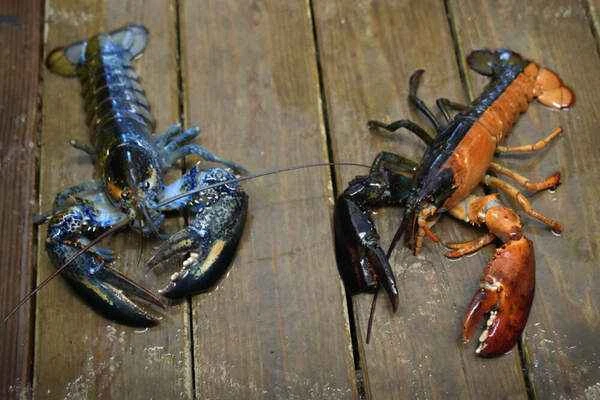
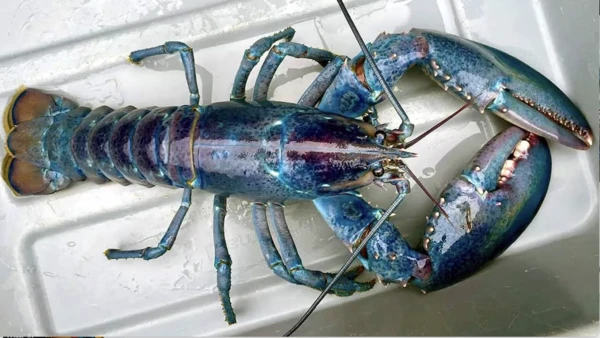
The Cotton Candy Lobster is one of the rarest and most beautiful creatures in the ocean, named for its soft, powder-blue and pink hues that resemble the sweet swirls of a cotton candy. Unlike the deep red or orange lobsters we are familiar with, this lobster stands out for its unique and stunning appearance, a captivating marvel among marine life.
Why is it so special?
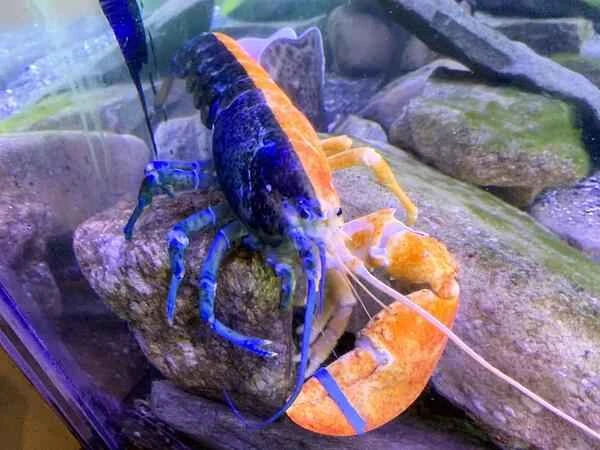
The marshmallow lobster gets its name from its unique color, ranging from pale blue to light pink, creating a dreamlike, almost magical hue. This color comes from a rare genetic mutation that affects the distribution of pigments in the lobster's shell. Normally, lobster pigments turn the shell red when cooked, but in this rare case, the pigments change, producing the ethereal, dreamlike color.
Scientists estimate that the odds of finding a marshmallow lobster are extremely low, about one in a hundred million. This rarity makes them very precious, and they are usually not served on the dinner table, but rather sent to aquariums or research institutions.
Where do they live?
Marshmallow lobsters typically inhabit the cold waters of the Atlantic Ocean, particularly along the North American coast, such as in Maine, a major lobster fishing region. However, due to their rarity, witnessing one is a very special experience. Fishermen who occasionally catch one often consider it a symbol of good fortune.
Protection and Conservation
Due to their unique appearance and rarity, marshmallow lobsters are not typically used as seafood, but are instead sent to aquariums, marine research institutions, or nature reserves. These institutions take meticulous care of the lobsters, ensuring they can live out their remaining years in comfort, while also raising public awareness of the wonders of marine biodiversity.
The science behind their colors
The blue, pink, and lilac hues of marshmallow lobsters originate from a genetic mutation that alters how proteins and pigments are processed in their bodies. Normally, lobster shells contain three main pigments: red, yellow, and blue. These colors mix to form the brownish-green shell of a typical live lobster. When the pigment balance is disrupted, unusual colors appear, such as bright blue, white, or dreamy pale hues like those of marshmallow lobsters.
Cultural Influence and Curiosity
Thanks to their dreamy appearance, marshmallow lobsters have become minor celebrities in the marine biosphere. Whenever their photos circulate on social media, they always spark curiosity and admiration from people around the world. It's easy to understand why—they almost seem like creatures straight out of a fairy tale.
The marshmallow lobster is a stunning testament to nature's creativity, transforming an ordinary marine creature into a breathtaking spectacle through its rare genetic mutation. While they don't play a significant role in the lobster fishing industry, their rarity and captivating appearance make them a prized find for fishermen and ocean enthusiasts alike. So, the next time you hear about a marshmallow lobster discovery, you'll know just how special it really is!