When we think of family pets, cats often come to mind. But did you know that some cats are far larger than the average domestic cat? In this article, we'll explore the largest domestic cats, their characteristics, and what makes them unique. Whether you're considering adopting a large cat or simply want to learn more, this guide will provide all the information you need.
What is a domestic cat?
Domestic cats, also known as house cats, are a breed of cat adapted to living with humans. They are generally smaller than their wild relatives, but some breeds stand out due to their size. These larger breeds not only have distinctive appearances but also unique personalities, making them excellent companions.
Largest domestic cat breed
1. Maine Coon cat
Maine Coon: A gentle giant cat
Overview
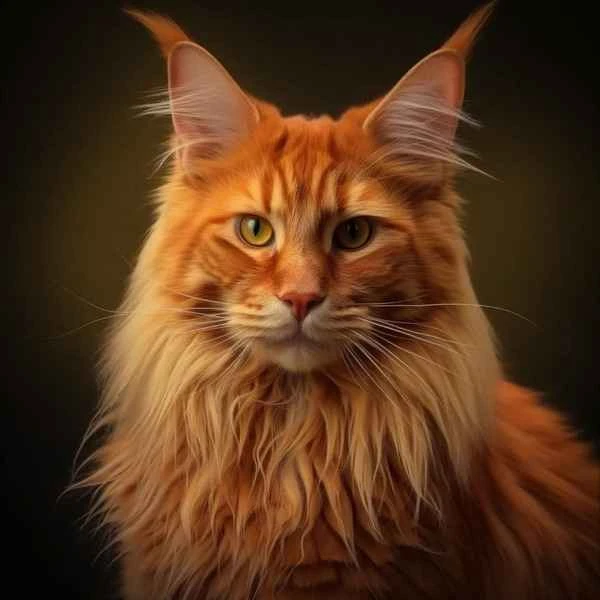
The Maine Coon is one of the largest domestic cat breeds, known for its impressive size, luxurious coat, and friendly temperament. Originating in the United States, it is beloved by cat lovers worldwide for its unique appearance and charming personality.

Appearance features
Body type:
The Maine Coon is considered the largest domestic cat breed. Males typically weigh between 13 and 18 pounds (5.9 to 8.2 kilograms), while females typically weigh between 8 and 12 pounds (3.6 to 5.4 kilograms). Some individuals even exceed 25 pounds (11.3 kilograms).
Hair:
They have long, thick, water-based protective fur designed to shield them from harsh weather. Their fur is soft and light in texture, generally more delicate than other long-haired breeds. Maine Coons have a ring of fur around their necks, similar to a lion's mane.
Face and ears:
Maine Coons have a distinctive appearance, with a broad, square head and high cheekbones. Their large ears are often topped with fur, giving them a more wild look.
Tail:
Their long, bushy tails are usually as long as their bodies, and they can curl their tails around their bodies to keep warm.
Personality and character
Friendly and gentle: Maine Coons are known for their gentle and loving nature. They are often described as "gentle giants" and love to follow their owners and participate in family activities.
Sociable and lively: These cats are very social and usually get along well with children and other pets. They love to interact and play, and may even remain playful throughout their lives.
Intelligent and curious: Maine Coons are very intelligent and love to explore their surroundings. They learn new skills quickly and enjoy toys that challenge their thinking.
Calm temperament: Despite their large size, they are generally calm and suitable for families and individuals.
care and maintenance
Summary:
Regular brushing is key to preventing tangles and reducing shedding. Brushing once a week is usually sufficient, but more frequently may be needed during shedding season.
diet:
Due to their larger size, Maine Coons may require more food than smaller breeds. Consult your veterinarian for dietary recommendations tailored to your cat's weight, age, and activity level.
Health check:
Regular check-ups at the veterinary clinic are an important part of monitoring your cat's health, especially since Maine Coons may be prone to certain health problems.
sports:
Providing ample exercise opportunities is very important. Maine Coon cats enjoy climbing, playing with toys, and engaging in interactive games that mimic hunting behaviors.
The Maine Coon is a truly exceptional breed, combining beauty, personality, and affection. Their unique characteristics and playful nature make them a favorite in many households. If you're considering adding a Maine Coon to your home, prepare to welcome a loving, loyal, and occasionally mischievous furry friend who will bring joy and warmth to your life.
2. Savannah cat
Savannah cat: an exotic mixed-breed cat
Overview
The Savannah cat is a stunning and unique breed of cat, originating from the cross between domestic cats and African wildcats (servants). Due to its exotic appearance and lively personality, the Savannah cat is becoming increasingly popular among cat lovers.

Appearance features
Body type:
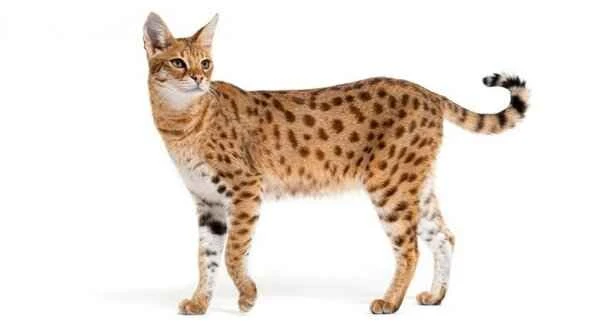
Savannah cats are known for their impressive size. They typically weigh between 12 and 25 pounds (5.4 to 11.3 kilograms), with some individuals even larger. Males are generally larger than females.
Hair:
Their fur is short to medium length, soft and smooth, with distinctive spots or marble patterns, showcasing characteristics of their wild ancestors. Coat colors typically include gold, silver, and brown.
Ears and eyes:
Savannah cats have large, erect ears set high on their heads, giving them a wild appearance. Their almond-shaped eyes, which can be gold or green, further enhance their attractiveness.
Body structure:
These cats have long, muscular bodies and display an elegant posture.
Personality and character
Intelligent and curious: Savannah cats are known for their intelligence. They are very curious, love to explore their environment, and can quickly learn commands and tricks.
Playful and active: This breed is very active and requires a lot of physical exercise. They enjoy interactive games and often show an interest in mimicking hunting behaviors.
Friendly and affectionate: Savannah cats are social animals and enjoy spending time with their families. They generally get along well with other pets and do not exhibit aggression.
Loyalty and protection: Many Savannah cats show dog-like loyalty to their owners, may follow them, and display a protective instinct.
care and maintenance
Summary:
Because of their relatively short fur, Savannah cats require less grooming. Regular brushing can help reduce shedding and keep their fur healthy.
diet:
A high-quality diet is essential for maintaining their health, especially given their high energy levels. Consult a veterinarian for specific dietary advice.
sports:
Due to their active nature, Savannah cats require a lot of exercise. Providing interactive toys, climbing frames, and playtime is crucial for their health.
social contact:
Early socialization is crucial for the development of Savannah kittens. Exposing them to different environments, people, and other animals helps them develop a friendly personality.
Legal Considerations
It's important to note that keeping Savannah cats may be subject to local laws and regulations because they are a mixed breed. Some areas have specific regulations regarding the ownership of mixed-breed cats. Be sure to check local laws before considering getting a Savannah cat.
The Savannah cat is a captivating breed that combines the beauty of a wildcat with the companionship of a domestic cat. With their striking appearance and lively personalities, they make excellent pets for families who can provide them with love, attention, and exercise. If you're considering bringing a Savannah cat home, get ready to welcome a smart, affectionate, and energetic family member!
3. Ragdoll cat
Ragdoll cats: gentle feline companions
Overview
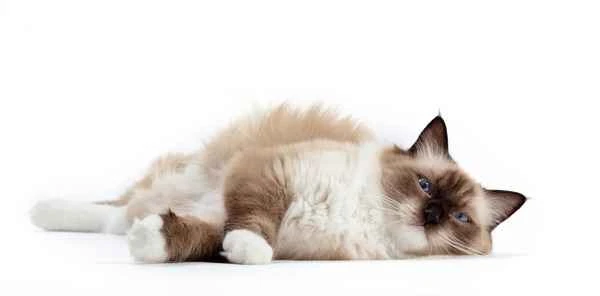
The Ragdoll is a breed of cat known for its charming appearance and gentle temperament. Developed in the United States in the 1960s, the breed is famous for its large size, captivating blue eyes, and distinctive pointy markings. Their friendly and easygoing nature makes them an ideal choice for families and individuals.

Appearance features
Body type:
Ragdoll cats are one of the larger domestic cat breeds. Males typically weigh between 15 and 20 pounds (6.8 to 9 kilograms), while females generally weigh between 10 and 15 pounds (4.5 to 6.8 kilograms). Some individuals may even exceed these ranges.
Hair:
They have medium-length, soft, and silky fur that is thick and easy to care for. Their fur is often described as being as soft as rabbit fur. Ragdoll cats are less prone to tangling than many other long-haired breeds, but they still require regular brushing.
Colors and patterns:
Ragdoll cats come in a variety of color-point patterns, including spotted, mitted, and bicolor. Common colors include seal, blue, chocolate, lilac, and red. Their captivating blue eyes are a hallmark of the breed.
Facial and body structure:
Ragdoll cats have broad, round heads with full cheeks and a slightly curved forehead. They have sturdy, muscular bodies and long tails that are proportionate to their bodies.
Personality and character
Affectionate and gentle: Ragdoll cats are known for their gentle nature. They are often described as "dog-like cats," enjoying following their owners and participating in family activities. Many Ragdolls like to sit on their owner's lap, seeking close contact.
Calm and Relaxed: This breed has a gentle temperament, making it ideal for families and those who prefer a relaxed pet. Ragdoll cats are generally tolerant and patient, making them suitable for interacting with children and other pets.
Intelligent and trainable: Ragdoll cats are intelligent and capable of learning commands and tricks. They can be easily trained to use the litter box or play fetch. Their curiosity and playful nature also keep them energetic.
Sociable and Friendly: Ragdoll cats are social animals and enjoy spending time with their families. They typically get along well with other pets and do not exhibit aggression. Their friendly nature makes them ideal for multi-pet households.
care and maintenance
Summary:
Regular brushing is essential for maintaining healthy hair. Brushing at least once a week can help reduce shedding and keep your hair healthy.
diet:
A balanced, high-quality diet is very important for a Ragdoll cat's health, especially to support their large size. Consult your veterinarian for dietary advice suitable for your cat.
Health care:
Regular checkups with a veterinarian are key to monitoring their health. Ragdoll cats may be prone to certain health problems, including hypertrophic cardiomyopathy (heart disease) and bladder stones.
sports:
Although Ragdoll cats are generally gentle, they still need regular play and exercise to stay healthy and happy. Interactive toys, feather sticks, and climbing structures can all help keep them active.
Ragdoll cats are an adorable breed that brings joy and affection to families. With their gentle nature, striking appearance, and loving personality, Ragdolls are perfect for families, singles, and seniors. If you're considering adding a Ragdoll to your family, prepare to welcome a loyal, affectionate, and lively friend who will quickly become a beloved member of your household!
4. Norwegian Forest Cat
Norwegian Forest Cat: The Elegant Cat of the North
Overview
The Norwegian Forest Cat (Norsk Skogkatt) is a robust and charming breed of cat with a long history rooted in ancient Norse mythology. These cats are adapted to the cold Scandinavian climate and are known for their beautiful fur, pointed ears, and friendly temperament. They are often described as gentle giants, making excellent companions for families and individuals.
Appearance features
Body type:
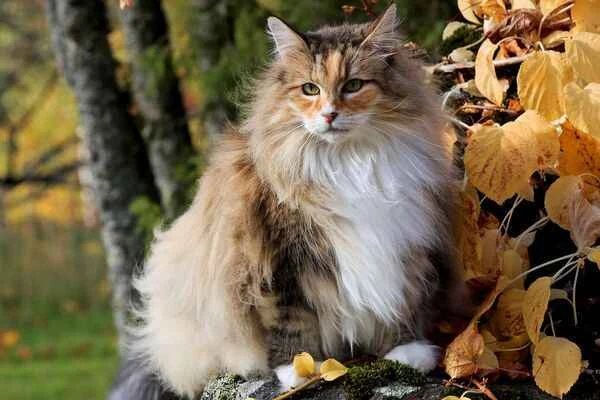
Norwegian Forest Cats are medium to large breeds. Males typically weigh between 12 and 16 pounds (5.4 to 7.3 kg), while females weigh between 8 and 12 pounds (3.6 to 5.4 kg). They are muscular and robust, giving them a sturdy appearance.
Hair:
They have long, dense double coats that are waterproof, protecting them from harsh weather. The outer coat is coarse and effectively drains water, while the inner coat is soft and dense. The hair varies in length, with longer hair around the neck and mane.
Ears and eyes:
The Norwegian Forest Cat's large ears, broad at the base and tapering to a point, enhance its wild appearance. Its almond-shaped eyes, which can be green, gold, or copper, add to its allure.
Body structure:
They have strong bodies, broad chests, and powerful limbs. Their long, bushy tails are used for balance and warmth, especially in cold climates.
Personality and character
Friendly and sociable: Norwegian Forest Cats are known for their friendly nature. They are close to their families and generally get along well with children and other pets.
Intelligent and curious: These cats are very intelligent and love to explore their surroundings. They can learn commands and tricks very quickly.
Playful and active: Norwegian Forest Cats are lively and active, enjoying activities that stimulate their minds and bodies. They enjoy climbing, jumping, and interacting with toys.
Calm and adaptable: Generally gentle in temperament, these cats are suitable for various living environments. They are not particularly picky and can adapt to different families.
care and maintenance
Summary:
Regular brushing is essential for maintaining healthy fur. Brushing once a week can prevent tangles and reduce shedding, especially during shedding season when more frequent brushing is needed.
diet:
A balanced, high-quality diet is essential for their health. Norwegian Forest Cats require a diet suited to their active lifestyle, so consulting a veterinarian is important.
Health care:
Regular veterinary checkups are key to monitoring their health. Although generally healthy, Norwegian Forest Cats can be susceptible to certain genetic diseases, so responsible breeding is very important.
sports:
Providing them with ample opportunities for exercise is key to maintaining their health. They enjoy cat trees, interactive toys, and games that keep them active.
The Norwegian Forest Cat is an elegant and gentle breed that brings joy and companionship to any family. With their striking appearance, friendly temperament, and lively nature, they are an ideal choice for families and individuals. If you are considering adding a Norwegian Forest Cat to your family, be prepared to welcome a loyal, affectionate, and playful friend who will quickly become a part of your life!
5. British Shorthair cat
British Shorthair: Detailed Overview
The British Shorthair is one of the most popular and recognizable cat breeds, known for its sturdy build, round face, and thick coat. Its long history and charming personality make it a favorite among cat lovers worldwide. Below is a comprehensive introduction to the British Shorthair, including its characteristics, history, and care requirements.
feature
Appearance features
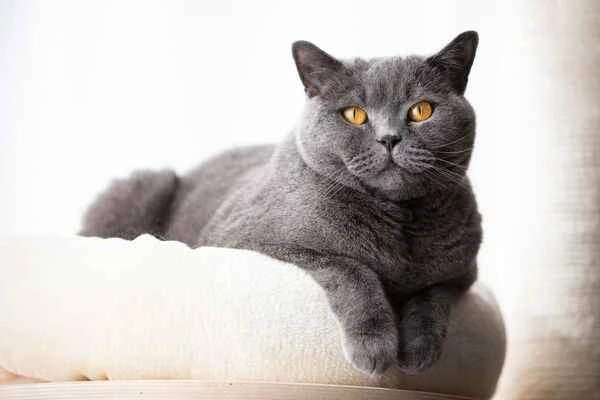
Size: The British Shorthair is a medium to large cat with a sturdy, compact body. They have broad shoulders, a deep chest, and strong limbs, giving them a dignified appearance.
Face shape: The most distinctive feature of the British Shorthair is its round face with full cheeks. They have a short, wide nose and large, round eyes in a variety of colors, including copper, gold, and blue.
Coat: This breed is known for its dense, soft coat, which is short but thick and has a soft feel. Coat colors and patterns vary, the most well-known being the classic "British Blue," a solid grey-blue color.
Personality traits
British Shorthair cats are known for their calm and easygoing nature. They are generally friendly but don't require much attention, making them excellent companions. Here are some common personality traits of this breed:
Affectionate: They enjoy being with people and usually form a strong bond with their owners. However, they are not overly dependent and prefer to remain independent.
Playful: British Shorthair cats retain their playful spirit even into adulthood. They enjoy interactive games and often participate in activities that stimulate their hunting instincts.
Gentle: This breed is known for its gentle temperament and is suitable for families with children and other pets. They are typically patient and accommodating, making them ideal for multi-pet households.
history
The British Shorthair has a long history dating back to ancient Roman times, believed to have been brought to England by Roman soldiers. These cats are beloved for their excellent hunting abilities and adaptability to various environments.
The breed was officially recognized in the late 19th century, and cat shows began to showcase its unique characteristics. In the early 20th century, the British Shorthair's popularity soared, its iconic blue fur and round face closely associated with the breed. However, the breed faced challenges and declined in numbers during World War II. Post-war breeding programs helped revive the breed, which remains a favorite among cat lovers today.
Nursing and Maintenance
diet
A balanced diet is essential for maintaining the health of a British Shorthair. High-quality cat food is recommended to meet their nutritional needs. Pay attention to portion control to prevent obesity, as this breed is prone to weight gain.
cosmetic
British Shorthair cats require relatively little grooming due to their short coats. Regular brushing (once a week) helps reduce shedding and maintain healthy fur. In addition, regular dental care, nail trimming, and ear cleaning are also important grooming steps.
Health considerations
Like all breeds, British Shorthair cats can be susceptible to certain health problems, including:
Hypertrophic cardiomyopathy (HCM): A common heart disease in cats that can lead to serious health problems.
Obesity: Due to their relaxed temperament, British Shorthair cats are prone to obesity. Regular exercise and a healthy diet are essential.
Regular veterinary checkups are essential for monitoring a cat's health and detecting potential problems early.
The British Shorthair is a charming breed of cat, beloved for its captivating appearance and easygoing nature. With their affectionate nature and playful spirit, they make excellent companions for families and individuals. If you're considering bringing a British Shorthair into your family, be prepared to welcome a loyal friend who will bring joy and comfort to your life. With proper care and attention, this breed can thrive and become a cherished member of your household.
Large cat care and considerations
There are some special things to keep in mind when owning a large cat:
Space: Make sure you have enough space for your cat to move around and play. Large cats need space to stretch and exercise.
Diet: Large cats may require more food than small cats. Consult your veterinarian for dietary advice based on your cat's size, age, and activity level.
Health check-ups: Regular veterinary check-ups are essential for monitoring your cat's health, especially since large breeds may be prone to certain health problems.
Playtime: Regular playtime with large cats helps maintain their physical and mental stimulation. Toys that mimic hunting behavior are particularly beneficial.
Grooming: Some large breeds, such as Maine Coons and Ragdolls, require regular brushing to prevent tangles and reduce shedding.
The following is a comparison table of the main characteristics of Maine Coon, Savannah, Ragdoll, Norwegian Forest Cat, and British Shorthair cats:
| feature | Maine Coon | Savannah cat | Ragdoll cat | Norwegian Forest Cat | British Shorthair cat |
|---|---|---|---|---|---|
| body shape | Large (13-25 lbs) | Medium to large (12-25 lbs) | Medium to large (10-20 lbs) | Medium to large (12-16 lbs) | Medium to large (9-18 lbs) |
| Hair type | Long and fluffy | Short to medium, soft | Semi-long hair, soft | Long and thick | Short and thick |
| Color variant | Multiple colors and patterns | Multiple colors and speckled patterns | Multiple colors, including color dots | Multiple colors and patterns | It comes in many colors, the most well-known being blue. |
| face shape | Square shape, high cheekbones | slender | Round face with full cheeks | triangle | round and wide |
| Eye | Large and round, usually gold/green | Large and oval, gold/green | Large and round, blue | Large and oval, usually green | Large and round, available in multiple colors |
| character | Friendly, sociable, lively | Smart, active, and playful | Affectionate, gentle, calm | Friendly, lively, independent | Calm, easy-going, affectionate |
| life | 12-15 years | 12-20 years | 12-15 years | 2014-2016 | 12-20 years |
| Nursing needs | Medium (Weekly Review) | Low (occasionally combed) | High (requires regular review) | Medium (Weekly Review) | Low (Weekly review) |
| Exercise needs | Gao (likes to play and be active) | Very high (needs stimulation) | Moderate (enjoys playtime) | Medium to high (enjoys climbing) | Low to medium (prefers short playtime) |
| The most suitable family | Family, active family | Active individuals or families | Families, especially families with children | Family, suitable for cat owners | Families, individuals, first-time cat owners |
The table highlights the key differences and similarities among these popular cat breeds, helping potential cat owners choose a companion that suits their lifestyle.
Large domestic cats offer a unique combination of beauty, personality, and companionship. From friendly Maine Coons to playful Savannahs, these breeds can make excellent pets for families ready to cater to their needs. If you're considering bringing a large cat into your home, remember to do your research and prepare for this adorable, energetic, and sometimes special companion. With proper care and attention, your large feline friend will bring years of joy and love to your life!