The brown June beetle, also known as the golden beetle, is a common scarab beetle found in North America, especially during the summer. These insects appear suddenly in early summer, and their nocturnal habits, buzzing sound, and attraction to light make them easily identifiable. Below, we will detail the appearance, behavior, and role of the brown June beetle in the ecosystem.
What is a brown June worm?
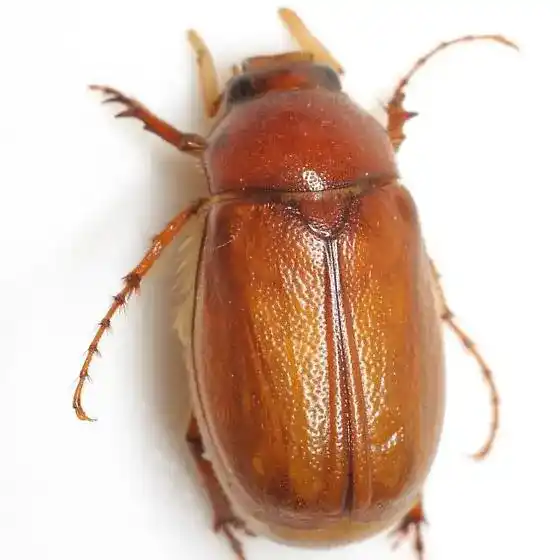
Brown Junebugs (scientific name: Phyllophaga ) are members of the scarab beetle family, typically medium to large in size, measuring approximately 12–25 mm (0.5–1 inch) in length. The name "Junebug" comes from their seasonal appearance, usually occurring in late spring to early summer, especially during warm nights.
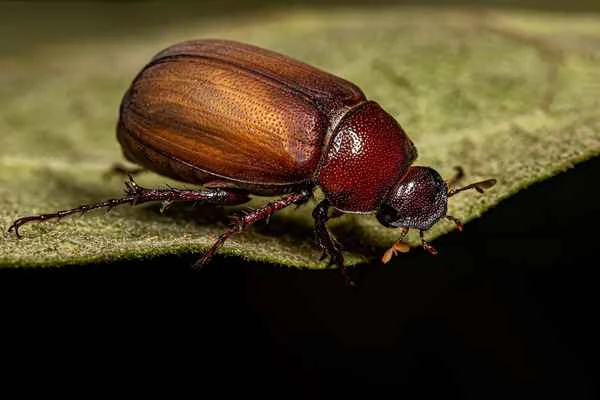
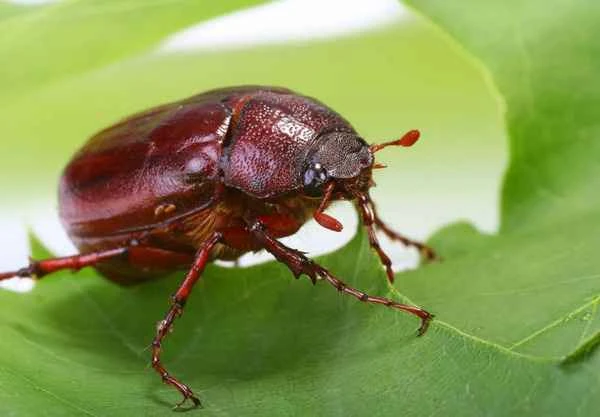
Color and shape : Brown June crickets have a shiny brown exoskeleton and are roughly round or oval in shape. Their body surface varies from smooth to slightly rough and they have distinctive fan-shaped antennae.
Life cycle : Like other beetles, brown June beetles have four life cycles: egg, larva, pupa, and adult. They spend most of their time underground as larvae (often called "white grubs"), feeding on plant roots, before emerging as adults.
Behavior and Habitat
The brown June cricket is known for its unique nocturnal habits and flight patterns.
Flight and Nocturnal Habits : These beetles are attracted to light, so you will often see them hovering around porch lights or streetlights. They make a buzzing sound as they fly, sometimes bumping into windows and walls, and their calls can be heard on warm summer nights.
Habitat : Brown Junebugs are found throughout North America, especially in gardens, fields, and meadows. They are often found near shrubs, trees, and gardens because the larvae can feed on plant roots.
The life cycle of brown June beetle
The life cycle of the brown June worm determines its behavior and the timing of its seasonal appearance:
Egg stage : Adult females usually lay their eggs in the soil of grasslands or gardens.
Larval (Grub) Stage : After hatching, the larvae of the June bug (called grubs) feed on plant roots for a period ranging from several months to several years. These white grubs can damage lawns and crops.
Pupal stage : The larvae eventually enter the pupal stage and develop into adults in the soil.
Adult stage : After completing development in the soil, they usually appear in adult form in May or June, preparing to mate and continue their life cycle.
Adult June crickets have a very short lifespan on the ground, usually only a few weeks.
What do brown June worms eat?
Brown June worms have different diets at different stages of their life cycle:
Larvae : Grubs primarily feed on the roots of grasses, plants, and crops, making them potentially destructive to lawns, gardens, and agricultural areas.
Adults : Adult brown June beetles typically feed on the leaves of shrubs, trees, and some crops, but the damage they cause to plants is usually less than that of the larval stage.
Are brown Juneworms harmful?
Brown June bugs are generally harmless to humans, but can be bothersome when they congregate in large numbers around lights. While they don't bite or sting, their presence can be unsettling. However, the larvae can pose a threat to plants and lawns as they damage root systems, causing leaves to yellow and wither, and in severe cases, even leading to plant death.
Pest control : If brown Juneworms or their larvae are causing damage to a garden or lawn, there are several natural and chemical control methods available. Using beneficial nematodes, pesticides, or utilizing natural predators such as birds can effectively control grub populations.
The role of brown June beetle in the ecosystem
Although brown June bugs are considered pests by gardeners, they play an important role in the ecosystem:
Decomposers : As larvae, they help decompose organic matter in the soil, enriching the soil.
Food sources : Both adult June crickets and larvae are food for many predators, including birds, small mammals and reptiles.
Interesting facts about brown June worms
"Junebug" season : Although called Junebug, they may appear as early as May in some areas and remain active throughout the summer.
Attraction to light : The attraction of June insects to light comes from the phenomenon of "phototaxis," which means that some insects are naturally attracted to light sources.
Lifespan : Although the adult June crickets live only a few weeks, their underground larval stage can last for several years.
Overview of Phyllophaga types
The genus * Phyllophaga *, commonly known as the May beetle or June beetle, belongs to the family Scarabaeidae and is one of the largest beetle groups in North America. There are over 900 species in the genus *Phyllophaga* , with different species adapted to different habitats and geographical regions. These beetles are relatively large and robust, known for their unique diet, especially their larval stage, which causes damage to plants. The table below details some common * Phyllophaga* species, including their main characteristics, distribution, and environmental impact.
| Species | Common Names | size | Distribution range | feature | Environmental impact |
|---|---|---|---|---|---|
| Phyllophaga anxia | Common June worm | 15-25 mm | North America | Dark brown exoskeleton with a slight sheen, possessing strong flight capabilities. | The larvae feed on plant roots, damaging crops, grasslands, and trees. |
| Phyllophaga crinita | Southern Mask Beetle | 12-18 mm | Southeastern United States | Yellowish-brown, with a slightly hairy surface | Major pests of lawns; larvae feed on grass roots. |
| Phyllophaga implicita | June worm | 10-15 mm | Eastern North America | Light brown to black, with a body surface covered with fine hair-like structures. | It causes significant damage to the lawn; the larvae feed on the plant roots. |
| Phyllophaga hirticula | Flashing Leaf Beetle | 12-22 mm | Eastern United States, Canada | Smooth, dark brown or black exoskeleton | The larvae feed on grass roots and crop roots, affecting lawns and agricultural areas. |
| Phyllophaga rugosa | Rough June worm | 18-22 mm | Central and Eastern United States | Dark brown, with slightly angular shells, and a robust build. | The larvae feed on roots and are harmful to grasslands and crops. |
| Phyllophaga fusca | Dark June Worm | 12-20 mm | Widely distributed in North America | Brown to black, with a robust body structure | Damage to lawns and ornamental plants |
| Phyllophaga ephilida | Appalachian June Worm | 15-22 mm | Appalachian Mountains | Dark brown, smooth exoskeleton, adapted to mountainous environments | Relevant data is limited, but the larvae may affect local vegetation. |
| Phyllophaga rubiginosa | rusty June bug | 12-18 mm | Eastern and Southern United States | Reddish-brown, with a smooth body, it mainly feeds on plant roots. | The larvae cause moderate to severe damage to lawns and plants. |
The impact of Phyllophaga species
The larvae of most Phyllophaga species are considered pests because they feed on plant roots, especially grasses and crops. Adult beetles are less destructive but may cause minor damage to leaves. Due to their feeding habits, some Phyllophaga species have raised concerns in agriculture and horticulture, particularly in lawns, golf courses, and pastures. In the ecosystem, these beetles contribute to soil health as decomposers, but can have destructive effects when they are in excessive numbers.
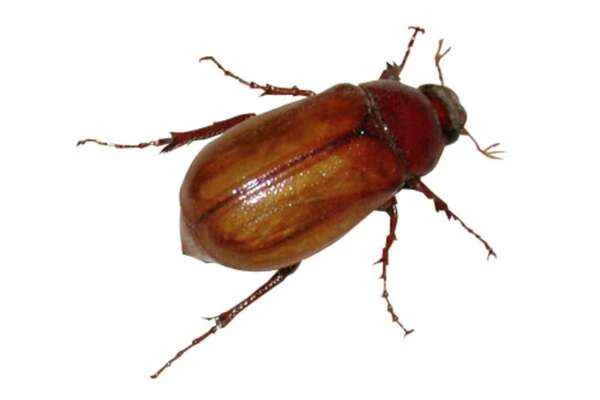
Brown June beetles, though sometimes considered pests, are fascinating insects that contribute to nature. Whether you're a homeowner with a lawn or a nature enthusiast curious about insects, understanding these beetles' life cycle, behavior, and impact can help you better understand their role in the ecosystem. This summer, if you encounter brown June beetles under lights, you'll know where they come from!