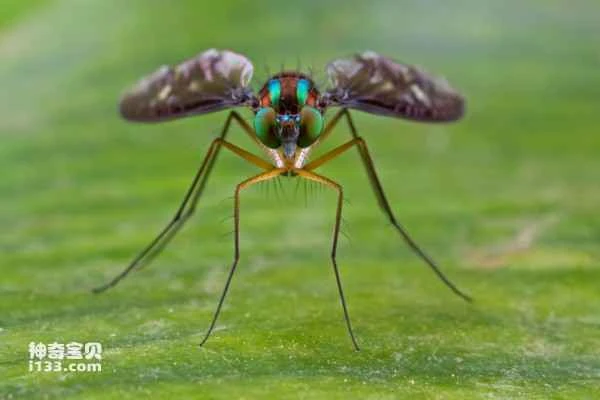
If you're curious about the insect world, you've probably heard the phrase "the world's largest fly." This statement often sparks curiosity, referring to a giant fly that's both amazing and a little intimidating. In this article, we'll delve into the world's largest fly, learning about its species, size, habitat, behavior, and other fascinating facts!
What is the world's largest fly?
The title of "world's largest fly" is usually attributed to the Titan beetle (Titanus giganteus), although there is some debate about whether it qualifies as a fly depending on the definition. The Titan beetle is a giant beetle that lives in the Amazon rainforest. Although it is not technically a fly, it is often classified as a fly due to its resemblance to other flies.
However, if we are strictly referring to "true flies," then the giant spittle fly (Tipula gigantea) is generally considered the largest fly species. This fly appears exceptionally large due to its impressive wingspan and long, slender legs.
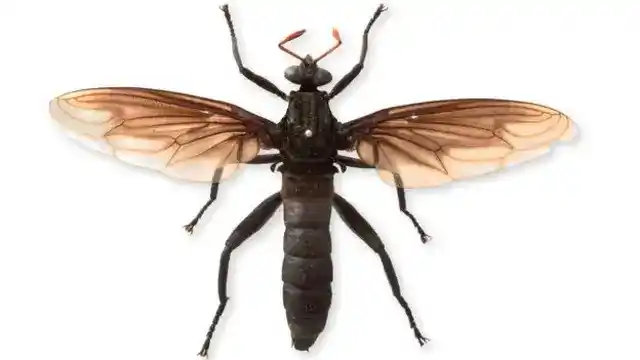
Giant Crane Fly: The Real Largest Fly
The giant spittle fly (Tipula gigantea) is considered the largest "true" fly species. Here are some key characteristics that set it apart:
Size : The wingspan of the giant spittle fly can exceed 10 centimeters (about 4 inches), with some individuals even reaching 15 centimeters (about 6 inches). Although its body is not as robust as some beetles, its long legs and wings make it appear very large relative to other fly species.
Appearance : This fly has a slender body, extremely long legs, and almost transparent wings. Their delicate shape and exquisite, almost transparent wings make them look very elegant, despite their large size.
Habitat : Giant spittle flies typically inhabit temperate regions of Europe, North America, and Asia. They prefer moist environments such as swamps, wetlands, and forests, where there are abundant larvae for them to feed on. They are usually found near water sources, which is essential for their reproduction.
Diet : Adult giant spittle flies do not eat much during their short lifespan. They typically only live for a few days after becoming adults. Their primary task is reproduction, relying on the nutrients accumulated during their larval stage. The larvae, in turn, feed on decaying plant matter in the soil.
Other large fly species
While the giant spittle fly is considered the largest "true" fly, there are other impressive large fly species worth mentioning:
Giant housefly (Sarcophaga sarcorhaga): This is an exceptionally large housefly, reaching up to 2 inches in length. While not as large as the giant spittle fly, it is still a fairly large fly species.
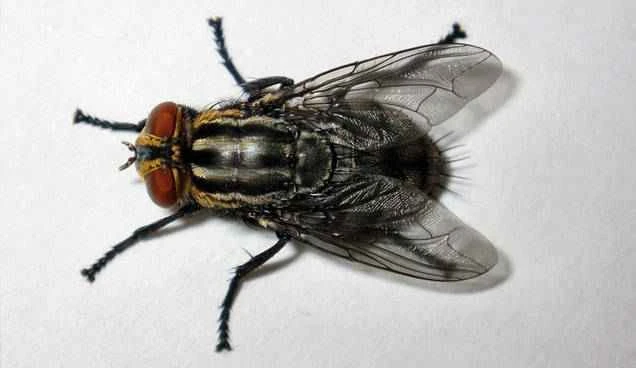
Horseflies (Tabanus spp.): Known for their painful bites, horseflies are among the largest "true" flies. Some species can reach 1.5 inches in length. They are aggressive and common throughout the world, especially near water sources.
The role of giant flies in the ecosystem
Despite their enormous size, giant flies play a vital role in ecosystems. Here are some of their contributions to nature:
Decomposers : Many giant flies, such as the giant hornfly, have larvae that feed on decaying organic matter. This helps decompose plant matter and return nutrients to the soil, supporting the health of the entire ecosystem.
Pollinators : Some giant flies, especially hornflies, are able to pollinate flowers. Although they are not as efficient as bees, they still contribute to the pollination of some plants.
Part of the food chain : Giant flies and their larvae are a food source for many animals, including birds, fish, and amphibians. Their enormous size makes them a delicious meal for many predators.
Interesting facts about the world's largest fly
Short lifespan : Despite their enormous size, adult giant spittle flies only live for a few days. During this short life, their main tasks are mating and laying eggs. Because they have accumulated enough nutrients during their larval stage, they hardly eat during their adult stage.
Flight Skills : Despite their large size, giant spittle flies are not particularly strong fliers. Their long, thin legs and wings make them appear somewhat clumsy in the air. However, they are able to fly short distances to mate and find suitable habitats.
Harmless : Despite their enormous size, giant spittle flies are harmless to humans. They do not bite, sting, or spread diseases. In fact, they are more of a nuisance than a threat.
Why are giant flies so huge?
Why some flies can grow to such enormous sizes has been a puzzle for entomologists for many years. Here are a few factors that may contribute to the large size of some fly species:
Oxygen supply : One theory suggests that larger insects can thrive in oxygen-rich environments, such as tropical rainforests. When oxygen is plentiful, insects can grow to a larger size through a more efficient respiratory system.
Ecological niche : Giant flies may have evolved the ability to dominate in specific ecological environments. For example, giant flies may be better able to avoid predators or reach taller plants.
Climate factors : Warmer climates and higher humidity also favor the growth of large insects. Tropical regions, especially the Amazon rainforest, are habitats for many giant insect species, including giant flies.
The difference between spittle flies and mosquitoes
Although both spittle flies and mosquitoes belong to the order Diptera, there are several significant differences between them:
Body shape and appearance :
Spigger flies : They are usually large in size, with long wings and slender legs, and look like a large flying spider.
Mosquitoes : Relatively small, short-bodied, and usually quite slender.
feeding habits :
Spirogyra flies : Most adults do not feed on blood. The majority of adult Spirogyra flies rely solely on energy stored within their bodies for survival, and their lifespan is relatively short. Their larvae primarily feed on decaying plant matter.
Mosquitoes : Female mosquitoes need to suck blood to provide the nutrients required for reproduction, while male mosquitoes feed on nectar.
Lifestyle habits :
Spinners : Most adult spirilla flies fly in the air, while their larvae live in moist soil or decaying plants.
Mosquitoes : Adult mosquitoes usually live in humid environments, especially near water sources, while larvae mostly live in water.
The giant spittle fly ( Tipula gigantea ) is not a mosquito. It is one of the largest species of spittle flies in the world, with a huge and unique appearance, often mistaken for a "giant mosquito." However, they do not suck blood and do not pose the same threat as mosquitoes. Therefore, although they look somewhat similar, they are different insects, belonging to different species and playing different ecological roles.
The world's largest fly is an amazing creature that captures our attention with its enormous size and unique characteristics. Whether it's the giant spiky hornfly with its long, slender wings and legs, or other massive species like the horsefly , these giant insects play vital roles in ecosystems. Despite their intimidating appearance, they are harmless to humans and offer us a glimpse into the diversity and adaptation of the insect world.
So the next time you see a giant fly buzzing around, you'll know how amazing it is!
Viruses carried by flies
Flies, especially houseflies, are widely known for transmitting a variety of diseases. While flies themselves do not directly cause disease, they can endanger human and animal health by carrying and spreading viruses and bacteria. This article will discuss in detail the types of viruses flies can carry, how they transmit pathogens, and their potential health risks.
Housefly (Musca domestica) and viruses
Houseflies are one of the most common vectors for virus transmission. They have a wide range of activity and frequently come into contact with food, garbage, and excrement, thus becoming effective vectors for spreading pathogens. Houseflies can carry the following viruses:
Enterovirus
Houseflies can transmit viruses that cause gastrointestinal infections, including:
Enteroadenovirus : This virus causes gastroenteritis, with symptoms including diarrhea, vomiting, and stomach cramps. Houseflies can pick up the virus from contaminated food or surfaces and then spread it to other food or surfaces.
Rotavirus : Rotavirus is one of the leading causes of severe diarrhea in children. Houseflies can spread the virus by carrying it and contaminating food and surfaces. Houseflies may bring the virus into the home if they come into contact with feces and garbage.
Poliovirus : Although polio has been largely eradicated in many areas, houseflies can act as vectors in areas where the virus still exists. They can transfer the virus from contaminated water or food to human hosts.
Zoonotic viruses
Flies can also transmit zoonotic viruses, which can infect both humans and animals, for example:
Hantavirus : Hantavirus is mainly transmitted through rodents, but flies can also transmit the virus through contact with the urine, saliva, or feces of rodents carrying the virus.
Dengue virus (transmitted by Aedes aegypti mosquitoes): Although dengue fever is primarily transmitted by mosquitoes, flies can also act as secondary vectors in certain situations. Flies may also carry the virus if they come into contact with virus-containing excrement or contaminated surfaces.
Fruit flies and viruses
Although fruit flies (Drosophila spp.) are not typically directly associated with human virus transmission, they play a role in the spread of agricultural viruses. Fruit flies sometimes transmit plant viruses, including:
Tomato yellow leaf curl virus (TYLCV) : This virus is transmitted by whiteflies. Although fruit flies are not direct transmitters, they may assist in the spread of the virus in certain situations, harming a variety of crops, including tomatoes.
Fungal gnats and viruses
Fungal midges (family Sciaridae) are common small flying insects that typically thrive in humid environments, such as greenhouses or overwatered plant environments. They can carry plant viruses, such as:
Cucumber mosaic virus (CMV) : This virus affects crops such as cucumbers, tomatoes, and peppers. Fungal midges can spread the virus from infected plants to healthy plants, thus exacerbating the spread of plant diseases.
How do flies spread viruses?
Flies spread viruses mainly in the following ways:
Mechanical transmission : The most common way flies spread viruses is through mechanical transmission. When flies land on contaminated surfaces (such as feces, decaying food, or infected animals), they carry pathogens to new surfaces, such as food or surfaces that humans frequently touch.
Rumination and excretion : Flies spread viruses through rumination or excretion. For example, before feeding, flies often regurgitate digestive juices onto their food to better absorb nutrients; this process may release viruses from their bodies, contaminating the food. Similarly, if flies defecate on food or surfaces, they may leave behind any viruses they are carrying.
Bites : While flies don't bite humans like mosquitoes, certain types of flies, such as horseflies and tsetse flies, can transmit viruses through their bites. Although these flying insects don't often transmit human viruses, they play an important role in transmitting animal diseases such as African sleeping sickness.
The main viruses transmitted by flies
The following are some of the important viruses that flies may transmit:
Dengue virus : Although it is mainly transmitted by mosquitoes, in some cases, flies may carry the virus after coming into contact with contaminated surfaces, especially in tropical and subtropical regions.
Zika virus : Similar to dengue fever, Zika virus is primarily transmitted by mosquitoes, but in some cases, houseflies may participate in mechanical transmission. Zika virus can cause birth defects and neurological problems, becoming a major health issue in endemic areas.
Hepatitis A : Hepatitis A is a liver infection that is transmitted through contaminated food and water. Flies can carry the hepatitis A virus from one place to another by coming into contact with feces or decaying food.
Cholera : Cholera is a bacterial infection that causes severe diarrhea. Flies can act as vectors for cholera in areas with poor sanitation, carrying the bacteria from feces into food or water.
Preventing the spread of viruses by flies
To reduce the risk of flies spreading viruses, the following preventative measures can be taken:
Good hygiene : Keep your home, kitchen and public places clean and avoid exposing garbage, rotten food and excrement to flies.
Installing screens : Installing screens on windows and doors helps prevent flies from entering indoors, especially in areas with a high risk of disease transmission.
Waste management : Properly disposing of waste, especially food and human waste, can reduce the chances of flies coming into contact with pathogens.
Using insecticides : In areas with a high number of flies, the appropriate use of insecticides can effectively control the fly population and reduce the risk of virus transmission.
Cover food : Cover food with a lid or plastic wrap to prevent flies from landing on it and reduce the risk of contamination.
Although flies may appear harmless, their ability to carry and spread viruses should not be underestimated. By understanding the types of viruses flies carry and how they spread, people can take measures to reduce the risk of diseases transmitted by flying insects. Good hygiene practices, proper waste management, and measures to prevent flies from entering the environment are all key to reducing the threat flies pose to human health.