The camelback cricket, often called the "house cricket" or "camel cricket," is a unique insect commonly found in many homes, especially in damp or dark environments such as basements, crawling spaces, and even garages. Despite their impressive appearance, camelback crickets are harmless to humans and pets. This article will detail the characteristics and behavior of camelback crickets and how to deal with these fascinating creatures.
What is a camelback cricket?
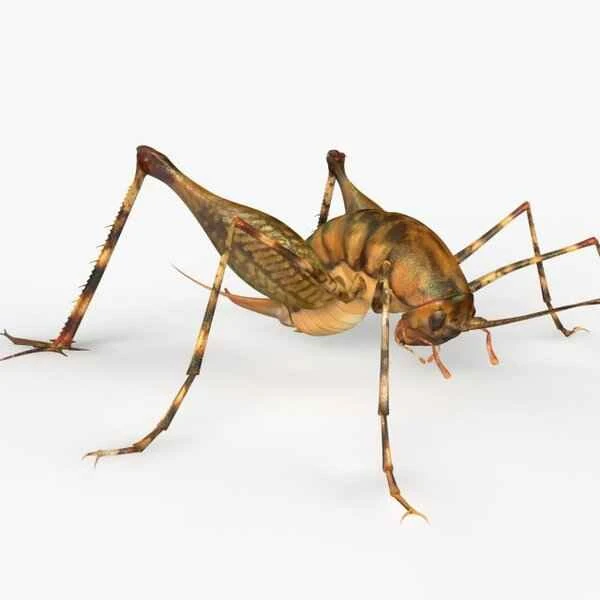
The camelback cricket (scientific name: *Ceuthophilus * species) is a type of cricket known for its unique appearance . Unlike common crickets, which usually chirp, the camelback cricket is silent. It gets its name from its curved, camel-back-like back , which makes it quite distinctive compared to other insects.
Size : Camelback crickets are relatively large, about 1 to 2 inches (about 2.5 to 5 centimeters) long, with long legs, and can jump very high.
Color : They are usually light brown or pale yellowish-brown with darker markings on their backs.
Appearance : These crickets have long antennae, spiky legs, and large hind legs for jumping. Their curved backs make them look like camels, hence their name.
Habitat of the camelback cricket
Camelback crickets typically inhabit dark, damp environments . They prefer humid, low-light locations; basements, crawling spaces, and bathrooms are ideal habitats. They are particularly attracted to damp areas, especially places with stagnant water, such as:
basement
crawling space
garage
bathroom
Attic (if it's damp)
They typically dislike dry, well-lit places and therefore prefer damp, dimly lit corners in the home.
What do crickets with camel backs eat?
Camelback crickets are omnivorous scavengers , meaning they will eat almost any organic matter. Their diet includes:
Decaying plant matter
fungi
Other small insects or dead insects (they are opportunistic food predators)
Food scraps in the home
If you have camelback crickets in your home, they are most likely eating organic matter, such as food scraps, mold, and other decaying matter. While they may occasionally nibble on plant leaves or fabric, they generally do not cause serious harm to household items or plants.
Are camel-backed crickets dangerous?
Despite their potentially frightening appearance, camelback crickets are harmless to humans or pets . They neither bite, are non-toxic, and do not transmit diseases. However, some people may experience mild allergic reactions to their presence or droppings, especially those with insect allergies. Their main problem is that if their numbers become too large, they can become a nuisance.
The behavior of the camel-backed cricket
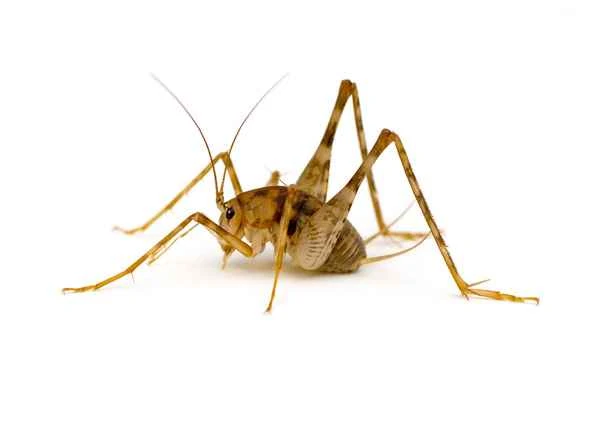
Camelback crickets are known for their jumping and leaping abilities . They are excellent jumpers, using their powerful hind legs to leap great distances when threatened. They are also capable of climbing walls and other surfaces, which is why they are often found in high places such as attics or shelves.
These crickets are nocturnal , meaning they are most active at night, especially in dimly lit places. During the day, they usually hide in dark corners or crevices, avoiding light.
Why do camel crickets jump towards you?
Camel crickets jumping towards humans is usually a defensive reaction when they feel threatened or frightened . They jump towards you not out of intent to attack, but for several reasons:
1. Self-defense mechanism
Like many other insects, camel crickets are timid by nature and tend to avoid conflict. However, if they feel cornered or threatened, they will use jumping as a way to escape danger. Their powerful hind legs allow them to leap several feet, and such sudden jumps can make it seem as if they are leaping towards you.
2. Startle reaction
If you get too close or disturb a camel cricket (e.g., walk past its habitat or shine light on it), it may instinctively jump . This behavior is a reaction to a sudden threat (such as a human or predator). It is not intended to attack, but rather an instinctive reaction to escape or avoid being captured .
3. Poor eyesight
Camel crickets have poor eyesight and rely more on touch and vibration to perceive their surroundings. They are very sensitive to movement, and when something suddenly approaches, they may mistake it for a potential threat. Because they cannot accurately judge what is in front of them, they sometimes hop in the direction they perceive it, making it appear as if they are jumping directly towards you.
4. Defensive behavior
Some insects, including the camel cricket, use jumping to confuse or frighten predators. By jumping, they can confuse predators, making them harder to track or catch. When camel crickets feel threatened, jumping becomes an effective way for them to escape danger.
5. Unconscious reflexes
Sometimes, a cricket's jump is simply a reflex . That is, when it encounters a certain stimulus (such as you moving quickly or suddenly approaching it), its body reacts instinctively by jumping in the direction it is facing, even if it ends up jumping towards you.
While camel crickets jumping towards you might make you a little uneasy, they don't mean to harm you. Their jumping behavior is a natural defense mechanism that helps them escape threats. If you don't want to startle them, try to move gently and quietly in their habitat.
Do camel crickets bite?
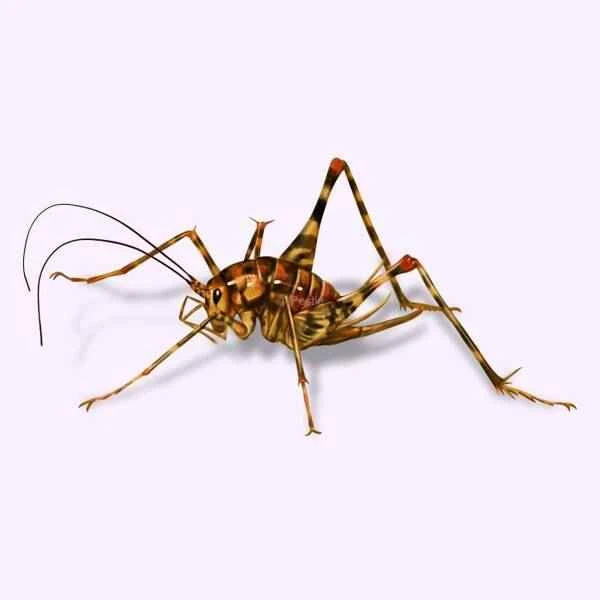
Camel crickets, also known as camelback crickets , do not bite . Although their strong hind legs and sharp mouthparts may look intimidating, these crickets are generally non-aggressive and pose no danger to humans or pets. However, they may bite if they feel extremely threatened or if handled roughly. Below is more information about camel crickets and their biting behavior:
1. Naturally non-aggressive
Camel crickets are generally timid creatures and prefer to avoid conflict. They will not attack humans unless provoked , nor will they bite easily. If they feel cornered or threatened, their first reaction is to flee , escaping danger by leaping with their powerful hind legs.
2. Mouthparts and biting
Although camel crickets have mouthparts (the chewing parts near their antennae), these mouthparts are primarily used for consuming plant matter and decaying organic matter. Their mouthparts are not specifically designed for biting, so while they are capable of biting, this is very rare. Furthermore, camel cricket bites are usually painless , causing only slight discomfort or irritation, and generally do not cause injury.
3. Rough handling may cause biting.
If you accidentally catch or touch a camel cricket, it might bite you if it feels threatened. However, this is very rare, as they usually choose to run away rather than bite.
4. No harm
Even if a camel cricket bites you, the bite is usually harmless. Camel crickets do not transmit diseases through their bites . Their main impact on humans is as a nuisance , especially when they invade homes in large numbers, particularly in damp, dark places such as basements or crawling spaces.
5. Why do they bite (if they do)?
If a camel cricket bites, it's usually a defensive behavior rather than an aggressive one. They might bite in self-defense if they feel trapped, treated roughly, or threatened. However, this behavior is extremely rare.
Camel crickets are generally harmless to humans and will not bite unless they feel extremely threatened. They are non-aggressive creatures, relying more on jumping and avoiding danger than biting. When you encounter camel crickets, it's best not to disturb them, or carefully release them outdoors and avoid rough handling.
How to get rid of camel-backed crickets
If you find camelback crickets in your home, you can take the following steps to control or get rid of them:
Seal entry points : First, seal any cracks or holes in your home , especially in the foundation, walls, or windows, to prevent them from getting in.
Reduce humidity : Since camelback crickets prefer humid environments, consider using a dehumidifier or improving ventilation in damp areas such as basements and crawling spaces.
Clean up food sources : Clean up food scraps, crumbs, and rotting organic matter in your home. Store food in airtight containers to avoid attracting these insects.
Natural insect repellents : Natural insect repellents such as essential oils (e.g., eucalyptus or peppermint) or diatomaceous earth can be used to repel camelback crickets.
Traps : Sticky traps can be used to catch camelback crickets, helping to reduce their numbers in the home.
If the infestation is severe, you may need to contact a professional pest control specialist.
Interesting facts about the camel-backed cricket
Not a traditional cricket : Although they are called crickets, the camelback cricket belongs to a different family— Grylllacrididae —which distinguishes them from typical chirping crickets.
Amazing survival ability : Camelback crickets can survive in very harsh environments, which is why they are difficult to completely eliminate once they enter a home.
Role in the ecosystem : In nature, the camelback cricket plays an important role in decomposing organic matter and helping to recycle nutrients in the soil.
The camelback cricket is a unique insect with a distinctive appearance and behavior. While their appearance may be unsettling, they are harmless and pose no direct threat to human health. However, if you find them invading your home, it's wise to take steps to control their numbers. By reducing moisture, sealing entry points, and removing organic matter, you can effectively manage these insects and keep your home free of unwanted pests. Understanding their behavior and preferences will help you better manage these fascinating creatures.