Birds are among the most amazing and diverse animals on Earth. They possess not only incredible flight abilities, but also an astonishing diversity in the shape and function of their beaks. Bird beaks vary greatly in shape; some are large and strong, while others are long and sharp. Each shape is adapted to different ways of obtaining food, habitats, and life needs. These birds' beaks not only help them find food, but also play important roles in reproduction, courtship, and defense.
Today, we'll take you on a journey through 15 bird species with incredible beaks , revealing how their amazing beak shapes help them survive and thrive in their respective habitats.
Table of contents
Overview of bird beaks
Diversity and Adaptability of Bird Beaks
15 Birds with Incredible Beaks
3.1. Black Skimmer
3.2. Hornbill (Rhinoceros hornbill)
3.3. Roseate Spoonbill
3.4. Red Crossbill
3.5. Shoebill
3.6. Long-Billed Curlew
3.7. Sword-Billed Hummingbird
3.8. Great Hornbill
3.9. Toco Toucan
3.10. Keel-Billed Toucan
3.11. American White Pelican
3.12. Flamingo
3.13. Emu (Kiwi)
3.14. Atlantic Puffin
3.15. American Avocet
The relationship between bird beaks and foraging methods
The evolution and survival strategies of bird beaks
The impact of habitat loss on these birds
Why should we protect these unique birds?
Conclusion: The Wonderful World of Bird Beaks
1. Overview of bird beaks
Birds have no teeth, so their beaks serve multiple functions, including hunting, chewing, courtship, and defense. The shape and structure of bird beaks vary from species to species, and these shapes are the result of millions of years of evolution, perfectly adapted to the lifestyles and environmental needs of different bird species.
The basic structure of a bird's beak includes the upper and lower beaks, and the shape of the beak has undergone adaptive changes based on factors such as the type of food, living habits, and habitat of the bird. For example, carnivorous birds usually have sharp and strong beaks in order to catch and tear prey; while fruit-eating birds have shorter beaks to help them nimbly pick fruits.
2. Diversity and Adaptability of Bird Beaks
Bird beaks are a product of evolutionary adaptation. Different bird species have evolved a wide variety of beak shapes to meet their needs for food, habitat, and lifestyle. This diversity is reflected not only in shape, size, and color, but also in the function of the beak. For example:
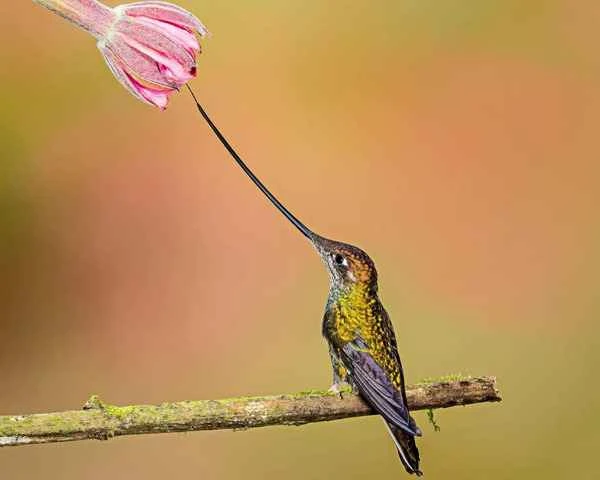
Sword-shaped beak : like the sword-billed hummingbird, its beak is extremely long and used to suck nectar from flowers.
Hooked beak : Birds of prey such as eagles and vultures use their hooked beaks to tear apart their prey.
Spoon-shaped beak : such as the Rose Spoonbill Stork, whose beak is like a spoon and used to stir the water in search of food.
Large beaks : such as the toucan, whose large beaks help them eat nuts and fruits.
Birds' beaks are not only tools for foraging, but also play a vital role in their reproduction, courtship, and social interactions.
3. 15 Birds with Incredible Beaks
3.1. Black Skimmer

The blackbird's beak is truly unique; it's large and thin, with its lower jaw longer than its upper jaw, creating a very distinctive appearance. This structure gives the blackbird a significant advantage when hunting. It dips its lower jaw into the water, slicing across the surface like a blade, and then precisely clamps down on a fish with its upper jaw. This unique beak makes it a one-of-a-kind predator in North and South America.
3.2. Hornbill (Rhinoceros hornbill)
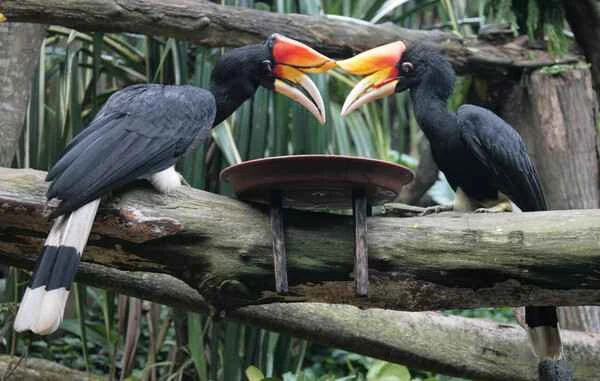
The hornbill gets its name from its beak, which curves like a rhinoceros horn. Its beak is not only enormous, but also features a very prominent casque at the top. This casque serves primarily as a resonating cavity, making the hornbill's call louder. The hornbill's beak is perfectly suited for picking fruit from branches, and its powerful beak can easily pierce tree bark to find food. Hornbills live in the Malay Peninsula and some islands of Southeast Asia, and are iconic birds of the tropical rainforest.
The hornbill's beak is not only large and strong, but also has a horn-like crest at the top. This crest helps it produce a loud call, attracting mates or warning predators. Its beak structure is well-suited for grasping nuts and fruits, while also providing effective self-defense.
3.3. Roseate Spoonbill
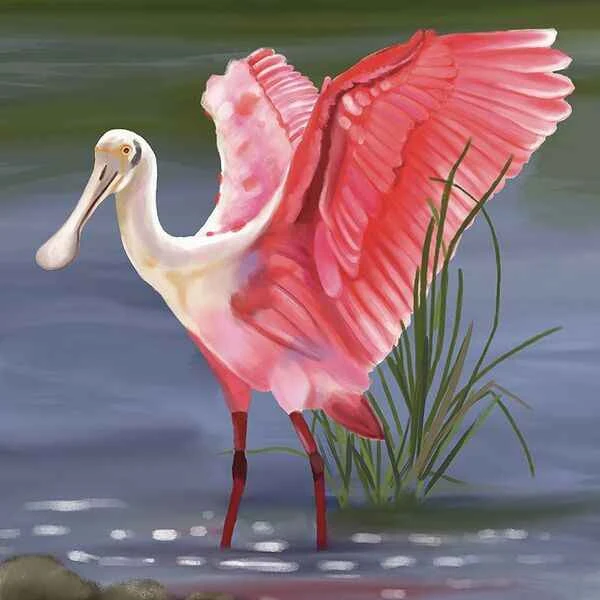
The Roseate Spoonbill, also known as the Roseate Spoonbill, has a curved, scimitar-like beak, perfectly suited for catching fish in shallow waters. It uses its beak to sweep from side to side, catching small crustaceans, insects, and fish in one fell swoop. Notably, its feathers are derived from natural pigments found in the crustaceans it feeds on. Although their numbers once declined due to overhunting, conservation efforts are now leading to a gradual recovery in some areas.
The Rosenbill Spoonbill Stork has a beautifully spoon-shaped beak, well-suited for searching for small aquatic creatures. Its beak helps it find food in shallow water, quickly scooping up small fish and insects like a spoon.
3.4. Red Crossbill
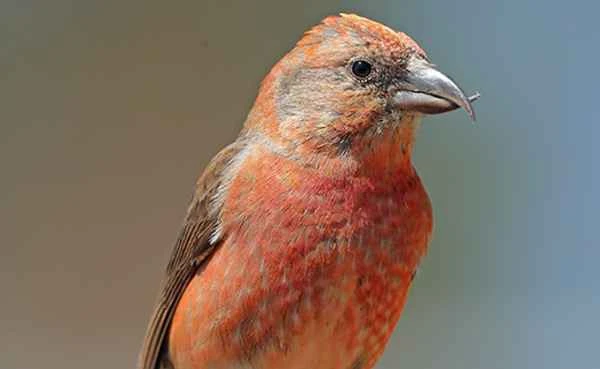
The Red Cross-beaked Bird has an "X"-shaped beak, specifically designed to open pine cones and extract pine nuts. Its unique beak structure is well-suited to the cold pine forest environment, making it a highly adaptable foraging tool.
The Red-billed Beak may look somewhat deformed, but it's precisely its key to obtaining food. Its beak is perfectly suited for cracking open pine cones, prying open the hard scales to extract the seeds. Since its diet consists mainly of pine cone seeds, this unique beak helps it easily adapt to mountainous and forested environments.
3.5. Shoebill
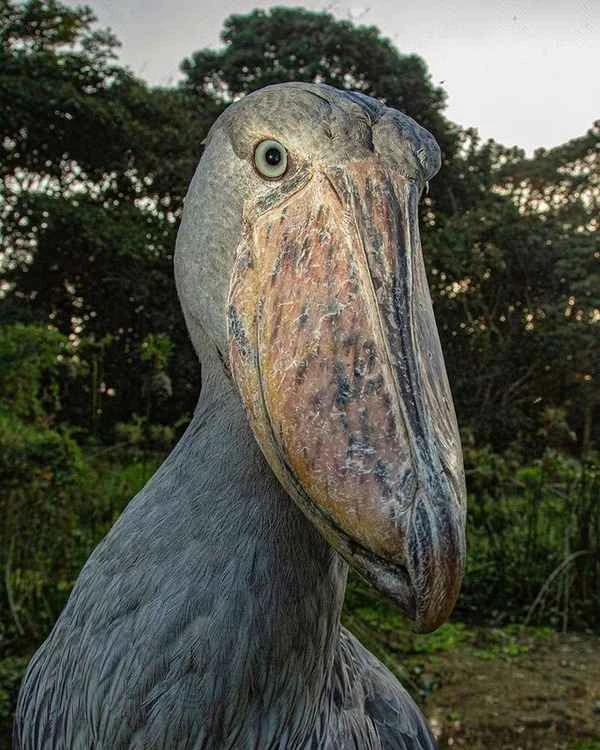
The shoebill stork, also known as the shoe stork, is a bird with a very unique appearance, most notably its enormous, shoe-like beak. Its beak has a sharp hook, perfectly suited for catching large fish and other aquatic creatures. When its beak dips into the water, it can quickly and accurately capture its prey, easily catching fish, crocodiles, and even small mammals. The shoebill's powerful beak plays a vital role in wetland ecosystems, making it a highly efficient predator. Living in the swamps of Africa, its large and imposing beak gives it a ruthless and aggressive appearance.
3.6. Long-Billed Curlew
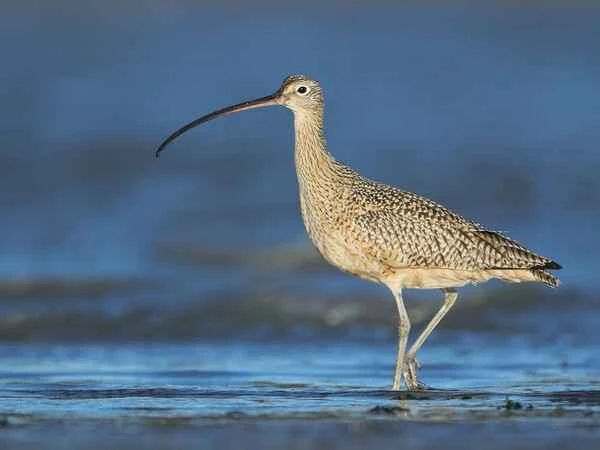
The Long-billed Sandpiper, also known as the Long-billed Curlew, is a North American shorebird with the longest beak in the region. Its long, slender, and curved beak allows it to quickly forage for food in sandy and muddy areas, easily catching small prey such as shrimp, crabs, and earthworms in the intertidal zone and deep mudflats. It primarily feeds on small worms, insects, and small crustaceans. Its beak is perfectly suited for digging deep into the mud to find food. Its beak is even longer than some other shorebirds, enabling it to effectively forage in these narrow, muddy places.
3.7. Sword-Billed Hummingbird
The sword-billed hummingbird has the longest beak of any bird, its length being astonishingly long compared to its body. Its beak is even longer than its body! This unique beak allows it to reach nectar that other hummingbirds cannot, as it can fly to flowers with exceptionally long corollas and delve deep into them with its beak to feed. The sword-billed hummingbird lives in South America, and its distinctive beak sets it apart from other hummingbirds.
3.8. Great Hornbill
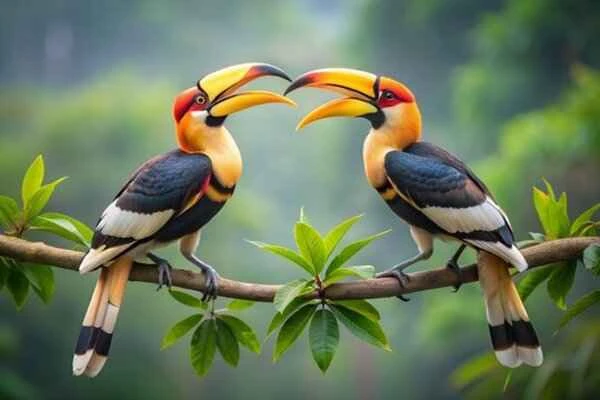
The Great Hornbill is the largest member of the hornbill family, with a more massive beak topped with a striking casque. While this casque may seem somewhat superfluous, it serves more than just decoration. In fact, this hollow casque likely helps the male attract females during the mating season. Furthermore, the presence of the casque also has some influence on interactions between the birds.
The great hornbill's beak is not only large but also strong, with a crest at the top used for courtship and territorial defense. The great hornbill uses its beak to obtain nuts and fruits; its powerful grip allows it to effectively crack nut shells.
3.9. Toco Toucan
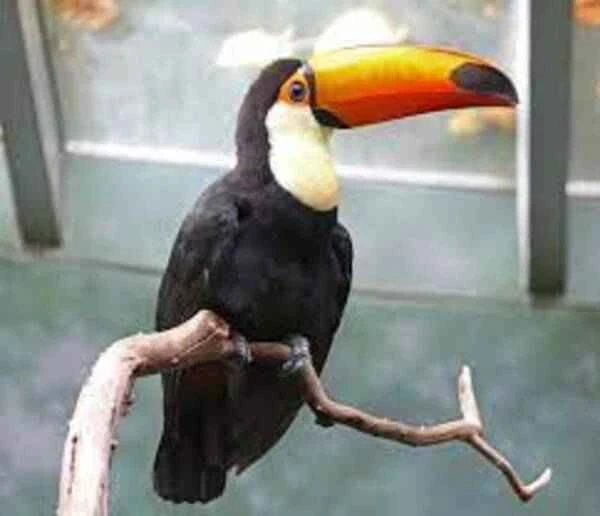
The toucan, a large bird we all know, has a massive beak that takes up one-third to one-half of its body. This enormous beak isn't used to catch large prey; instead, it helps the toucan peel fruit, intimidate other birds, and even scare away predators. The toucan's beak is composed of honeycomb-like keratin; although it looks enormous, it's actually very lightweight and helps regulate its body temperature, aiding its survival in tropical rainforests.
The toucan has a very large and brightly colored beak. Although its beak is relatively heavy, its lightweight skeleton allows it to nimbly use it to pick fruit from high trees. Its beak is not only a foraging tool but also plays an important role in courtship.
3.10. Keel-Billed Toucan
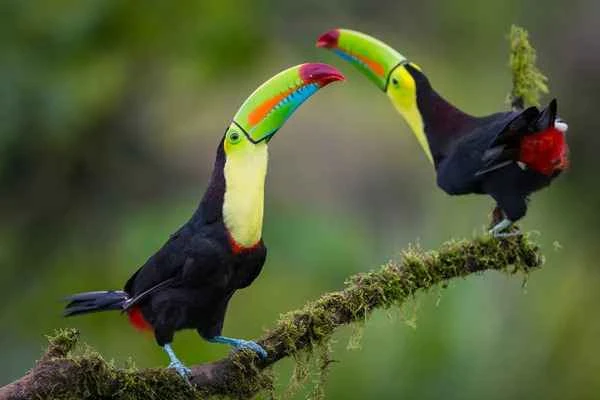
Another type of toucan, the rainbow toucan, possesses a brightly colored beak. Its beak, like a rainbow knife, helps it obtain food and also displays its beauty in a flock. Living in Central and South America, they typically live in groups, using their strong beaks to crack nuts and fruits.
The toucan's beak is not only long but also brightly colored. Its beak helps it easily pick fruit and plays a vital role in foraging. Its colorful beak also helps it attract mates within its flock.
3.11. American White Pelican
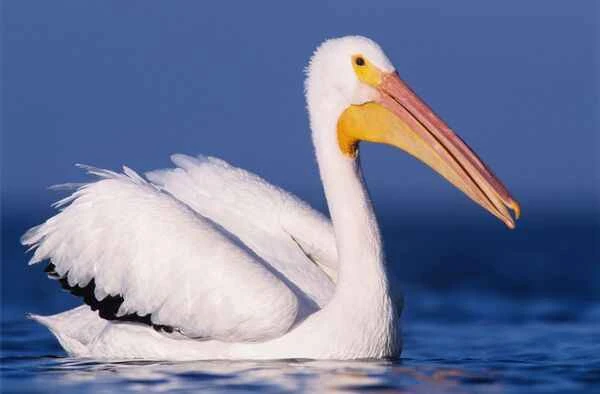
The American white pelican has a very large beak with a unique beak pouch. It uses this pouch to expel water from its mouth, leaving small fish behind. This beak design is perfectly suited for catching fish and is its unique foraging tool.
The pelican's beak is also a marvel; it's very broad and has a pouch underneath called a "throat pouch," which acts as a net-like tool to capture and filter food from the water. The American white pelican is unique in that the male develops a horn-like protrusion on its beak during the breeding season, increasing its attractiveness. They hunt by "standing upside down," using their beaks to filter out small fish and other creatures from the water.
3.12. Flamingo
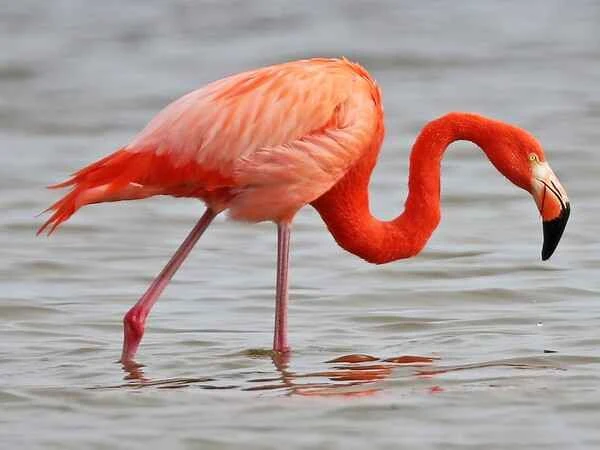
Flamingos have curved beaks, well-suited for filtering food from the water. They use their beaks to swish back and forth in the water, selecting small invertebrates, algae, and other organisms as food. The shape of their beaks and their filtering function provide them with a significant advantage in adapting to wetland environments.
Flamingos also have unique beaks. Their upper beaks are highly curved and possess a special, fuzzy structure called "lamellae." These lamellae act like filters, helping flamingos catch small crustaceans, insects, and other prey in the water. By filtering the water and eating the remaining food, flamingos survive in muddy wetlands.
3.13. Emu (Kiwi)
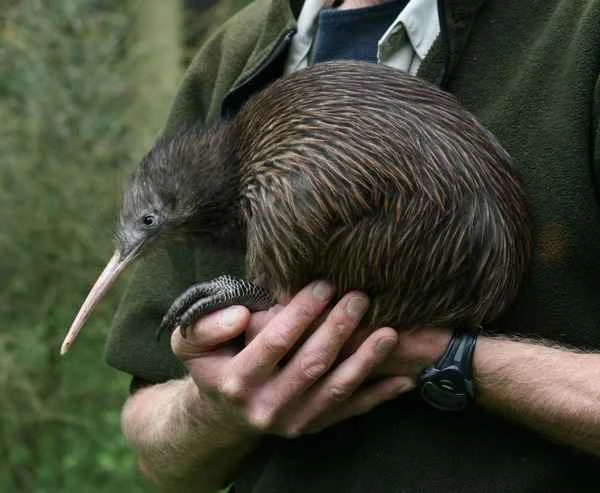
The emu, also known as the kiwi, has one of the most unique long beaks in the world. Its nostrils are located at the tip of its beak, allowing it to use its highly sensitive sense of smell to find food in the soil. The kiwi's exceptionally developed and sensitive sense of smell helps it locate food in the dark and even detect prey moving underground. They use their beaks like levers to widen burrows in the soil, easily obtaining insects and earthworms. They primarily feed on small insects and plants, and the unique design of their beaks helps them forage in the forests of New Zealand.
3.14. Atlantic Puffin
The Atlantic puffin, also known as the Atlantic puffin, has a large, brightly colored beak, especially during the breeding season when its beak often displays vibrant colors. This beak helps them attract mates and also aids in catching fish in the water.
The beak is both beautiful and functional. Its triangular beak is striped with red and black, making it look like a clown of the sea. More importantly, the upper jaw of this beak has serrated protrusions that help the puffin catch multiple fish at once. As they age, their beaks become larger and the serrated protrusions become more numerous.

3.15. American Avocet
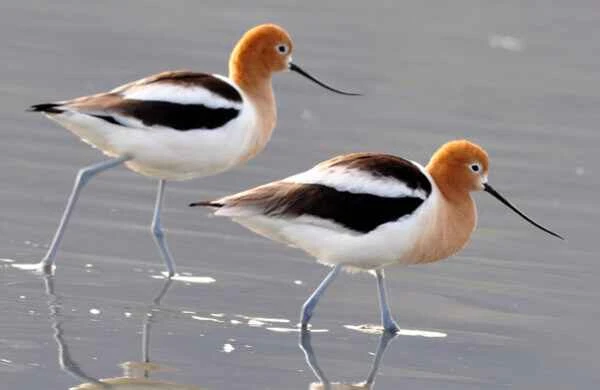
The American Black-bellied Sandpiper, also known as the American Avocet, has a long, upward-curving beak, perfectly suited for rummaging through muddy shallows in search of small crustaceans and invertebrates. Its beak is both useful for foraging and helps maintain balance.
It is an elegant bird with a long, slender, curved beak. It uses this long beak to swish from side to side in the water, searching for crustaceans and insects. Its beak not only helps it hunt but also allows it to effectively evade predators, using it to fight off predators such as the northern harrier and raven.
4. The relationship between bird beaks and foraging methods
A bird's beak is closely related to its food source. Different beak shapes help birds find food and survive. For example, carnivorous birds have sharp, hooked beaks that can tear meat, while hummingbirds, which feed on nectar, have long beaks adapted to extract nectar from flowers. Each bird's beak provides strong support for its survival.
5. The evolution and survival strategies of bird beaks
The evolution of bird beaks is closely related to the survival of birds. The shape and function of the beak are key factors in birds' adaptation to their environment. Through a long evolutionary process, their beaks have helped birds to forage and reproduce more efficiently.
6. The impact of habitat loss on these birds
As their habitats shrink, many birds with incredible beaks face survival pressures. Habitat destruction reduces their food sources, threatening their survival. Protecting these birds' habitats is of paramount importance.
7. Why should we protect these unique birds?
Birds with incredible beaks not only play vital roles in ecosystems, such as seed dispersal and pest control, but also in maintaining ecological balance. Protecting these birds means protecting the environment and ecosystems they depend on.
8. Conclusion: The Wonderful World of Bird Beaks
The diversity and evolution of bird beaks showcase the wonder and wisdom of nature. From the unique hunting methods of the Black Glider to the colorful appearance of the Kelpie's Toucan, these birds' beaks not only help them survive in specific environments but also demonstrate how nature shapes wondrous biological forms through evolution. Protecting these birds and their habitats is crucial for maintaining the Earth's biodiversity.