What animals are snakes most afraid of? Which animals prey on snakes? What are the natural enemies of snakes? Snakes are a general term for reptiles with degenerated limbs, and there are currently more than 3,000 known species of snakes worldwide. Because many snakes are venomous, many people are afraid of them and choose to stay away. However, every creature in nature has its own natural enemies, and snakes are no exception.
In this article, we'll list the top ten natural enemies of snakes, revealing which animals prey on snakes and how they become their "nemesis." Let's take a look at which species in nature hunt snakes!
Snakes' natural enemy #1: Meerkats
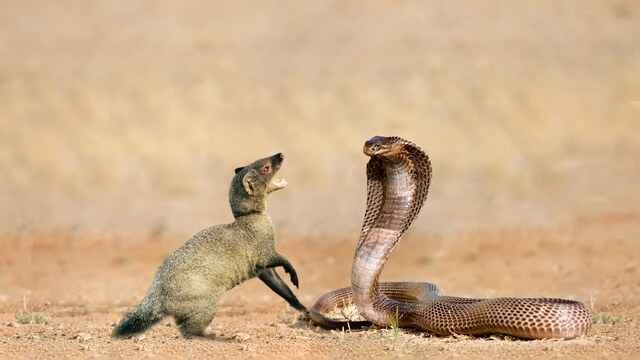
If there's any animal in the animal kingdom that can outhunt the honey badger when it comes to hunting snakes, it's the mongoose. While the honey badger is known for its strong resistance to snake venom, if bitten by a venomous snake, it still needs several hours to recover. The mongoose, however, is far more formidable, almost completely immune to snake venom, making it seem like a natural enemy of snakes.
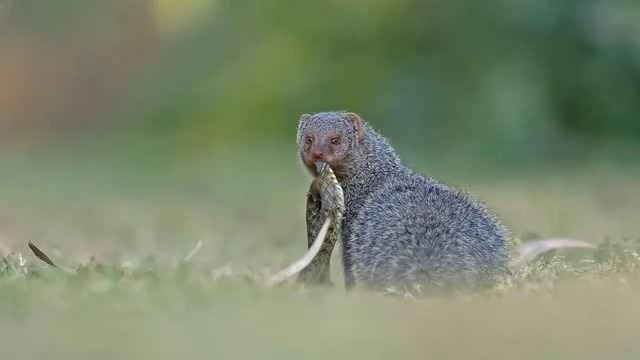
What's even more astonishing is that even when the mongoose is full, it shows no mercy when encountering a venomous snake, determined to kill it even with its belly bulging. It must be said that while the mongoose may be slightly less fierce than the honey badger in overall ferocity, it is undoubtedly superior in subduing snakes, making it a true "snake nemesis."
Snakes' second natural enemy: Honey badger
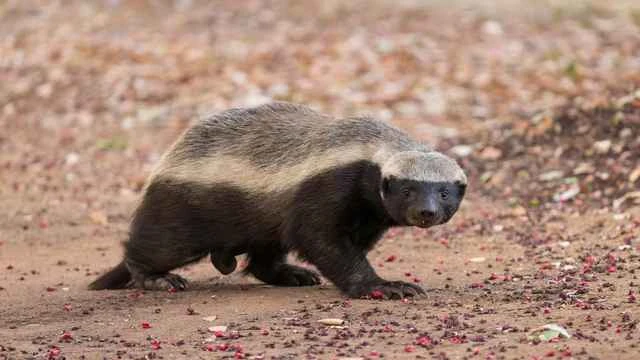
The honey badger, also known as the "flat-headed devil," has long been listed in the Guinness World Records as the "world's most fearless animal." Its ferocity is widely known—it dares to go toe-to-toe with African lions, take on hyenas and leopards, and hunting venomous snakes is as easy for it as eating spicy snacks. Needless to say, the honey badger rightfully occupies a top-three position on this list.
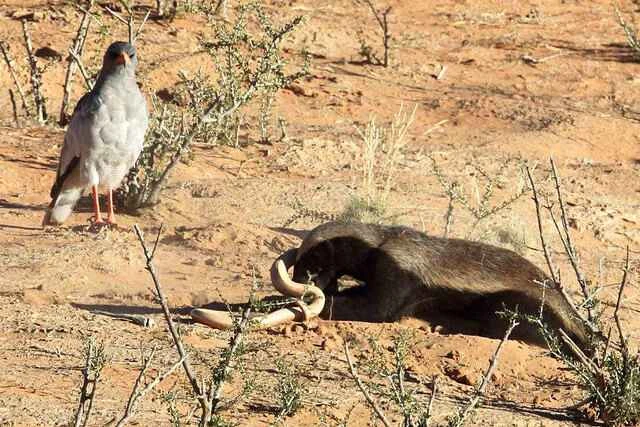
Snakes' third natural enemy: Snake-eating frog
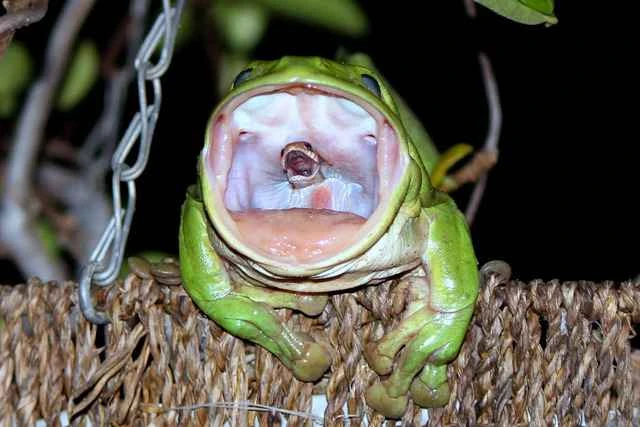
In the primeval jungles of Panama lives a ferocious snake-eating frog, a subspecies of the American bullfrog. The snake-eating frog is covered in mottled tiger stripes, and adults can weigh up to 1 kilogram, with exceptionally large individuals reaching 1.5 kilograms. It possesses typical physiological characteristics of frogs, including keen eyesight and powerful jumping ability.
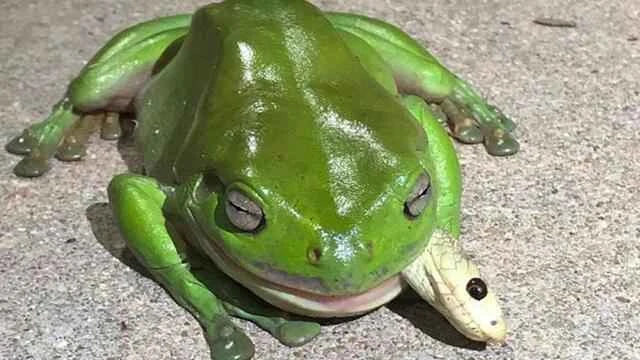
The snake-eating frog feeds on insects, reptiles, birds, and small rodents. However, its most astonishing ability lies in catching venomous or non-venomous snakes up to 80 centimeters long. Even more remarkably, the snake-eating frog is almost never poisoned by venomous snakes and rarely allows its prey a chance to escape. This extraordinary ability gives it a unique place in the food chain, making it a legendary predator in the jungle.
The fourth natural enemy of snakes: Eagles
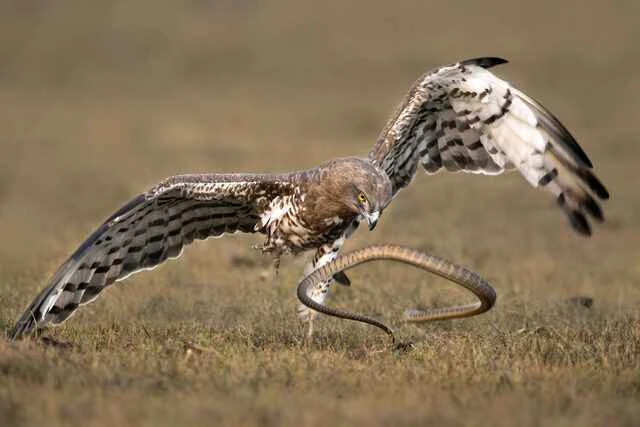
Eagles are renowned for their majestic physique and fierce temperament, and are typical birds of prey in zoology. They have curved, sharp, and powerful beaks, and their feet are equipped with sharp talons, giving them exceptional hunting abilities. Eagles have a wide range of prey, including small mammals, reptiles, other birds, and fish, and are primarily active during the day.
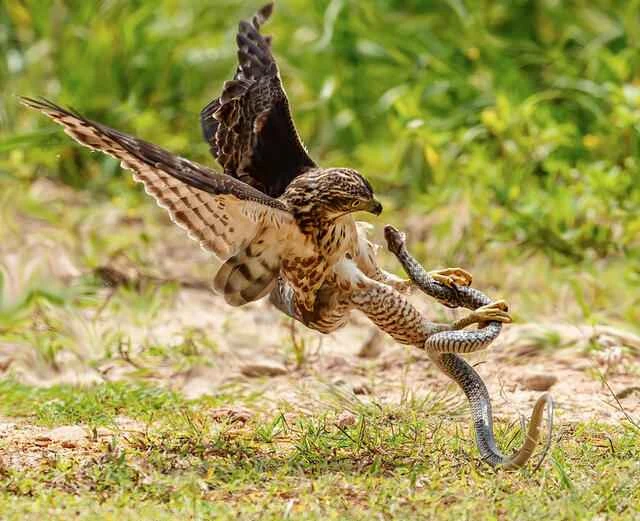
Almost all eagles prey on snakes. Eagles demonstrate a high level of expertise in snake hunting. Although eagles are slightly smaller than hawks, which primarily feed on small mammals, eagles are far more adept at hunting snakes, making them true snake hunters.
The fifth natural enemy of snakes: the king cobra
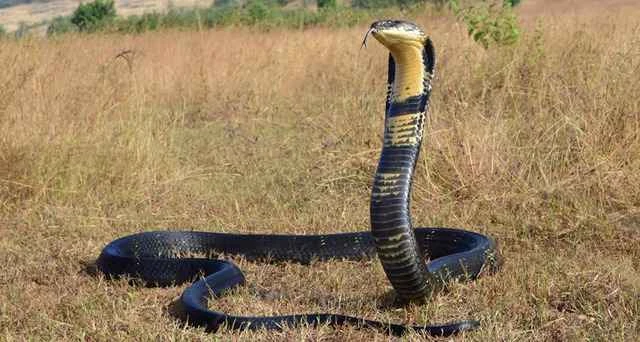
The king cobra, also known as the mountain cobra, is a species of snake that, despite having "cobra" in its name, does not belong to the genus *King Cobra*, but rather to its own genus, *King Cobra*. Compared to other cobras, the king cobra is more aggressive, reacts extremely quickly, has a highly flexible head and neck, and produces a large amount of venom, making it considered one of the most dangerous snakes in the world.
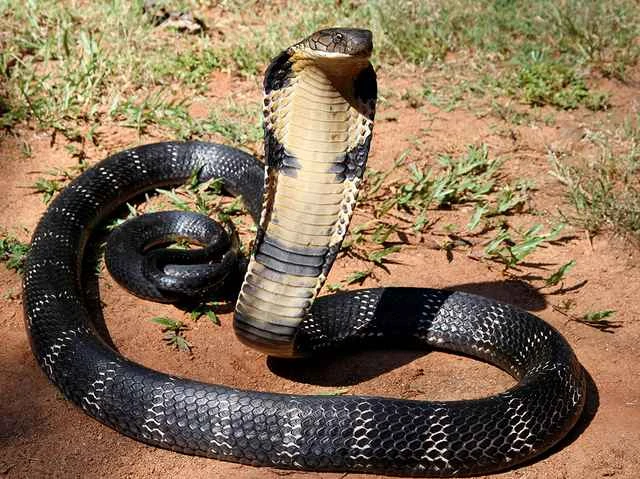
This snake is relatively common in southwestern and southern China, typically inhabiting grasslands, open hillsides, and forests. As a "professional snake eater," the king cobra's main diet consists of other snakes, including many of its own species. This is why other snakes are rarely seen in its territory, further highlighting its dominant position.
Snakes' sixth natural enemy: Raccoon
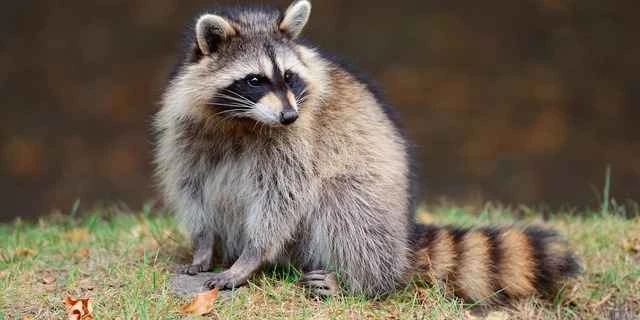
This animal is affectionately known as "instant noodles" because of the famous "raccoon" instant noodles. Raccoons are native to North America and are currently listed as a species of least concern. Their most distinctive feature is a ring of dark fur around their eyes. They are relatively small, with a body length of approximately 40 to 70 centimeters. Because raccoons often hunt fish near rivers, their behavior leads people to mistakenly believe they are "washing" their food, hence the name "raccoon."
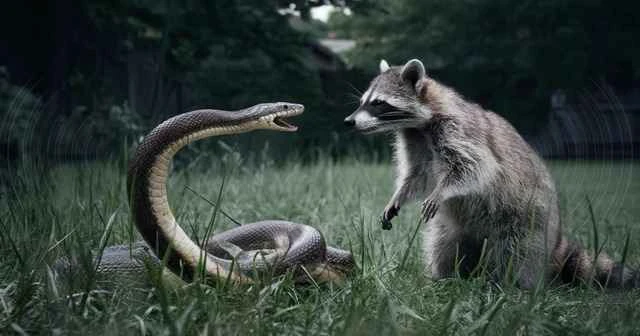
Although raccoons are omnivores, they occasionally eat meat. For them, catching a snake for a meal is not difficult, which shows how wide their diet is.
Snakes' seventh natural enemy: the mongoose
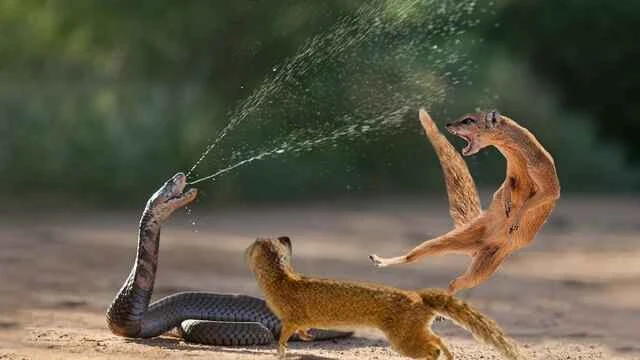
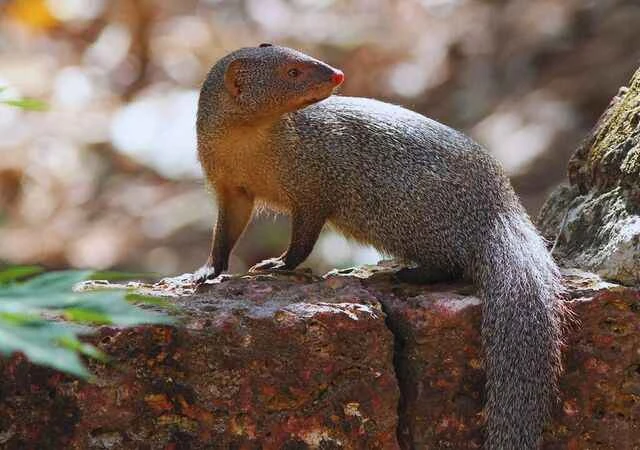
Meerkats, also known as mongooses, are small mammals that measure 42 to 60 centimeters in length. They are highly social animals, often living in groups of up to forty members. They are skilled at digging burrows, resting at night and active during the day.
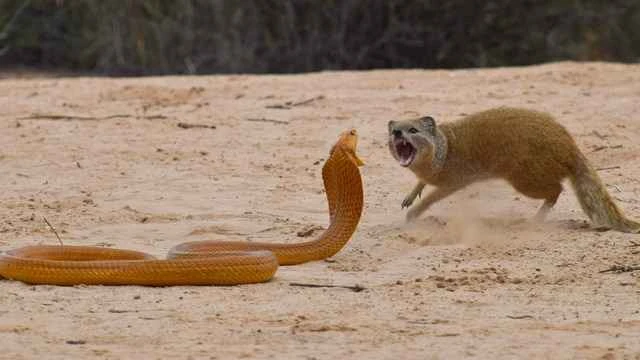
Meerkats primarily feed on insects, but their diet is quite diverse, including lizards, snakes, spiders, plants, bird eggs, and small mammals. Like other mongooses, meerkats are immune to many toxins. This characteristic allows them to safely consume scorpions (including their stings) and certain venomous snakes without suffering poisoning, discomfort, or death. This unique adaptation makes meerkats truly distinctive in the wild.
Snakes' eighth natural enemy: the serpent eagle
The serpent eagle is a medium to large bird of prey, measuring 61 to 73 centimeters in length, but belonging to the Accipitridae family. It typically inhabits deep forests and prefers to roam in woodlands and forest edges. They often soar high in the sky, emitting a whistling call. The serpent eagle's diet includes reptiles such as snakes, frogs, and lizards, as well as rodents, birds, crabs, and other crustaceans.
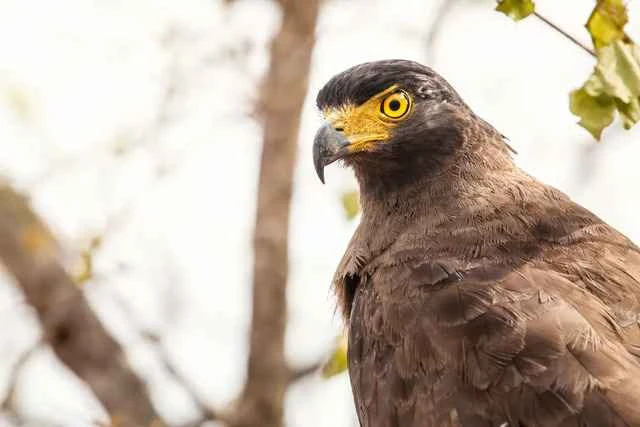
The serpent eagle has a unique way of catching and eating snakes. It usually stands high up or hovers in the air, carefully observing the movements on the ground. Once it spots a target, it swiftly and silently swoops down from its height, firmly grasping the snake's body with its sharp claws while simultaneously biting the snake's head with its hooked beak. When catching a snake, the serpent eagle spreads its wings to support itself on the ground and maintain its balance.
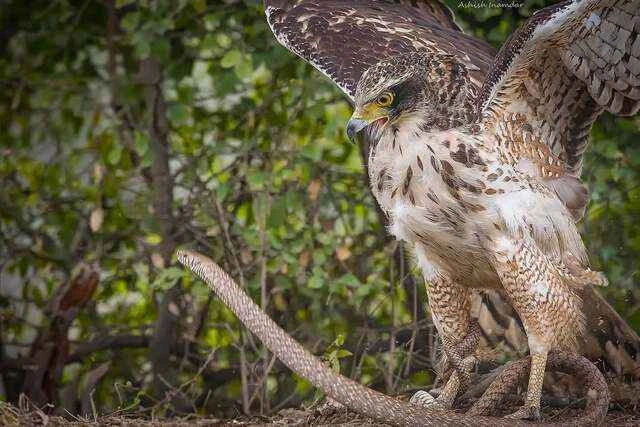
When facing larger snakes, the hunt can be much more intense. The captured snake will typically writhe and twist frantically, attempting to coil around the serpent eagle's wings or body in a counterattack. The serpent eagle, however, remains calm and composed, holding tightly to the snake's head and body while flapping its wings to deflect the snake's attacks. Only when the snake is exhausted and unable to resist will the serpent eagle begin to devour its prey, demonstrating exceptional hunting skills and adaptability.
Nine natural enemies of snakes: Monitor lizards
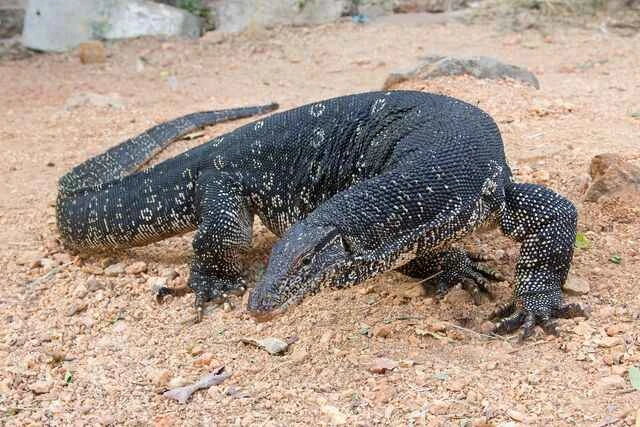
Monitor lizards typically range in length from 60 to 90 centimeters, with the largest individuals reaching 2 to 3 meters in length, and generally weighing 20 to 30 kilograms. Their tails are usually 70 to 100 centimeters long, with the longest reaching 150 centimeters, accounting for about three-fifths of their total body length. As one of the largest lizard species in China, the monitor lizard is also one of the largest lizards in the world.
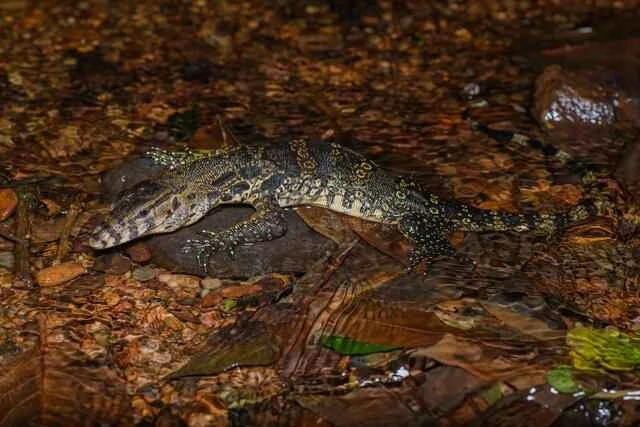
Monitor lizards are aggressive and quite ferocious. When threatened, they use their powerful tails as weapons to fiercely lash out at their opponents, demonstrating formidable defensive capabilities. Snakes are almost always present in their diet, highlighting their status as apex predators.
Ten natural enemies of snakes: Hedgehogs
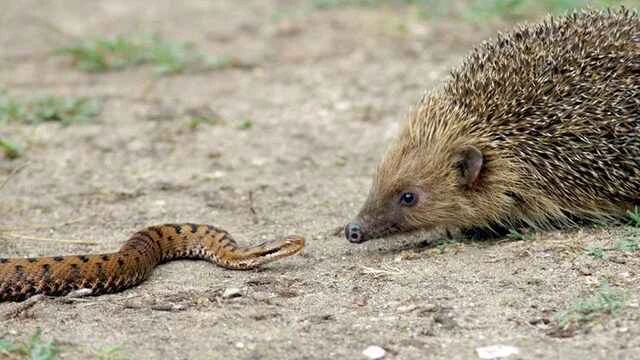
It might be surprising to some, but these adorable hedgehogs are natural predators of snakes. However, don't underestimate their abilities; they are expert snake hunters. Adult hedgehogs can weigh up to 2.5 kilograms, have a stout, short body, sharp claws, and their backs and sides are covered in spines, while their heads, tails, and bellies are covered in soft fur. When threatened, a hedgehog will curl its head towards its belly, forming a spiky "ball" that envelops its head and limbs for protection.
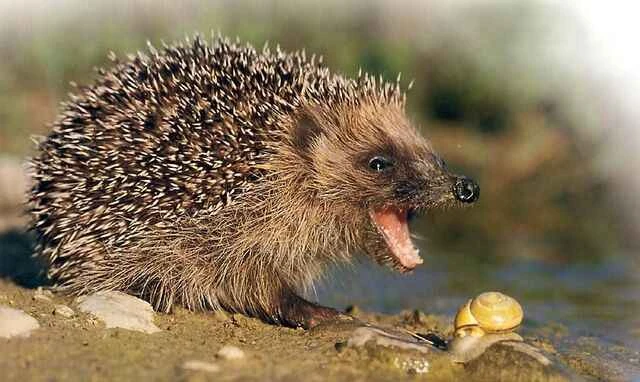
Hedgehogs living in the wild are not only self-sufficient, but they also help clean up pests, rodents, and snakes in parks, gardens, and yards without any "payment." Young snakes, in particular, are a hedgehog's favorite. It's no wonder these animals, possessing both an adorable appearance and practical skills, are so beloved.
Other snake-eating animals
Secretary bird
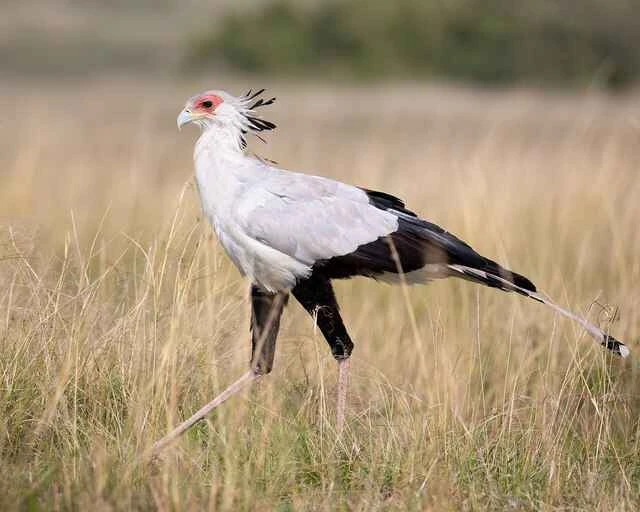
The secretary bird is a large terrestrial bird of prey belonging to the genus *Secretaria* in the order Falconiformes. It is the only species in the genus and has no subspecies. Resembling a crane in appearance, it measures between 1.25 and 1.5 meters in length, about 1.2 to 1.5 meters in height, and weighs between 2.3 and 4.27 kilograms, truly standing out among birds of prey.
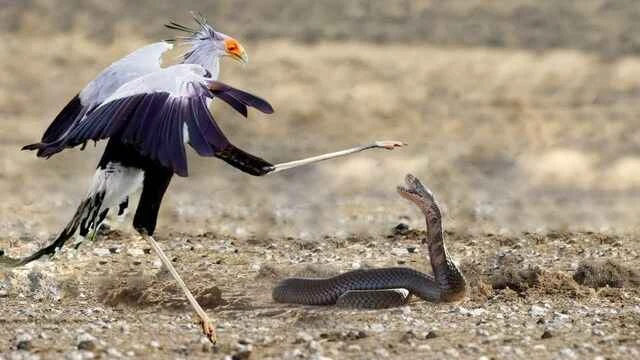
The secretary bird's plumage is primarily light grey, with black thighs and flight feathers adorned with white streaks. Its tail is particularly distinctive, featuring a pair of long, central plumes. Its long legs are covered in thick scales, protecting it from snake bites. The secretary bird is a natural predator of many African venomous snakes, including the ferocious black mamba, renowned for its exceptional snake-hunting abilities, and plays a vital ecological role on the African savanna.
hornbill
Hornbills are precious and unique large birds belonging to the family Hornbillsidae in the order Coraciiformes, a collective term for all species in this family. Hornbills are best known for the bony casque at the base of the bill in some species. Their bills are exceptionally large, accounting for one-third to one-half of their body length, and combined with their broad, flat toes, they are perfectly adapted for climbing trees. Furthermore, hornbills possess large, bright eyes with long, thick eyelashes, making them particularly distinctive.
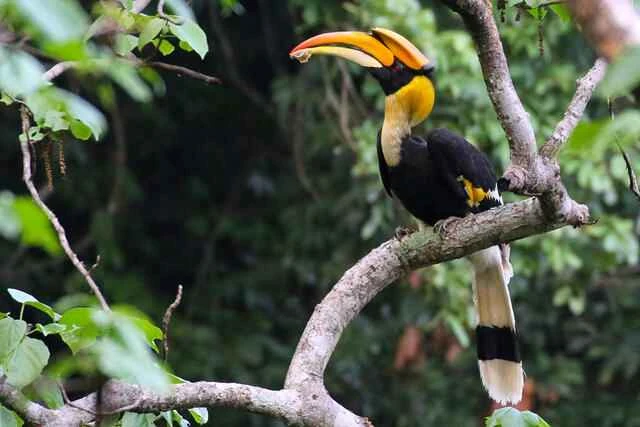
The most striking feature is the bronze helmet-like protrusion on the hornbill's head, known as the casque, which resembles the horn of a rhinoceros, hence the name "hornbill." They are mainly distributed in Africa and southern Asia, mostly inhabiting tropical rainforests, using holes dug in trees by woodpeckers as nests, making them an iconic presence in the jungle.
stork
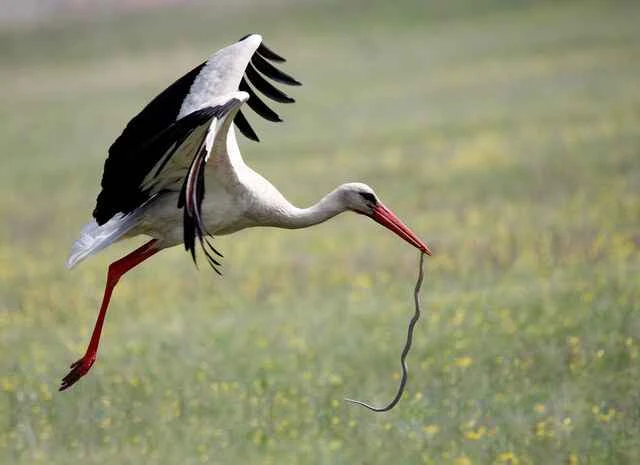
Storks are a collective term for a group of large waterbirds, comprising 19 species, widely distributed in warm regions around the world. They are commonly seen in these areas. Storks are typical migratory birds, possessing exceptional flying abilities and adept at long-distance migration.
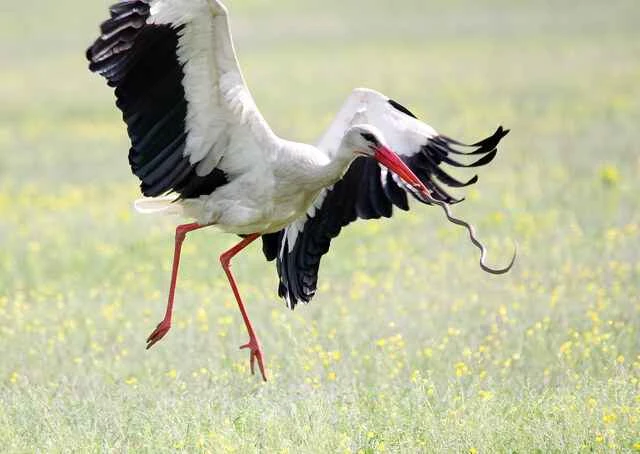
These birds have long, slender legs and webbed feet, adapted for walking and foraging in water. Their long, strong, and pointed beaks are important tools for hunting. Storks typically have white and black plumage, but some species have almost no feathers on their heads or necks, giving them a unique appearance.