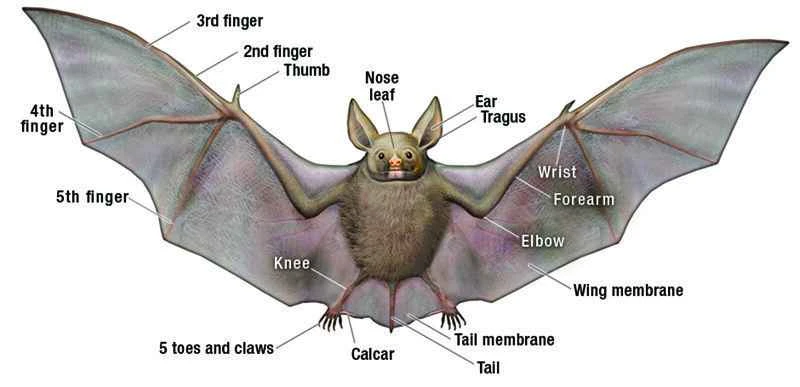
Bats are a general term for animals in the order Chiroptera. In traditional Chinese medicine, they are known by various names such as Fuyi , Tianshu , Fuyi , Feishu , Huanhuan , Xianshu , and Yeyan . Currently, there are 1399 species of bats belonging to 21 families and 234 genera , making them the only group of mammals capable of active flight. Bats are widely distributed throughout the world, except in polar regions and some isolated islands in the ocean.
Bats are not only natural enemies of many pests , but also considered natural hosts of zoonotic pathogens. Scientific research shows that bats carry an extremely large number of zoonotic viruses, including Ebola virus, Marburg virus, Nipah virus, and Middle East Respiratory Syndrome (MERS), all of which are related to bats.
Below is a list of the world's ten most dangerous bat species , including flying foxes, horseshoe bats, grave bats, vampire bats, and hoofed bats. Let's take a look at these mysterious and dangerous species.
1. Fox bat

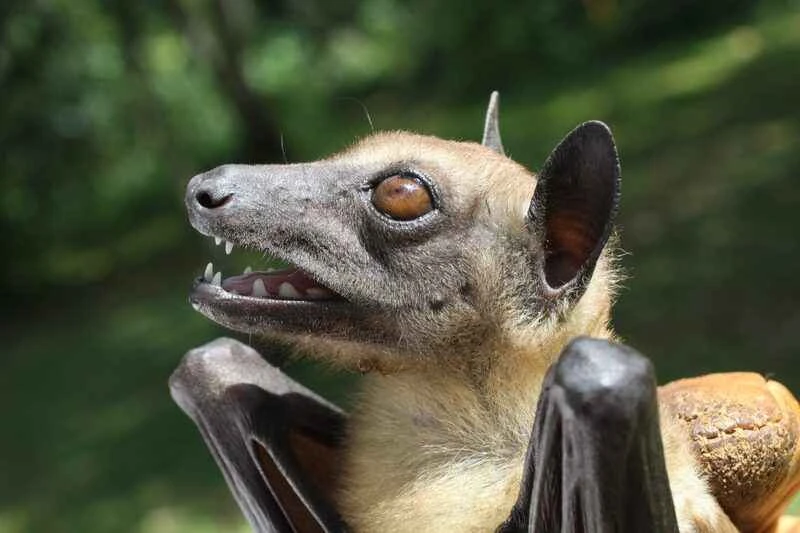
Fruit bats, also known as big-headed flying foxes or common flying foxes, are named for their fox-like heads and long, slender snouts. They are among the largest bats in the world, with wingspans exceeding 90 centimeters. During the day, they roam in groups, hanging upside down from tree branches to rest, and at night they emerge en masse to forage for wild fruits and flowers, causing significant damage to orchards.
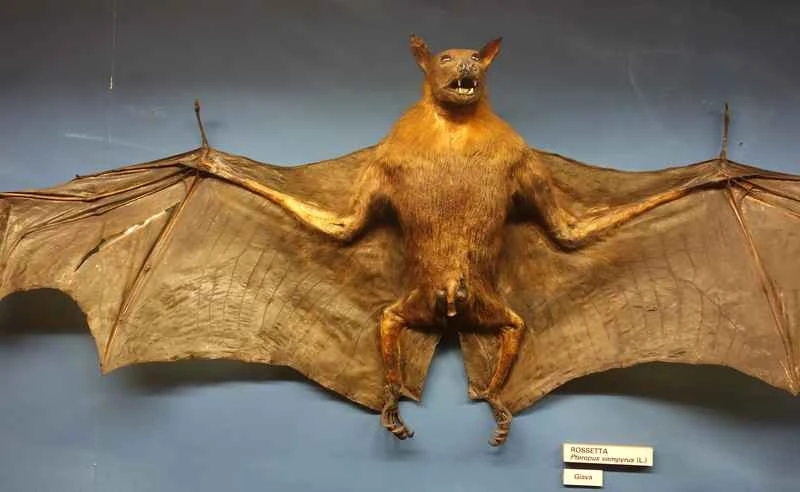
Studies show that flying foxes are carriers of many viruses, including Nipah virus, Hendra virus, and Ebola virus. It can be said that flying foxes are closely related to the spread of these highly pathogenic viruses, so it is no exaggeration to call them "the most dangerous bats."
2. Horseshoe bat
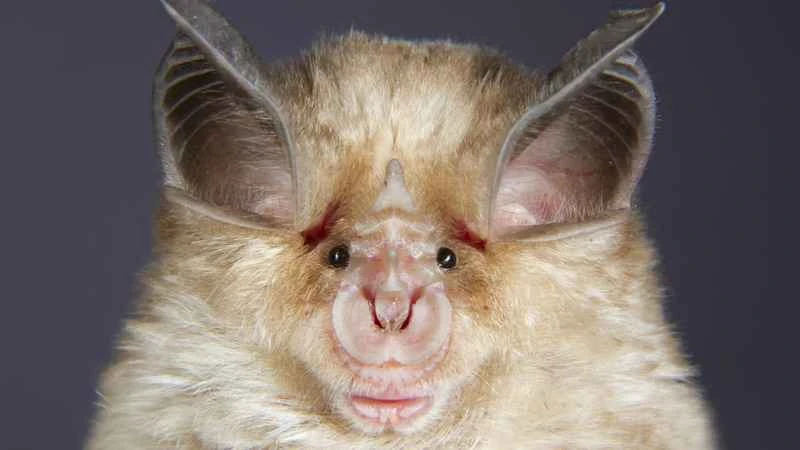
Horseshoe bats are significantly distinguished from other bat species by their unique and complex leaf-like protrusions on their faces. They primarily feed on insects and their larvae, and typically live in groups in caves, often sharing habitats with other horseshoe bats and hooves. During winter, horseshoe bats hibernate deep in caves.
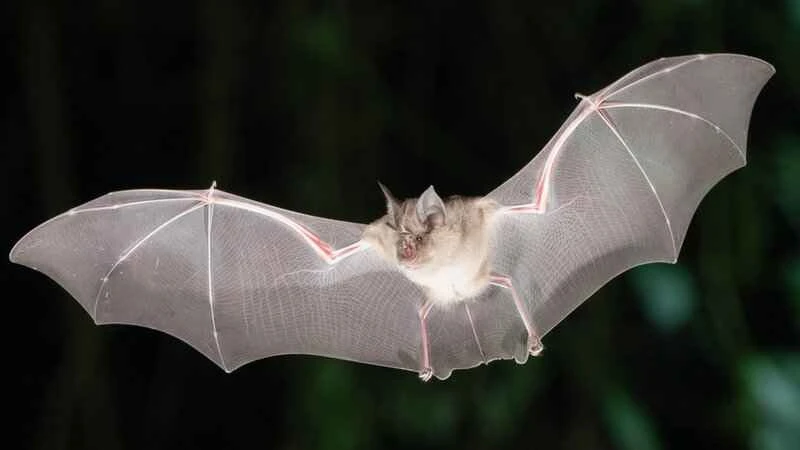
Horseshoe bats are considered one of the most dangerous bats in the world because they are important hosts for various zoonotic viruses, including rabies virus, Nipah virus, and Hantavirus. Researchers have successfully isolated a SARS-like coronavirus highly homologous to the SARS virus from Chinese horseshoe bats, further demonstrating its important role in the virus transmission chain.
3. Tomb Bat
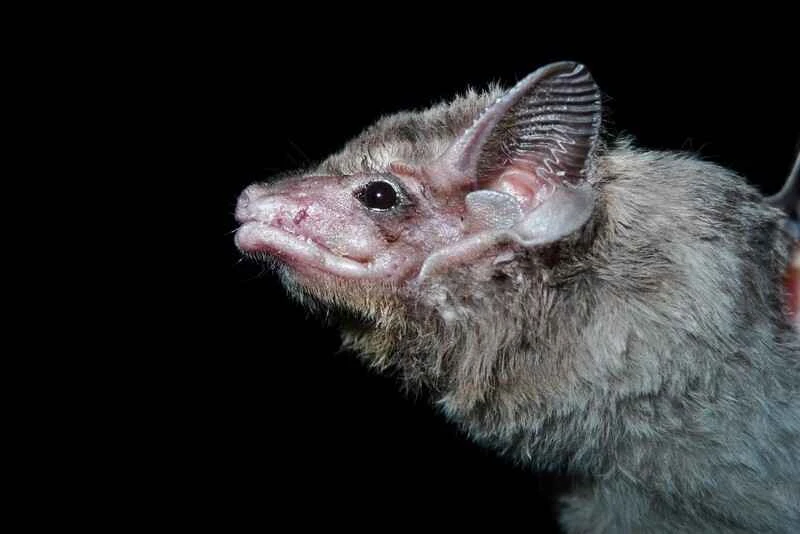
The grave bat belongs to the family Coleoptera in the order Chiroptera of the class Mammalia. It is a highly threatening bat, and its name alone is enough to send chills down one's spine.
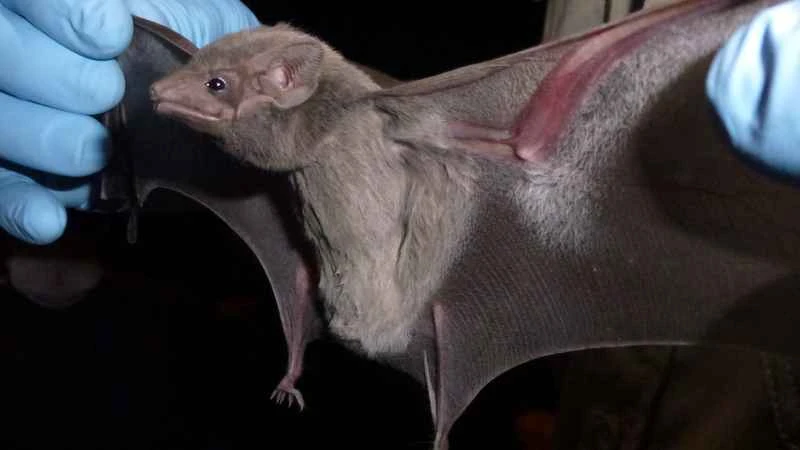
In 2012, Saudi Arabia first discovered an unidentified coronavirus, which quickly spread to other Middle Eastern countries. The World Health Organization subsequently named it Middle East Respiratory Syndrome (MERS). Researchers later detected the MERS virus in Egyptian tomb bats, leading to the speculation that these bats may be the original host of the virus.
4. Vampire Bats
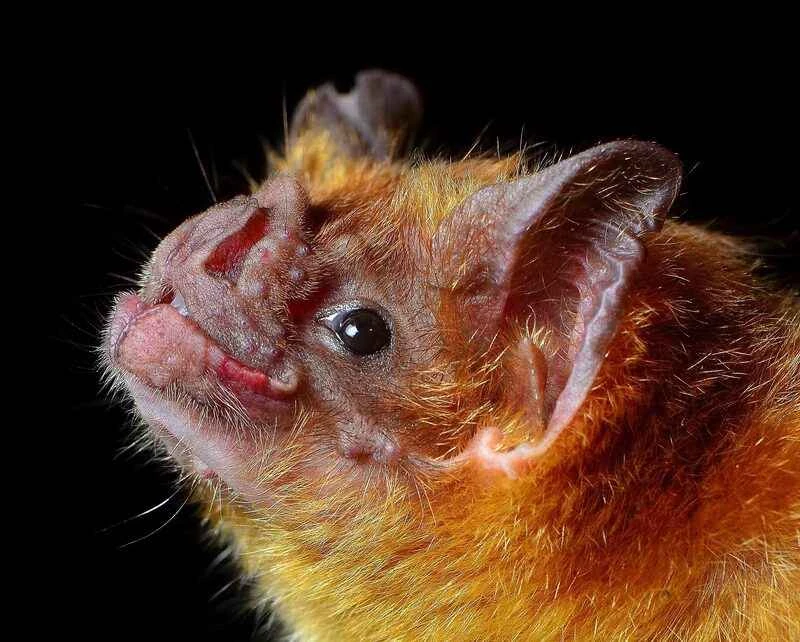
Vampire bats are true "bloodthirsty" creatures, feeding solely on blood. Each vampire bat can consume more than 50% of its own body weight in blood each night. For example, a vampire bat weighing 34 grams can consume approximately 18 grams of blood each night.
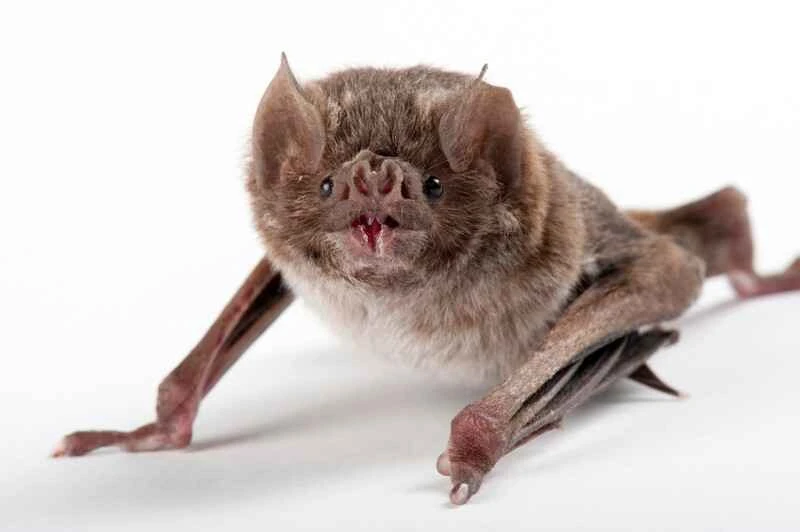
Vampire bats are able to suck blood successfully because their saliva contains anticoagulant components, which slow down the blood clotting process, making it easier for them to feed. However, these bats are not only blood-sucking, but they also carry the deadly rabies virus. The chances of a human being bitten by a vampire bat are far higher than the risk of rabies from a cat or dog bite.
5. Hoofed Bat
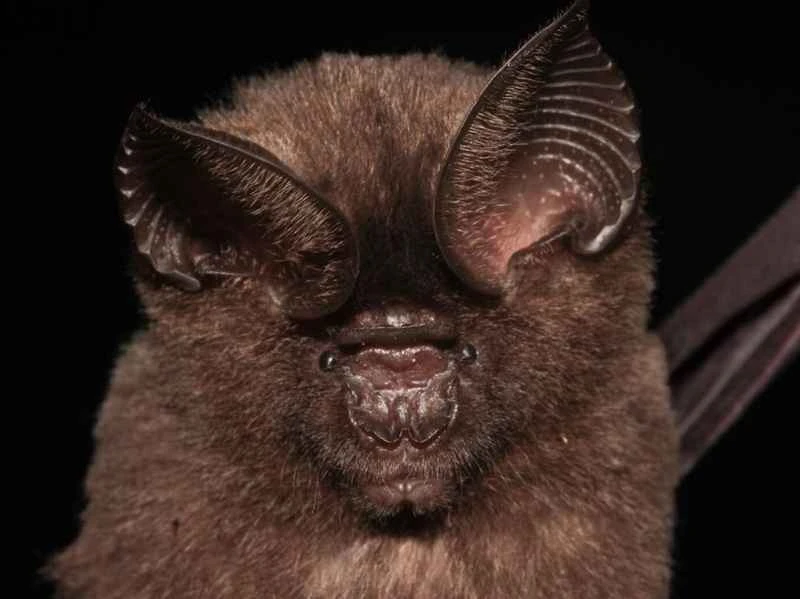
Like horseshoe bats, hooves have horseshoe-shaped nasal lobes, but their structure is relatively simple, lacking the complex and delicate protrusions of horseshoe bats. Hoofs feed on various insects and often gather in large groups in caves. Some hooves have adapted to human settlements and are numerous; due to their large intake of pests, they are considered an important part of the ecosystem.
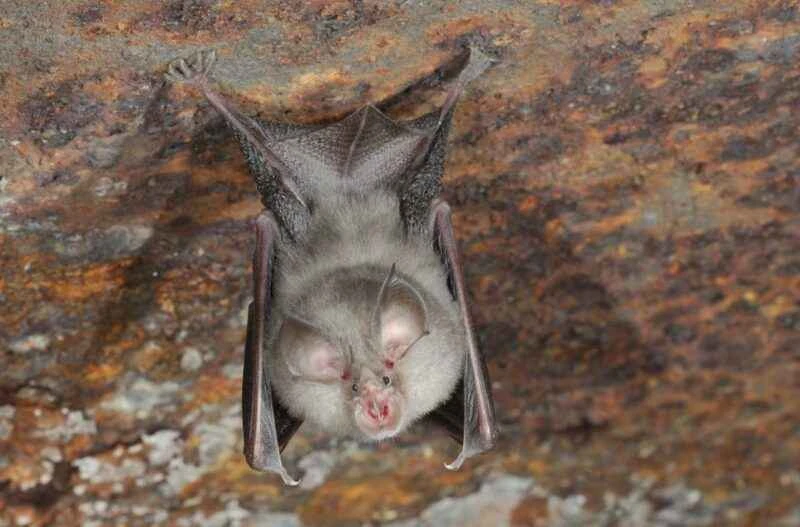
However, like most bats, hoe-footed bats also carry a variety of viruses. Researchers have discovered coronaviruses highly similar to the novel coronavirus within them, highlighting their potential danger.
6. Dog-nosed bat
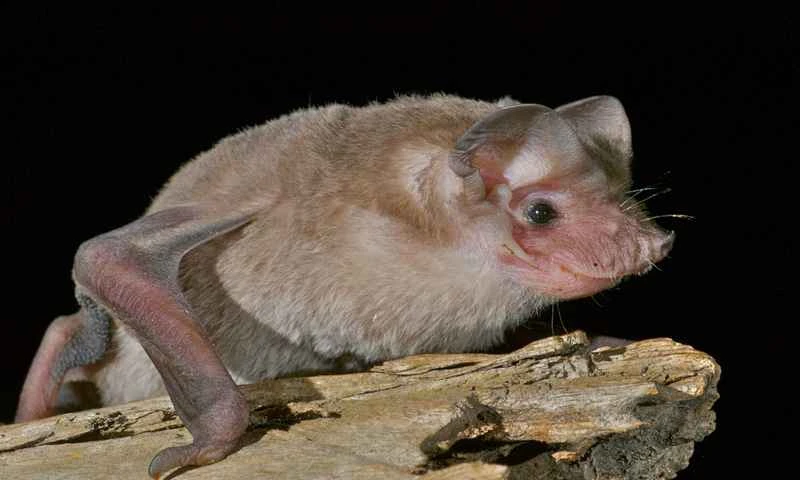
The dog-lipped bat, also known as the wrinkled-lipped bat, is a species of bat widely distributed in tropical and subtropical regions. Most dog-lipped bats are highly gregarious, often forming large flocks and inhabiting caves, tree hollows, and even buildings. They primarily feed on insects such as moths and beetles, making them one of the most important insect predators in nature.
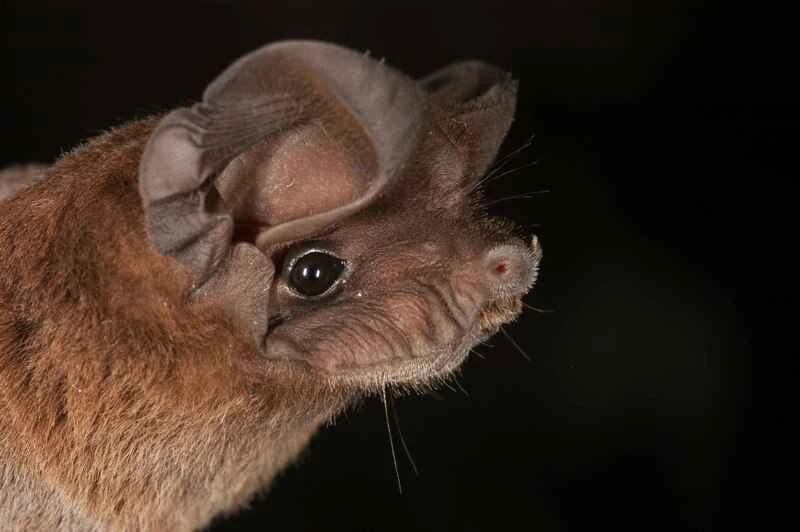
However, the Angolan dog-nosed bat is also considered a highly threatening bat species. According to research from the Robert Koch Institute in Germany, a bat species called the Angolan dog-nosed bat may be the primary host responsible for the Ebola outbreak in Africa. This research has been published in the prestigious journal *European Organization for Molecular Biology in Molecular Medicine*.
7. Brown Mountain Bat
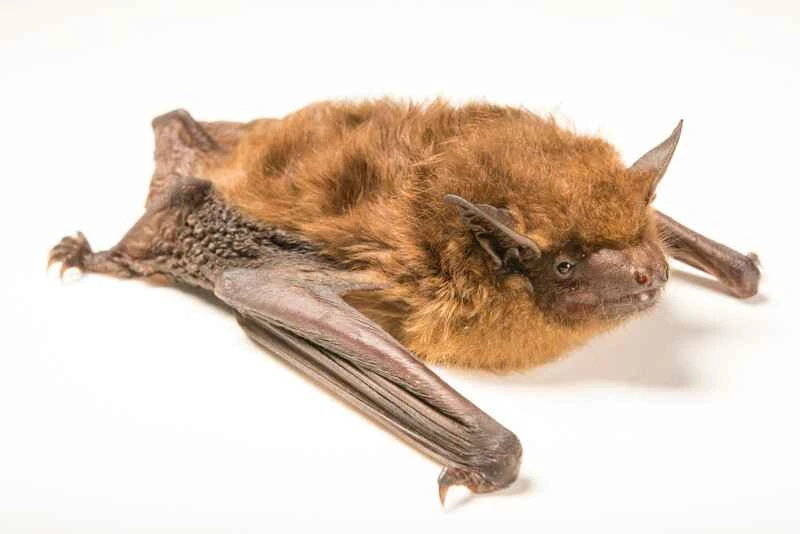
The brown mountain bat, also known as the night bat or mountain bat, is a medium-sized bat belonging to the genus *Batus* in the family Hepialidae. They typically roost in groups during the day in tree cavities or crevices of abandoned buildings, and at night they fly into the forest to hunt flying insects. They sometimes also frequent the vicinity of villages, and their diet consists mainly of fruits, vegetables, and mosquitoes.
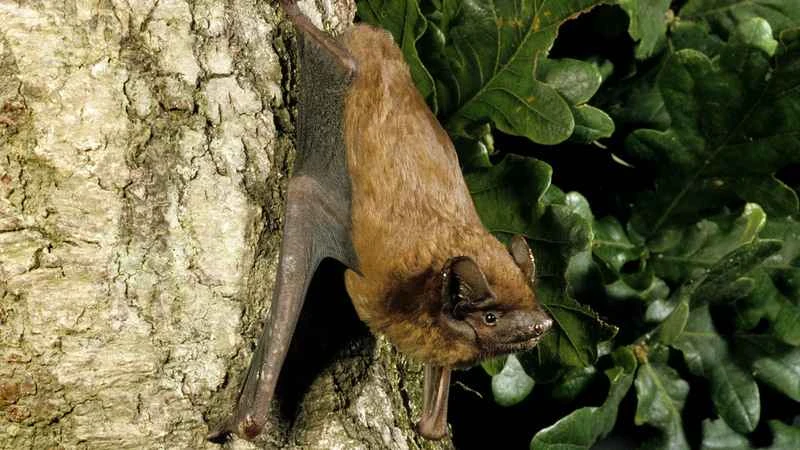
However, brown mountain bats carry the rabies virus and are a potentially dangerous species. Therefore, it is recommended that people avoid contact with these bats to reduce the risk of infection. However, as long as contact is avoided, they generally do not pose a threat to humans.
8. Leaf-nosed bat
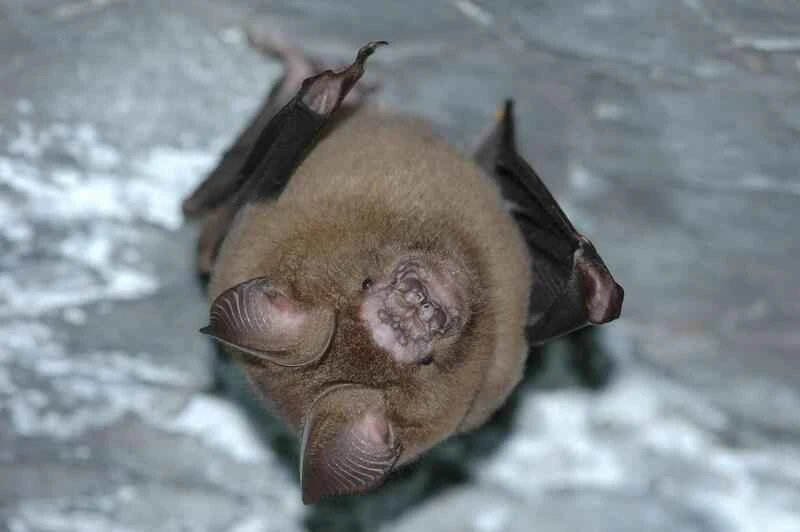
Leaf-nosed bats are a species of bat in the family Phyllostomidae, named for their leaf-shaped snouts. They are typically blackish-brown or yellowish-brown in color, with a lighter-colored belly. Leaf-nosed bats mainly inhabit caves, man-made structures, or bridges at low to medium altitudes, feeding primarily on insects such as mosquitoes and moths.
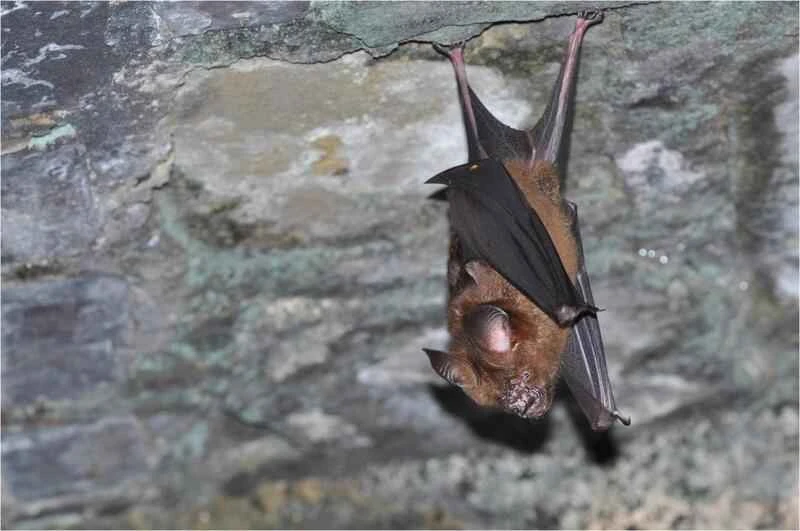
Like most bats, leaf-nosed bats carry a variety of viruses. Researchers have isolated a virus called "Shimoni bat virus" from the leaf-nosed bat *Colombia micrantha* in Kenya. This virus belongs to the Lysavior virus family, which is one type of rabies virus. Therefore, although leaf-nosed bats play an important role in insect control within the ecosystem, humans should maintain a proper distance and avoid direct contact with them.
9. Brown Bat
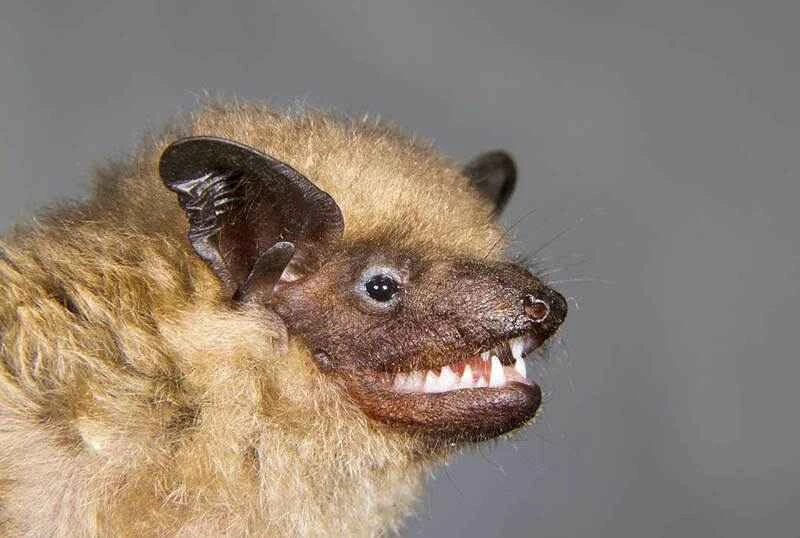
Brown bats are a collective term for animals in the genera *Pteropoda* and *Pteropoda* of the family Hepialidae. They are widely distributed globally and are among the most widely distributed terrestrial mammals besides humans. Brown bats are known for their astonishingly "sleepy" nature, sleeping up to 20 hours a day and being active only for about 4 hours at night.
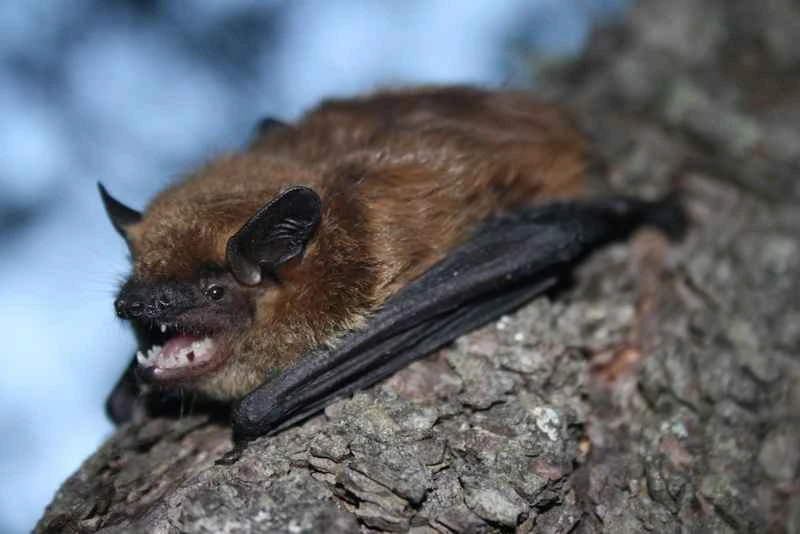
Like most bats, brown bats carry a large number of viruses. In 2011, researchers detected a virus named "Zulu Brown Bat Coronavirus" in fecal samples from Zulu brown bats in South Africa. Studies showed that this virus is one of the most closely related types of known coronaviruses to Middle East Respiratory Syndrome Coronavirus (MERS-CoV).
10. Long-winged bat
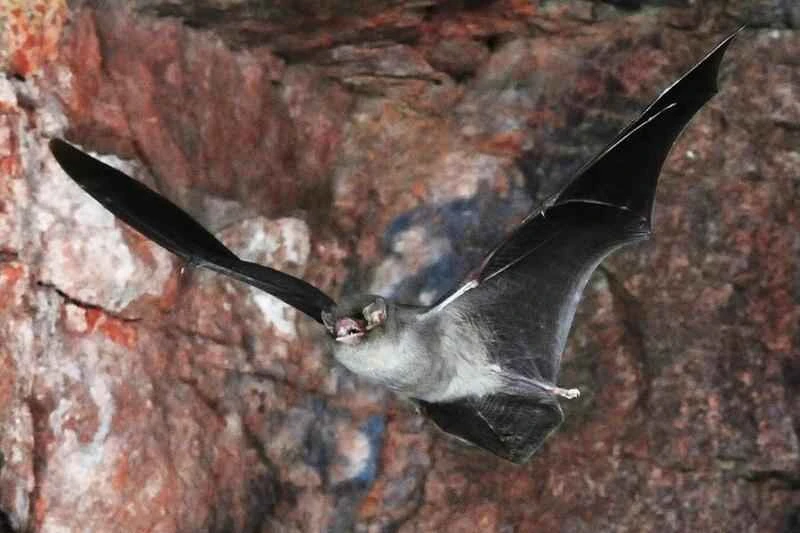
Longwing bats are a group of small bats belonging to the genus *Longwingbat* in the family Hepialidae. They typically inhabit caves and buildings. They are small in size, with short, wide ears covered in short, dense hair, and a long, thin tragus that is only half the length of the ear. Longwing bats have a wide distribution, numerous species, and most carry viruses.
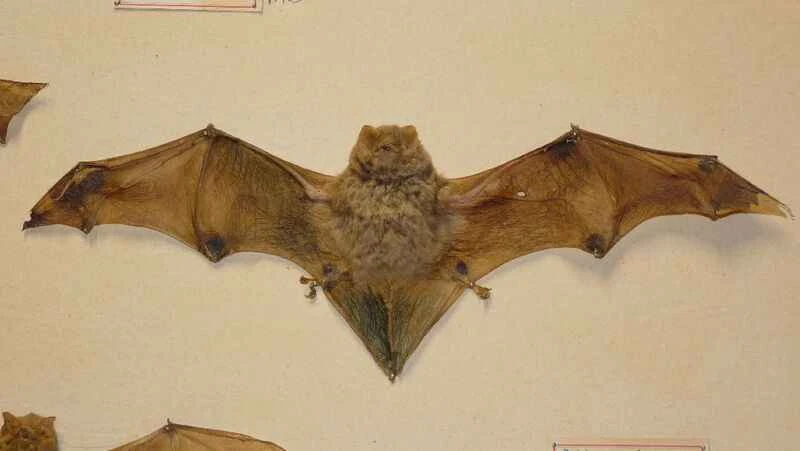
In 2005, researchers first discovered a virus called "longwing-winged bat coronavirus HKU8" in the southern longwinged bat. This virus belongs to the genus A coronavirus. Subsequently, scientists also detected this virus in the Guinean longwinged bat and the East Asian broken-winged bat.
The list of the world's ten most dangerous bats is mainly based on the viruses that each bat may carry, combined with a comprehensive summary of relevant online rankings. Due to the uncertainty of data sources (as of January 16, 2025), it is for reference only. If you have more scientific data, please feel free to provide feedback at the end of the article.