The world's most dangerous birds are typically those with great strength, aggression, or deadly venom, posing a threat to humans and other animals. While birds may not pose as direct a threat to humans as some predators, the defensive capabilities and aggression of certain species are indeed frightening. Here are ten of the most dangerous birds:
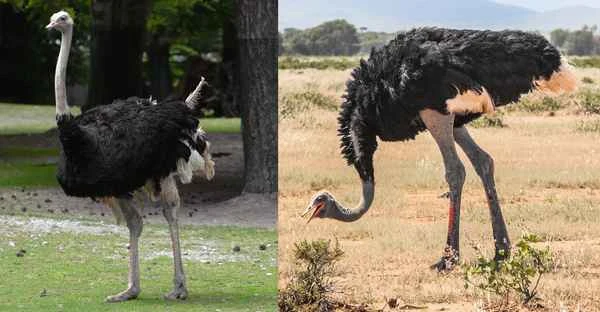
1. Ostrich
Habitat: Mainly distributed in grasslands and deserts of Africa.
Danger level: Very high.
Characteristics: Ostriches are the heaviest birds in the world, weighing up to 150 kilograms and standing over 2.5 meters tall. They have very strong legs, enabling them to run at speeds of up to 70 kilometers per hour.
Danger: Ostriches have incredibly powerful kicks; their strong legs can deliver deadly blows, even capable of knocking down lions. They can also exhibit strong aggression towards humans if provoked, and have been known to cause fatal injuries on numerous occasions due to their kicks. Their feet have sharp claws that can easily inflict deep or even fatal wounds.
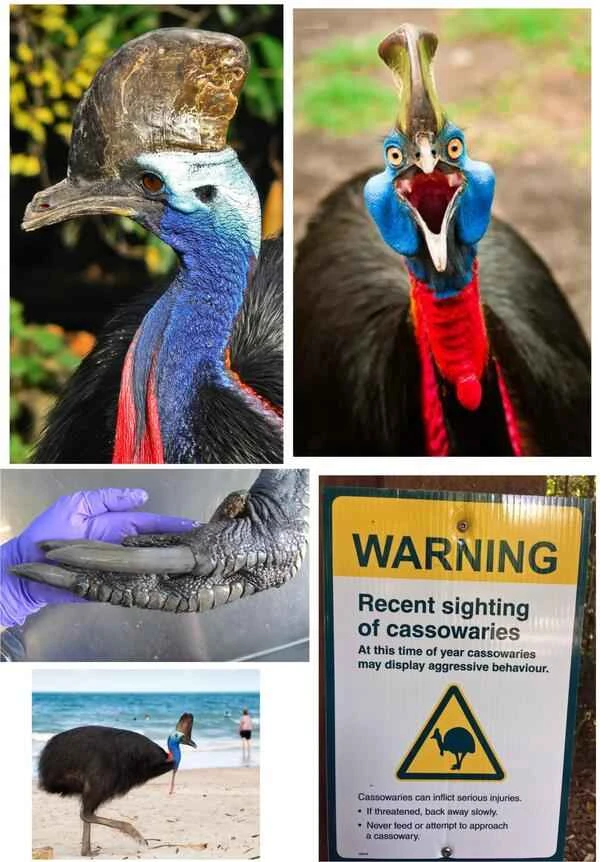
2. Emu (Cassowary)
Habitat: Native to tropical forests of New Guinea and northern Australia.
Danger level: Extremely high.
Characteristics: The emu, also known as the cassowary, is one of the most dangerous birds in the world. It is a large bird, reaching up to 1.8 meters in height and weighing approximately 70 kilograms. They have a hard, horny "cap" on their heads.
Danger: Emus are known for their strong aggression, especially when their territory is threatened. They possess sharp claws and powerful leg muscles, capable of delivering a fatal kick. Emus are known to have caused death to humans through attacks.
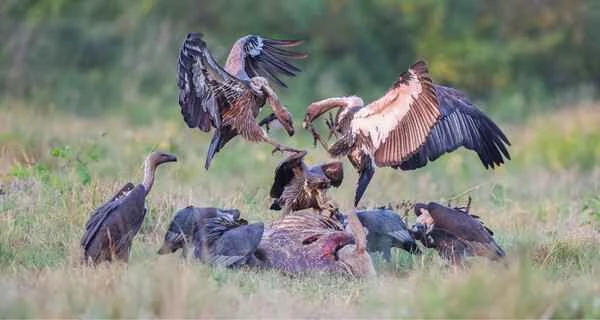
3. Vulture (American Condor)
Habitat: Widely distributed in the Americas
Risk level: Low.
Characteristics: The American bald eagle is a large scavenging bird found in the Americas. They feed on carrion, often perch at high altitudes, and are very resilient.
Dangers: While American bald eagles themselves do not attack humans, they carry various pathogens that could potentially spread diseases such as avian influenza. Furthermore, bald eagles may become infected with certain pathogens while hunting and handling carrion, posing a potential threat to humans.
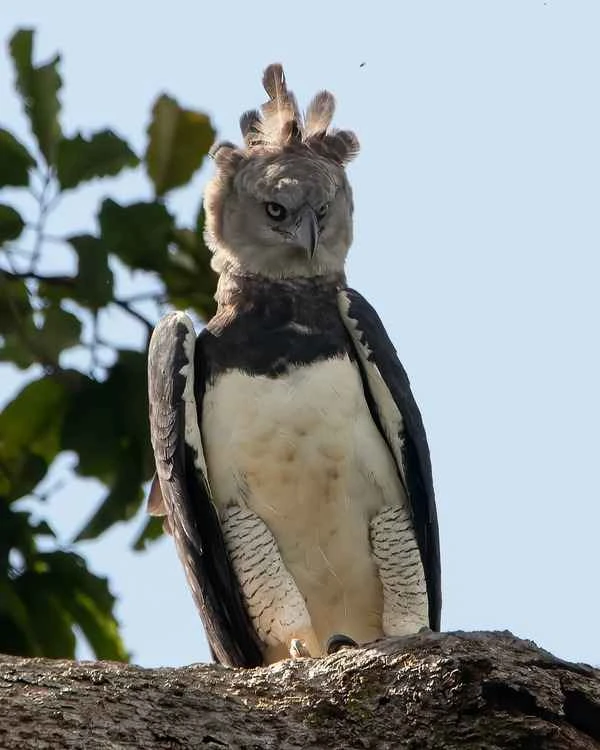
4. Harpy Eagle
Habitat: Native to tropical rainforests in Central and South America.
Danger level: High.
Danger : The harpy eagle is a powerful bird of prey with claws as large as those of a grizzly bear. They prey on large mammals such as monkeys and sloths. Although they rarely attack humans, their immense strength and speed make them a fearsome predator.
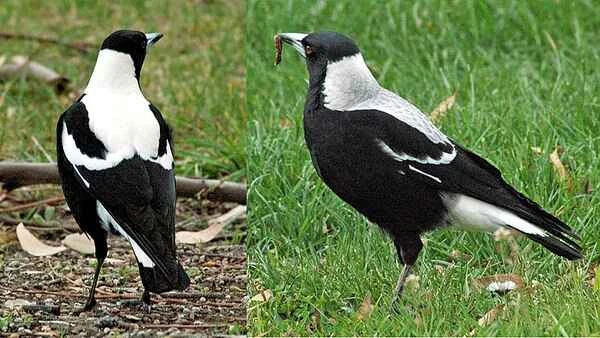
5. Australian Magpie
Habitat: Mainly distributed throughout Australia.
Risk level: Medium to high.
Danger : Australian magpies are highly aggressive during the breeding season, especially known for their "swoop" attacks. They will suddenly swoop down on humans or animals, causing facial injuries. This attack is particularly dangerous for cyclists and pedestrians.
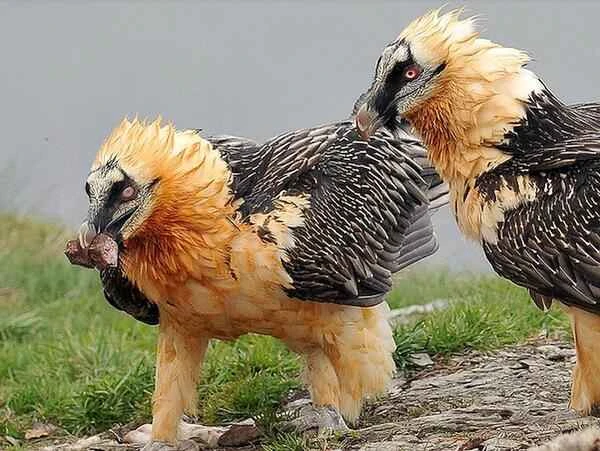
6. Bearded vulture (Lammergeier)
Habitat: Primarily inhabits mountainous regions of Europe, Asia, and Africa.
Danger level: High.
Danger : Bearded vultures, also known as shrike vultures, are notorious for their bone-eating habits. They drop bones from high altitudes, breaking them before swallowing them. Although they do not usually attack humans unprovoked, their behavior can pose a threat to people living near their habitats.
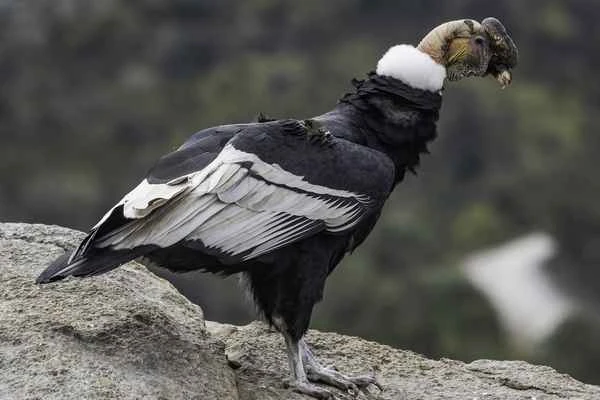
7. Andean Condor
Habitat: Found in the Andes Mountains of South America.
Hazard level: Moderate.
Why it's dangerous: The Andean condor is one of the largest birds of flight in the world, with a wingspan of up to 10 feet (3 meters). Although they don't usually attack humans unless provoked, their enormous size and sharp beak make them potentially dangerous when threatened.
8. Griffon Vulture
Habitat: In tropical and subtropical regions
Hazard level: Low to moderate.
Characteristics: Vultures are large birds of prey, mainly distributed in Asia and Europe. They are enormous, with a wingspan of up to 2.8 meters.
Danger: Vultures themselves do not directly attack humans, but they are scavengers, often roosting near carcasses and carrying pathogens, potentially spreading diseases. Due to their powerful flight capabilities, they pose a certain threat to other animals.

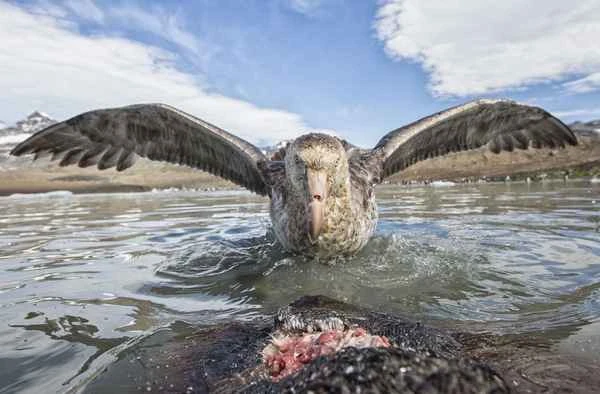
9. Southern Giant Petrel
Habitat: Lives in Antarctica and the surrounding waters.
Danger level: High.
Danger : These carrion birds are capable of attacking humans or other birds. If threatened, giant cormorants will tear their skin with their sharp beaks. They are large, powerful, and extremely aggressive birds.
10. Bald Eagle
Habitat: Mainly distributed in North America
Hazard level: Moderate.
Characteristics: The bald eagle is the national bird of the United States. It is a majestic bird with a wingspan of up to 2.5 meters. They possess exceptional flying abilities and hunting skills.
Danger: While bald eagles generally do not actively attack humans, they are highly skilled hunters, especially of fish and small mammals. Their sharp talons and powerful flight give them an advantage in competition with other animals, making them apex predators in their habitat.

These birds are diverse in their characteristics; some are threatening due to their large size and strength, while others are dangerous because of their toxicity or ability to spread disease. Although most birds do not pose a direct threat to humans, their aggressiveness and defense mechanisms, especially when threatened or when their territory is invaded, can often be surprisingly dangerous. Therefore, we must maintain respect and caution when encountering these birds.