Sharks are apex predators in the ocean, renowned for their incredible speed, power, and unique hunting techniques. While not all sharks pose a threat to humans, some species, due to their massive size, ferocious aggression, and high adaptability, are among the most fearsome creatures in the sea. Among these sharks, certain species are particularly "terrifying" due to their aggressiveness and terrifying appearance. This article will introduce you to the world's ten most fearsome sharks , providing an in-depth analysis of their characteristics, habits, and the threats they pose to humans.
1. Bull Shark (Carcharhinus leucas) - The Ubiquitous Killer
Bull sharks are among the most aggressive sharks in the world. Their fearsome nature lies in their ability to adapt to almost any aquatic environment, including both fresh and saltwater. This allows them to enter rivers, lakes, and other areas with high levels of human activity, posing a significant threat to humans.

Why it's scary:
Highly aggressive: Bull sharks are known for their aggressiveness, hunting not only in the deep sea but also frequently venturing into shallow waters, even rivers and lakes.
Highly adaptable: It can survive in both saltwater and freshwater, an adaptability that allows it to find habitats in waters around the world, increasing its chances of contact with humans.
Size: Bull sharks can typically grow up to 3.5 meters (11.5 feet) long and weigh over 230 kilograms (500 pounds). They are enormous and extremely threatening when they attack.
Bull sharks are considered one of the most fearsome sharks due to their high level of aggression and adaptability, especially in areas with frequent human activity.
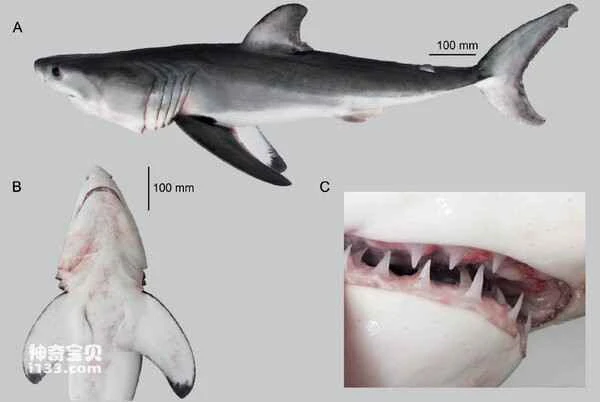
2. Great White Shark (Carcharodon carcharias) - A terrifying behemoth of the ocean.
The great white shark is arguably the most well-known species of shark, renowned for its enormous size and formidable hunting prowess. Its strength, sharp teeth, and rapid attack methods make it a top predator in the ocean.
Why it's scary:
A powerful predator: Great white sharks are apex predators in the ocean, preying on large marine creatures such as seals and dolphins.
High-speed attack: It can accelerate to 56 kilometers per hour (35 miles per hour) in just a few seconds to launch an attack quickly.
Fatal Injury: The great white shark has sharp, powerful teeth that can easily tear through the flesh of its prey, making it one of the deadliest sharks.
Great white sharks are considered one of the most fearsome sharks due to their enormous size, powerful attacks, and deadly attack methods, and are the main perpetrators of numerous shark attacks.
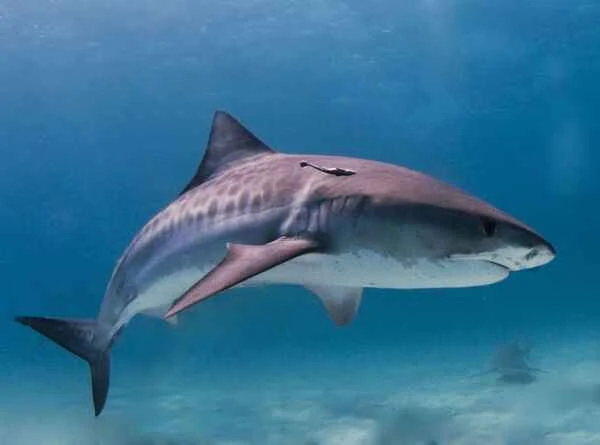
3. Tiger Shark (Galeocerdo cuvier) - "Trash Can" Killer
Tiger sharks are known as the "garbage cans" of the ocean because they will eat almost anything they can find. They are extremely aggressive and frequently attack humans, especially near beaches. They not only attack prey but also ingest unidentified objects such as plastic and waste, making them one of the most feared creatures in the sea.
Why it's scary:
"Garbage can" diet: Tiger sharks are omnivorous and will eat almost anything they can find, including other sharks, turtles, seabirds and even waste.
Highly aggressive: It is highly aggressive and reacts quickly, almost never missing a hunting opportunity.
Huge size: Tiger sharks can grow to over 5 meters (16 feet) long and weigh up to 900 kilograms (2,000 pounds). Their powerful strength and bite force make them one of the most fearsome predators in the ocean.
Tiger sharks' wide diet and astonishing aggression make them one of the most dangerous and fearsome sharks .
4. Whale Shark (Rhincodon typus) - Giant Filter Feeder
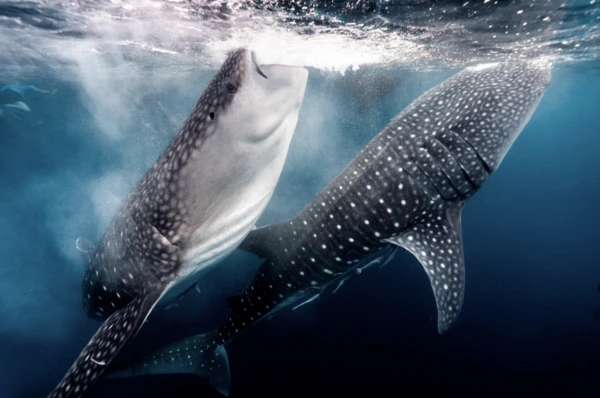
Whale sharks, also known as tofu sharks, bighead sharks, or whale sharks, are gentle filter-feeding sharks that pose almost no threat to humans, but their enormous size and stunning appearance are enough to instill fear in anyone.
Why it's scary:
Enormous Size: Whale sharks are the largest fish in the world, reaching up to 18 meters (59 feet) in length and weighing up to 20 tons. Although they do not attack humans, their enormous size and swallowing power make them exceptionally terrifying in the ocean.
A wide mouth: The whale shark's mouth can be up to 1.5 meters (4.9 feet) wide, capable of swallowing large quantities of plankton at once. Its enormous mouth, contrasting with its gentle diet, is truly awe-inspiring.
The whale shark's enormous size and powerful swallowing ability make it one of the most fearsome creatures in the ocean, even if it poses no threat.
5. Blue Shark (Prionace glauca) - Swift Hunter
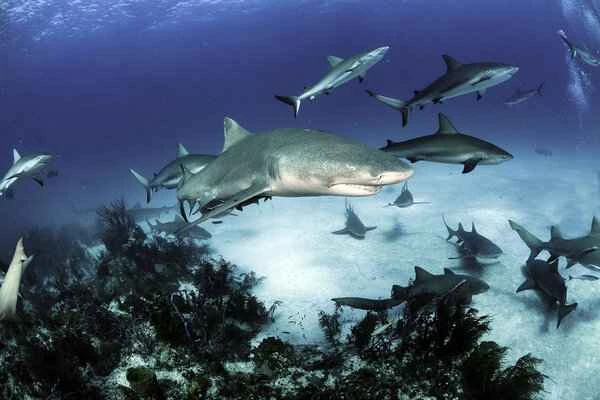
Blue sharks are known for their incredible speed and powerful hunting instincts. They are extremely fast in the water and highly efficient at capturing prey.
Why it's scary:
Extreme Speed: The blue shark is one of the fastest sharks in the ocean, capable of speeds of up to 60 kilometers per hour (37 miles per hour) in the water.
Fierce predators: They are highly aggressive, often attacking fast prey, and eat almost anything, including fish and small sharks.
Frequent contact with humans: Blue sharks are very active in the ocean and often appear in coastal areas, overlapping with areas of human activity.
The great blue shark's speed, aggressiveness, and deadly pursuit of its prey make it one of the most threatening sharks in the ocean.
6. Lamna nasus - A natural hunter and deadly predator
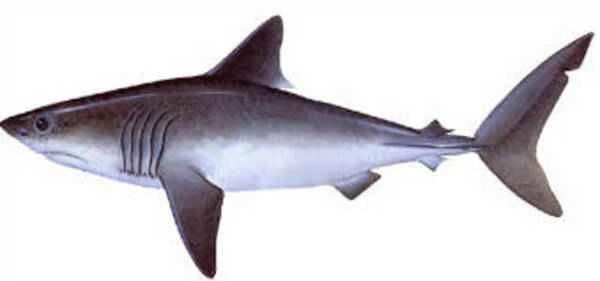
The porpoise shark ( Laminaria nasus ), also known as the Atlantic mackerel shark , is a ferocious deep-sea predator, considered one of the most feared species in the shark world due to its aggressiveness towards humans. Porpoise sharks typically inhabit temperate waters and are widely distributed in the North Atlantic and parts of the Pacific Ocean. They are not only among the fastest swimming sharks but also exhibit natural hostility towards divers, surfers, and even small boats, thus often being considered one of the most threatening sharks.
Why it's scary:
Naturally hostile: Porpoise sharks are naturally aggressive and highly combative sharks. They may attack swimmers, divers, and even surfers unprovoked. While attacks on humans by porpoise sharks are rare, they are usually fatal when they do occur. Their attacks are often sudden and extremely powerful.
Physical characteristics: Phaemochaetes have a very fierce appearance, with a deep blue back, white belly, a conical snout, and a distinctive white stripe on their dorsal fin. They can reach a maximum length of 3.7 meters and weigh approximately 160-250 kilograms. They possess a rounded snout, a large tail fin, and a tail fin with a keel structure. Five gill slits are located in front of their pectoral fins, features that make them particularly prominent among their kind.
Speed and Agility: The porpoise shark is one of the fastest swimming sharks, capable of swiftly crossing water and sometimes even leaping completely out of the water. Its powerful mobility makes it highly efficient at hunting, and is one of the reasons it can launch attacks so quickly.
Highly adaptable: Porpoise sharks can adapt to a wide range of water temperatures, most commonly found in cold waters between 5°C and 10°C, but they can also survive in waters as low as 1°C or as high as 23°C. Furthermore, porpoise sharks can inhabit waters up to 700 meters deep, and even shallower waters of 6 meters, making their range extremely wide.
A ferocious predator: Porcupine sharks primarily feed on bony fish such as mackerel, herring, and ribbonfish, but they are also opportunistic predators. With their sharp teeth and powerful swimming speed, porcupine sharks can subdue their prey in an instant and tear them apart with their powerful bite.
Porcupine sharks are ovoviviparous, with a gestation period of 8 to 9 months. Each litter typically produces 15 pups, but because the yolk sac doesn't provide enough nutrition to sustain all the pups, many embryos die before birth, with only 4 to 6 pups usually surviving. These unborn pups are often eaten by their siblings during their embryonic stage in the mother's womb. At birth, pups are approximately 60 to 80 centimeters long.
Pyrenees sharks are "fast killers" in nature. Their aggressiveness, powerful hunting abilities, and highly adaptable survival strategies make them one of the most fearsome sharks. Although they mainly live in deeper waters, far from human activity, they are highly likely to become aggressive and attack once they enter nearshore or surface waters. Therefore, pyrenees sharks are not only predators in nature, but also a dangerous presence in the ocean.
7. Goblin Shark (Mitsukurina owstoni) - Bizarre appearance and deadly attacker
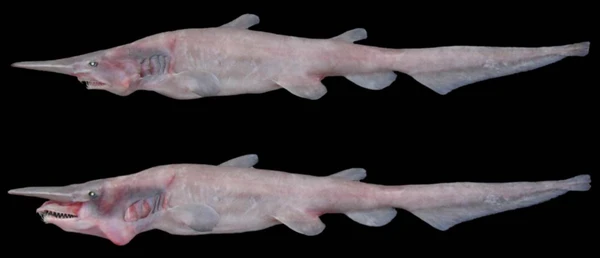
The goblin shark ( Mitsukurina owstoni ), known as the "terrifying monster of the ocean" due to its unique appearance, is found in the deep sea. Its distinctive facial features and biological characteristics have made it a focus of study for marine biologists and extreme hunters. Goblin sharks are not common, but whenever they appear in the news, they evoke widespread attention and fear.
Why it's scary:
Unique Facial Structure: The goblin shark's most striking feature is its extremely exaggerated and terrifying snout. Its long and protruding snout gives it an unsettling appearance. This snout is highly elastic, allowing it to extend rapidly when attacking prey, swiftly and deadly capturing it like a snake. Its "ghostly" appearance and this rapid attack method make it a fearsome presence in the ocean.
Rapid Hunting: Goblin sharks are renowned for their astonishing attack speed. Despite their seemingly slow and clumsy appearance, their snouts can extend in an instant and accurately seize their prey. This "surprise attack" hunting method is typically completed within milliseconds, leaving the prey with nowhere to escape. Goblin sharks primarily feed on fish, octopuses, and other mollusks. Their eating method is also terrifying; they first grasp their prey with their sharp teeth, then swallow it whole with their specialized snouts.
Deep-sea predators: Goblin sharks typically inhabit deep-sea areas at depths of 200 to 1,200 meters. They are accustomed to hunting in low-light conditions and usually live on the extremely deep seabed, far from human activity areas. Goblin sharks are rarely seen in shallow waters, making their presence relatively mysterious and unpredictable. Although their habitat is relatively far from humans, their speed and accuracy in deep-sea hunting make them a formidable predator in nature.
Rare and ancient: Goblin sharks are "living fossils," sharing remarkably similar features with sharks from the dinosaur era, and have existed for approximately 100 million years. Their appearance has undergone almost no significant evolution, making them appear even more primitive and ancient. It is this long history and consistent hunting methods that have made them one of the oldest and most powerful predators on Earth.
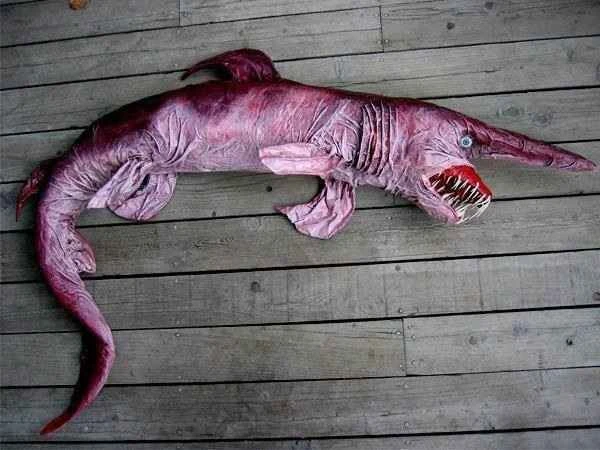
Goblin sharks reproduce through ovoviviparity, where the female carries the embryo for a period of time during gestation, and the pups eventually grow to a certain stage in the mother's womb before being born. Goblin sharks have a very long lifespan, typically reaching sexual maturity at around 15 years old. Therefore, with relatively small populations, their reproduction rate is slow.
Because goblin sharks typically inhabit the deep sea, they have relatively little contact with humans, and therefore pose less of a threat. However, as deep-sea predators, they always pose a deadly threat to their prey.
Goblin sharks, with their bizarre appearance, swift attack speed, and powerful hunting skills, have become one of the most fearsome marine predators. Although they don't often approach humans, their survival methods and hunting strategies in the deep sea make them a highly threatening species. Their menacing appearance and ancient presence make them not only terrifying in the wild but also an enduring mystery in marine biological research.
8. Hexanchus - Deadly multigill predators
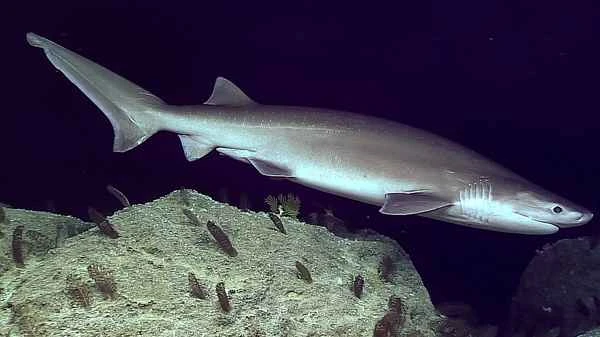
The genus * Hexanchus * comprises one of the most primitive shark species, named for its distinctive six gill slits. Not only do sixgill sharks possess unique physical characteristics, but their hunting behavior and survival skills also make them deadly predators in the ocean. The genus includes several different sharks, such as the great sixgill shark ( *Hexanchus griseus* ) and the small sixgill shark ( *Hexanchus vitulus *), which typically inhabit the deep sea and are typical deep-sea predators.
Why it's scary:
The unique feature of six-gilled sharks: The most striking characteristic of sixgill sharks is that they have six gill slits, two more than most other sharks (most sharks have only five gill slits). This feature makes sixgill sharks look more primitive and also provides them with certain advantages in hunting. The six gill slits help sharks to draw in water more efficiently, maintaining a sufficient supply of oxygen, thus enhancing their hunting ability.
Deadly Predatory Abilities: Sixgill sharks are powerful marine predators with sharp teeth and powerful jaws. Unlike many other sharks, sixgill sharks can swim at low speeds in the deep sea, allowing them to approach their prey silently. They primarily prey on larger fish, octopuses, crustaceans, and other marine life. Their ability to tolerate extremely cold deep-sea environments makes their hunts in deep waters even more deadly.
Deep-sea biology and environmental adaptation: Sixgill sharks typically inhabit waters at depths of 200 to 700 meters, their habitats almost entirely isolated from human activity, even more so than those of other sharks. Sixgill sharks are highly adaptable, able to survive in low-oxygen, low-temperature environments, and their sensory systems are exceptionally acute, enabling them to detect minute changes in the deep sea. Their ability to swim and hunt in these extreme environments makes them apex predators in the deep sea.
Ancient "living fossils": The history of the sixgill shark dates back millions of years. As a "living fossil," the sixgill shark has not undergone much evolutionary change, retaining many primitive characteristics. Its six gill slits, robust body, and powerful attacks have made it a hot topic of study for biologists. The sixgill shark represents an ancient and powerful life form in the shark family, and its survival ability remains awe-inspiring to this day.
Extremely low reproductive rate: Sixgill sharks have a relatively low reproductive rate. The gestation period for female sixgill sharks can last up to two years, and only a few pups are successfully born per litter. This makes sixgill sharks relatively rare in the ocean, giving them a unique ecological position. Due to their slow reproductive rate and their deep-sea habitat, sixgill sharks enjoy a relatively stable environment, avoiding direct conflict with humans.
Sixgill sharks are apex predators in the deep sea, their six gill slits giving them a more primitive and terrifying appearance. Their hunting methods are swift and deadly, enabling them to survive and hunt efficiently in the extreme environments of the deep sea. Although they don't frequently encounter humans, they are undoubtedly "invisible killers" of the ocean. The unique characteristics and formidable survival abilities of the sixgill shark have made them one of the symbols of fear in the ocean.
9. Frilled Shark (scientific name: *Chlamydoselachus anguineus*) - A primitive underwater hunter
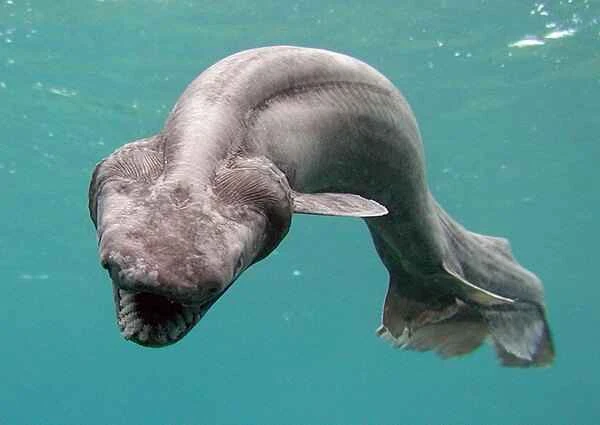
The frilled shark ( Chlamydoselachus anguineus ), also known as the frilled eel shark, is an extremely ancient and primitive species of shark that lives in deep-sea areas. They are often called "living fossils" because they retain many characteristics of ancient sharks. The frilled shark's body structure, swimming style, and hunting techniques make them unique in the deep sea.
Why it's scary:
Original Appearance: The frilled shark has a very distinctive, even somewhat bizarre, appearance. They are elongated, serpentine in shape, with slender, dark gray bodies. The most striking feature of the frilled shark is its gill slits—the slits are surrounded by wrinkles, hence its name. These wrinkled gill slits not only give it a unique appearance but also enhance the efficiency of water flow. Their heads are long like snakes, with a row of very sharp teeth below their mouths, perfectly suited for catching prey.
Unique Hunting Method: Frilled sharks were very specialized predators, and their hunting methods differed from those of modern sharks. Their teeth were curved, allowing them to grip prey like hooks. Using their flexible jaws, they quickly seized their prey and then tore it apart with a powerful bite. Frilled sharks typically preyed on small fish, crustaceans, and other marine life. Their highly flexible lower jaws allowed them to react quickly and recapture prey attempting to escape.
Deep-sea hunters: Frilled sharks primarily inhabit the deep sea at depths of 100 to 1000 meters, and are deep-sea predators. They are adapted to environments of low light, low temperature, and high pressure, resulting in significant differences in their behavior and physiological functions compared to surface sharks. Frilled sharks swim very slowly and steadily in the deep sea, often lurking near seabed rocks or shipwrecks, silently waiting for their prey to approach. Once prey gets close, the frilled shark swiftly attacks, using its long and agile body to capture it quickly.
Low reproductive rate and survival ability: Frilled sharks have a long reproductive cycle, with a gestation period of about 3 years, resulting in a relatively low reproductive rate. Furthermore, due to their remote inhabitation of deep-sea locations, they rarely come into contact with humans, thus remaining somewhat mysterious to the human world. Despite this, frilled sharks are highly adaptable, able to thrive in the complex and ever-changing deep-sea environment. Their survival skills and ancient biological characteristics have secured them a place in the food chain.
Symbol of Living Fossils: The frilled shark, due to its primitive appearance and ancient origins, is called a "living fossil" by biologists. The frilled shark appeared hundreds of millions of years ago with almost no significant evolutionary changes. Their evolutionary history provides invaluable information for studying the origins of sharks.
Frilled sharks, as primitive deep-sea predators, possess a unique appearance, hunting techniques, and deep-sea adaptations, making them "terrifying hunters" of the ocean. Although they are not common in the human world, their survival methods and hunting behaviors undoubtedly make them one of the rulers of the deep sea. They are absolute hunters of the deep sea, showcasing the ancient charm of the shark family with their fearsome predatory instincts and powerful survival abilities.
10. Megamouth Shark (Megachasma pelagios) - A mysterious deep-sea behemoth
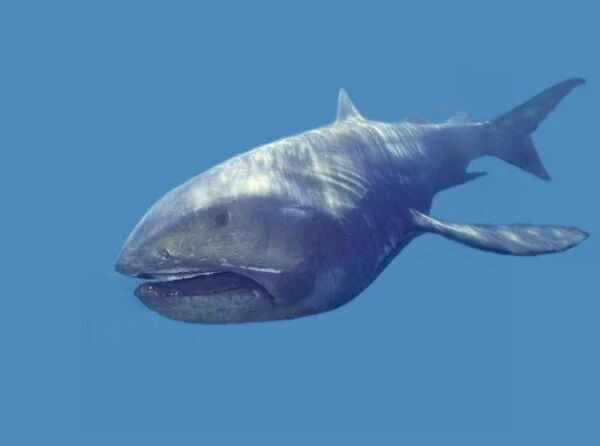
The megamouth shark is a very rare deep-sea shark, known for its astonishing mouth and enormous size. Megamouth sharks typically live in the deep sea, giving them an air of mystery and fear.
Why it's scary:
Huge mouth: The megalomouth shark's mouth can be up to 1.5 meters (5 feet) wide, allowing it to swallow large amounts of plankton.
Deep-sea habitat: It typically inhabits the deep sea at depths of 500 to 1,000 meters (1,640 to 3,280 feet), which greatly increases its mystery and fear factor.
Although megamouth sharks are harmless to humans, their mysterious and enormous size makes them one of the most fearsome sharks in the ocean.
Conclusion
While most sharks in the ocean do not actively attack humans, certain species, due to their aggressive nature, enormous size, and high adaptability, make them some of the most fearsome creatures in the sea. Understanding the characteristics and habits of these sharks not only allows us to better respect marine ecosystems but also helps us better protect ourselves.