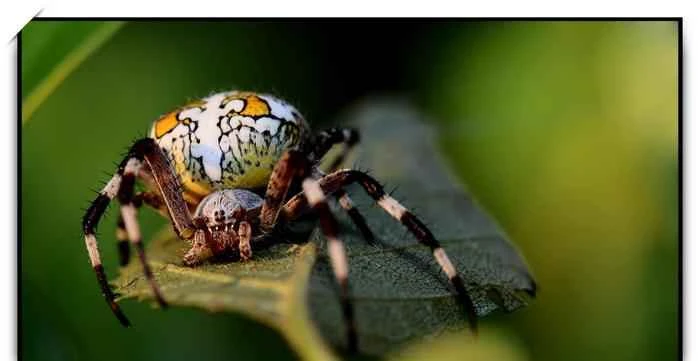
The Arizona sun spider, also known as the camel spider or wind scorpion, is often mistaken for a spider or scorpion. It belongs to a unique class of arachnids and is called the sun spider. Let's delve deeper into their interesting characteristics and habitats.
Physical and behavioral characteristics
| feature | describe |
|---|---|
| Size and color | They are typically 1 to 3 inches long, yellow to brownish-yellow, and sometimes reddish in Arizona. |
| Chelicerae (pincers) | Thick and protruding, used for capturing prey; no venom glands detected. |
| speed | It can reach speeds of up to 10 mph, which helps improve hunting efficiency. |
Arizona sun spiders use their incredible speed and powerful pincers to hunt a variety of desert creatures, from insects to geckos.
Habitat and sensory adaptations
Sun spiders thrive in the sunny, arid regions of the American southwestern United States, with over 50 species recorded.
| Habitat type | feature |
|---|---|
| Geographical distribution | Distributed in deserts and semi-arid regions of Asia, Africa, and the Americas |
| sensory organs | Equipped with tactile and olfactory functions |
These arachnids are covered in bristle-like hairs that help them detect environmental stimuli and enhance their ability to navigate and hunt in harsh desert habitats.
Lifestyle and Reproduction
Sun spiders are primarily nocturnal, hiding in burrows during the day to escape the heat.
| Behavior | Reproduction |
|---|---|
| Nighttime activities | Most active at night, less noticeable during the day. |
| Mating Ceremony | This includes a "dance" where males flip females to produce sperm. |
After mating, the female lays up to 200 eggs in a specially dug burrow. After hatching, the eggs are left unattended by their parents, which is common for most sun spider species.
Ecological role
As predators, Arizona sun spiders play a vital role in controlling other small desert species populations, thus maintaining the ecological balance of their environment.
Conclusion: The fascinating world of sun spiders
Despite their intimidating appearance, Arizona sun spiders are fascinating creatures that make significant contributions to the biodiversity of desert ecosystems. Understanding these unique arachnids helps us comprehend the complexity and resilience of life forms in the desert.