When we think of monkeys, images of cuteness, agility, or intelligence often come to mind. But in the vast family of primates, there are some species whose appearance can be startling at first glance—even making one wonder if evolution has played a joke on them.
However, these monkeys are not "ugly" without reason; their unique appearances are often formed to adapt to their environment, compete for survival, or meet reproductive needs . Big noses, bald heads, enormous eyes... all appearances that "do not conform to aesthetics" are actually survival tools given to them by nature.
Let's appreciate these 10 monkeys, often called the "ugliest," and see how they use "contrast beauty" to interpret the wisdom of evolution.

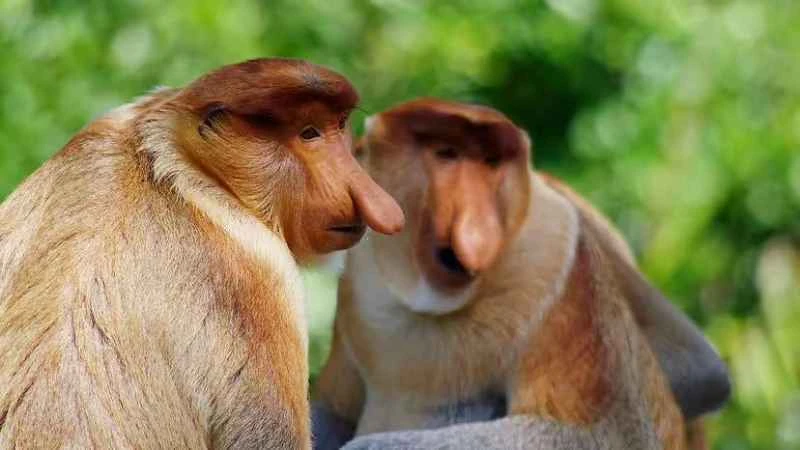
1. Proboscis Monkey
Proboscis monkeys have one of the most iconic noses in the animal kingdom—a large, drooping, balloon-like nose that often makes people laugh.
But the big nose isn't a burden; it's an amplifier .
The male uses it to make a loud call to attract females.
It is also used to intimidate competitors.
Proboscis monkeys live in the swamps of Borneo. They have even evolved partially webbed feet and are good swimmers, making them one of the few monkey species that are "very good swimmers".
2. Bald Uakari monkey
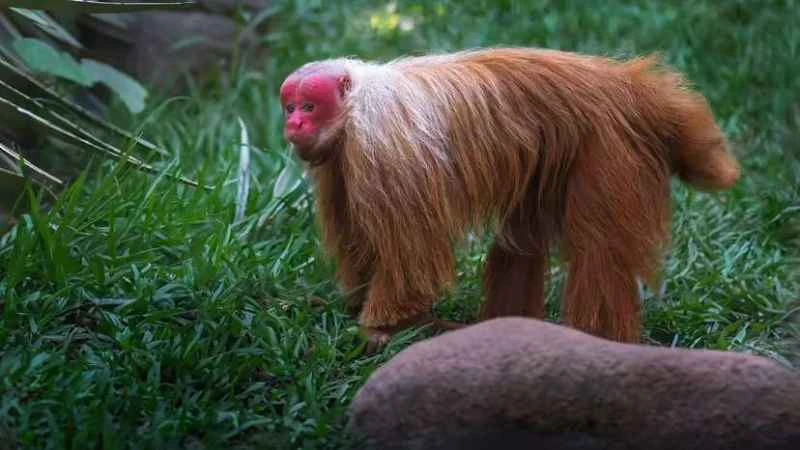
These monkeys have bright red faces and completely bald heads, making them look like "sunburnt humans".
In fact, a flushed face is a sign of good health.
The Amazon region is hot and humid, and has many pathogens.
Healthy red skin indicates a strong immune system.
Females choose their mates based on the degree to which they "blush".
Although their appearance is considered strange by humans, they are a model of survival of the fittest.
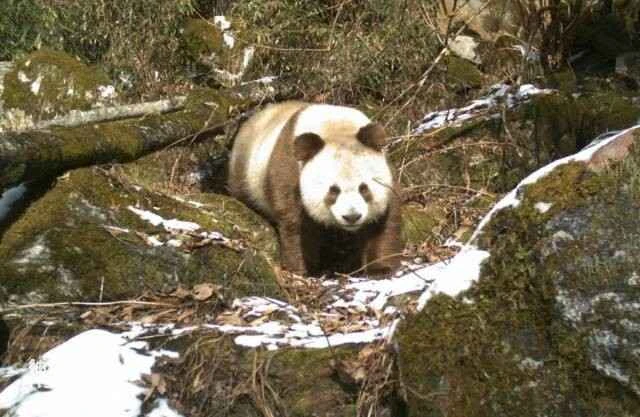
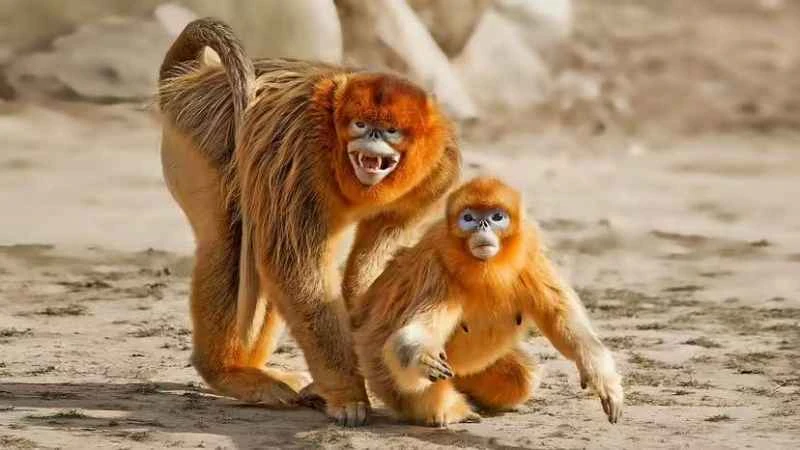
3. Snub-nosed Monkey
The snub-nosed monkey looks like it has an underdeveloped nose, with a flat face and forward-facing nostrils.
But this is precisely the result of their evolutionary adaptation to the cold environment at high altitudes.
They are distributed in the high-altitude forests of Asia, facing:
sub-zero temperature
strong winds
High mountain snow
Snorebug groups huddle together for warmth, their thick fur making them look like adorable and unique "snow elves."
4. Tarsier
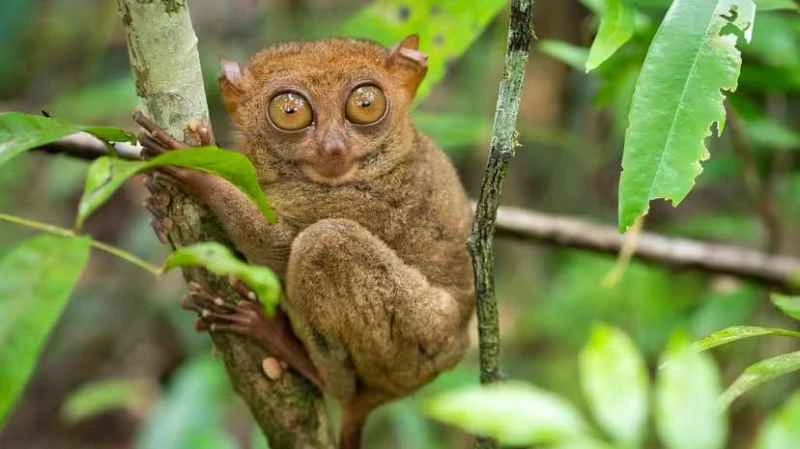
The tarsier is a classic example of "giant eyes and a small body":
One of its eyes is bigger than its brain.
Its eyes cannot move; it can only turn its head like an owl.
Their wide-open eyes make them seem "always ready to scare you," but with these "night vision goggles," tarsiers become extremely efficient nocturnal hunters.
5. Mandrill
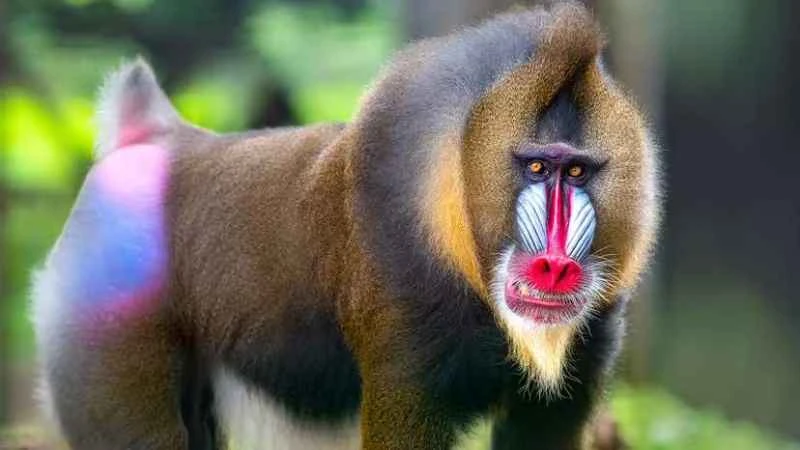
The mandrill has a stunning face:
Blue nose bridge
Red nose tip
Long yellow fangs
During the breeding season, males develop brighter facial colors, a "natural makeup" to attract females. In the monkey world, this coloration symbolizes strength and health.
6. Saki Monkey
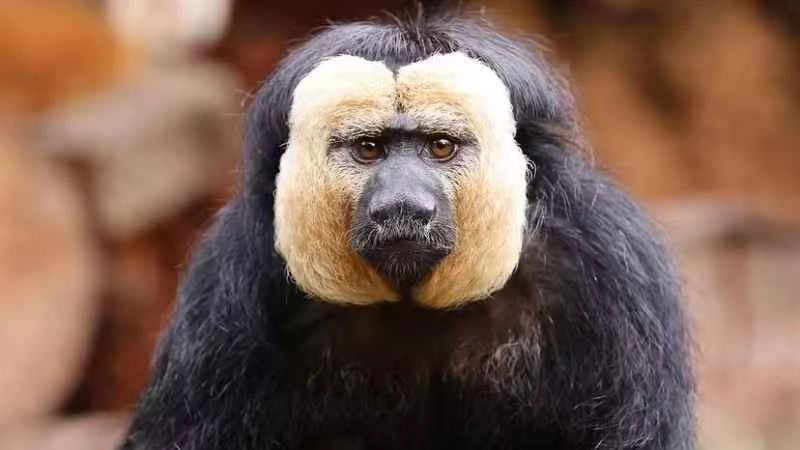
Seki monkeys have fluffy fur and round faces that make them look like "spinning tops in plush coats".
Their expressions are hidden in their thick fur, always giving the impression that they are "expressionless," or even a bit mysterious.
This shape serves as camouflage in dense forests, allowing them to avoid predators and hunt for food discreetly.
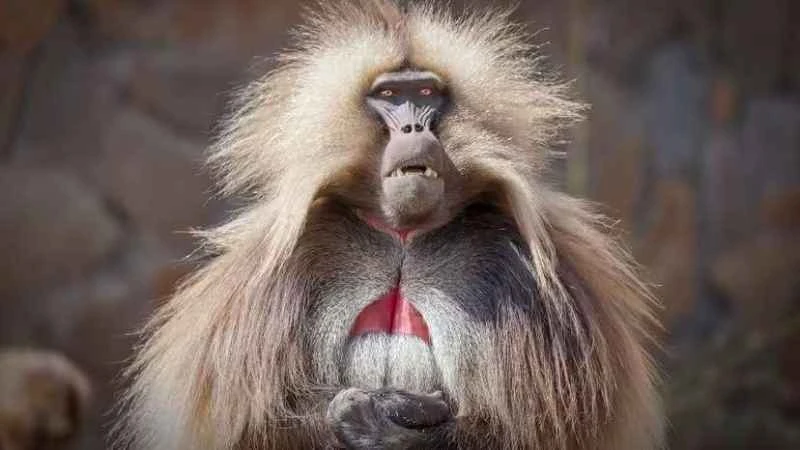
7. Gelada, a species of baboon.
The uniqueness of the gelada lies in:
Vampire-like fangs
The exposed skin on her chest was bright red and heart-shaped.
The bare spots on the chest are particularly noticeable in males, with brighter colors indicating higher status; they serve as a "social calling card." Galata monkeys are often called "herbivorous monkeys" because they primarily eat grass.
8. Rhesus Macaque
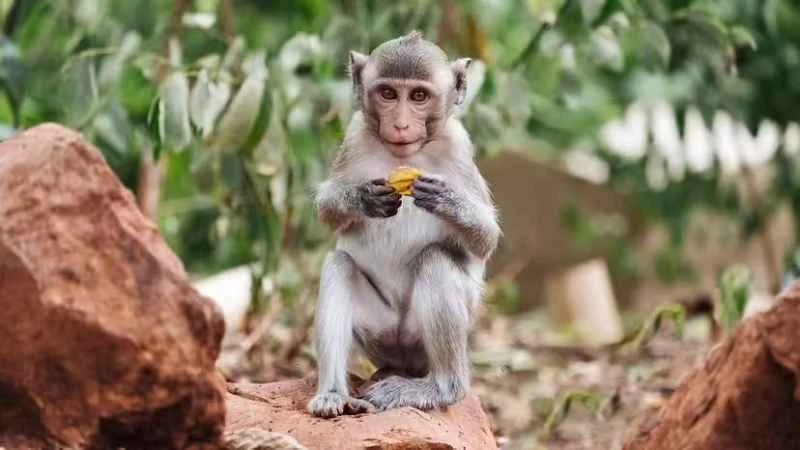
Although their appearance isn't particularly striking, rhesus monkeys frequently clash with humans.
They will steal food
Clever and bold
Sometimes they even operate as a group.
Their wrinkled faces and slightly fierce expressions make them look "not very cute," but their high adaptability makes them strong enough to survive in both cities and the wild.
9. Japanese Macaque (Snow Monkey)
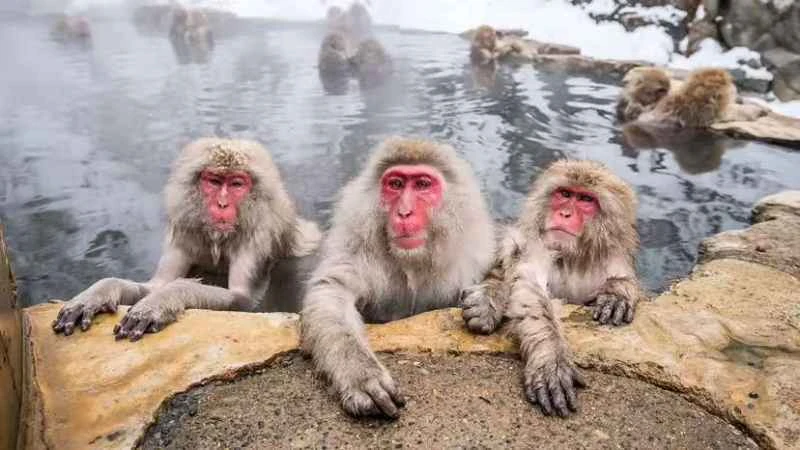
Snow monkeys are famous for "soaking in hot springs," and they have pink faces and no hair, making them look like they are "born with an angry face."
Actually, going bare-faced can help:
Enhance facial expression
Maintaining group communication
Related to social class
They rely on their thick brown fur to keep warm in the snow, making them true "snow country elves".
10. Spectacled Langur
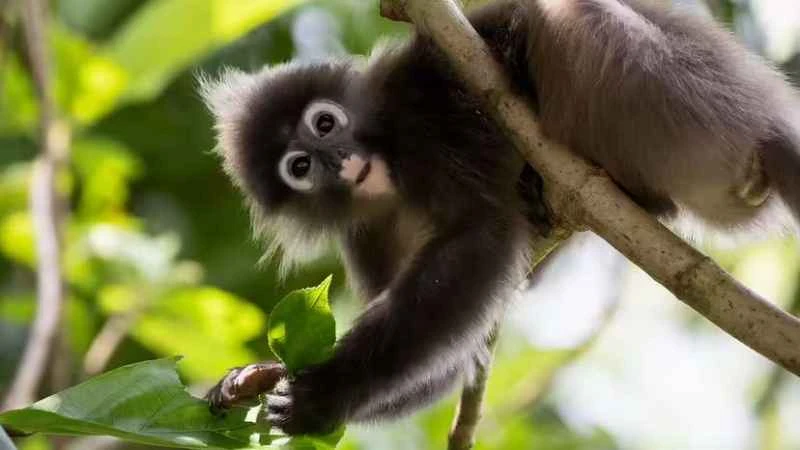
White circles under their eyes make them look like they're "wearing glasses" or always have a surprised expression.
The exact function of dark circles under the eyes is still uncertain in the scientific community, but it may be related to:
Visual recognition
social signals
Larval protection
This is related to factors such as [list of factors]. They live in the canopy layer of Southeast Asia and mainly feed on leaves.
Conclusion: Ugliness and beauty are both masterpieces of nature.
These seemingly "ugly-cute" monkeys are not failures of evolution, but rather survival miracles shaped by nature in different environments.
From red faces and large noses to big eyes, each feature has its biological significance:
Attracting a spouse
Adaptation to climate
hunting demand
Social communication
They tell us through their unusual appearance:
In nature, beauty is never a single standard; adaptation is the strongest force.