When nature decides to allow an animal to evolve unique abilities, it often takes an unconventional approach. In the bird world, some birds not only have uniquely shaped and impressive beaks, but also powerful functions, truly representing the fusion of "fashion and practicality." They can catch fruit high in the branches or hunt fish and shrimp in the water; each one possesses a breathtaking "special skill."
Here are 15 bird species with "incredible beaks":
1. Black Skimmer
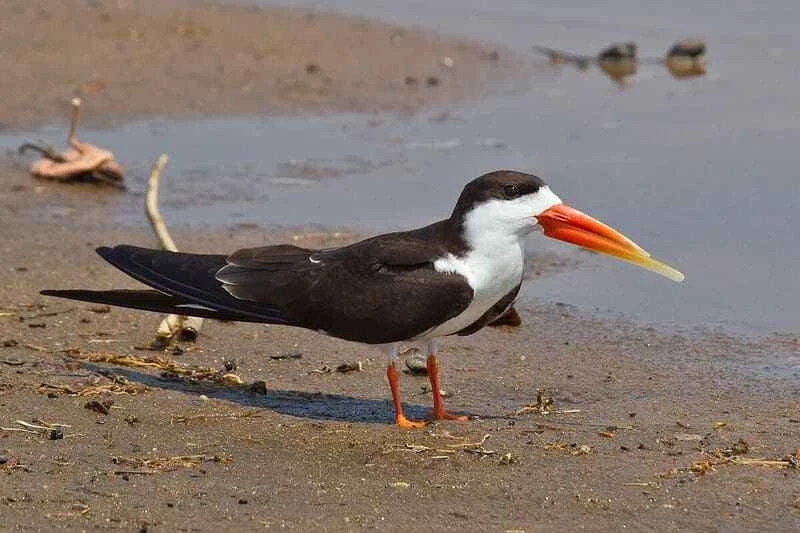
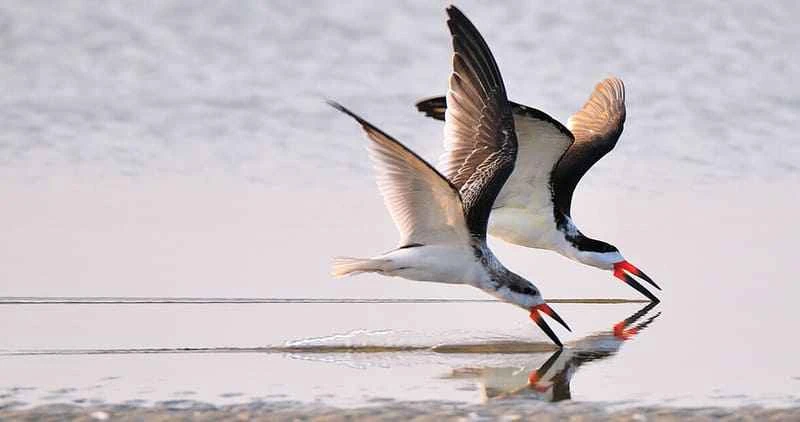
The Black-scissor-billed Gull possesses a beak shape extremely rare among North American birds—its lower beak is much longer than its upper beak, making the entire beak long and narrow. When flying, they dip their lower beak close to the water's surface, paddling as they fly to forage. Once they touch a fish, they quickly close their upper beak to capture the prey. This "scissor-billed" hunting technique is unique to birds in both North and South America.
2. Hornbill (Rhinoceros hornbill)
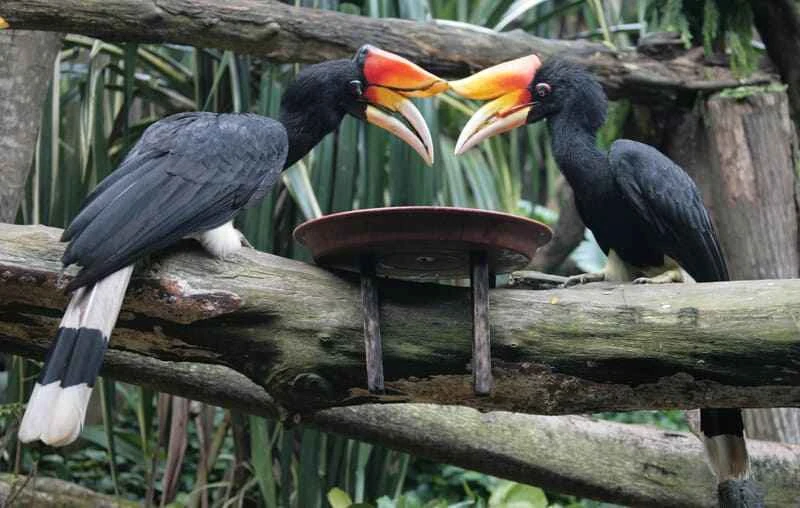
Hornbills are as imposing in appearance as their name. They have a large, helmet-like casque made of keratin on their heads, resembling a rhinoceros horn. This casque not only allows them to reach fruits high in the trees but also serves as a resonating cavity to amplify their calls. Hornbills are mainly distributed in the Malay Peninsula, Java, Borneo, and Sumatra.
3. Roseate Spoonbill

The Roseate Spoonbill gets its name from its pink plumage and spoon-shaped beak. This broad, flat beak is specifically designed for "sieve feeding" in shallow waters; it moves by swaying its beak from side to side, filtering small prey such as crustaceans, aquatic insects, and small fish from the water. The pink plumage may also come from pigments in its food.
4. Red Crossbill
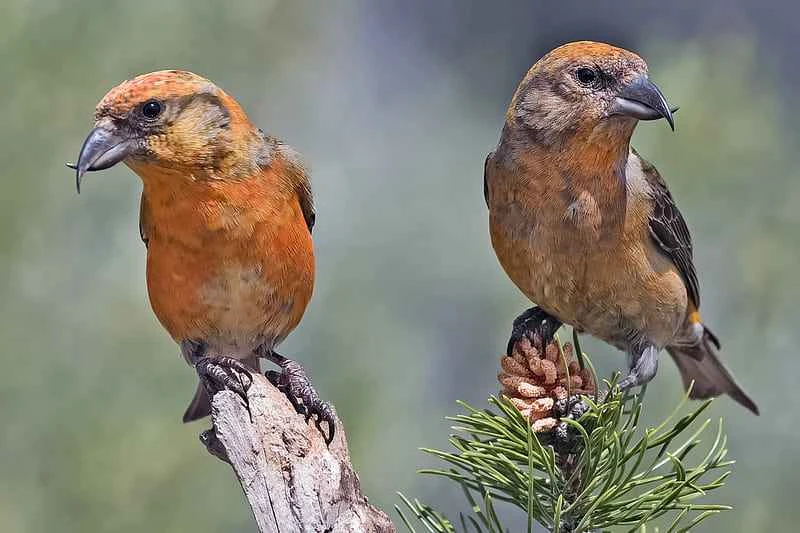
The red crossbills have a distinctly crossed beak, considered "deformed" among other finches, but it's a "magic weapon" for them to obtain pine cone seeds. They skillfully insert their crossed beak between the tightly closed pine cone scales, pry them open, and eat the seeds inside. They typically inhabit high-altitude coniferous forests or cold-temperate forests.
5. Shoebill
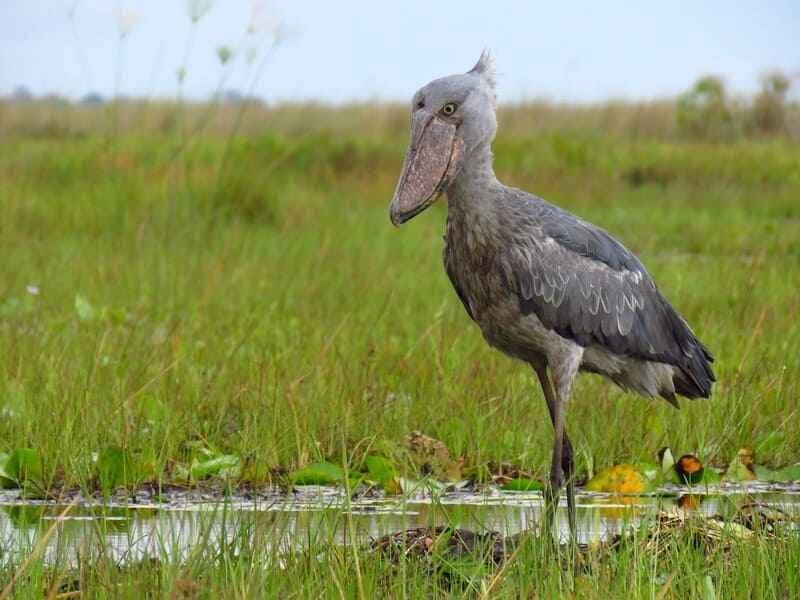
The shoebill 's beak resembles a large shoe—wide, thick, and exceptionally conspicuous. Its sharp edges allow it to easily catch fish and clear away debris such as aquatic plants. A hook-like projection at the tip of the beak can simultaneously hook, crush, and pierce prey. Primarily found in African wetlands, it is a distant relative of pelicans and herons, and sometimes communicates by clicking its beak.
6. Long-Billed Curlew
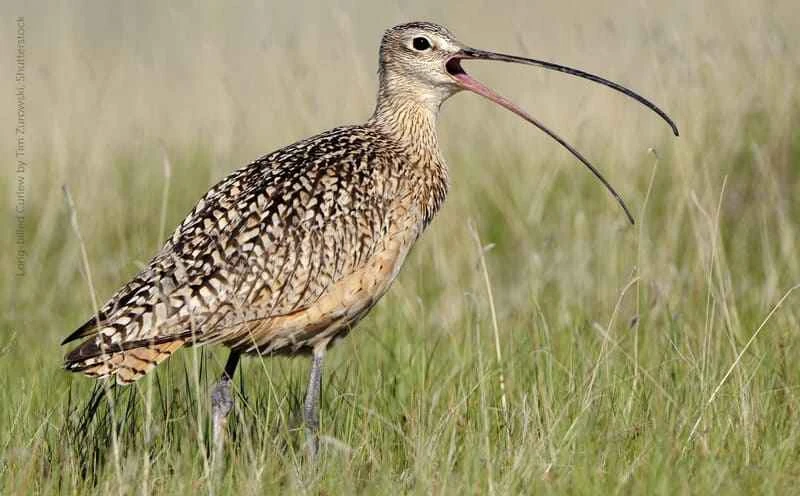
This coastal bird, native to North America, possesses a long, thin, downward-curving beak. It can delve into mudflats to dig for crabs and shrimp, and also search for earthworms in grasslands. The female's beak is typically longer than the male's, with a more pronounced curve at the end. This unique beak shape allows it to hunt with ease in two vastly different environments.
7. Sword-Billed Hummingbird
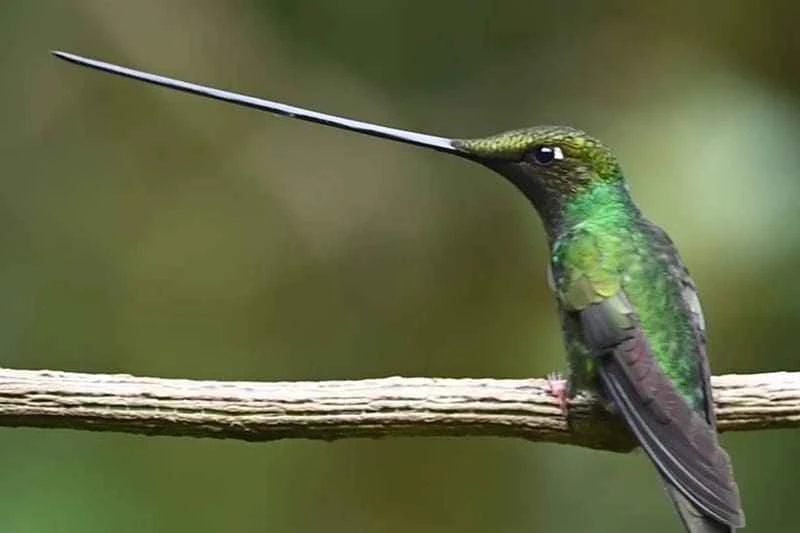
The sword-billed hummingbird boasts the world's longest beak, even exceeding its body length. Because of its excessively long beak, it cannot preen its feathers and must clean itself using its feet, requiring it to tilt its head back for balance when standing. However, this long beak allows it to access deep-throat nectar that other hummingbirds cannot reach. It is primarily found in high-altitude regions of South America.
8. Great Hornbill
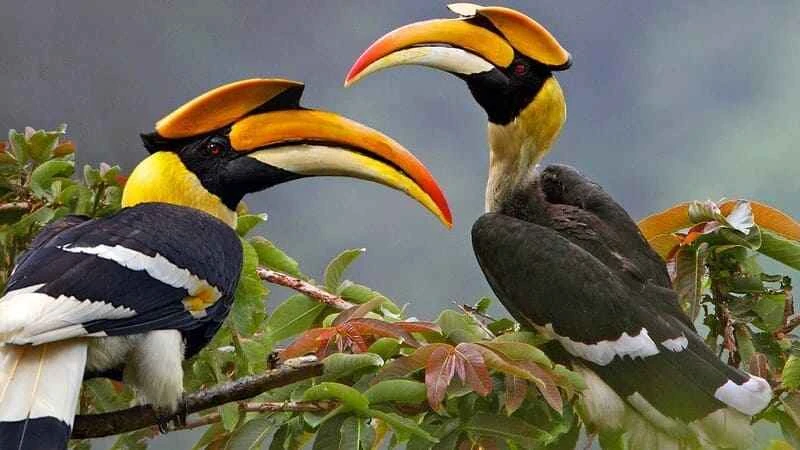
The Great Hornbill is another hornbill species with an exaggerated beak and a large, hollow, helmet-like protuberance on its head, featuring alternating black and yellow stripes. This structure may be used for courtship displays; sometimes, males will even collide their helmets with each other in flight. This bird is commonly found in the tropical rainforests of Southeast Asia and prefers to nest and breed in tall, virgin forests.
9. Toucan
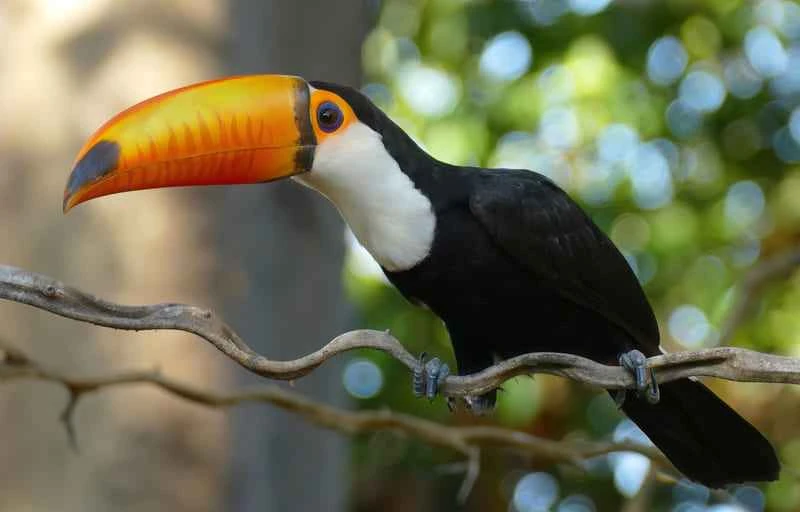
When talking about birds with "big beaks," how can we not mention the toucan? Its beak can be 30% to 50% of its body surface area, making it look enormous. Its beak can not only reach high fruits, but also peel fruit, scare away enemy birds, and even small predators. Inside the beak is a long tongue, which facilitates the feeding of prey such as frogs, lizards, and insects.
Although its beak looks large, it is actually made of hollow keratin and is very light. Studies have shown that toucans can also regulate their body temperature by adjusting blood flow to their beaks.
10. Rainbow Toucan (Keel-Billed Toucan)
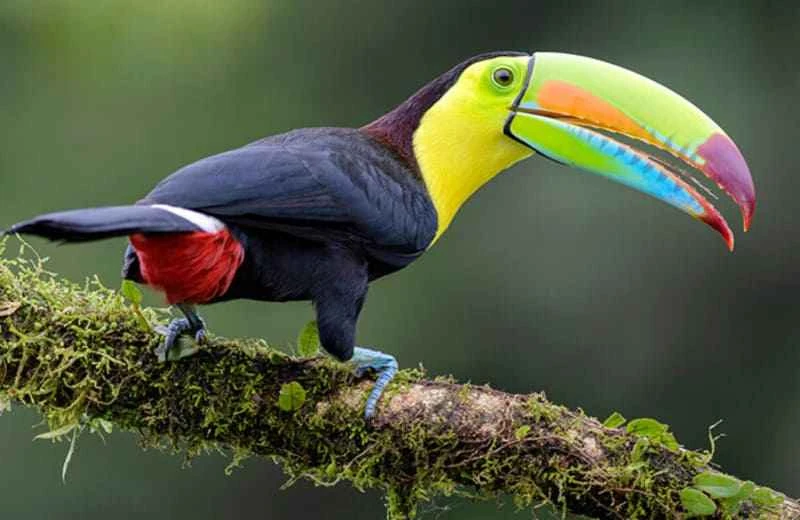
Another toucan with a stunning beak is the rainbow toucan, also known as the "colorful-beaked toucan." Its beak accounts for one-third of its body length and is brightly colored, serving not only for feeding but also as a deterrent. They live in the humid forests of Central and South America, living in groups and nesting in tree cavities.
11. American White Pelican
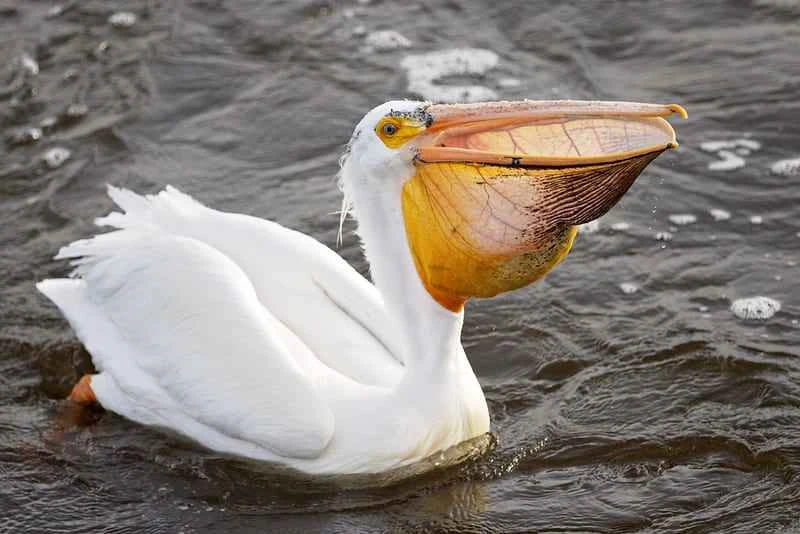
The American white pelican has a distinctive beak, with a large "throat pouch" attached to its lower beak, which opens like a fishing net to catch fish and filter water. Unlike the brown pelican, it doesn't swoop down to catch fish; instead, it flips over to forage like a duck.
Even more interestingly, during the breeding season, a horn-like protrusion grows on their upper beak, which falls off after they lay eggs. They are the only pelican species with this "seasonal decoration."
12. Flamingo
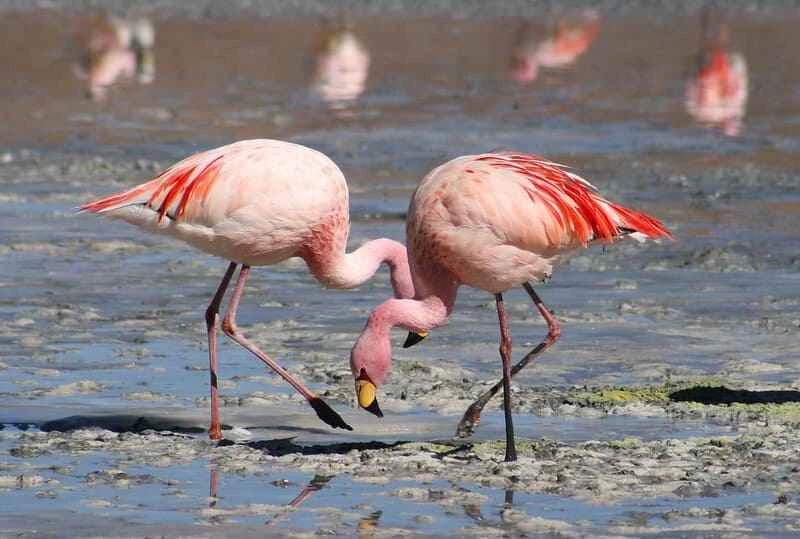
Flamingos are not only elegant in appearance, but also have unique beaks. Their beaks are used upside down and have a brush-like structure inside called a "filter," which helps retain food such as small crustaceans, insects, and mollusks while filtering water. Large flamingos can catch prey up to an inch long, while smaller flamingos excel at filtering microscopic plankton. This beak structure is very similar to that of a whale's baleen plates.
13. Kiwi
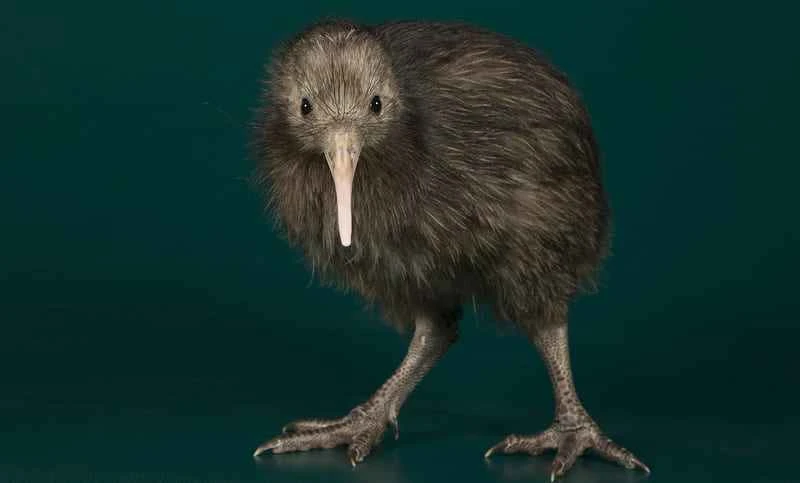
The kiwi is the only bird in the world with its nostrils located at the tip of its beak. Unlike most birds, it has an extremely developed sense of smell, while its vision is relatively weak. It relies on its sense of smell to find food in the leaf litter and can even sense the movement of earthworms underground. It will probe its head in the soil while "sniffing" the air, and then use its beak as a lever to dig a burrow to obtain food.
14. Atlantic Puffin
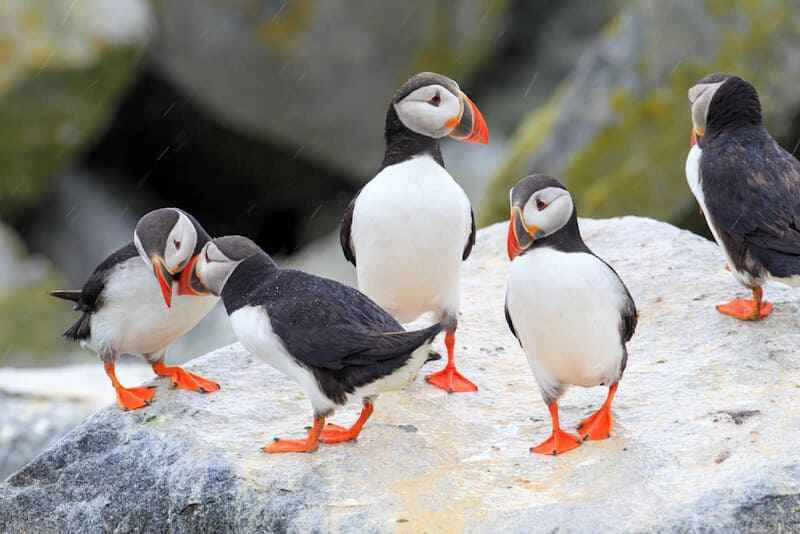
The Atlantic puffin has a red and black beak, resembling a small "sea clown," hence its name "ocean clown" or "puffin." Its beak is not only striking in appearance but can also hold more than ten small fish at once, thanks to the serrated structure of its upper beak and its flexible tongue. As they age, their beaks grow larger and develop more serrations, while the beaks of young birds are black.
15. American Avocet
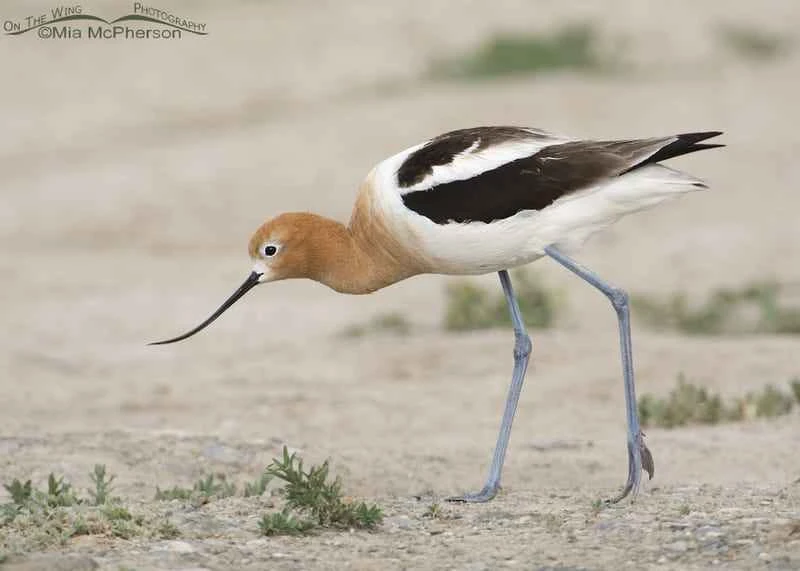
The American Avocet is elegant in appearance, with a long, slender, slightly upturned beak that is exquisitely shaped. They move slowly in shallow waters, using their beaks to sway from side to side in search of small aquatic invertebrates, sometimes shaking off mud from their feet as they walk. Although they appear delicate, they will not hesitate to attack predators such as harriers or crows.