Aside from its feet that can stick to the wall and its image that made it famous through insurance advertisements, many people don't actually know much about geckos.
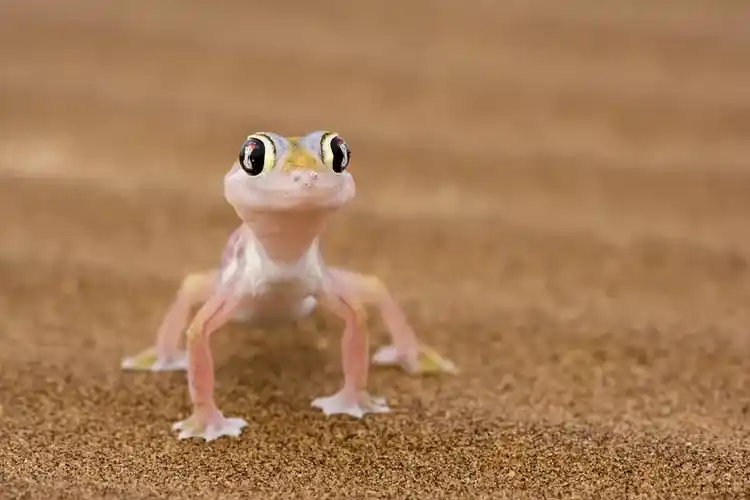
However, this group of reptiles, comprising over 1,100 species, hides amazing secrets. From clinging to ceilings and leaping through forests to changing color and making calls, the world of geckos is far more fascinating than you might imagine.
1. Except for Teflon, geckos can stick to almost any surface.
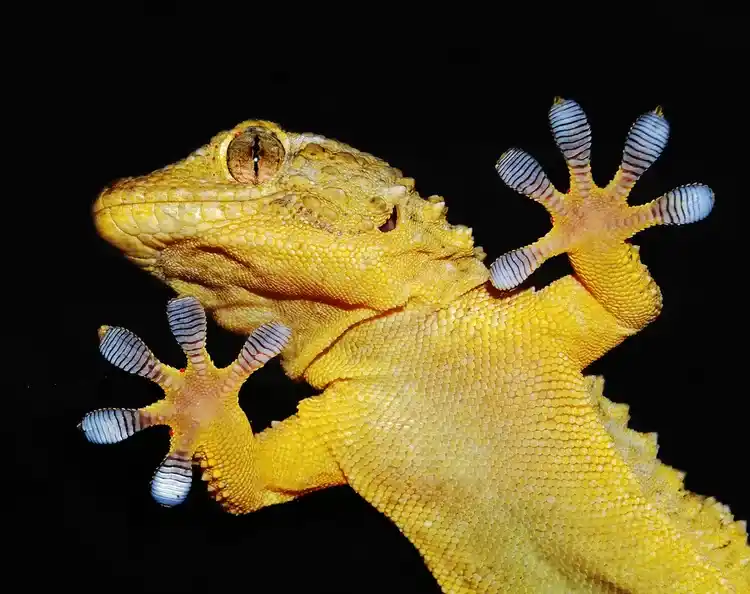
Geckos' most iconic ability is their ability to easily climb smooth surfaces like glass or vertical walls. The only surface they can't adhere to is dry Teflon (a common coating on non-stick pans), but if there's moisture on the Teflon, they can still "cling" to it!
Geckos don't stick to objects with "stickiness," but rather with the dense network of nanoscale hairs on each of their toes—called "setae." A gecko has approximately 6.5 million setae, which together can withstand the pulling force of two adult human weights!
This powerful "hanging force" has become a source of inspiration for biomimetic technology research, with attempts to replicate the toe structure of geckos being made in everything from medical bandages to smart tires.
2. Geckos have 350 times the night vision of humans.

Most geckos are nocturnal animals with exceptional night vision. A study of helmeted geckos found that they can still distinguish colors in dim environments with only moonlight—while humans are completely colorblind at that point.
The study also showed that geckos' eyes are 350 times more sensitive to light than human cone cells. This is thanks to their large cones and unique eye structure, which allow them to see the colorful world even in low light.
3. Geckos not only make sounds, but they can also "bark".
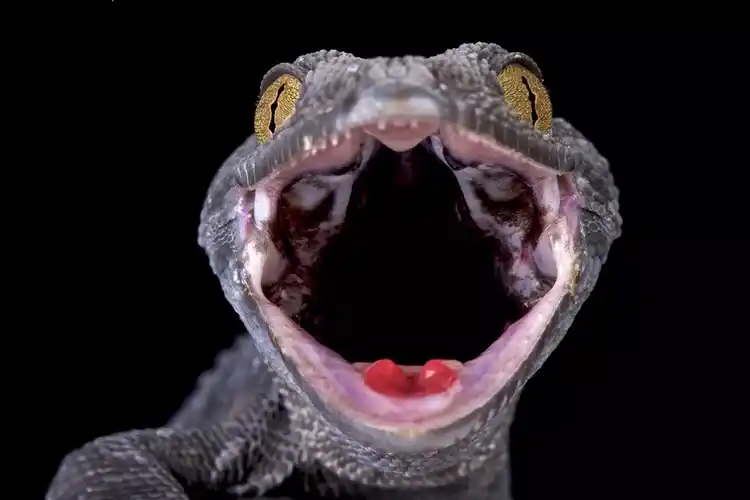
Unlike most reptiles, geckos can communicate by making sounds, including squeaks, clicks, and even "barks."
These sounds may be used to warn other geckos from approaching their territory, avoid conflict, or attract mates. If you hear strange chirping sounds in your house at night, it might just be a gecko greeting you.
4. Some geckos have no legs and look like snakes.
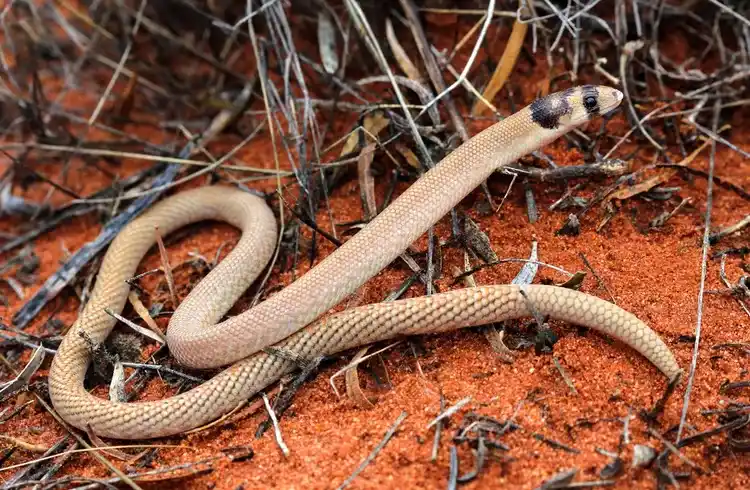
You may not know that the gecko family also includes some peculiar "legless" members. For example, the Pygopodidae family in Australia and New Guinea has more than 35 species of geckos that are called "legless lizards" or "snake-like lizards" because they have lost their forelimbs and only retain small flap-like remnants of their hind limbs.
Despite their snake-like appearance, they still belong to the gecko family and can emit high-frequency sound waves, with hearing far exceeding that of other reptiles.
5. Most geckos can detach their tails for self-preservation and regenerate new tails. 
When threatened, geckos will deliberately detach their tails to attract the enemy's attention, allowing them to escape. This tail-detachment mechanism is very ingenious; the tail will naturally separate at a pre-set break point, minimizing the impact on the body.
The severed tail may even twitch a few times to disturb predators. Geckos can regenerate their tails afterward, but the new tail is usually shorter, blunter, and slightly different in color. However, a few species, such as the crested gecko, cannot regenerate their tails after they are severed.
6. A gecko's tail is an "energy reserve".
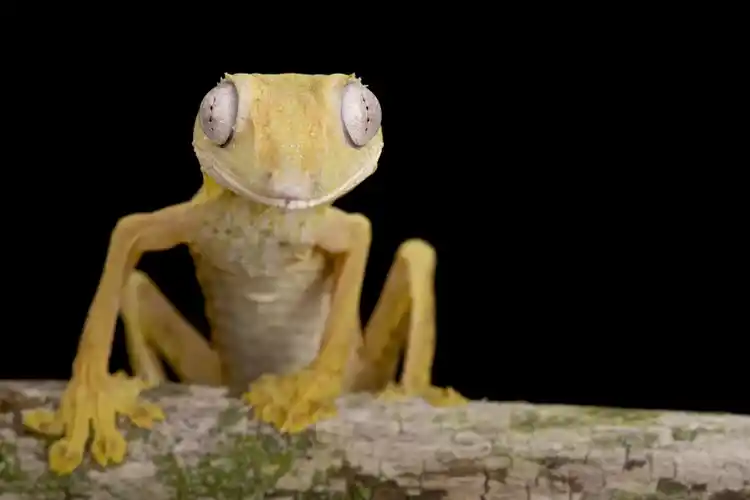
Gecko tails are not only used for escape, but also for storing fat and nutrients. For many species, a plump tail indicates good recent nutrition, while a shriveled tail may indicate illness or malnutrition.
Therefore, you can tell if a gecko is healthy by looking at its tail.
7. Geckos have an amazing lifespan, living for over 20 years.
In the wild, the average gecko has a lifespan of about 5 years. However, in a pet environment, this lifespan can be significantly extended.
Species like the leopard gecko can typically live 15 to 20 years in captivity, with the longest-lived individual recorded reaching 27 years old!
8. Most geckos do not have eyelids and clean their eyes by "licking" them with their tongues.
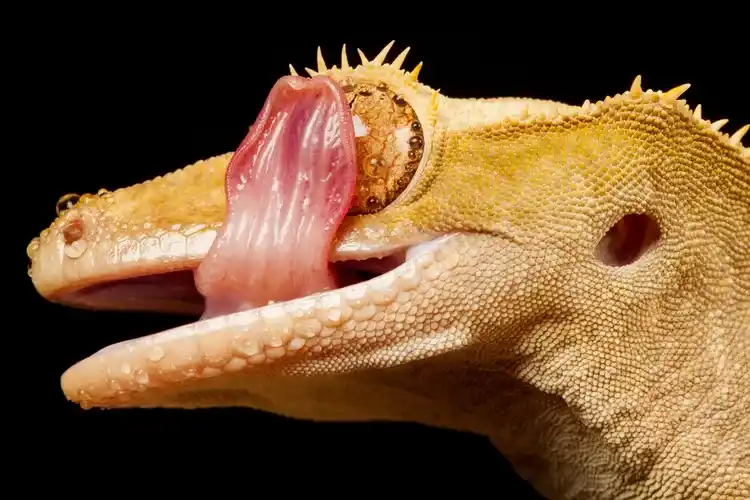
Most geckos don't have eyelids and can't blink. To keep their eyes moist and clean, they "lick" them with their tongues. Actually, they're licking the transparent membrane covering their eyeballs.
Although this habit may seem a bit strange, it is very useful for geckos.
9. Geckos can also change color to camouflage themselves.
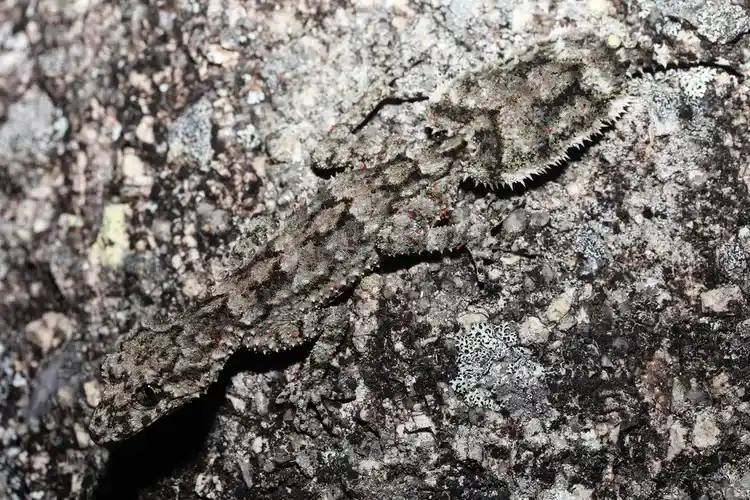
Besides chameleons, geckos can also change their body color, and some can even "automatically camouflage" themselves when they cannot see their surroundings.
Research has found that species like the Moorish Gecko do not perceive their environment through sight, but rather rely on "opsin" in their skin to sense light and determine how they change color. Some species even possess natural textures resembling lichen, moss, or rocks, perfectly camouflaging themselves.
10. "Demon Leaf-Tail Gecko": The strongest "dead leaf camouflage technique" on Earth.
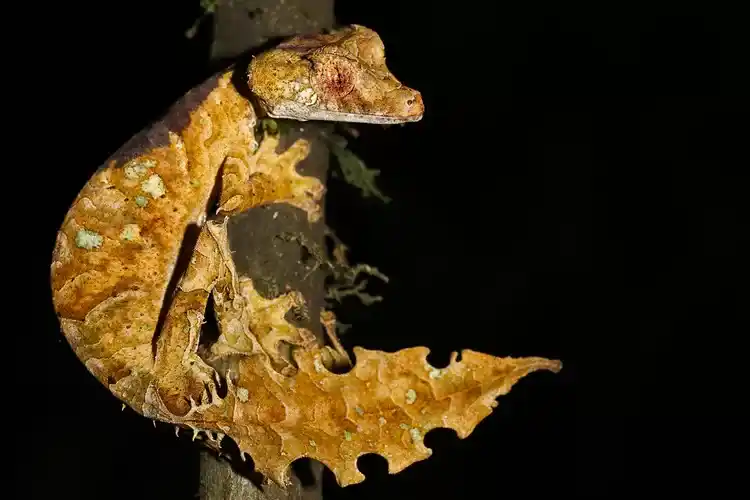
The "Devil Leaf-tailed Gecko," endemic to Madagascar, is a peculiar species whose appearance is almost indistinguishable from a fallen leaf. Its skin resembles leaf veins and insect bite marks, and even its color and shape are highly similar.
They hang from the ends of branches like withered leaves, enhancing their camouflage. This incredible ability to mimic makes them almost impossible to spot.
11. Some geckos can "climb walls and roofs".
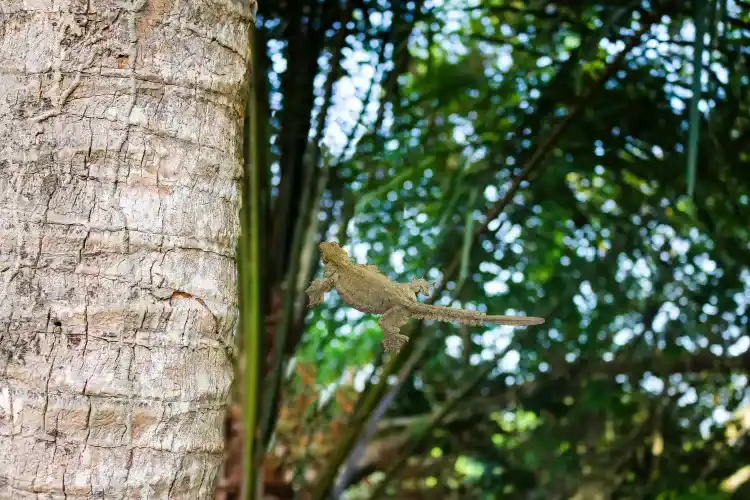
Although the "flying gecko" or "umbrella gecko" of Southeast Asia cannot actually fly, they glide freely between trees using the membrane between their limbs and their flat tail.
These geckos can glide up to 60 meters in a single leap, while their body length is only about 15 to 20 centimeters. Although they are somewhat timid, they are quite popular in the pet market.
12. The smallest gecko is less than 2 centimeters long.
While some geckos can glide for several meters, others are so small they can only be hidden on a fingernail. For example, the Jaragua Sphaero and the Parthenopion gecko are less than 1.6 centimeters long, making them among the smallest reptiles in the world.
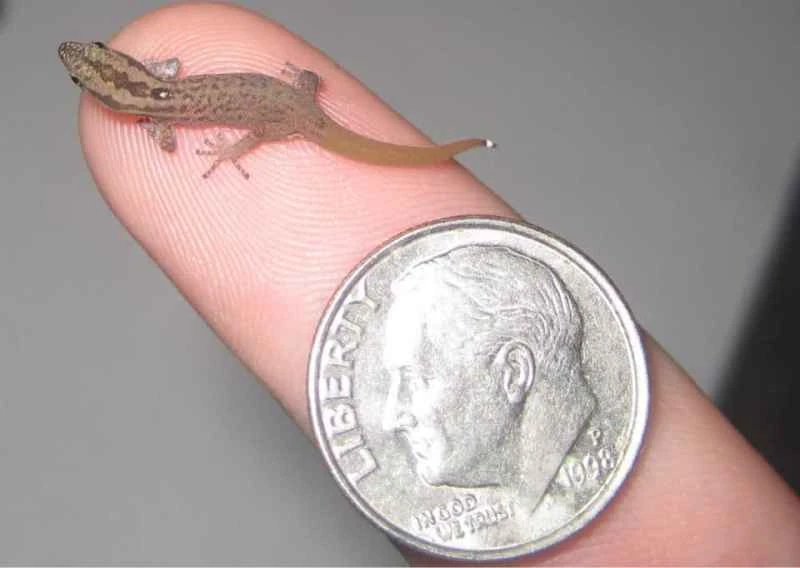
These miniature geckos have only been found in Jaragua National Park and Biata Island in the Dominican Republic, and are rare species of great research value.
If you think geckos are just "bug-catching helpers" in the corners of your home, you're probably very wrong. Every member of this family possesses amazing adaptability and evolutionary miracles that are truly admirable.