The genus *Procyon* is a fascinating family of mammals widely distributed in the tropical and subtropical regions of the Americas. Three main species of raccoons have been identified: the Cozumel raccoon (also known as the pygmaeus), the crab-eating raccoon (*Procyon cancrivorus*), and the North American raccoon (*Procyon lotor*). They are highly adaptable and possess remarkable survival skills.
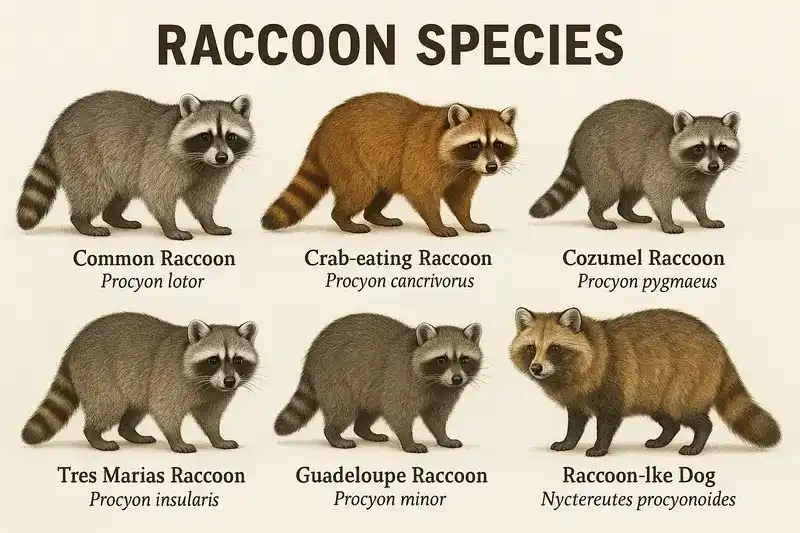
Cozumel raccoon (Procyon pygmaeus)
The Cozumel raccoon is found only on Cozumel Island, off the coast of Mexico's Yucatan Peninsula. They can live in a variety of forest environments, including tropical rainforests and temperate forests, and prefer to nest in densely vegetated areas with good concealment.
This small raccoon is omnivorous, its main diet consisting of insects (such as ants, termites, and beetles), mollusks (such as snails), worms, spiders, fruits, nuts, and small vertebrates such as frogs, lizards, small mammals, and birds. The breeding season varies by location; females have a gestation period of about 63 days and give birth to 2 to 4 cubs that rely on their mother's care. They typically raise their young in tree cavities or at the base of fallen trees.
Currently, this raccoon is listed as a critically endangered species, with an estimated number of adult individuals of less than 250, and is on the verge of extinction.
Crab-eating raccoon (Procyon cancrivorus)
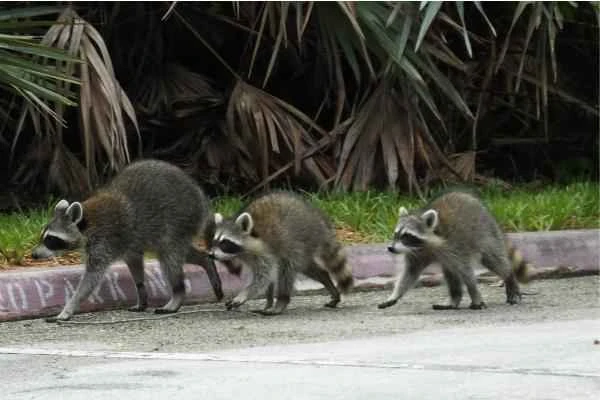
Also known as the South American raccoon, it is distributed in the tropical and subtropical regions of Central and South America. Slightly smaller than the North American raccoon, it has sparser fur and is adept at climbing trees and hunting. Its diet includes crabs, small amphibians, fruits, nuts, etc. It is nocturnal and solitary.
Their range is wide, extending from southern Central America to central Argentina and northern Uruguay. The gestation period is about 60-75 days, and they give birth to 2 to 7 pups per litter, which become independent after 8 months.
North American raccoon (Procyon lotor)
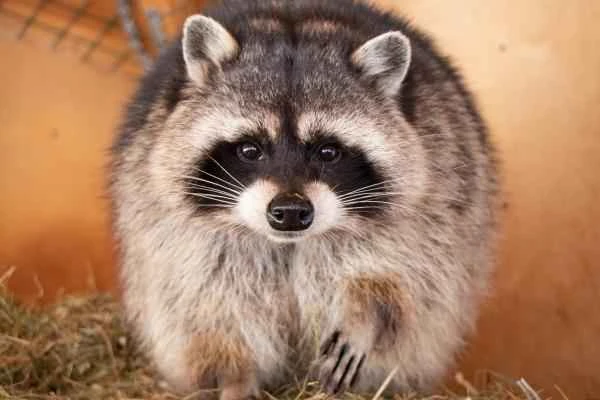
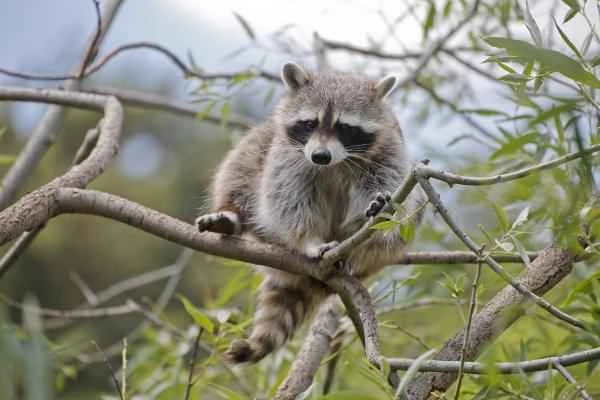
The North American raccoon, also known as the common raccoon, is the most common and adaptable species. It is widely distributed in Canada, the United States, and other regions, even venturing into urban environments, where it has become a "pest in some areas." They have a black "mask" on their face and a tail with distinct ringed patterns.
Their diet is broad, including small mammals, birds, crabs, fruits, and grains. During the breeding season, males are infertile, mating and then leaving, while females raise 1 to 7 young alone. The young reach adulthood before the age of 2.