Among the many species of gazelles are the common dorcas gazelle (Gazella dorcas), mountain gazelle (Gazella gazella), and dama gazelle (Nanger dama). Gazelles are ungulates, members of the subfamily Antelopeinae. They are typically medium-sized with long limbs and excellent running ability. If you would like to learn more about these elegant animals, please continue reading this article.

Dolcas Gazella
Also known as the common gazelle, it is a species adapted to the desert environment of North Africa, distributed from Egypt to Western Sahara. They prefer sparsely vegetated rocky plains and avoid extremely arid sand dune areas. Currently, there are six subspecies. This species has relatively long ears, curved horns, and can reach a height of 65 cm, a body length of about 110 cm, and a weight between 15 and 20 kg.
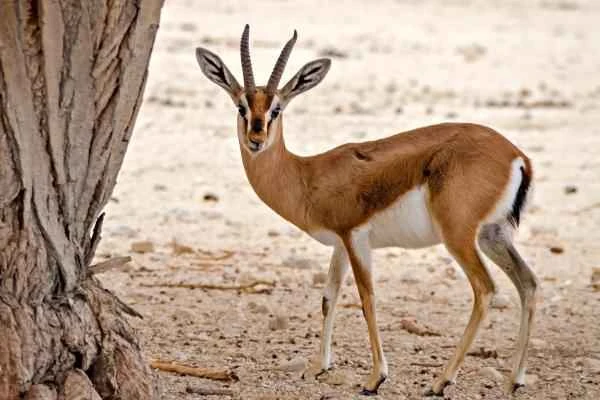
They can go for long periods without drinking water, obtaining moisture primarily through consuming plants. Due to overhunting and habitat degradation, this species has been listed as Vulnerable.
Mountain gazelle (Gazella gazella)
Also known as the Arabian gazelle, it is distributed in the mountains, hills, and coastal plains of the Arabian Peninsula. They are often found in areas with abundant acacia trees, which are their primary food source. Three subspecies exist in Israel. Compared to the Dorcas gazelle, it is larger but less adaptable to high temperatures and drought.
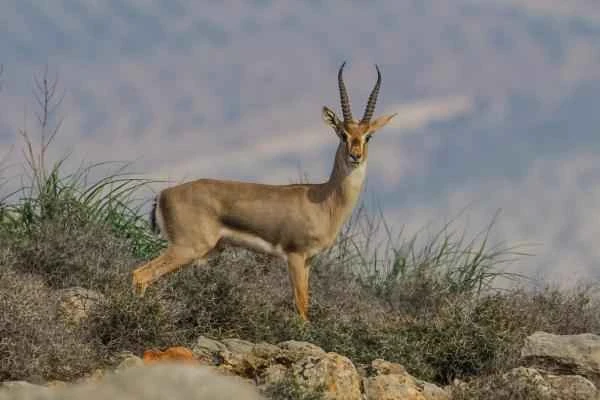
Despite legislation protecting them in many countries, poaching remains a serious problem. In addition, traffic accidents, habitat fragmentation, and predation by wild dogs and jackals also pose threats to them.
Nanger dama
It is the largest gazelle, mainly distributed in the Sahara and Sahel regions, but its range has shrunk significantly in recent years. It can reach a height of 120 cm and weigh about 75 kg. Its body is white with brown patches, and it has a distinctive forehead.
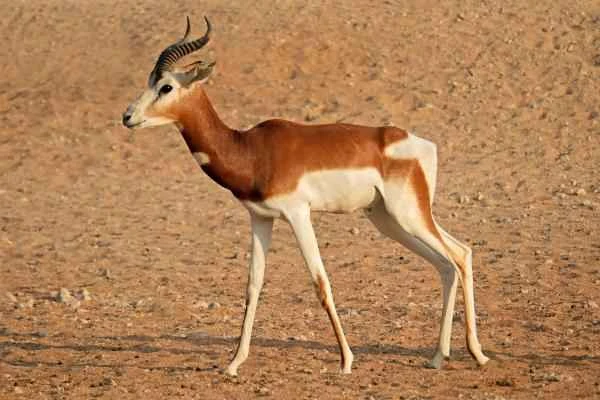
Due to its critical endangerment, this species is listed as "Critically Endangered" by the IUCN. Several conservation projects are currently underway, including artificial breeding programs in protected areas in Morocco and Tunisia.
Cuvier's gazelle (Gazella cuvieri)
Also known as the Atlas gazelle, it is a species endemic to the Atlas Mountains and surrounding hills in North Africa. They mainly live in semi-arid Mediterranean coniferous forests and grasslands, and common plants include Mediterranean pine (Pinus halpensis), burnet (Juniperus phoenicea), and oak trees.
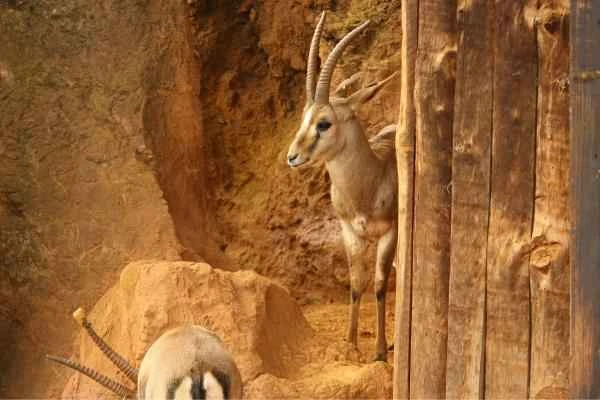
The species is currently listed as "vulnerable," but it has been granted legal protection by the countries in its range and is being planned for reintroduction to specific areas of Tunisia.
Nanger granti
Also known as the Suara gazelle, it originates from East Africa and is mainly distributed in the grasslands and savannas of Kenya and Tanzania. It can reach a height of 95 cm and a weight of up to 80 kg, making it one of the larger gazelles. Its distinctive features include long, ringed horns, light-colored sides and belly, and dark facial markings.
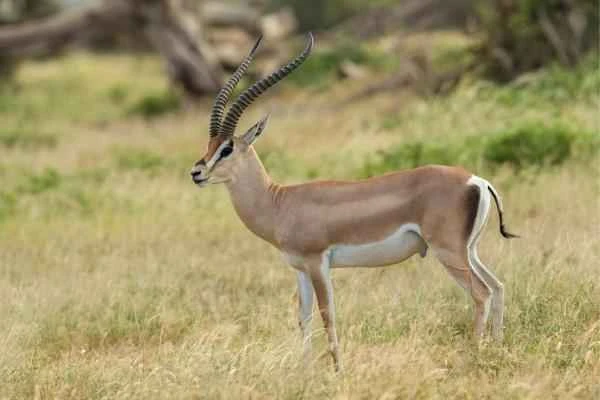
Despite the impact of hunting and habitat loss, it is currently listed as a "Least Concern" species by the IUCN.
Thomson's Gazelle (Eudorcas thomsonii)
Commonly known as the "Tommy's Gazelle," it is one of the most common gazelles on the Kenyan and Tanzanian plains. It stands about 60 centimeters tall and weighs between 15 and 25 kilograms. Its distinctive feature is a black stripe down its sides, and its fur is light brown.
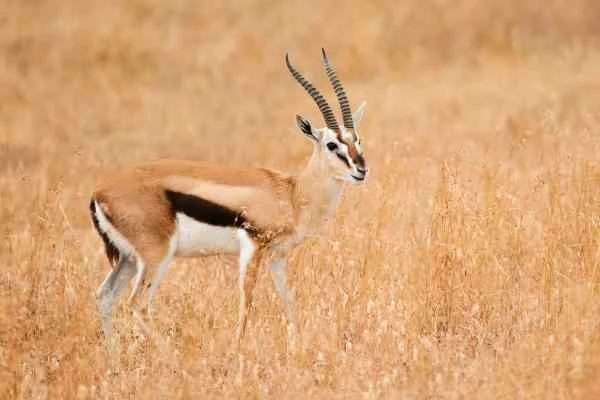
As primary prey for large predators such as cheetahs and crocodiles, this species is adapted to open grasslands and scrublands. Although still classified as "Least Concern," its population is declining due to hunting and competition with livestock.
Nanger soemmerringii
Native to the savanna and shrublands of Eritrea, Ethiopia, and Sudan. It is a large animal, standing about 90 cm tall and weighing up to 45 kg. Its fur is light brown with spots, and its horns are long and slender, lyre-shaped.
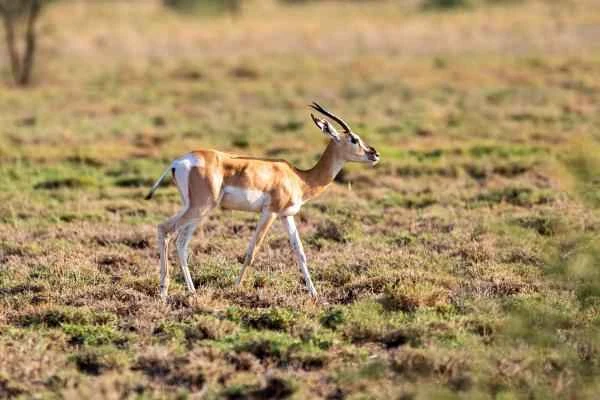
This species is migratory but is severely threatened by illegal hunting and agricultural expansion, and is currently listed as "Vulnerable" by the IUCN.
White gazelle (Gazella leptoceros)
Native to the Sahara Desert in Algeria, Tunisia, Libya, and Egypt, it is adapted to extremely hot and dry environments, especially sand dune areas. It stands about 65 cm tall and weighs between 20 and 30 kg. Its light-colored, almost white fur helps reflect sunlight.
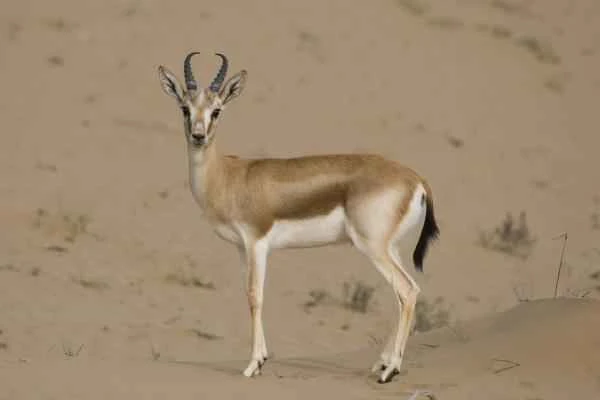
Its horns are long and slender, curving backwards. Due to poaching and habitat destruction, it is now listed as "critically endangered".
Sahel gazelle (Eudorcas rufifrons)
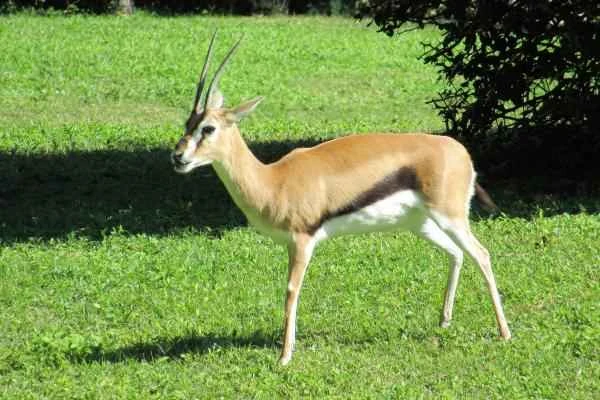
It is distributed in the dry grasslands and semi-deserts of the Sahel region of West Africa. It stands about 70 cm tall and weighs 15 to 30 kg. Its fur is reddish, and its face has alternating light and dark stripes. It mainly feeds on grass and leaves and can go for long periods without drinking water.
It is now listed as "Vulnerable" due to agricultural expansion and hunting.
Gazella spekei
This species is endemic to Somalia, and is relatively small, standing about 60 cm tall and weighing 15 to 25 kg. It has a pale coat and short, slightly curved horns. Adapted to arid environments, it is listed as "Vulnerable" due to poaching and habitat loss. In recent years, several conservation projects have been launched within its range.
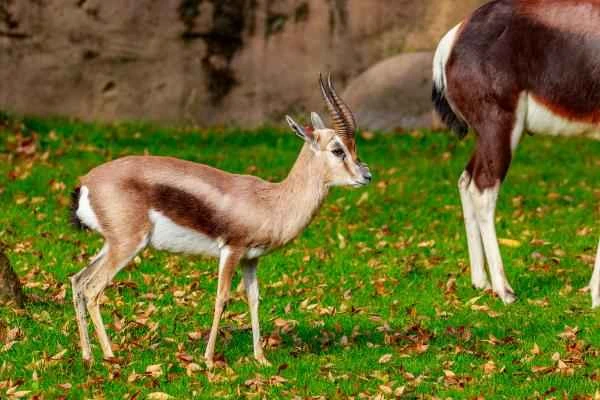
Its name comes from the famous explorer John Hanning Speke, who discovered the source of the Nile and Lake Victoria.