The wolf ( Canis lupus ) is one of the most widely distributed canids, historically covering much of the Northern Hemisphere and even reaching near the edge of the tropics. However, due to habitat changes, human expansion, and increased hunting pressure, many wolf packs were forced to shrink northward or become scattered, isolated populations. To adapt to different climates and terrains, wolves have developed various regional differences over a long period of evolution, often referred to as "subspecies" or "endemic types."

Below is a list of 20 commonly mentioned "wolf types" (including multiple gray wolf subspecies and closely related local types), each with its physical characteristics and distribution range explained in a concise and easy-to-read manner.
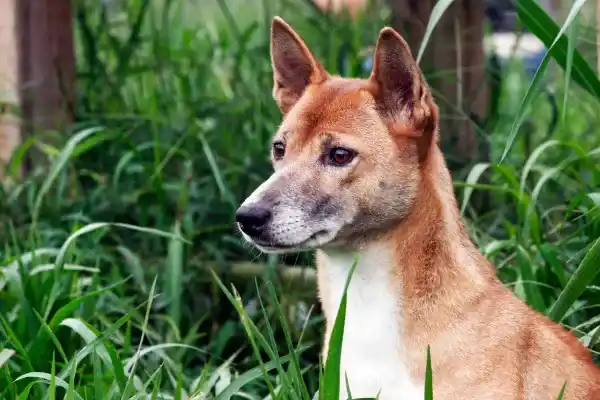
1) New Guinea Singing Dog ( Canis lupus hallstromi )
Distributed in New Guinea (north of Australia). It's called the "singing dog" because it can modulate its howls into unique pitch variations , making them sound like singing. It's typically small, commonly described as about 35–50 cm in length. Some believe it may be extremely rare in the wild or even extinct ; publicly available information often cites the last widely cited sighting in the wild in the last century.
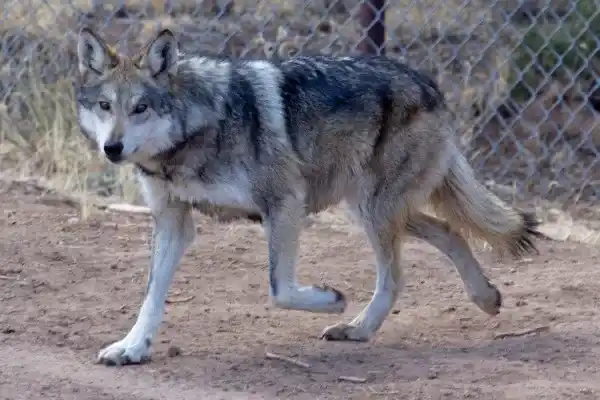
2) Mexican Grey Wolf ( Canis lupus baileyi )
Distributed in North America , it is often considered the smallest of the North American gray wolves. Common descriptions indicate a body length of approximately 135 cm , with grayish fur. In the mid-20th century, due to prolonged hunting, it was declared extinct in the wild, but thanks to captive breeding and conservation programs, populations are recovering in some areas.
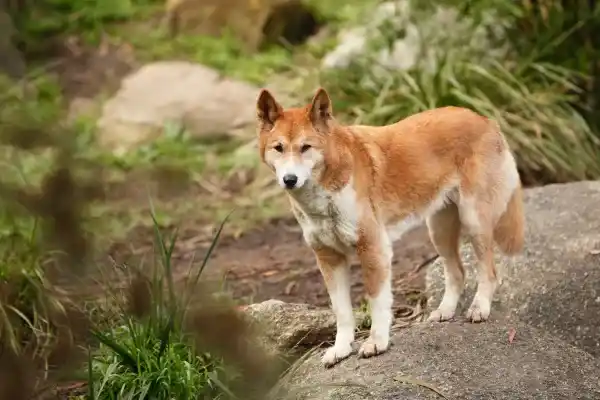
3) Dingo ( Canis lupus dingo )
A representative wild canid of Australia, its coat is mostly reddish-brown , and it typically stands about 60 centimeters tall at the shoulder. While it may resemble a domestic dog at first glance, it is closer to its wild state, behaves differently from pet dogs, and is generally not affectionate towards humans.
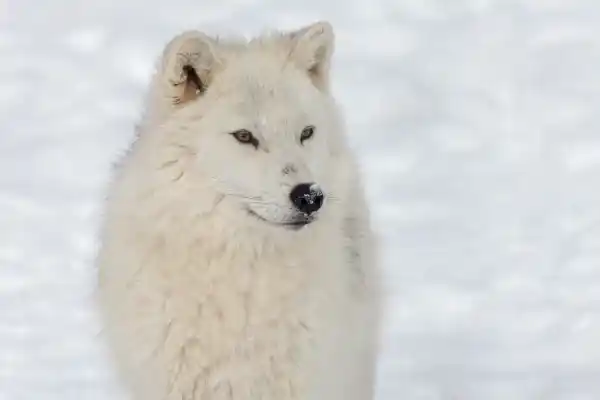
4) Arctic wolf ( Canis lupus arctos )
The most easily recognizable feature is their white or near-white fur , which helps them camouflage in snowy environments. They are commonly described as measuring approximately 1.0–1.4 meters in length and are distributed in high-latitude regions such as Canada, Alaska, and Greenland . Due to the scarcity of prey, they often need to travel long distances to forage.
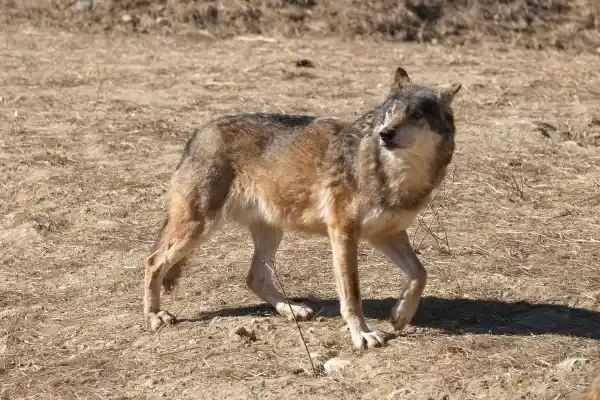
5) European wolf/common wolf ( Canis lupus lupus )
Widely distributed in the Northern Hemisphere of the Old World, it is often referred to as the "common wolf". It is highly adaptable to climate, has a thick coat, and its body length is usually about 1.0–1.5 meters (with significant differences between different regions).
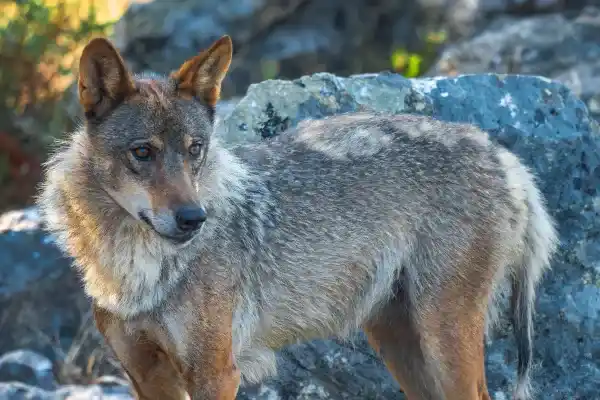
6) Iberian wolf ( Canis lupus signatus )
A localized type unique to the Iberian Peninsula , often described as relatively small in size with prominent black patches/marks on its back. Some areas have long faced pressure from hunting and human-wolf conflict.
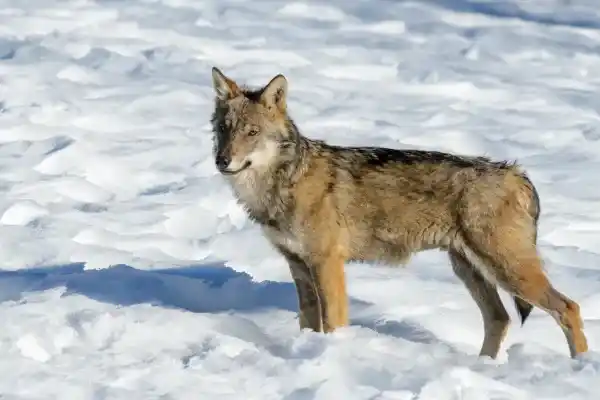
7) Italian Wolf ( Canis lupus italicus )
It was identified as a subspecies in the early 20th century. Common descriptions include: skull morphology slightly different from that of the European wolf, and some sources also mention that its dental structure is more canine-like. It is mainly distributed in the Western Alps and Apennines , and its body length is typically about 1.0–1.4 meters . Historically, it has become vulnerable due to hunting.
8) Florida wolf ( Canis lupus floridanus )
Often listed as one of the extinct endemic types, it was said to have had a very limited distribution in Florida, USA , and disappeared due to hunting in the early 20th century. Some descriptions describe its fur as dark or even black.
9) Tibetan wolf ( Canis lupus chanco )
Associated with the Qinghai-Tibet Plateau and surrounding high-altitude, cold regions, some sources extend its distribution to the Himalayas and Mongolia. Common body color is sandy or yellowish-brown , with black hairs interspersed on the back and a lighter belly. Body length is commonly described as approximately 90–160 cm .
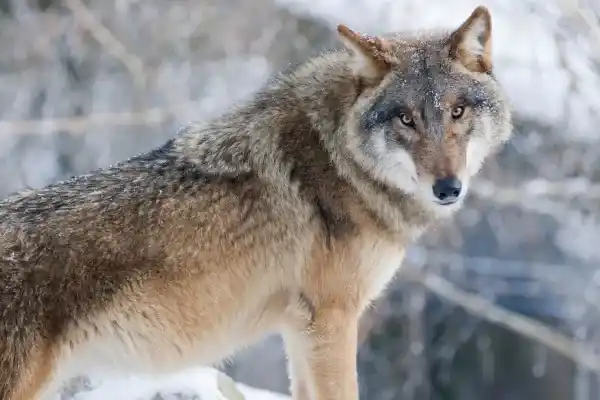
10) Vancouver Coast Wolf ( Canis lupus crassodon )
They are distributed along the coast of southern Alaska and Vancouver Island . Due to their close proximity to the coast, they are often described as having some semi-aquatic habits , being strong swimmers, and even moving between islands. Their diet includes not only terrestrial prey but also marine resources such as fish, shellfish, and crustaceans.
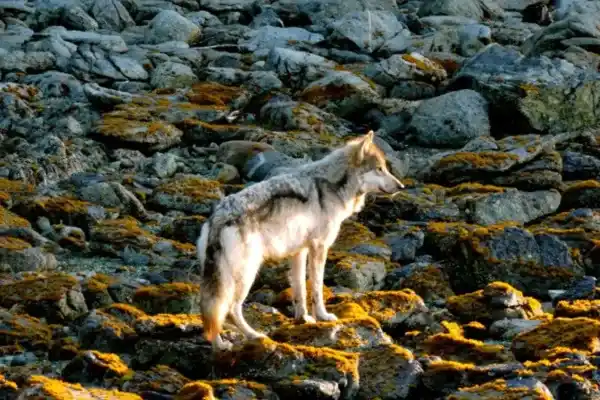
11) Steppe Wolf ( Canis lupus campestris )
It is often described as being distributed around the Ural Mountains, near the Caspian Sea, and parts of Eastern Europe and Central Asia. It is relatively small in size, with short, dense fur that is darker on the back and gradually lightens towards the limbs.
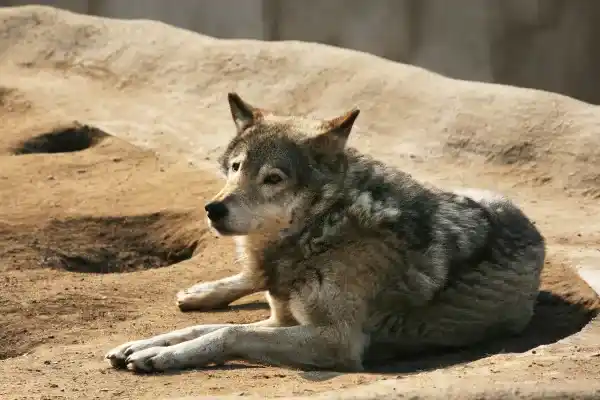
12) Greenland wolf ( Canis lupus orion )
Living in Greenland , many individuals are active in protected areas or areas with minimal human disturbance. Commonly described as small to medium-sized, with a body length of up to about 1.5 meters (this may vary depending on the source).
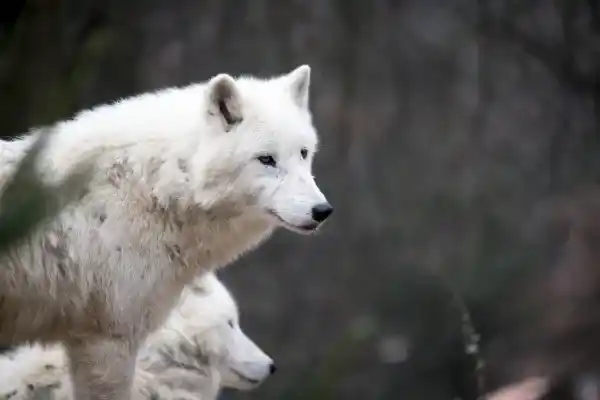
13) Himalayan wolf ( Canis lupus laniger )
They are distributed in the high-altitude regions of the Himalayas (covering parts of India, China, and Nepal). Their common body color is light beige on the back, while the abdomen, limbs, and face are nearly white. They live in the oxygen-depleted environment of high altitudes and possess remarkable adaptability. Some sources emphasize their significant conservation pressure.
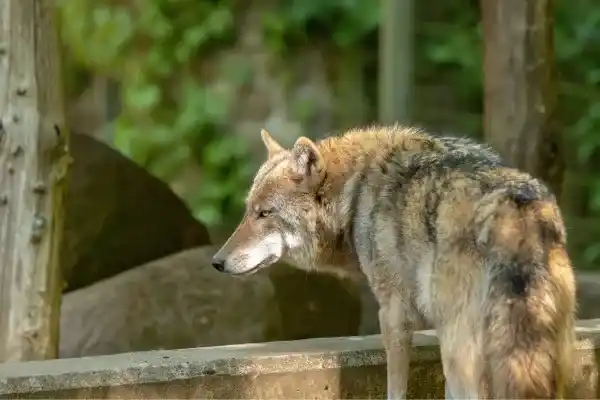
14) Tundra Wolf ( Canis lupus albus )
Distributed in the cold regions of northern Eurasia, extending westward from Russia to near Finland. Its fur is long and thick , often white or nearly white, providing excellent camouflage in the snow. It typically measures about 1.1–1.3 meters in length and has a sturdy build to minimize heat loss.
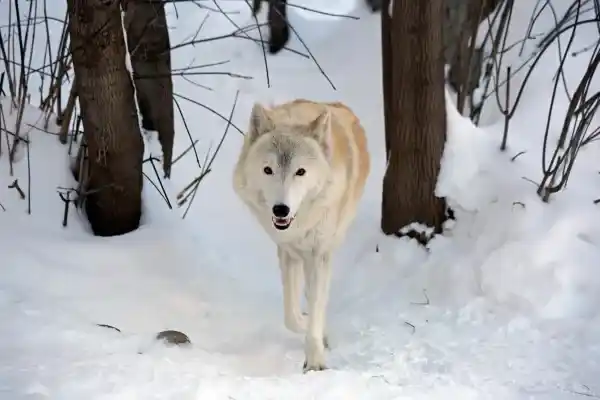
15) "Red wolf" (here it often refers to the red canids of the African highlands)
Some articles refer to this canid, which lives in high-altitude regions of Africa and has an extremely narrow distribution, as the "red wolf," emphasizing its endangered status. Common descriptions indicate it is approximately 80 centimeters to 1 meter in length, has short fur, and its habitat is limited to alpine meadows or highland ecosystems.
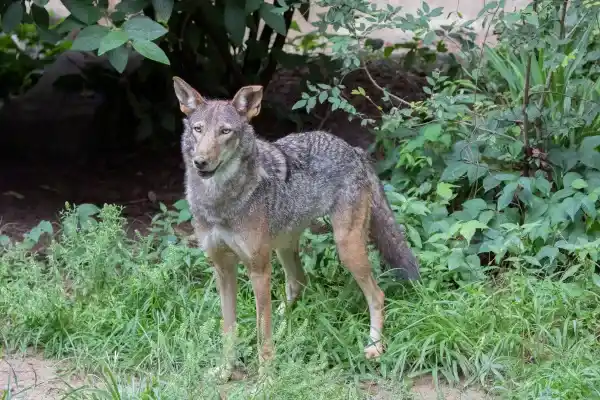
16) Hokkaido Wolf ( Canis lupus hattai )
They once lived in Hokkaido , Japan, and are now generally considered extinct . A common explanation is that with the development of modern agriculture and animal husbandry, they were systematically eradicated (including through poisoning) as a threat to livestock. Some descriptions state that they were grayish in summer and lighter gray in winter.
17) Indian wolf ( Canis lupus pallipes )
Often considered one of the most threatened wolf species globally, it inhabits warmer regions, extending from parts of West Asia to the Indian subcontinent . Due to the hotter environment, it does not have the pronounced thick winter coat of cold-climate wolves. Common shoulder height is described as approximately 60–70 cm .
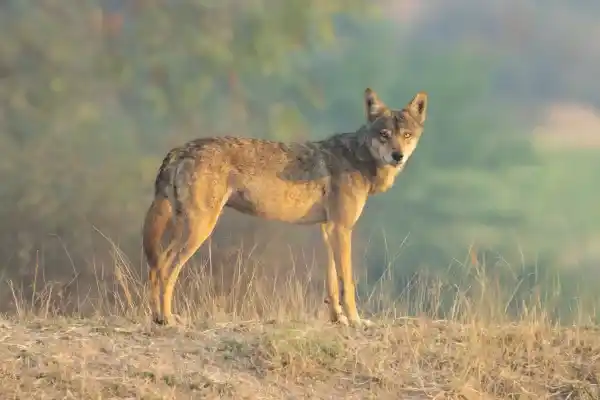
18) Yukon Wolf ( Canis lupus pambasileus )
Often considered one of the largest wolves, it can reach approximately 1.5–1.9 meters in length. It is primarily found in the Alaskan interior and the Yukon Territory of Canada. Its coat color varies greatly, ranging from beige, gray, white, to black, often depending on its habitat.
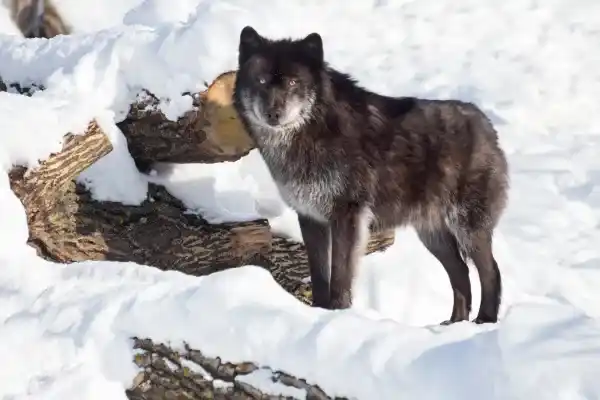
19) Mackenzie Wolf ( Canis lupus occidentalis )
Related to the Mackenzie River basin in Canada. Some descriptions mention a shoulder height of around 80 cm . Coat color ranges from white to black, with gray transitional patterns being common. It maintains a longer coat for most of the year, but sheds it for a shorter coat during warmer months.
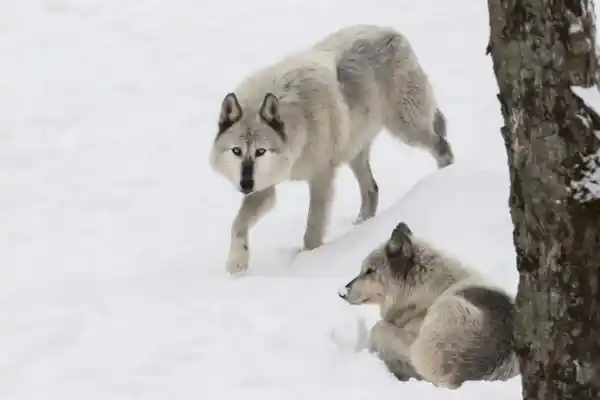
20) Baffin Island Wolf ( Canis lupus manningi )
It is found on Baffin Island in Canada and the nearby Arctic archipelago. It appears nearly white, but is often described as a very light grey. Many listings consider it one of the smaller species of the Arctic wolf.
Why are there such big differences in "wolf types"?
Climate influence: Thicker fur and larger body size are more likely to occur in colder regions, reducing heat loss.
Prey and terrain: Different food resources and activity ranges will affect physique, endurance and hunting methods.
Geographical isolation: Islands, mountains, and vast wilderness can cause populations to be separated for a long time, gradually forming local characteristics.
Human stress: Hunting and habitat fragmentation can shrink distribution and lead to the disappearance or more pronounced differentiation of local populations.