Insects inhabit almost every corner of the Earth, forming the largest group in the animal kingdom. However, many of these insects are not friendly to humans—some carry potent venom, and others can transmit diseases. Do you know which insects are the most venomous and dangerous? Below is a list of ten of the world's most venomous and threatening insects: killer wasps, Maricopa ants, African swallowtail butterflies, bullet ants, Japanese hornets, panda ants, tsetse flies, golden-ringed hornets, Aedes albopictus mosquitoes, and Matabele ants.
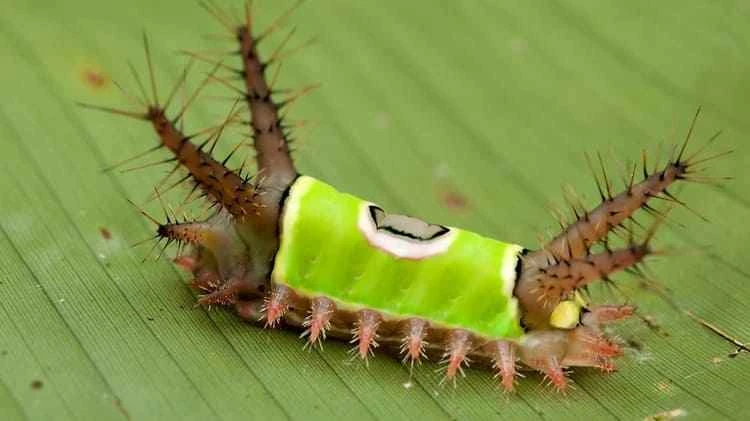
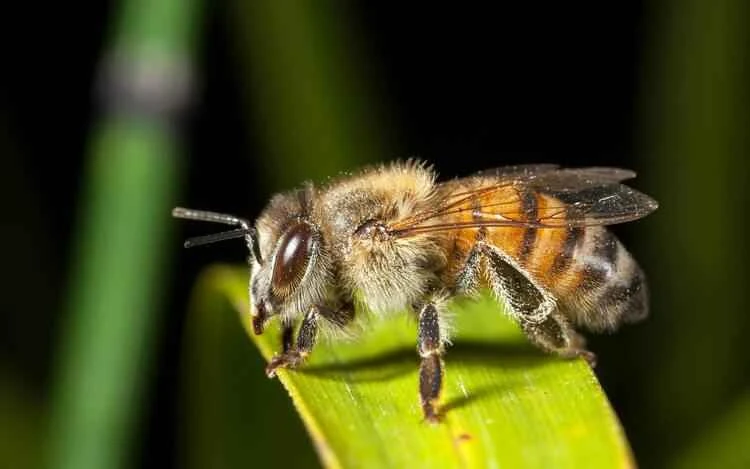
1. Killer bees (highly venomous and extremely aggressive)
Killer bees, also known as "Africanized honeybees," are among the most aggressive bee species in the world. Humans stung by them often experience severe headaches, vomiting, fever, difficulty breathing, and muscle spasms; in severe cases, they can cause hemolysis and kidney failure, leading to death. Over the past few decades, these bees have caused the deaths of hundreds of people, and countless injuries and deaths among domestic animals such as cats and dogs. They are extremely gregarious, and once provoked, almost no one can escape their attack.
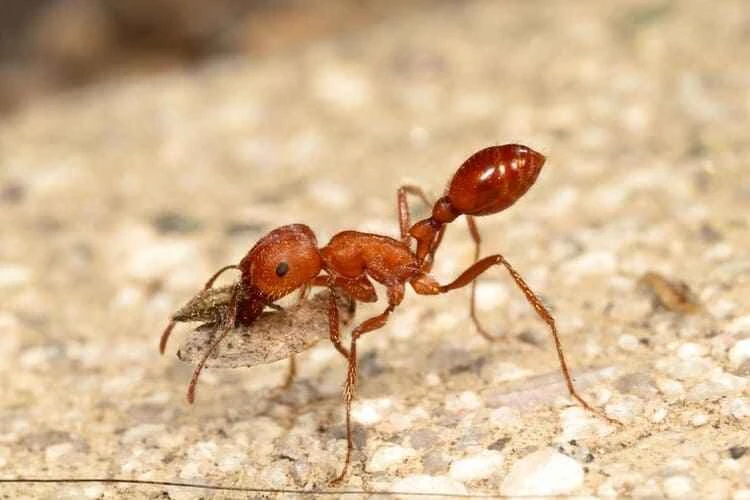
2. Maricopa ant (its venom is 12 times more potent than that of a honeybee)
Maricopastil ants are among the most venomous ants known. They resemble common red ants in appearance, but their venom is incredibly potent. Their median lethal dose (LD50) is only 0.12 mg/kg, meaning that even a tiny amount of venom can be fatal. Experiments have shown that just over ten stings are enough to kill a 2-kilogram animal. Their venom is more potent than that of bees and other ants, earning them the title of "the most venomous ant on earth."
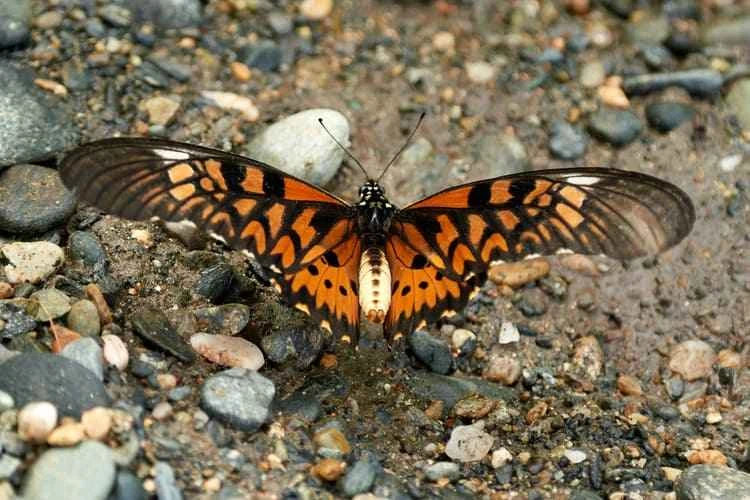
3. African Swallowtail (the world's most venomous butterfly)
This is an extremely brightly colored butterfly, mainly distributed in Africa. The female's wings have orange-red hues, and its vibrant appearance serves as a warning coloration. The long-winged swallowtail butterfly contains a high concentration of cardiotonic toxins and has a strong odor, causing many birds and lizards to avoid it. It is said that the toxins in a single adult swallowtail butterfly are enough to kill several domestic cats.
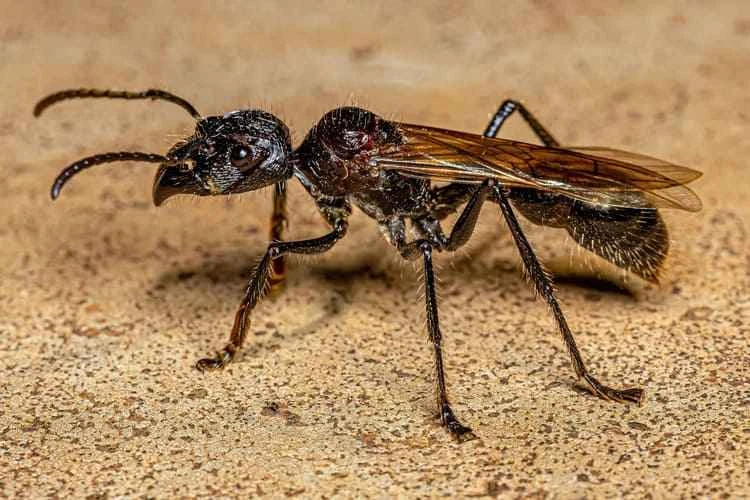
4. Bullet ant (its bite has the highest pain index in the world)
Bullet ants are not only enormous but also notorious for their excruciating pain, earning them the title of "the most painful insect in the world." American entomologist Justin Schmidt personally experienced the bites of various insects and created the "Schmidt Pain Index," with the bullet ant's bite ranking first in terms of pain. Although not immediately fatal, a sting causes a burning, excruciating pain that lasts for an entire day, making it an unforgettable ordeal for humans.
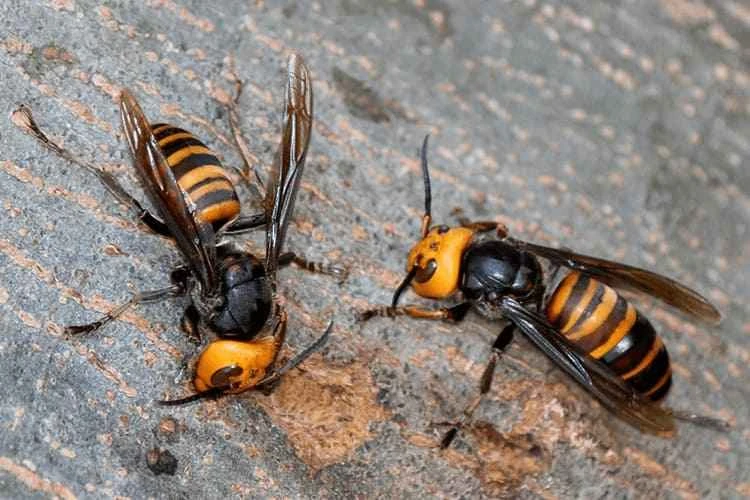
5. Japanese giant hornet (a venomous hornet that is said to be a visitor from hell)
The Japanese giant hornet is the largest hornet species, and its venom is among the most potent in the world. Its venom contains a powerful corrosive enzyme that can break down human tissue; without timely treatment, it can cause headaches and fever in mild cases, and laryngeal edema, respiratory failure, and even death in severe cases. The queen is particularly large and is known as the "hornet from hell."
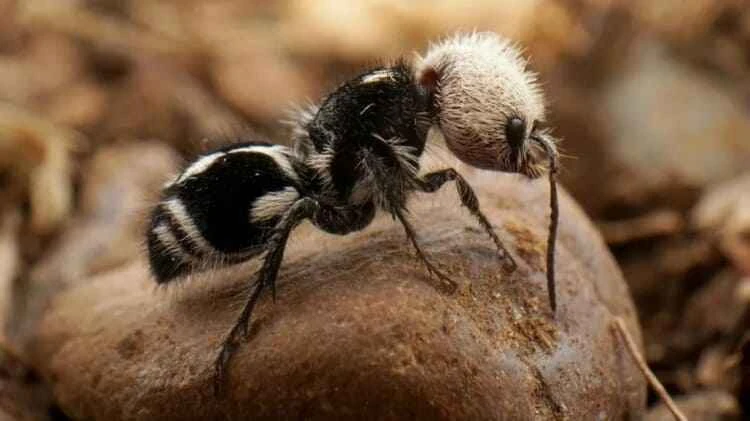
6. Panda Ant (cute on the outside, poisonous on the inside)
The panda ant gets its name from its black and white striped hairs, making it resemble a cute little panda, but it is actually a highly venomous hairy wasp. Although small in size, this insect is extremely aggressive, and its stings are excruciatingly painful. It has been reported that its venom can kill animals thousands of times its own size, and even be deadly to cattle.
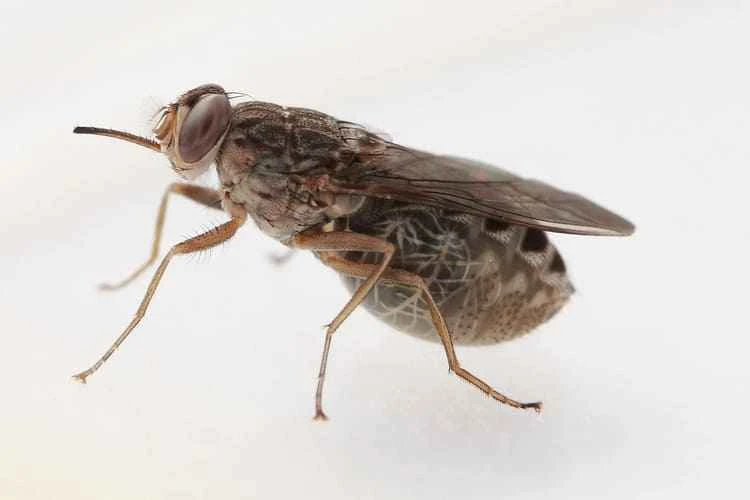
7. Tsetse flies (“African Death”, carriers of deadly sleeping sickness)
Tsetse flies are widely distributed in sub-Saharan Africa and are vectors for blood parasites in humans and animals. When they feed on blood, they introduce cone-shaped parasites into the human body, causing symptoms such as fever, lethargy, and anemia, which can eventually lead to sleeping sickness. Each year, approximately 3 million livestock in Africa die from diseases transmitted by tsetse flies, resulting in economic losses amounting to billions of dollars.
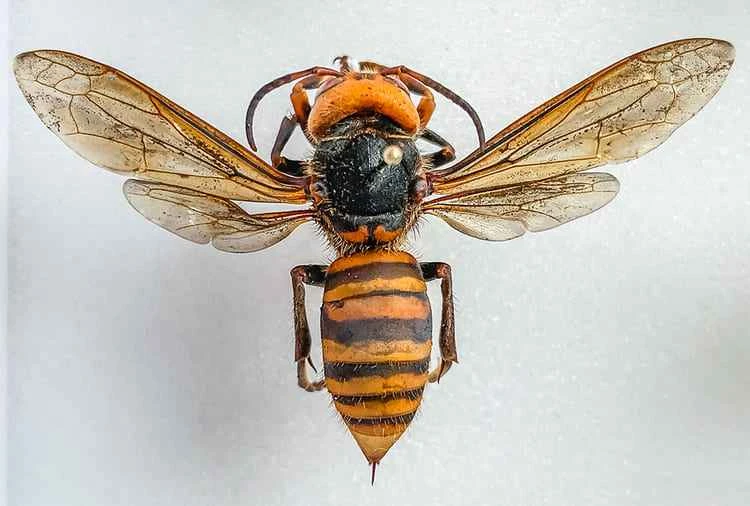
8. Golden-ringed hornet (highly aggressive in swarms, with a mixture of venoms)
The golden-ringed hornet is a highly aggressive hornet species that typically builds its nests underground, making them highly concealed. Once a nest is disturbed, they will attack in swarms. Their venom contains a mixture of histamine, hemolytic toxins, and neurotoxins, which can cause severe allergic reactions and even lead to liver and kidney failure. For people with allergies, a sting can be life-threatening.
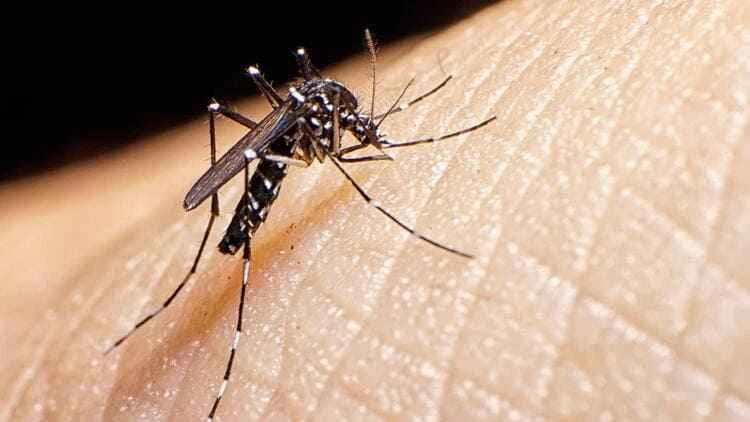
9. Aedes albopictus (transmitter of multiple viruses)
Aedes albopictus is one of the most familiar and dangerous insects to humans. Not only is it repulsive, but it also transmits viruses such as dengue fever, yellow fever, Japanese encephalitis, and Western encephalitis, making it a major vector for many infectious diseases. Asia and southern China are high-incidence areas for Aedes albopictus, thus making it one of the key disease-carrying insects to be controlled globally.
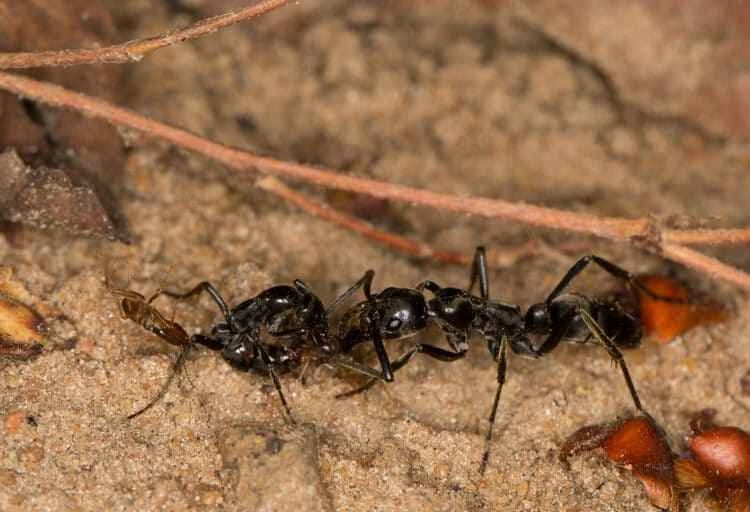
10. Matabele ant (African giant ant, highly venomous)
Matabele ants, native to Africa, can reach up to 15 millimeters in length and are known for their ferocity. They often hunt termites in swarms. When a scout ant discovers a target nest, it releases a chemical signal, triggering an immediate attack by millions of ants, leaving no creature in its path unscathed. Their venom can cause dizziness, convulsions, nausea, and other symptoms of poisoning in humans, and in severe cases, it can be life-threatening.
Summarize
The ranking of these ten venomous insects takes into account toxicity, aggressiveness, and the degree of danger to humans. It's important to note that while spiders, scorpions, and centipedes are also highly venomous, they are not insects but belong to other classes within the phylum Arthropoda. The data in this article is current as of October 2025 and is for reference only. We welcome your valuable comments in the comment section.